PeakMetrics / Fact Checks
Health & medicine fact checks
Explore claims publishers have checked about health & medicine. Read their original ratings and follow the evidence.
Search fact checks
Search by text or image13,675 published reviews in this topic
“HOSPITALES CERRARON CUANDO LOS PRIMEROS VACUNADOS PARA EL COVID-19 COMENZARON A COMERSE A OTROS PACIENTES”
Publisher’s rating: Falso
Pfizer's COVID-19 vaccine caused Bell's palsy in its clinical trial participants. Photos show participants who developed Bell's palsy.
Publisher’s rating: Misleading

If Pakistan develops a corona vaccine, it will never give it to Israel or India - Pak PM Imran Khan
Publisher’s rating: FALSE
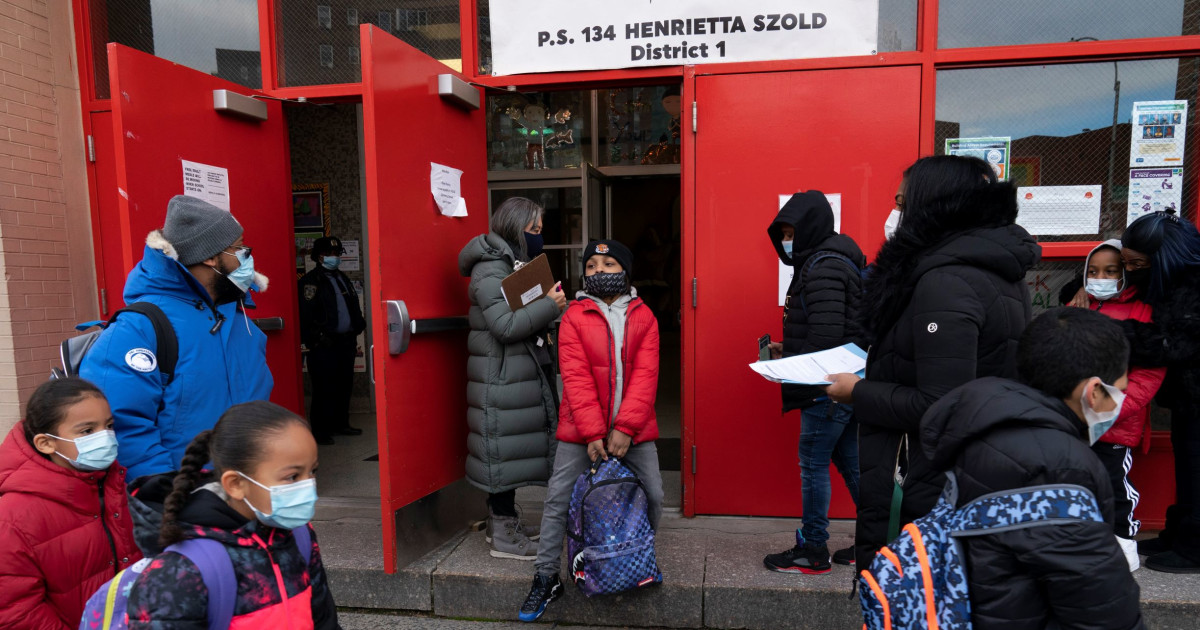
Las clases presenciales no han provocado un aumento de casos de COVID-19
Publisher’s rating: Verdadero
The woman in photo is Maria Nena Manzanilla who has a tumor in her eye and needs medical assistance.
Publisher’s rating: False

La vacuna del covid 19 modifica el ADN de las personas
Publisher’s rating: Falso
The claim concerns whether COVID-19 vaccines genetically alter the people who receive them. The review traces it to a viral video of Dr. Carrie Madej, described as a doctor of internal and complementary and integrative medicine. In the video, she warned that the vaccines could genetically modify humans. The review reports that the video spread through WhatsApp chains and that its claims prompted concern about possible long-term effects. It says the reviewers searched for the video and found a copy preserved on Vimeo by a user identified as Joaquín DeMoreta. To assess the claim, the review describes consulting earlier reporting and scientific sources. It recounts a BBC analysis that said none of the vaccine candidates then in clinical trials would alter human DNA, and a later BBC investigation in which three scientists said this was not possible. It also reports that Pfizer spokesperson Andrew Widger said the company’s vaccine did not alter the human body’s DNA sequence. The review further cites AFP’s account of Cornell science professor Mark Lynas’s explanation: genetic modification would require deliberately inserting foreign DNA into a human cell’s nucleus, which vaccines do not do. The review’s explanation distinguishes the vaccines’ purpose from the alleged genetic alteration: it says vaccines train the immune system to recognize a pathogen, and cites AFP’s description of DNA vaccines as delivering viral DNA or RNA to tissues to stimulate an immune response, not integrating viral DNA into the recipient’s cell nucleus. The excerpt therefore presents the video’s central assertion as contradicted by the scientific sources it reports, rather than as evidence that vaccination changes recipients’ genes.

Prefeito de Londres faz simulação de tomar vacina… enfermeiro não tira a tampa protetor da agulha… vai vendo aí
Publisher’s rating: Falso

Gegner der Maßnahmen zur Eindämmung der Corona-Pandemie behaupten immer wieder ohne jegliche Belege, die Verbreitung des Erregers sei geplant gewesen. Mitte Dezember 2020 kursiert im Netz ein vermeintlicher Zeitplan der Pandemie, hinter dem angeblich der Internationale Währungsfonds (IWF) steckt. Aus diesem Plan soll herauszulesen sein (hier archiviert): Die Einführung des zweiten Lockdowns münde für Bürger schlussendlich in einer finanziellen Abhängigkeit vom Staat, indem ihnen künftig Schulden gegen eine Impfung erlassen würden. Dieses angebliche Szenario basiere auf «Informationen, die in Kanada durchgesickert sind».
Publisher’s rating: Für die Thesen gibt es keinen Beleg. Der Ausschuss, aus dem die Informationen stammen sollen, existiert gar nicht. Organisationen wie das Weltwirtschaftsforum und der IWF haben zwar einen wirtschaftlichen Neustart im Zuge der Corona-Krise thematisiert. Eine Impfpflicht spielt dabei aber keine Rolle.
The claim concerns a purported pandemic timeline circulating online in December 2020. It allegedly came from information leaked in Canada and described a second lockdown leading to citizens’ financial dependence on the state, with debts eventually forgiven in exchange for vaccination. The review traces the document’s earlier circulation in English-language posts and examines the alleged source of its contents, rather than treating the document’s claims as established facts. The review reports that the document was circulating in English-language spaces in October 2020. Its stated support was an alleged email from a member of Canada’s governing party, first shared by a Canadian blog on October 14; an IMF representative rejected the blog’s claims when Reuters asked about them. The email’s purported author claimed to belong to a “Strategic Planning committee” run by the Canadian prime minister’s office. A spokesperson for that office told Reuters no such committee existed, and the review says the committee lists of both Canada’s House of Commons and Senate also supported that finding. The review further distinguishes real discussion of economic recovery from the alleged scheme. It says the IMF initiative named “World Debt Reset Program” did not exist in the described form, while the World Economic Forum had promoted a “great reset” as an economic-policy response to the pandemic’s effects. The review says those proposals did not include compulsory vaccination. It also notes that IMF Director Kristalina Georgieva discussed economic recovery and pandemic-related harm to poverty reduction and education, not a requirement to vaccinate. Thus, the existence of public discussion about economic recovery does not substantiate the alleged debt-for-vaccination plan.
Schneller als erwartet werden noch heuer etwa in den USA und in der EU Impfungen gegen die Verbreitung des Coronavirus eingesetzt. Dies befeuert auch wieder Debatten um die Sicherheit der Impfungen. Derzeit wird etwa in sozialen Medien ein Video geteilt, in der der deutsche Mikrobiologe Sucharit Bhakdi immer wieder Behauptungen über häufige Nebenwirkungen aufgestellt, die laut ihm «recht schwer» sind. «Das sind junge, gesunde Menschen gewesen, und die Hälfte hat Fieber, Schüttelfrost, Muskelschmerzen, Gliederschmerzen, Kopfschmerzen.» Ein Facebook-Nutzer (hier archiviert) verbreitet das Video etwa mit der Überschrift «Covid-19 Impfstoff mit gefährlichen Nebenwirkungen».
Publisher’s rating: Bhakdis Behauptungen zur Häufigkeit der genannten Symptome sind ungenau und größenteils übertrieben. In den Teststudien zum Impfstoff wurden nicht nur Junge und Gesunde getestet.

Vídeo publicado pelo pastor Silas Malafaia questiona a vacina chinesa coronavac e o as poucas mortes na África devido ao uso da ivermectina
Publisher’s rating: ENGANOSO: Ao contrário do que diz o pastor evangélico, não há como atribuir os números de covid-19 na África à distribuição de ivermectina no continente

Photo of the Pfizer’s COVID-19 vaccine (vaporizer cartridge) which is made in China
Publisher’s rating: FALSE
The claim concerned a social-media photo said to show a Pfizer COVID-19 vaccine vaporizer cartridge made in China. FACTLY’s review says the pictured item was not a form of the Pfizer/BioNTech vaccine: the vaccine was administered by injection into the upper arm, while the item in the photo was labeled as a vaporizer cartridge.
The deaths of six people during its clinical trials were the effect of Pfizer Inc.'s COVID-19 vaccine.
Publisher’s rating: Misleading
Während der Corona-Impfstoff der Unternehmen Biontech und Pfizer in einigen Ländern bereits eingesetzt wird, werden immer wieder Behauptungen über dessen Nebenwirkungen aufgestellt. So spricht etwa der deutsche Mikrobiologe Sucharit Bhakdi von «Nebenwirkungen, die recht schwer sind. Das sind junge, gesunde Menschen gewesen, und die Hälfte hat Fieber, Schüttelfrost, Muskelschmerzen, Gliederschmerzen, Kopfschmerzen.» Bhakdis Aussagen in einer Talkshow werden auch auf Facebook verbreitet (hier archiviert). Aber stimmen sie auch?
Publisher’s rating: Die Aussagen Bhakdis zur Häufigkeit dieser Symptome sind ungenau und größenteils übertrieben.
The review traces Bhakdi’s remarks to the “Corona-Quartett” broadcast on Servus TV on December 6, 2020. It says his reference to a gene-based vaccine being used in England pointed to the BioNTech/Pfizer vaccine. The investigation compared his claim that about half of young, healthy recipients experienced several symptoms with results from the vaccine’s phase-three study; it notes that the review does not establish what evidence Bhakdi himself relied on. The review reports that after the second dose, fever occurred in 16% of participants aged 16–55 and 11% of older participants. Muscle pain was reported by 37% and 29%, respectively, and chills by 35% and 23%. Headaches were reported by 52% of younger participants and 39% of older participants, so this symptom was around half among the younger group. The review also points out that headaches were reported by placebo recipients—24% of younger and 14% of older participants—so that figure needs comparison-group context. The figures do not support treating all the listed symptoms as affecting half of recipients or describing them collectively as severe side effects. The review says the reactions were mostly mild to moderate and quickly subsided, and distinguishes them from severe side effects, which it says were rare. It also corrects Bhakdi’s assertion that trial participants had no pre-existing conditions: the study allowed such participants, who developed immunity to the virus.

(VIDEO) ENFERMERA SE DESMAYA POR RECIBIR VACUNA DE PFIZER
Publisher’s rating: Falso

Segundo fisioterapeuta especialista em patologia pulmonar, quem já teve covid não precisa tomar vacina
Publisher’s rating: ENGANOSO: As respostas imunes causadas pelas infecções do novo coronavírus variam conforme diversos fatores e o real nível de imunidade de cada pessoa só pode ser descoberto por exames muito específicos e caros

GOBIERNO DECRETA CUARENTENA TOTAL PARA EL GRAN SANTIAGO
Publisher’s rating: Falso

Apareceu HIV em uma das vacinas. História de falso positivo não acredito, pode ser positivo sim.
Publisher’s rating: Falso

සමාජ මාධ්ය තුල මේ දිනවල හුවමාරු වන දේශීය බෙහෙත් වට්ටෝරු අත්හදා බැලීමෙන් වළකින ලෙස උපදෙස්!
Publisher’s rating: Misleading
The claim concerns recipes circulating on social media as local remedies for COVID-19, including a recipe presented as ingredients for a syrup attributed to Dhammika Bandara. The review reports that the government’s Indigenous Medicine ministry had asked the public not to try circulating recipes while research on them remained incomplete. Its conclusion is about the unverified recipes, not proof that every ingredient is harmful or that the recipes had been clinically shown to work: it says research had not been completed and cites the ministry’s request not to experiment with them. [S1: “අපගේ විමර්ශනයෙන් පැහැදිලි වන්නේ ධම්මික බංඩාර නැමත්තකු නිපදවූ පැණියේ ඖෂධ වට්ටෝරුව බවට සමාජ මාධ්ය තුල සංසරණය වන දේශීය වෛද්ය ක්රමයේ භාවිතා කරන අමුද්රව්ය සහිත වට්ටොරු පිලිබඳ පර්යේෂණ තවමත් අවසන් වී නොමැති බැවින් ඒවා අත්හදා නොබලන ලෙස”] The article describes a specific post listing ginger, nutmeg, coriander, water and honey, with preparation and dosage instructions, and says versions of it were circulating on Facebook and Twitter. It attributes the warning to an official ministry statement asking people not to try recipes being widely shared online. The review also reports that a senior lecturer in Indigenous Medicine said some ingredients might have immune-related properties, but whether the combinations could treat COVID-19 would need to be tested under a proper method. [S1: “කොළඹ විශ්ව විද්යාලයේ දේශීය වෛද්ය විද්යාව පිළිබඳ ජේෂ්ඨ කථිකාචාර්ය වෛද්ය එල්.පී.ඒ. කරුණාතිලක මහතා අප සමඟ පැවසුවේ සමාජ මාධ්යහි සැරිසරන බෙහෙත් වට්ටෝරුවෙහි ඇති සමහර අමුද්රව්යවල ප්රතිශක්තිය ඉහළ නැංවීමේ ගුණ තිබිය හැකි බවයි. කෙසේනමුත් ඒවා කොවිඩ් -19 සුව කිරීමට ප්රමාණවත් වන්නේද යන්න නිශ්චිතව පැවසීමට නම් මෙම වට්ටෝරුවල අඩංගු සංකලනයන් නිසි ක්රමවේදයක් යටතේ පරීක්ෂණයක කළ යුතු බවය.”] To assess claims that Bandara’s syrup had treated COVID-19 patients, the review says it contacted the Wathupitiwala hospital director. He said the COVID treatment centre was about a kilometre from the hospital, that he oversaw only its administration, and that any local medicine given there was without his prior approval and was not a clinical trial. The article also recounts a medical association official’s view that the medicine’s effectiveness could not yet be determined while testing was pending. [S1: “එම රෝහලේ ප්රතිකාර ලබන අසාදිතයන්ට යම් දේශීය ඖෂධයක් ලබා දී ඇති බවට සැලවු බවත්, එය තමාගේ අනුදැනීමකින් තොරව සිදුවී ඇති බවත්, මෙම පරීක්ෂණයට ඔහු පුර්ව අනුමැතියක් ලබා නොදුන් බවත්, එය සායනිකව කළ පරීක්ෂණයක් නොවන බවත් එතුමා සඳහන් කළේය.”]