PeakMetrics / Fact Checks
Has this been
fact-checked?
Paste a claim or upload an image to find existing fact checks. See what fact-checkers found and read the evidence before you share.
Search fact checks ↓API & integrations ↗Browse by topic
Explore fact checks by subject.
Search fact checks
Search by text or imageLatest fact checks
98,307 published reviewsFui ao plenário das Nações Unidas, recebi o prêmio mundial de combate à mortalidade infantil, prêmio Maurice Pate
Publisher’s rating: Verdadeiro, mas...
O Brasil está há 11 anos com o crescimento médio tendente a zero
Publisher’s rating: Verdadeiro
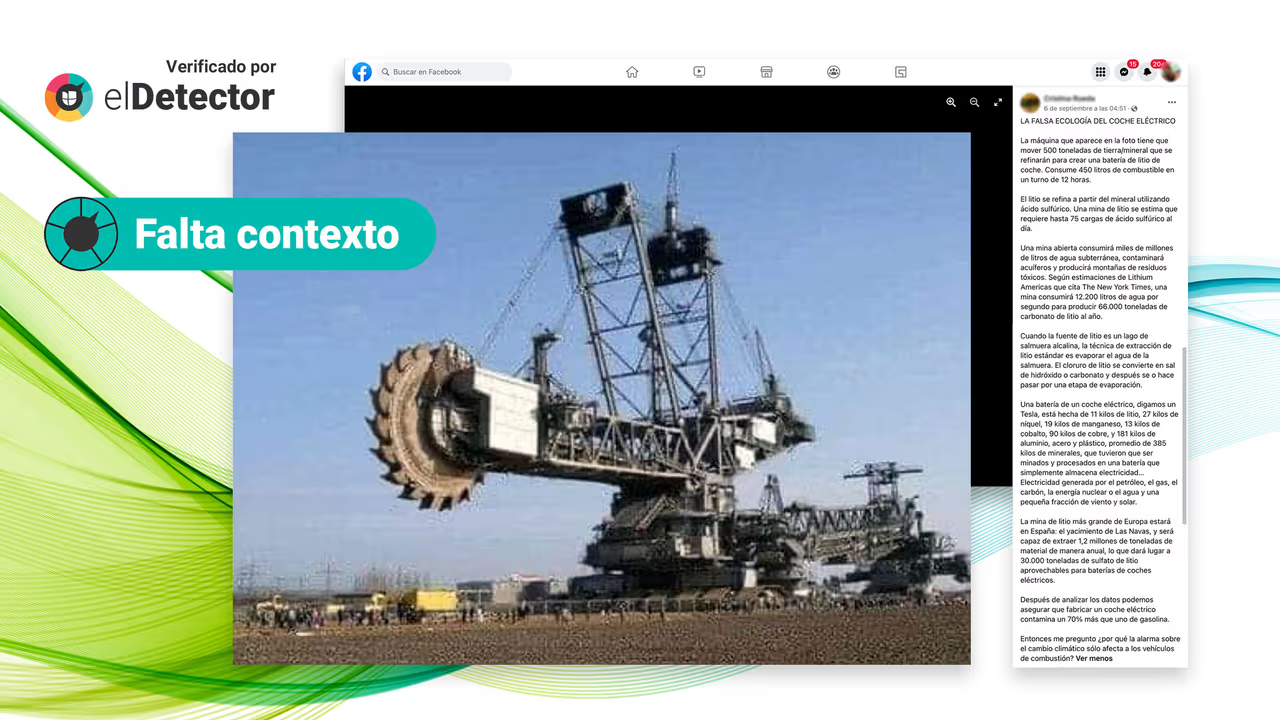
Es una “falsa ecología" la de los coches eléctricos porque la fabricación de la batería “contamina un 70% más” que fabricar completo uno de gasolina.
Publisher’s rating: Falta Contexto
[O brasileiro] trabalha cinco meses por ano para pagar imposto
Publisher’s rating: Verdadeiro
O PTB é único partido cristão e conservador de direita do Brasil
Publisher’s rating: Falso

Partido Novo votou contra o Auxílio Brasil na Câmara
Publisher’s rating: Verdadeiro
A sua atual vice [Mara Gabrilli] usou também desse recurso [orçamento secreto]
Publisher’s rating: Verdadeiro
O Brasil gasta muito, gasta como país de primeiro mundo na educação
Publisher’s rating: Falso

ලොව වස විස අධිකම ආහාර ගන්න රටවල් අතරින් ලංකාව පළමු තැනට?
Publisher’s rating: Misleading
The claim concerns a social-media image presented as a recent Dinamina newspaper story, alleging both that the World Health Organization had warned Sri Lanka about agrochemical use and that Sri Lanka ranked first among countries eating the most toxic food. The review identifies the image’s source as a Dinamina article published in 2013, rather than a recent report. It also distinguishes the image’s broad claim about food from the agricultural-input measure the underlying figures actually addressed. To check whether Sri Lanka had ranked first for toxic-food consumption, the publisher says it searched major international and local media for a report of such a ranking. It found no report of that kind. It noted that local reporting in 2021 quoted physician Anuruddha Padeniya saying Sri Lankans were becoming a people who consumed the most “poison,” but those reports did not say Sri Lanka had been ranked first. The publisher also checked Dinamina and found no recent article matching the image; its examination of the newspaper logo helped lead it to the 2013 source. The underlying figures were about fertilizer consumption, not a ranking of countries by how poisonous their food was. The review compared World Bank fertilizer-use figures, measured as kilograms of fertilizer per hectare of arable land. In the latest data it examined, for 2020, Bangladesh led South Asia at 320.9 units and Sri Lanka was second at 297.8. The review further says Sri Lanka was outside the world’s top 20 in the World Bank’s global data. Thus, the old report’s regional fertilizer comparison does not establish the social-media image’s claim about toxic-food consumption or a recent WHO warning.
Demos o maior reajuste da história do Brasil para os professores do ensino básico, 33%
Publisher’s rating: Verdadeiro, mas...
ராகுல் காந்தியின் பாரத் ஜோடோ யாத்திரை தேச விரோதிகளின் கூடாரமாக மாறியுள்ளது. இந்தியக் குடியுரிமை சட்டத்திற்கு எதிராக நடந்த போராட்டத்தில் பாக்கிஸ்தான் ஜிந்தாபாத் என்று முழக்கம் எழுப்பிய அமுல்யா லியோனா நோரான்ஹோ(Amulya leona Noranho) என்ற பெண் ராகுல் காந்தியுடன் நடந்து அவரைக் கட்டி அணைத்துள்ளார். இதற்கு ஏதாவது விளக்கம் உண்டா ஜெயராம் ரமேஷ்?
Publisher’s rating: Fake

A mesma coisa, Joaquim Barbosa dizendo que eu devolvi dinheiro dado pela JBS para mim
Publisher’s rating: Falso
Where the data comes from
Fact checks come from Data Commons and link to the organizations that published them.
What you’ll find
Each result links to the original fact check. Open it to read the publisher’s findings, with summaries and supporting sources where available.
Report an error
To report an error, send the page URL and supporting evidence.