PeakMetrics / Fact Checks
Has this been
fact-checked?
Paste a claim or upload an image to find existing fact checks. See what fact-checkers found and read the evidence before you share.
Search fact checks ↓API & integrations ↗Browse by topic
Explore fact checks by subject.
Search fact checks
Search by text or imageLatest fact checks
98,307 published reviews


தொல்லியல்துறை சென்னை அருகே 12,000 வருடம் பழமையான விஷ்ணு சிலை மற்றும் சிவலிங்கத்தைக் கண்டுபிடித்துள்ளனர்.
Publisher’s rating: Fake

El cambio climático afecta “de forma desproporcionada a las comunidades de bajos ingresos y comunidades de color”.
Publisher’s rating: Verdad

Elegeram o Gabriel Boric, Presidente do Chile, agora reagem contra suas medidas Comunistas e incendeiam o país.
Publisher’s rating: Falso
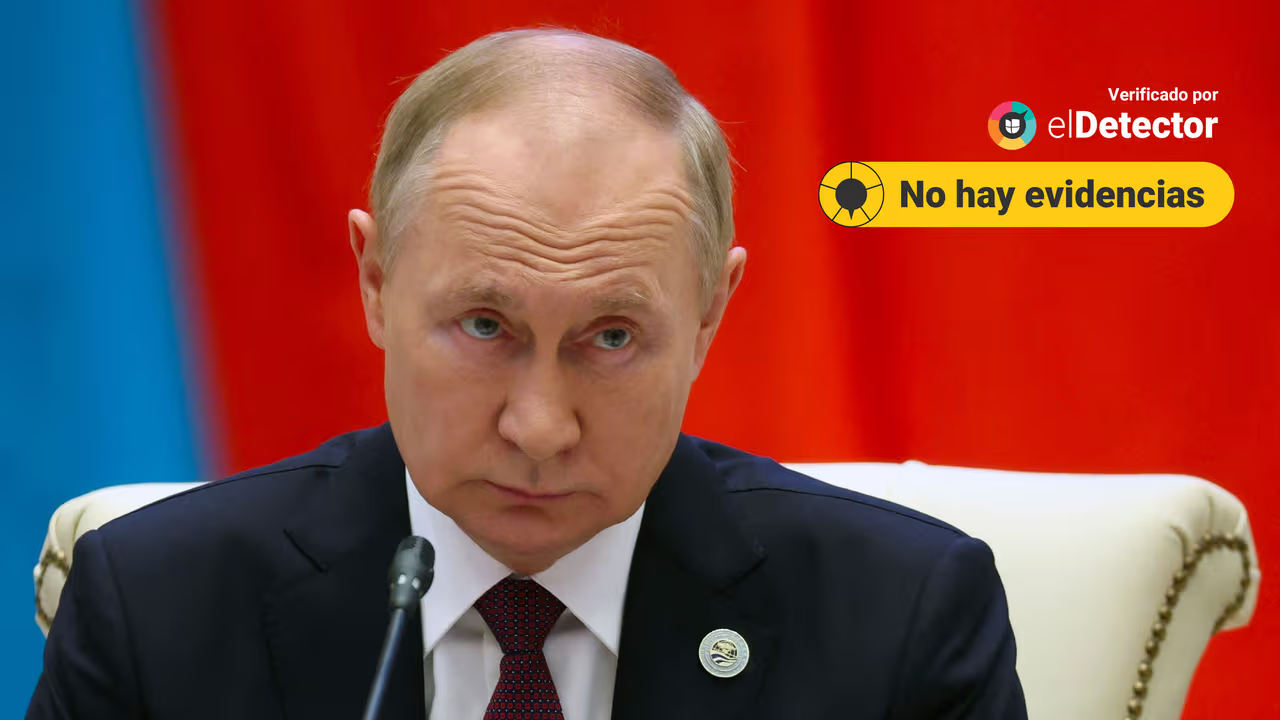
El presidente ruso, Vladimir Putin, sufrió un ataque en septiembre contra su caravana.
Publisher’s rating: No hay evidencias
The claim concerns an alleged attack on Vladimir Putin’s motorcade in September 2022. The original investigation traces the story to a September 14 post by the Telegram account General SVR, which was later amplified by British tabloids and a viral YouTube video. The review says it found no corroborating video, photograph, or witness, and reports that the Russian government denied the allegation. It concludes that the evidence available did not substantiate an attack on Putin’s motorcade. (S1: “La afirmación surgió de una publicación del 14 de septiembre hecho por un canal de Telegram llamado General SVR.”; “No hay evidencias de que el presidente ruso, Vladimir Putin, haya sufrido un ataque reciente contra su caravana. La afirmación fue desmentida por el gobierno ruso y no ha salido ningún video, foto o testigo para corroborarla.”) The viral video described a bomb damaging the front-left wheel of the limousine Putin was riding in and claimed that bodyguards were dismissed afterward. But, according to the review, the video cited no source; its account followed General SVR’s version, and it did not specify when the supposed attack occurred. The review also notes that the video’s publisher, 44 Noticias, had an unidentified team and had previously posted video games before shifting to war-related content. These details bear on the provenance of the viral account, not on independent confirmation of the alleged attack. (S1: “Según el video de 44 Noticias, Putin estuvo a punto de ser asesinado, pero salió ileso cuando estalló una bomba que causó un golpe significativo a la rueda delantera izquierda de la limusina en la que viajaba.”; “El video no cita ninguna fuente, pero sigue el guion del argumento hecho por General SVR, una cuenta misteriosa con presencia en Telegram, Twitter y YouTube.”; “Anteriormente, había subido solo videojuegos.”) The review also cites assessments by outside commentators and other fact-checkers, rather than presenting them as independent proof of what happened. Chris Miller, of the Foreign Policy Research Institute, said he would not give the claim much credibility; the article says Snopes and Newsweek likewise found it unproven or unverified. Its conclusion rests on the absence of corroborating evidence and the questionable provenance of the claim, while acknowledging that a separate, real bombing killed Darya Dugina on August 20, 2022. The review does not present that incident as evidence that Putin’s motorcade was attacked. (S1: “No le daría mucha credibilidad a esto”, dijo Chris Miller, director de Eurasia en el Instituto de Investigación de Política Exterior”; “Chequeos realizados por Snopes y Newsweek concluyeron también que la afirmación es “no probada” y “no verificada”, respectivamente.”; “El 20 de agosto, una activista rusa llamada Darya Dugina fue asesinada con un coche bomba.”)


Six fruit combinations that are deadly for humans
Publisher’s rating: FALSE
The review examines a viral social-media warning that named six combinations—orange and carrot, pineapple and milk, papaya and lemon, guava and banana, orange and milk, and banana and lemon—and said they could cause death. It frames its investigation around whether those pairings are deadly, rather than assessing fruit combinations in general. The article notes that fruit and vegetables are generally beneficial, then says it searched for information about the combinations individually. For examples of its checks, the review cites a WebMD recipe combining carrot and orange, and reports Healthline’s explanation that pineapple and milk are not toxic or dangerous, though the milk may curdle. It also points to research reporting antioxidant properties in papaya and lemon juice and to recipes for guava-and-banana smoothies. These examples address some pairings, but the excerpt does not describe separate checks for orange and milk or banana and lemon. The review also reports consulting nutritionist and corporate wellness coach Dr. Umesh Wadhavani. He said the combinations cannot cause death and that there is no scientific evidence that they are deadly; he suggested that some people might experience digestive problems for other reasons. The review concludes that the post’s claim is unsupported and false. Its cited examples and expert’s assessment challenge the death warning, but the excerpt does not provide detailed study methods or evidence addressing each of the six pairings individually.

Old 500-rupee currency notes having the same serial number but with the signatures of two different RBI governors indicates a scam by the UPA government.
Publisher’s rating: FALSE
The claim concerns a comparison of two old Rs. 500 notes with the same serial number but signatures of different RBI governors. The post presented that pairing as evidence of a scam under the UPA government. FACTLY’s review checked whether the serial-number and signature combination itself supported that allegation, rather than treating the similarity as proof of fraud. The decisive evidence in the review is an RBI FAQ answering whether two or more banknotes can have the same serial number. RBI’s answer, as quoted by FACTLY, is that this is possible, and that the notes may be distinguished by a different inset letter, year of printing, or signature of a different RBI governor. The review explains that an inset letter is printed on a note’s number panel. Thus, different governors’ signatures are among the distinguishing features RBI says can occur on notes with matching serial numbers; that fact alone does not establish a scam. The review also cites RBI’s 2009 announcement of Rs. 500 notes bearing the signature of then-governor D. Subbarao, with an ‘E’ inset letter, and its statement that Rs. 500 notes issued from 2000 would remain legal tender. It adds that notes bearing former governor Subbarao’s signature surfaced after Raghuram Rajan took over in 2014, and that RBI said those notes were legal tender while the signature-change process was underway. This provides a documented explanation for the appearance of notes associated with different governors, distinct from the post’s allegation of a UPA scam.
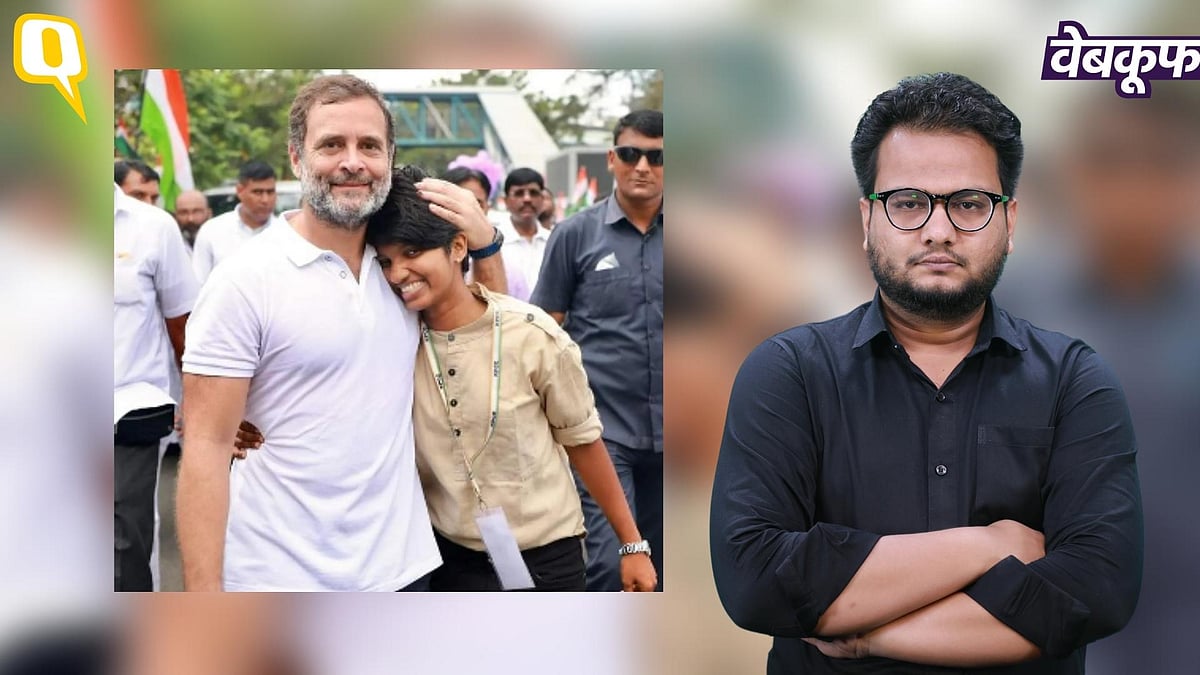
राहुल गांधी के साथ फोटो में वही लड़की दिख रही है जिसने बेंगलुरु में साल 2020 में 'पाकिस्तान जिंदाबाद' के नारे लगाए थे.
Publisher’s rating: FALSE

Infelizmente Daniel Silveira está inelegível. Se vc votar nele cancelará todo o voto. ALÔ RIO DE JANEIRO
Publisher’s rating: Falso
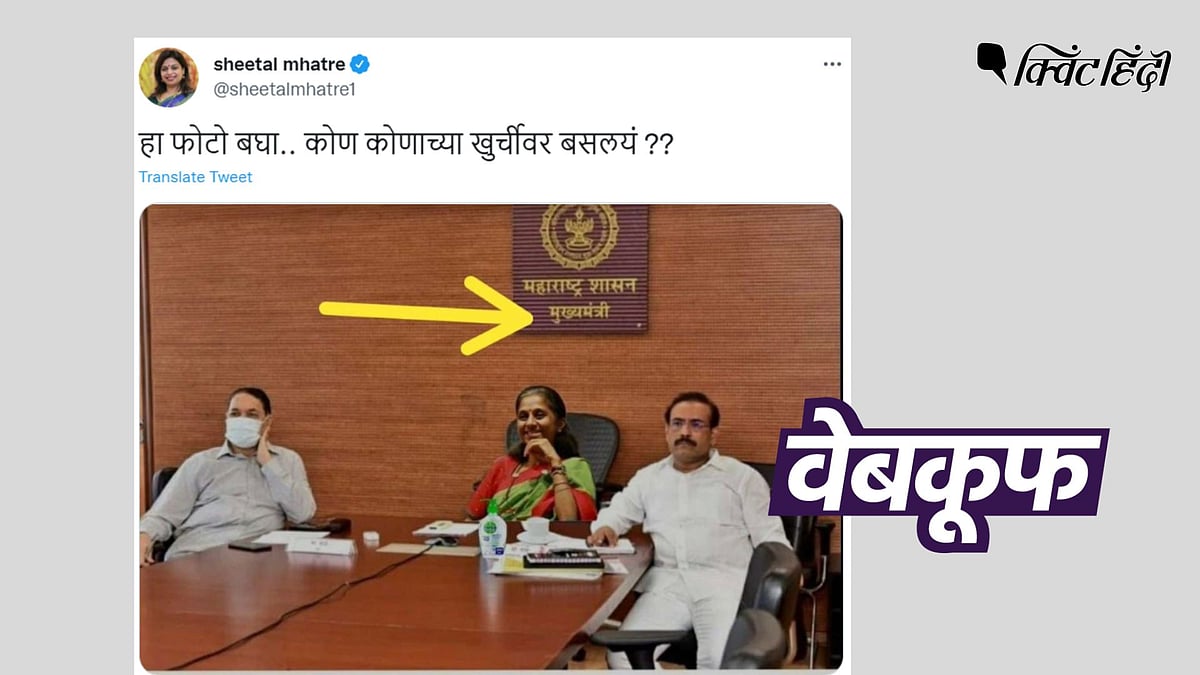
महाराष्ट्र सीएम की कुर्सी पर बैठी सुप्रिया सुले की फोटो
Publisher’s rating: FALSE

भाजपा समर्थक अब आम आदमी पार्टी को समर्थन दे रहै हैं।
Publisher’s rating: Missing Context
अनुप्रिया पटेल ने किया राहुल गांधी की भारत जोड़ो यात्रा का समर्थन
Publisher’s rating: FALSE

Thiago Rodrigues, goleiro do Vasco, assumiu que é gay e tirou foto com namorado
Publisher’s rating: Falso

Where the data comes from
Fact checks come from Data Commons and link to the organizations that published them.
What you’ll find
Each result links to the original fact check. Open it to read the publisher’s findings, with summaries and supporting sources where available.
Report an error
To report an error, send the page URL and supporting evidence.