PeakMetrics / Fact Checks
Has this been
fact-checked?
Paste a claim or upload an image to find existing fact checks. See what fact-checkers found and read the evidence before you share.
Search fact checks ↓API & integrations ↗Browse by topic
Explore fact checks by subject.
Search fact checks
Search by text or imageLatest fact checks
98,240 published reviewsتصاویر ماهوارهای ضربه مقاومت به روستای سبز محل استقرار نیروهای آمریکایی
Publisher’s rating: نادرست
بعضی از کشورهایی که چند برابر ما جمعیت دارند، مصرف گاز و بنزینشان از ما کمتر است.
Publisher’s rating: درست

ఇజ్రాయెల్ ప్రభుత్వం తమ దేశంలో క్రైస్తవ మత ప్రచారం నిషేదిస్తూ ఒక బిల్ను ప్రవేశపెట్టింది
Publisher’s rating: MISLEADING

中國突然要求在地圖標註中俄邊境的8個地名時,除使用俄式發音的譯名外再括註中國舊稱。
Publisher’s rating: 錯誤
The claim arose from reports in February 2023 that China had suddenly ordered maps to show Chinese historical names alongside the Russian-style names of eight places near the China–Russia border. The review examined the publication history of the relevant map rules, rather than assessing the political intentions attributed to the requirement. It notes that China’s Ministry of Natural Resources published the 2023 *Specifications for the Representation of Public Maps* on February 14, and that Article 14 lists the eight place names and their parenthetical names. The review says this provision matched the descriptions circulating in the reports. The central question was whether this was a new requirement. The review compared Article 14 with Article 17 of the 2003 *Several Provisions on the Representation of Public Map Contents*. Both provisions list the same eight Russian place names and the same Chinese names to be added in parentheses; both also exclude Chinese-pinyin and foreign-language maps. The 2023 document repealed the 2003 rules, but the review explains that it consolidated and revised earlier provisions. Thus, publication of the updated document in 2023 did not establish that the eight-name requirement had just been introduced. The review also describes checks of older examples: a 2014 approved world map, a Chinese government notice about a 2009 incident near Vladivostok, and a Chinese consulate page that used a Russian place name with its Chinese historical name. It concludes that describing the rule as a sudden new announcement omitted the earlier rule and could mislead readers. The review expressly excludes claims about the government’s intentions from its scope.
“Essas proteínas, em graus variáveis, vão gerar inflamação e coágulo”
Publisher’s rating: Falso

Fotoğrafta Fethullah Gülen’in yanındaki kişinin Mustafa Varank olduğu iddiası
Publisher’s rating: Yanlış

Videodaki Rahip "Şişman Kadınlar Cennete Giremez" Dedi mi?
Publisher’s rating: Yanlış

Photo showing how China tested the capability of a car in 1993
Publisher’s rating: FALSE
The claim concerns a photograph said to show China testing a car in 1993. FACTLY identifies the image instead as a demonstration of the strength of an Audi company DKW Type F7 in Berlin, Germany. It says the photograph shows 30 men standing on the car’s roof and concludes that the image has nothing to do with China. The review describes its check as a reverse image search. That search found the same photograph on Alamy, where the caption identifies it as a demonstration of the load capacity of a DKW Reichsklasse F7. FACTLY notes that Alamy’s description gives a 1920 date and Berlin as the location, but also quotes a disclaimer that dates the depicted DKW F7 to 1937. The review therefore does not support the claim’s asserted China setting or 1993 date. FACTLY also reports finding the same image on Audi’s MediaCenter, titled “30 men on the roof of a DKW ‘Front Reichsklasse’ Type F7,” and says its caption describes the photo as demonstrating the strength of the car’s wooden coachwork. The review adds that the DKW F7 was launched in 1937. Taken together, the image matches the reported German car demonstration, not the claimed Chinese test.
سال ۱۴۰۱ قطعی اینترنت از قبل برنامهریزیشده نداشتیم و بحث فنی همیشه بودهاست.
Publisher’s rating: شاخدار
بههمریختگی ساعت دستگاههای دیجیتال با لغو ساعت تابستانی
Publisher’s rating: طبق مصوبه مجلس در ۲۴ اسفند ۱۴۰۰ قرار بود سال ۱۴۰۲ اجرای قانون «تغییر ساعت تابستانی» متوقف شده و ساعتها به جلو کشیده نشوند. اما راس ساعت ۱۲ شب اول فروردین برخی موبایلها، کامپیوترها، دستگاههای آنلاین، سیستمهای پرداخت بانکی و اینترنتی و گجتهای هوشمند به شکل خودکار یک ساعت جلو رفتند. به این ترتیب هرج و مرجی در زندگی روزمره مردم پدیده آمد که دامنه آن به شبکههای اجتماعی هم کشیده شد.
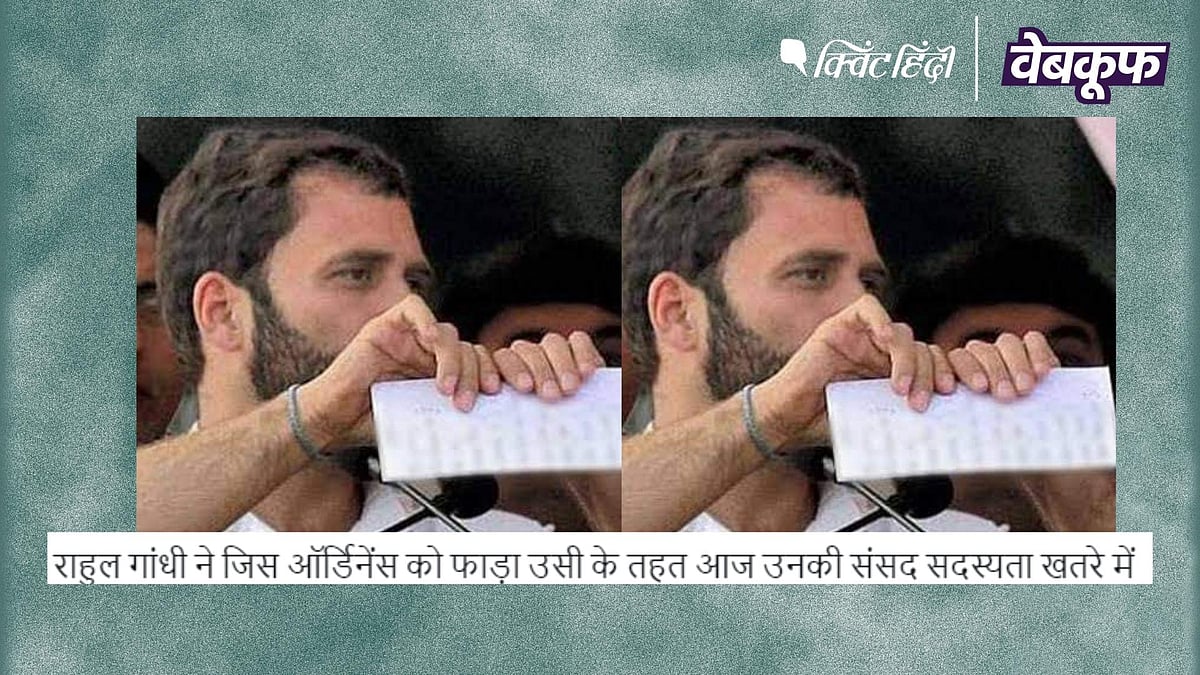
फोटो में UPA सरकार का सांसदों की सदस्यता रद्द होने से जुड़ा अध्यादेश फाड़ते दिख रहे हैं राहुल गांधी
Publisher’s rating: FALSE

திமுக எம்பிக்கள் க்ரூப் போட்டோவில் ரவீந்திரநாத்.
Publisher’s rating: Fake
तस्वीर में प्रधानमंत्री मोदी किरण पटेल के साथ खड़े है और उनका काफी करीबी रिश्ता है।
Publisher’s rating: False

Chefão do FBI exige que Augusto Aras autorize a prisão e extradição de Moraes para os EUA
Publisher’s rating: Falso
The claim says that the FBI’s chief demanded that Brazil’s then-prosecutor general, Augusto Aras, authorize Supreme Court Justice Alexandre de Moraes’s arrest and extradition to the United States. The review examines versions of that message circulating online, including one that says the FBI chief demanded Aras’s approval. It reports that the story spread through social-media profiles and a YouTube channel, but the versions it examined supplied no reliable source for the allegation. The review describes its checks as examining the message, the channel’s history, searches of reliable sources and the source of the claim. It says the message was vague and alarmist and cited no reliable evidence. It also notes that the same channel had published other claims about the FBI arresting Moraes, including videos framed around a supposed request by a congresswoman and a supposed disclosure by a U.S. senator. The review uses that history to explain why it considered the channel unreliable, rather than as proof that the arrest claim was true. The investigation’s central finding is that it found no confirmation in reliable sources, despite describing such an international allegation as one that would attract widespread attention. It also gives two reasons the claim’s account of the process was implausible: the FBI could not simply request the arrest of Brazilians in the manner described, and Aras did not decide whether someone would be arrested. The review concludes that the allegation that Moraes would be arrested by the FBI on Aras’s decision was false.
प्रधानमंत्री मोदी ‘101 वेज़ टू सेव अडानी’ नामक किताब पढ़ रहे है।
Publisher’s rating: Altered

Deze leiding brengt (ongezond) water naar jouw huis.
Publisher’s rating: Leidingwater in Nederland en België is veilig om te drinken. Een foto die dat in twijfel trekt is in 2016 genomen in Thailand en zegt dus niets over de situatie in Nederland of België.
The claim links a photograph of a dirty water pipe to the safety of tap water in the Netherlands or Belgium. The review says the image spread on social media and prompted claims that tap water was unhealthy, but explains that the photograph does not establish the condition of water supplies in either country. It reports that a reverse-image search led to a Thai news report from 2017 containing the same image. That report traced the image to a Facebook post from April 2016 about a water pipe at Hua Takhe market in Bangkok. Bangkok’s Metropolitan Waterworks Authority (MWA) responded to the photographs and promised action; a Facebook post from several days later showed the company at work. The review says the images continued circulating, and that MWA posted a year later to clarify they were old and the problem had been addressed. For the Netherlands and Belgium, the review points to drinking-water rules and monitoring rather than the unrelated Thai photograph. It reports that 99.9% of Dutch measurements in 2021 met requirements, as did 99.5% of measurements in Flanders. It also says water in Brussels and Wallonia was of good quality. These findings address the broader implication of the claim, while the photograph itself documents a reported problem at a specific Bangkok market.
Where the data comes from
Fact checks come from Data Commons and link to the organizations that published them.
What you’ll find
Each result links to the original fact check. Open it to read the publisher’s findings, with summaries and supporting sources where available.
Report an error
To report an error, send the page URL and supporting evidence.