PeakMetrics / Fact Checks
Has this been
fact-checked?
Paste a claim or upload an image to find existing fact checks. See what fact-checkers found and read the evidence before you share.
Search fact checks ↓API & integrations ↗Browse by topic
Explore fact checks by subject.
Search fact checks
Search by text or imageLatest fact checks
98,240 published reviews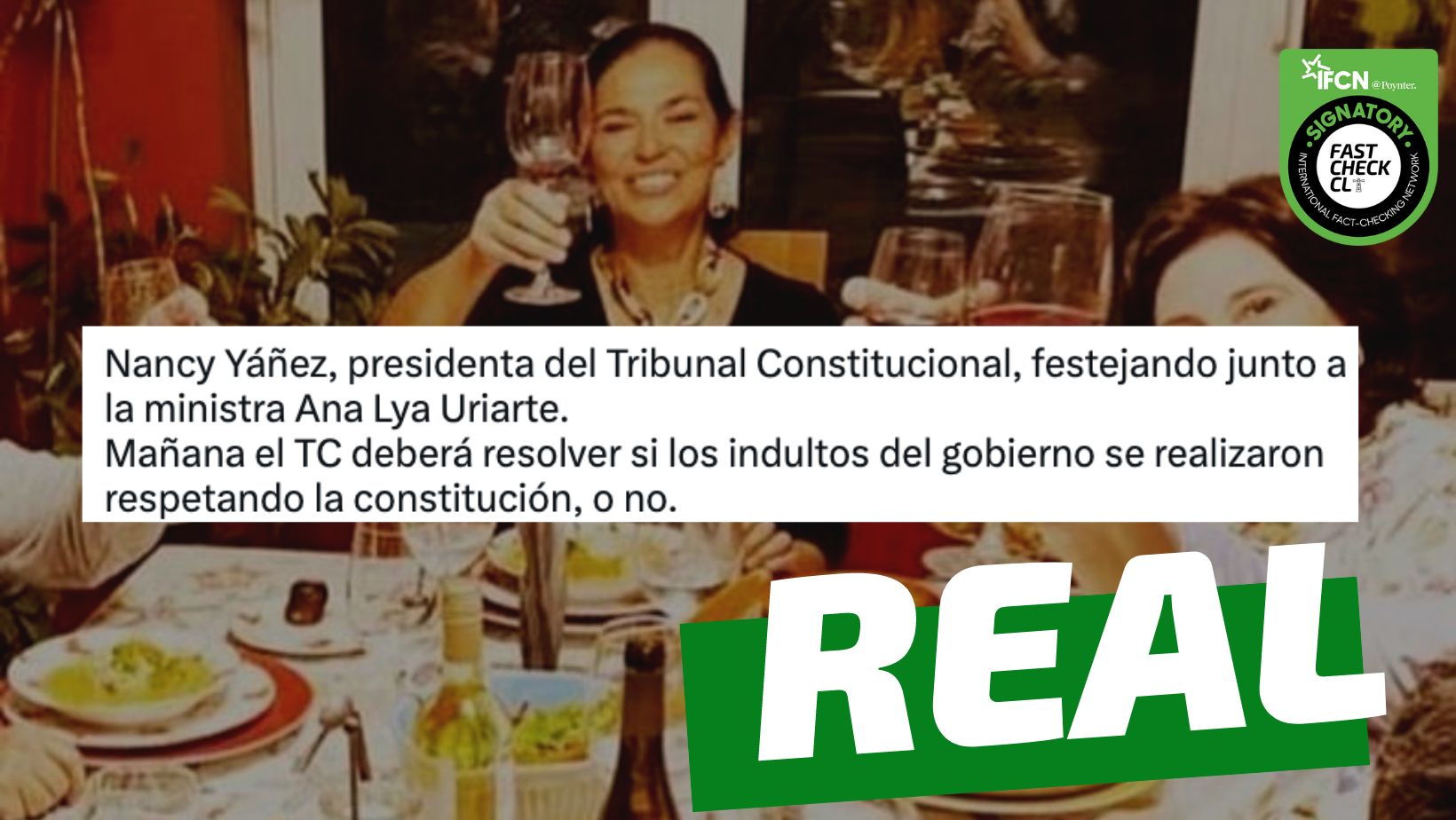
“Nancy Yáñez, presidenta del Tribunal Constitucional, festejando junto a la ministra Ana Lya Uriarte”
Publisher’s rating: Real

“Foi filmado dentro do Círculo Polar Ártico, logo entre a fronteira Canadá-Alasca-Rússia. Dura apenas alguns segundos, mas a vista espetacular é admirável. Esse fenômeno só pode ser observado uma vez por ano, durante 36 segundos. A lua aparece em toda a sua glória, depois desaparece novamente. Ela está tão perto que parece que vai bater no chão. Imediatamente depois, há um eclipse solar total de 5 segundos durante o qual tudo fica preto. Esse fenômeno só ocorre no perigeu (o ponto onde a lua está mais próxima da terra), e é aqui que a tremenda velocidade pode ser vista! Pode acreditar que vai valer o seu dia, e…contemplemos as maravilhas do Criador”
Publisher’s rating: Falso

A “vaxed” three-year-old boy died suddenly from a cardiac arrest.
Publisher’s rating: False: The implication is not founded in fact. Theo Emm would not have been allowed a Covid-19 vaccine as a three-year-old in the UK. He died after catching Strep A.

హిమాలయాల్లో 400 ఏళ్ళకు ఒకసారి వికసించే పగోడా/మహామేరు పువ్వు వీడియో
Publisher’s rating: FALSE

Video of the girl who was listed in the Guinness Book of World Records for depicting the Rubik’s cube mosaic of Sai Baba
Publisher’s rating: FALSE
The claim concerns a video of a girl making a Sai Baba portrait from Rubik’s cubes. Posts said the girl had entered the Guinness Book of World Records for the act and placed the creation at the Shri Sai Spiritual Centre in Tyagaraj Nagar, Bangalore. The review says that posts sharing the same video in 2021 named the girl as Aruna Sairam. Its central finding is that neither this mosaic nor a Guinness record under that name could be found. To check the claim, the review reports searching Guinness’s official website and social-media accounts for a record matching the Sai Baba mosaic, and checking the site’s listed Rubik’s-cube records. It says it found no such Sai Baba mosaic record and no Guinness entry for Aruna Sairam. The review contrasts this with a Guinness record for a rotating puzzle-cube mosaic depicting Prince Harry, in a different category; that example does not establish a record for the Sai Baba portrait. The article also distinguishes other achievements involving Sai Baba portraits. It reports that 15-year-old Shanat Dheepak Ram of Tamil Nadu earned a place in the Magic Book of Record for designing more than 20 portraits using 500 to 750 cubes. That is a different person and record book, and the review says it did not amount to the claimed Guinness recognition. The excerpt’s final sentence mistakenly says the mosaic “was listed” in Guinness, contradicting the article’s stated finding, the evidence it describes, and its claim that the post is false; that sentence appears inconsistent with the rest of the review.
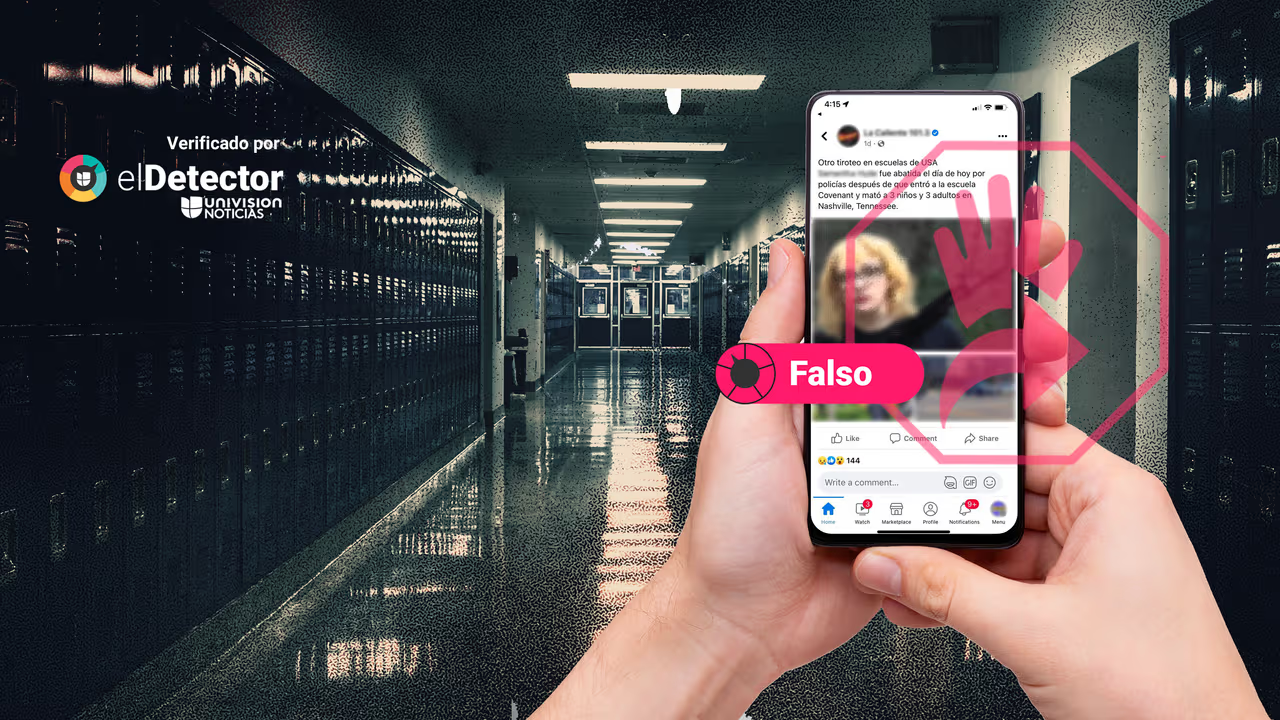
La persona responsable del tiroteo en la escuela primaria de Nashville se llama Samantha Hyde y es esa rubia con lentes que aparece en una foto posando con un arma en la mano.
Publisher’s rating: Falso

Fotoğrafın Süleyman Soylu’nun güncel halini gösterdiği iddiası
Publisher’s rating: Yanlış

Los inmigrantes con más de tres meses en Estados Unidos “cumplen” con los requisitos para obtener cupones para alimentos,
Publisher’s rating: Falso
இந்த அநாகரிகமான நபர் இந்திய இளைஞர் காங்கிரசின் தலைவராக உள்ளார். காதலியாக படுக்கையறையில் (डार्लिंग बना कर बेडरूम में) என ராகுல் காந்தியை அமேதியில் தோற்கடித்ததற்காக ஒரு பெண் அமைச்சரைக் குறிப்பிடும் போது இப்படி பேசுகிறார். விரக்தியடைந்த காங்கிரஸ் பொருத்தமற்ற பாதையில் சென்றுக் கொண்டிருக்கிறது.
Publisher’s rating: Fake

Silicon Valley Bank donated $73 Million to Black Lives Matter and Related Causes
Publisher’s rating: Missing context
“MINISTRO DA DEFESA E MINISTRO DA JUSTIÇA DANDO SHOW EM CHURRASCO, DEUS SALVE NOSSA NAÇÃO!”
Publisher’s rating: Falso

2050 నాటికి ప్రపంచమంతా హిందుత్వమయం – అమెరికా సర్వే సంస్థ ఇగ్నోయిస్
Publisher’s rating: FALSE
Ukrainische Soldaten bedrohen und beschießen Frau samt Kind bei Autokontrolle.
Publisher’s rating: Falsch. Das Video ist inszeniert und in russisch kontrolliertem Gebiet entstanden.

Faleceu Dona Ivanilda, patriota que foi presa e liberta, após 52 dias, portando uma arma que os demoníacos odeiam: a Bíblia Sagrada
Publisher’s rating: Falso
Where the data comes from
Fact checks come from Data Commons and link to the organizations that published them.
What you’ll find
Each result links to the original fact check. Open it to read the publisher’s findings, with summaries and supporting sources where available.
Report an error
To report an error, send the page URL and supporting evidence.