PeakMetrics / Fact Checks
Has this been
fact-checked?
Paste a claim or upload an image to find existing fact checks. See what fact-checkers found and read the evidence before you share.
Search fact checks ↓API & integrations ↗Browse by topic
Explore fact checks by subject.
Search fact checks
Search by text or imageLatest fact checks
98,230 published reviews
அடக்கொடுமையே….!! காதால் கேட்பதும் பொய் ! பத்திரிக்கைகள் பரப்புவதும் பொய் ! கண்ணால் பார்ப்பதே மெய் !!
Publisher’s rating: False

Vídeo narrado por um homem que mostra uma plantação de mudas de maconha. A legenda da publicação afirma que a roça seria do Movimento dos Trabalhadores Rurais Sem Terra (MST) e que a organização, além de não ter CNPJ, seria uma instituição do PT.
Publisher’s rating: Enganoso
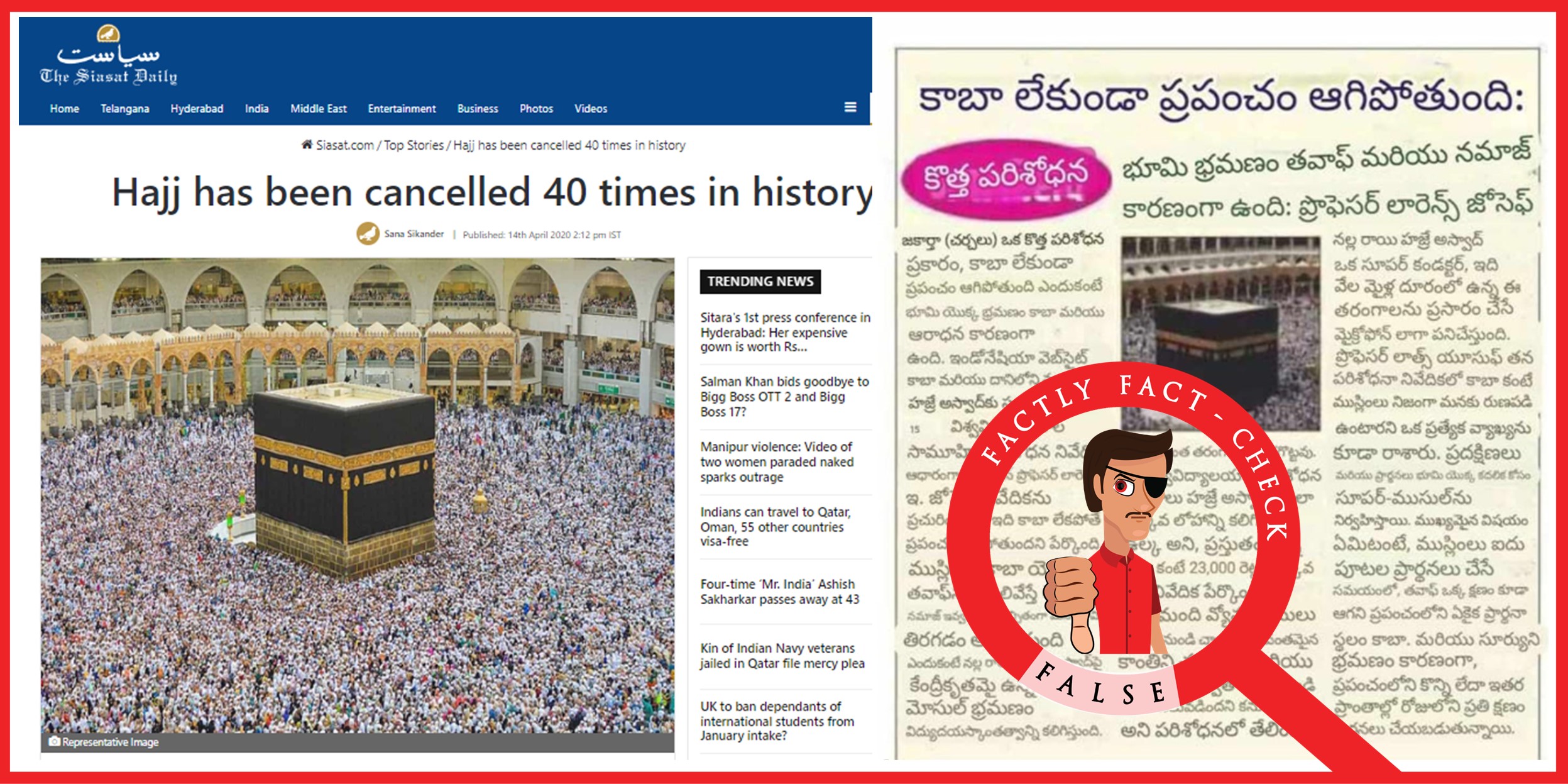
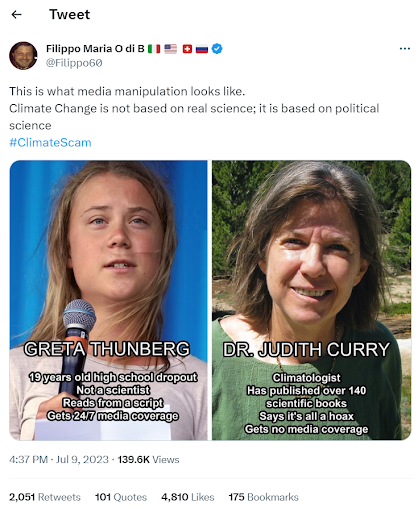
Climate change is not based on real science, it is now an agenda used by activists to gain popularity and it is driven on political influence.
Publisher’s rating: False
This video shows protest against Manipur sexual assault incident
Publisher’s rating: FALSE
மணிப்பூர் பெண்கள் வன்கொடுமை வழக்கில் மொத்தம் 4 பேர் கைது செய்யப்பட்டுள்ளதாக காவல்துறையினர் தகவல் பெண்கள் வன்கொடுமை செய்யப்பட்ட வழக்கில் இன்று காலை ஒருவர் கைதான நிலையில் தற்போது மேலும் மூவர் கைது; மக்கள் புரட்சிகர கட்சியை சேர்ந்த அப்துல் ஹிலிம் என்பவரை கிழக்கு இம்பால் காவல்துறையினர் கைது செய்தனர்..
Publisher’s rating: Misleading


Cientista política norueguesa Frida Ruzzo fala sobre a fr@ude eIeit0raI ocorrida no Brasil em 2022...
Publisher’s rating: Falso
درستیسنجی سه ادعای منتشر شده در سایت انصافنیوز درباره مهاجران افغانستانی
Publisher’s rating: بررسیهای فکتنامه نشان میدهد دستکم بخشی از ادعاهای مطرح شده در قالب فکتهای کلیدی، به شدت اغراقشده و فاقد مبنای منطقیاند.
Minderjährige können ohne Einverständnis der Eltern ihren Geschlechtseintrag ändern. Wehren sich die Eltern dagegen, kann ihnen das Sorgerecht entzogen werden. Wer eine Person mit dem falschen Geschlecht anspricht, muss 10 000 Euro Strafe zahlen.
Publisher’s rating: Die Änderung des Geschlechtseintrags bei Minderjährigen geschieht nur mit Zustimmung der Eltern. Ausnahmen kann es nur geben, wenn Eltern mit ihrer Haltung das Kindeswohl gefährden. Eine Ansprache mit der falschen Namens- oder Geschlechtsnennung soll nur dann zu einem Bußgeld führen, wenn dies wiederholt und vorsätzlich passiert.
The claim concerns Germany’s proposed Self-Determination Act, and makes three assertions about minors, parental custody and a €10,000 penalty for addressing someone by a former name. The review says the draft required parental involvement: for children under 14, parents would submit the change; young people aged 14 and older could make the declaration themselves, but needed their guardians’ consent. If guardians refused after adequate counselling, a family court could potentially substitute its consent. The article describes loss of custody as one possible measure where a court found a child’s welfare endangered—not an automatic consequence of parental opposition. (S1) The review distinguishes that scenario from the proposed fine. It says the draft’s fine of up to €10,000 concerned violating the disclosure prohibition: revealing or seeking out someone’s former gender entry without that person’s consent. It does not say that simply using a former name triggered that fine. Separately, the article says repeated, intentional and particularly intense conduct might constitute bullying and could, for example, fall under the criminal offence of insult. (S1) The article describes the measure as a draft that still had to be approved by the federal cabinet and pass through the Bundestag before it could take effect. Its account therefore concerns what the proposal provided, rather than an already operative law. (S1)

Videonun 7 yıl sonra bakıcılarıyla karşılaşan aslanları gösterdiği iddiası
Publisher’s rating: Yanlış
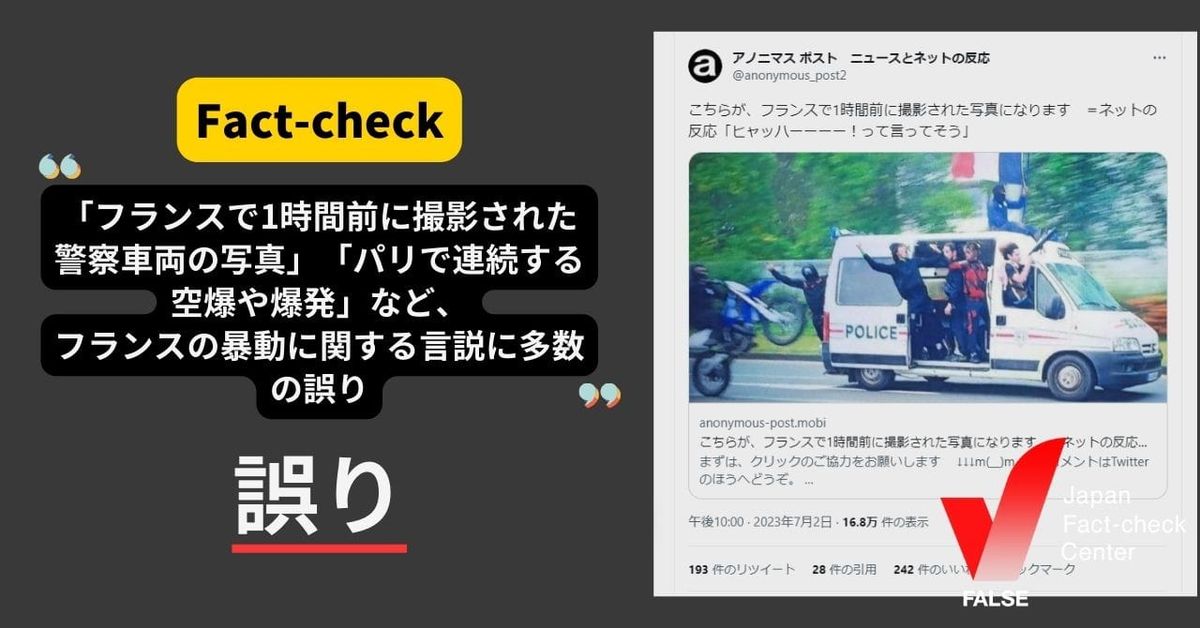
注目の集まる出来事では多くの偽情報が拡散するフランス暴動
Publisher’s rating: 誤り
The review examines six viral claims associated with the French riots that followed the fatal shooting of a 17-year-old. It finds that the examples included repurposed film and older footage, content filmed outside France, and an unsubstantiated claim about a church fire.
Video of park rangers in Death Valley wearing jackets in extreme heat is an evidence that climate change is a hoax
Publisher’s rating: FALSE

Betway Ohio is giving new users a bet $20 get $40 bonus bet.
Publisher’s rating: Fact check by BetOhio: True
इडली का सेवन रक्तचाप नियंत्रण में सहायक है
Publisher’s rating: Missing context

ජවිපෙ සභිකයින් විසින් සිදු කළ ප්රකාශ බවට හඟවමින් පළ වූ අසත්ය සටහන් පෙළක්!
Publisher’s rating: False
“Em 2005 — foi a vontade da maioria —, [os brasileiros] disseram ‘sim’ ao porte e à posse de arma de fogo”
Publisher’s rating: Falso
Where the data comes from
Fact checks come from Data Commons and link to the organizations that published them.
What you’ll find
Each result links to the original fact check. Open it to read the publisher’s findings, with summaries and supporting sources where available.
Report an error
To report an error, send the page URL and supporting evidence.