PeakMetrics / Fact Checks
Has this been
fact-checked?
Paste a claim or upload an image to find existing fact checks. See what fact-checkers found and read the evidence before you share.
Search fact checks ↓API & integrations ↗Browse by topic
Explore fact checks by subject.
Search fact checks
Search by text or imageLatest fact checks
98,230 published reviews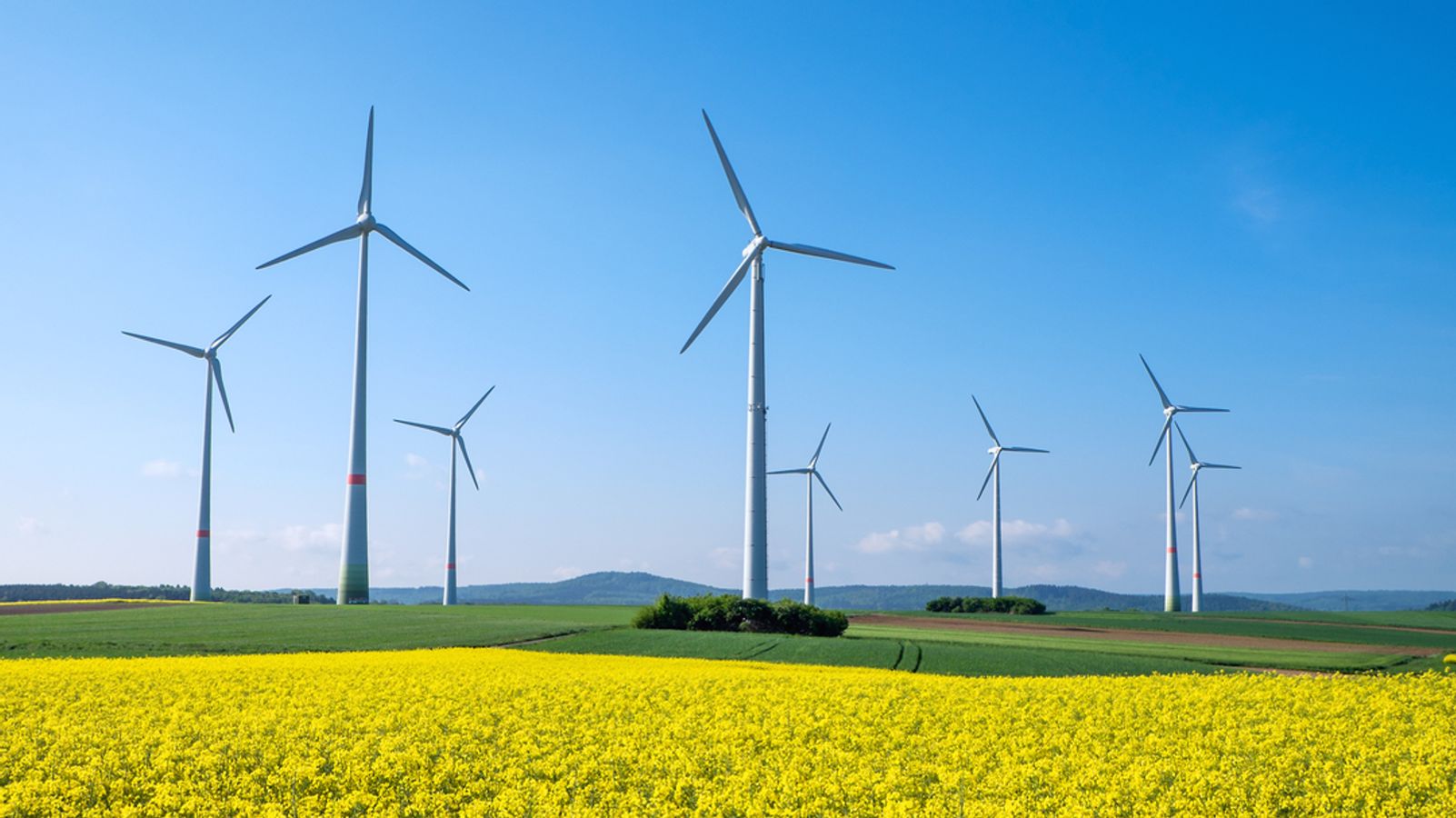
"Windräder scheinen das Klima signifikant zu erwärmen. Zahlreiche Studien kommen jedenfalls zu dem Ergebnis, dass es in der Umgebung von Windkraft-Anlagen zu weniger Niederschlag kommt, insgesamt eine höhere Temperatur entsteht und folglich das Risiko von Dürren steigt."
Publisher’s rating: Das ist falsch. Windräder können es örtlich begrenzt ganz leicht wärmer werden lassen - aber nur unter bestimmten Bedingungen. Windkraftanlagen verändern das Klima nicht und sie lösen auch keine Dürren aus.


Abdul Khan, Main accused of Manipur case arrested by Manipur police
Publisher’s rating: Misleading

Vai ser cara de pau assim lá longe. Não sabia que no Sírio Libanês atendia pelo SUS
Publisher’s rating: Falso
Damaged Pfizer plant in North Carolina was‘full of COVID-19 vaccines’
Publisher’s rating: FALSE
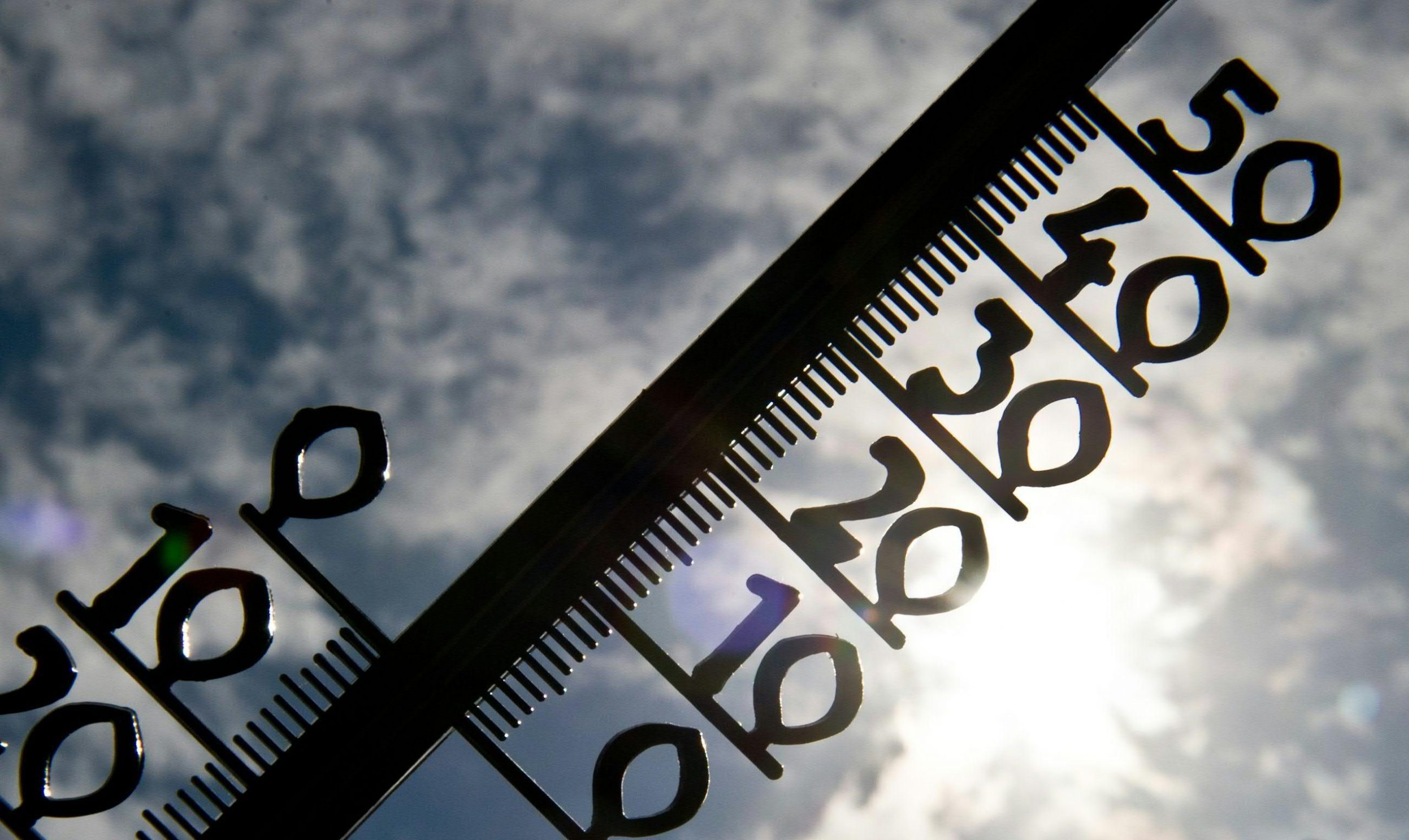
die Klimakrise ist erfunden und alte Zeitungsartikel zeigen, dass das Klima schon lange so warm ist
Publisher’s rating: Die Behauptung in dem weitverbreiteten Facebook-Posting ist falsch. Der Klimawandel ist Wissenschaftlern schon seit Jahrhunderten ein Begriff, auch wenn die Gefahr, die er birgt, erst in der jüngeren Vergangenheit deutlich wurde. Auch die Behauptung, dass es am 8. August 1975 in Deutschland 40 Grad Celsius hatte, stimmt nicht. Bei der „Bild“-Schlagzeile handelt es sich lediglich um eine Prognose, die nachweislich nicht erfüllt wurde.
The Facebook post invoked an old Bild headline to argue that the climate crisis is invented and that temperatures in Germany were already as high as 40°C in 1975. The APA review separates those points: it describes the headline as a warning about possible extreme heat, rather than a report that the temperature had actually reached 40°C. It says no location in Germany recorded that temperature during the summer of 1975, and that the forecast did not come true. The review also places the history of climate science well before the post’s use of the newspaper clipping. It traces scientific work on the greenhouse effect to Joseph Fourier in 1824, Eunice Foote in 1856, and John Tyndall in the 1860s. It says research and public discussion developed over time, while distinguishing scientists’ awareness from broader public awareness: the expression “climate change” and public awareness were sharpened later, but earlier public discussion also took place. The review’s evidence therefore does not support the post’s inference from an old headline to a fabricated crisis. Its account is that the headline was a forecast, not an observed temperature record, and that scientific investigation of climate change long predated the clipping. The review also notes that the highest German temperature it identifies was 41.2°C, measured in Duisburg and Tönisvorst near Krefeld on July 25, 2019.
“Os cinco estados mais desarmados do Brasil são justamente os cinco mais violentos”
Publisher’s rating: Falso
برخلاف ایران، توهین به پرچم در آمریکا، آلمان، فرانسه و بسیاری کشورهای اروپایی مجازات حبس و جریمه نقدی دارد.
Publisher’s rating: گمراهکننده

World Economic Forum Mandated That Humans Must Eat Faeces And Drink Urine To Fight Climate Change !
Publisher’s rating: False
“Os cinco estados mais armados do Brasil têm apenas 9% de homicídios”
Publisher’s rating: Verdadeiro, mas...


Betway is licensed in Ohio and regulated by the Ohio Casino Control Commission.
Publisher’s rating: Fact check by BetOhio: True
Each voter is required to give thumbprint so that a voter making a ballot invalid can be identified later.
Publisher’s rating: False
एक्यूप्रेशर द्वारा मधुमेह को ठीक किया जा सकता है
Publisher’s rating: Mostly False
Where the data comes from
Fact checks come from Data Commons and link to the organizations that published them.
What you’ll find
Each result links to the original fact check. Open it to read the publisher’s findings, with summaries and supporting sources where available.
Report an error
To report an error, send the page URL and supporting evidence.