PeakMetrics / Fact Checks
Science & space fact checks
Explore claims publishers have checked about science & space. Read their original ratings and follow the evidence.
Search fact checks
Search by text or image1,577 published reviews in this topic

ផ្កាយរណបមួយរបស់ទីភ្នាក់ងារអវកាសអាមេរិកនឹងធ្លាក់លើឧបទ្វីបកូរ៉េនៅរសៀលថ្ងៃអង្គារនេះ។
Publisher’s rating: Misleading
Grant Shapps was the only politician with Virgin Orbit chief executive Dan Hart and a colleague while standing in front of the LauncherOne vehicle at the spaceport at Newquay Airport in Cornwall.
Publisher’s rating: False: This meeting did not happen as depicted in the image. The then-Prime Minister Boris Johnson was stood between Mr Hart and Mr Shapps, as shown in this image on the official Number 10 Flickr account which was taken on June 9, 2021.

These pictures show real giants skeletons found in Naples in 1938.
Publisher’s rating: Les photos sont réelles, mais pas les ossements. Il s’agit d’objets mis en scène lors d’une exposition d’art contemporain, les ossatures sont factices.

Exista un proyecto desarrollado por científicos llamado EctoLife, que sería el primer útero artificial capaz de “cultivar hasta 30,000 bebés al año”.
Publisher’s rating: Falso
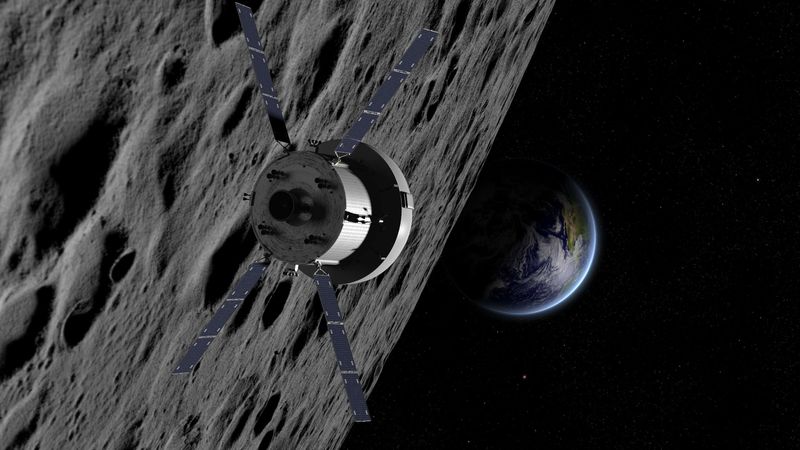
Dit zijn archiefbeelden van Kubrick, hij schreef er een brief bij waarin hij bekent te hebben meegewerkt aan het faken van de maanlandingen.
Publisher’s rating: De bewering is fout. Het merendeel van de beelden komt uit behind-the-scenes-video’s voor de film First Man uit 2018. Stanley Kubrick had hier niets mee te maken, hij was toen al jaren overleden. De andere twee clips in de video laten echte astronauten op de maan zien. Er is geen enkel bewijs dat Kubrick betrokken was bij deze video’s, er is ook nergens een brief te vinden waarin hij dat zegt. De eerste maanlanding vond wel degelijk plaats op 21 juli 1969.
The claim concerned a Facebook video said to show newly surfaced archive footage of Stanley Kubrick, accompanied by a letter in which he supposedly admitted helping stage the Moon landings. The review examined the video’s contents and the alleged letter. It found that the opening footage was not Kubrick archive material: the first 25 seconds show behind-the-scenes filming for the 2018 feature film *First Man*, directed by Damien Chazelle and starring Ryan Gosling as Neil Armstrong. The review traced these scenes to videos available on YouTube and distinguished them from the final two clips. Those later clips show actual astronauts on the Moon, including Charles Duke during the Apollo 16 mission. Thus, the compilation mixes film-production footage with real lunar-mission footage; neither type establishes that Kubrick filmed or staged the landings. The review also notes that Kubrick died in 1999, before the video was circulated. On the alleged letter, the review reports no evidence that it exists. It says that a list of Kubrick’s letters was published by *The Telegraph* in 2008 and that the list contains no reference to NASA or a possible collaboration. The review’s conclusion is that the video’s footage and the purported confession do not support the claim: the supposed archive scenes have a documented film-production source, while the claimed letter is unsupported.

ඇන්ටාක්ටිකාව අයිස්වලින් වැසි ඇති ආකාරය අභ්යවකාශයට පෙනෙන අයුරු ද?( PHOTO)
Publisher’s rating: Misleading
The review investigated a social-media image presented as a view of Antarctica from space, apparently showing the region almost entirely covered by ice. It reports that the image is not a photograph taken from space: it is a computer-generated illustration based on satellite data, published by NASA’s Scientific Visualization Studio. The review identifies NASA software engineer Cindy Starr as its creator and says NASA added it to the site in 2007. It also says the image was cropped and rotated before spreading on social media.


The Mysterious Red Glow Displayed Over The Pacific Ocean !!
Publisher’s rating: Explainer
The review investigates social-media posts claiming that images showed a mysterious red glow over the Pacific Ocean captured by a pilot. It identifies the pilot as American pilot Dustin Maggard, who took the photographs on July 16, 2022, while flying over the Pacific at 31,000 feet. The review says the images had prompted claims of supernatural phenomena or secret military exercises, and that mainstream media had reported on the incident in July 2022. To investigate, the publisher says it used keyword searches and a reverse-image search to find the incident behind the photos. It then reports meteorologist and weather-modelling expert Niel Jacob’s explanation: the lights came from commercial fishing vessels using bright red LED arrays to catch Pacific saury. According to the review, Jacob checked the flight’s location and date and found fishing vessels around the location where the lights were seen. It also notes that the footage appeared to show one vessel turning on its red lights. The investigation therefore presents the glow as fishing-boat lighting rather than evidence of a mysterious or supernatural event. Its account relies on Jacob’s location-and-date comparison and interpretation of the footage; the supplied excerpt does not describe independent analysis by the publisher beyond its searches or provide additional technical verification.

Görseldeki Dünyanın En Küçük Kuşu Olan 'Arı Sinek Kuşu' mu?
Publisher’s rating: Yanlış
កន្លែងបង្កើតស្បូនសិប្បនិម្មិតដំបូងគេលើលោក អាចបង្កើតទារកដល់ ៣ម៉ឺននាក់ក្នុងមួយឆ្នាំ!
Publisher’s rating: Missing Context

Prof. Neena Gupta is the only Indian Woman to have won the Ramanujan Award
Publisher’s rating: MISLEADING

మహారాష్ట్రలోని ఒక పొలంలో బోర్ వేస్తే అందులో నుండి పాలు బయటికి వచ్చిన దృశ్యాలు
Publisher’s rating: MISLEADING

Video muestra ovni sobre el volcán Villarrica, en Chile, el 26 de noviembre de 2022.
Publisher’s rating: Falso
The claim concerned two Facebook videos said to show an unidentified flying object above Villarrica volcano in Chile on November 26, 2022. The review says it examined the videos being shared with that claim and contacted volcanologist Simon Carn, a Michigan Tech professor and researcher, after finding his compiled examples of volcanic gas rings. Carn told the reviewers: “Esos videos definitivamente muestran anillos de gas volcánico emitidos por Villarrica”. The review explains that these visible rings can form when small explosions emit gas through a crater or another circular opening. Carn described them as occurring when volcanic gases, mostly water vapor, are rapidly expelled and the vapor condenses into visible rings. The review also says Villarrica is a basaltic volcano, a type Carn associated with conditions that allow volcanic gases to escape readily. The timing is supported by reporting about the volcano itself, not just by an interpretation of the videos. The review cites a Smithsonian Global Volcanism Program report noting minor gas and vapor emissions on November 24 and a circular emission identified as a vortex ring. It also reports that the Villarrica Internet Observation Project (POVI) shared an image of a vortex ring captured that day, and that its director, Werner Keller, said such rings were seen frequently at Villarrica during the week of November 24. Together, the expert assessment of the claimed videos and the contemporaneous reports of volcanic rings support the review’s conclusion that the footage showed a volcanic phenomenon rather than an unidentified object.

Foto's tonen ruïnes van oude beschaving op Antarctica.
Publisher’s rating: De beelden zijn niet afkomstig van de expeditie onder leiding van Robert Scott naar Antarctica in 1912. Ze zijn gemaakt met behulp van artificiële intelligentie.
The claim concerns images presented as photographs of ruins, statues and pyramids in Antarctica, supposedly taken by Robert Scott’s expedition in 1912 and showing the remains of an ancient civilization. The review examines those images as they appeared in a social-media video and says the same images were available in a YouTube video said to show them as Scott’s 1912 photographs. Its investigation checks both whether they fit the expedition’s photographic record and whether details in the images look authentic. The review reports that photographs from Scott’s expedition are held by the Scott Polar Research Institute at the University of Cambridge. The institute told dpa that it did not recognize the images, and the ruins and pyramids do not appear in the institute’s photo catalogue. The video also shows what appear to be multiple different ships. The review compares them with the Terra Nova, which it identifies as the expedition’s single ship and describes as having three masts and a funnel. The vessels in the video do not match that description; the review also notes visual inconsistencies in their hulls, masts and sails. The review further points to defects within the images: implausible shadows, failed attempts to render readable text, and people whose faces or proportions appear unnatural. It says these inconsistencies are characteristic of images generated by artificial intelligence, and identifies Dall-E as an example of a program that generates images from text descriptions. Taken together, the archive check, mismatch with the expedition’s ship, and image defects address the specific claim that these are authentic photographs from Scott’s Antarctic expedition.

Deze video toont de techniek hoe baby's kunstmatig in een laboratorium worden gemaakt. Dit is niet nieuw, dit gebeurt al heel lang.
Publisher’s rating: De video is een "concept-video" van Hashem Al-Ghaili, een wetenschapscommunicator en filmmaker. In de korte EctoLife-film visualiseert hij het idee om op kunstmatige wijze het leven te wekken. Dit heeft weinig met de werkelijkheid te maken: vandaag de dag worden geen baby’s kunstmatig gegroeid en zullen eerst nog heel wat ethische drempels genomen moeten worden, wil dit in de toekomst ooit werkelijkheid worden.
The claim concerns a viral video presented as showing that babies are already being grown in artificial wombs. The review identifies it as the EctoLife video and traces the original to Hashem Al-Ghaili’s YouTube channel. It says Al-Ghaili describes EctoLife as a concept, not an existing facility or company, and characterizes the film as a thought experiment rather than documentation of an operating technology. [S1: “De originele video is terug te vinden op het Youtube-kanaal van Hashem Al-Ghaili, een wetenschapscommunicator en filmmaker.”; “Al Ghaili spreekt zelf van zijn \"EctoLife concept\". EctoLife bestaat dus niet, is geen echt bedrijf en er groeien momenteel nergens baby’s in kunstmatige baarmoeders.”] The review’s central distinction is between an imagined full pregnancy outside the body and limited embryo research. It reports that researchers still know little about the earliest weeks of embryo development and have not replicated an entire human pregnancy. It also states that no one had managed to keep a human embryo alive outside the body for more than a week. Those limits contradict the implication that the video depicts a technique already in use to grow babies. [S1: “Momenteel weten wetenschappers nog vrij weinig over de ontwikkeling van de eerste weken van een embryo, laat staan dat ze een heel zwangerschapsproces kunnen nabootsen.”; “Tot nu toe is het niemand gelukt een menselijk embryo buiten het lichaam langer dan een week in leven te houden.”] The review also explains why the subject is being discussed: the 14-day limit on embryo development and research has been debated, and the International Society for Stem Cell Research changed its guidance in 2021. But the review notes that many countries still retained a 14-day legal limit and that, as of its stated status date, the limit had not been lifted in the Netherlands. A discussion about research rules or possible future science is not evidence that artificial wombs are currently growing babies. The review says Al-Ghaili himself acknowledged legal restrictions made his idea impossible to implement at that time. [S1: “In 2021 liet de International Society for Stem Cell Research (ISSCR) de richtlijn vallen.”; “De 14-dagen-grens is nu nog niet opgeschort.”; “Op social media schrijft ook Al-Ghaili dat zijn idee momenteel onmogelijk omgezet kan worden door de wettelijke restricties die gelden voor onderzoek naar embryo’s.”]
អ្នកវិទ្យាសាស្ត្ររកឃើញមេរោគ Zombie ដែលកប់ក្នុងផ្ទាំងទឹកកកកាលពី ៤៨,៥០០ឆ្នាំមុន។ ការរកឃើញនេះ កំពុងស្ថិតក្នុងការស្រាវជ្រាវបន្ថែម។
Publisher’s rating: Misleading
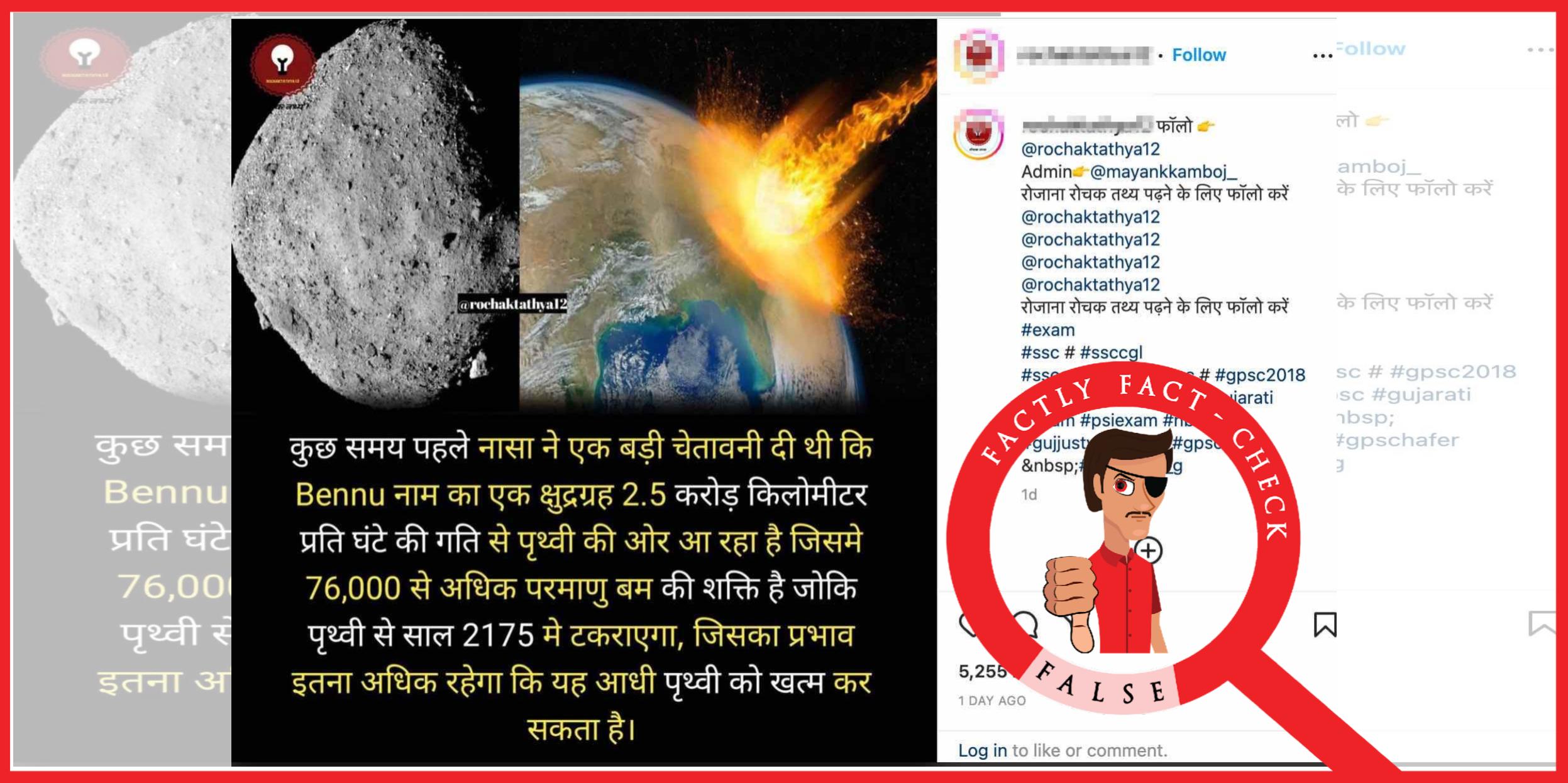
An asteroid known as Bennu will collide with the Earth in the year 2175
Publisher’s rating: MISLEADING
The claim under review says asteroid Bennu will collide with Earth in 2175. The review distinguishes a possible impact window from a definite collision in that particular year: it reports that NASA described a small chance of impact late in the next century, with the relevant interval spanning 2175–2199. To check the claim, the review says it searched online for details about Bennu and found a NASA article titled “Ten Things to Know About Bennu.” It quotes NASA describing a “small chance” of impact and gives the stated probability for the 2175–2199 interval as 1 in 2700. The review says NASA did not state that Bennu would collide with Earth in 2175. That evidence does not establish a scheduled or certain collision in 2175. Rather, it describes a low-probability possibility across a 25-year period. The post’s wording turns that possibility into a definite event and narrows the time to one year, claims the review says are not supported by NASA’s account.