PeakMetrics / Fact Checks
Religion & belief fact checks
Explore claims publishers have checked about religion & belief. Read their original ratings and follow the evidence.
Search fact checks
Search by text or image3,371 published reviews in this topic

ఇండోనేషియాలో గరుడపక్షి ఆకారంలో వున్న శ్రీ వేంకటేశ్వరస్వామివారి దేవస్థానం ఫోటో
Publisher’s rating: MISLEADING

Visuals of 1 lakh people converting to Buddhism at an event held in Jaipur on 16 October 2022
Publisher’s rating: FALSE
The claim concerns crowd images presented as showing 1 lakh people converting to Buddhism at an event in Jaipur on 16 October 2022. FACTLY reports that its search for national and local media coverage found no reports of such a Jaipur event. It also describes checking the images themselves through reverse image search, rather than relying only on the absence of news coverage. [S1: “In the first place, we searched for the media reports about this mass conversion event but couldn’t find any such report either by national or local media. We then did a reverse image search of the images shared in the viral post”] The image search led FACTLY to a post by Prabuddh Bharat, which the review identifies as the source of the same images. That post described a Dhamma Mela organized by the Indian Buddhist Mahasabha in Pimpri-Chinchwad, near Pune, on 15 October 2022. This places the visuals at a different event and location from the one claimed. [S1: “found that the same images were shared in a twitter post by official twitter account of ‘Prabuddh Bharat’”] [S1: “these images belong to ‘Dhamma Mela’ organised by Indian Buddhist Mahasabha on the occasion of 66th Dhamma chakra Pravartan Day that concluded on 15 October 2022 at Pimpri-chinchwad near Pune, Maharashtra.”] FACTLY notes that people did accept Buddhism at the Maharashtra occasion, but distinguishes that from the alleged Jaipur mass-conversion event. Its stated conclusion is that the images show the Maharashtra gathering, not a reported Jaipur event on 16 October. [S1: “Though several Buddhist conversions are reported on this occasion, no such event was held in Jaipur recently.”]
ព្រះសង្ឃ ប៊ុត ប៊ុនតិញ ធ្លាក់ខ្លួនដឹកសម្ភារៈតាមកង់ដើរលក់តាមភូមិ។
Publisher’s rating: Altered Image

நாங்கள் வேசி மகன்கள் அல்ல! சூத்திர பட்டத்தை சுமந்து கொண்டு, பார்ப்பனர்களின் வேசி மகன்களாக இருப்பதில் எங்களுக்கு விருப்பம் இல்லை. டெல்லியில் 10,000 இந்துக்கள் புத்த மதத்திற்கு மாறியதைத் தொடர்ந்து, நேற்று உத்திரபிரதேசத்திலும் பௌத்த மதத்திற்க்கு மாறிய பல்லாயிரக் கணக்கான இந்துக்கள். எப்போதும் இல்லாதவாறு, BC/MBC பிரிவு இந்துக்கள் புத்தமதம் நோக்கிச் செல்வது பேசு பொருளாக மாறியுள்ளது.
Publisher’s rating: Fake

Visuals of Muslims attacking Hindus in Birmingham, UK after setting fire to a Hindu Temple
Publisher’s rating: FALSE
Friends are very surprised how many messes are being made This is the Jumma Pali Mosque located in the Ramanathapuram district of Tamil Nadu, which is known for its beauty. Seeing its internal structure, do not you think that this building must have been a temple, which was later given the form of a mosque?
Publisher’s rating: Fake
How long will a Hindu beat for celebrating his Teej-festival in #अपने_ही_देश ? For the first time in the history of Bilaspur such cruelty.. Attack on the Hindus going to immerse Maa Durga from the road of Bilaspur Sadar Bazar with sword sticks, rods, rods Attack on the idol of Maa Durga, stone pelting on Hindus
Publisher’s rating: Fake

Ananathapura lake temple releases a circular quashing the rumours circulating regarding the death of the temple’s crocodile ‘Babiya.’
Publisher’s rating: MISLEADING
The claim concerns a notice from the Ananathapura lake temple saying that rumours about Babiya’s death were false. The investigation found that the notice was authentic, but it was not a new response to the crocodile’s death in 2022: the temple had posted it in 2019, during an earlier wave of false rumours. The article identifies the viral post as presenting that older clarification as recent.
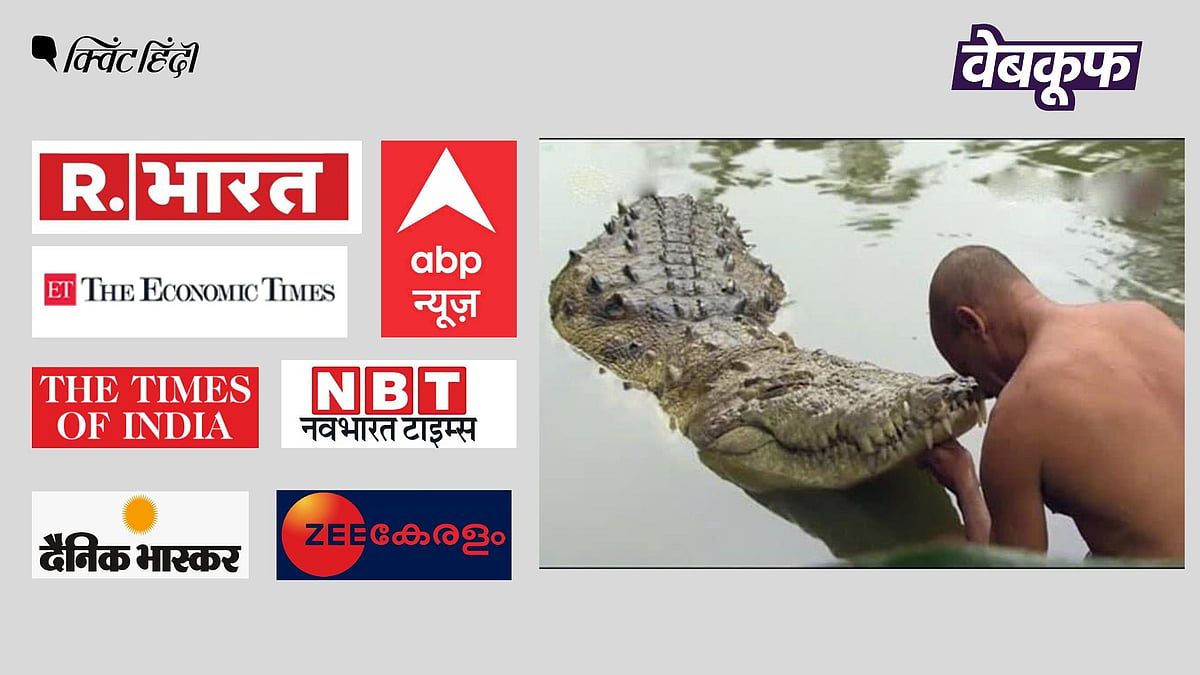
स्वामी पद्मनाभ मंदिर की क्रोकोडाइल बबिया की फोटो
Publisher’s rating: FALSE
হযরত মুহাম্মদ (সা.) এর জন্মদিন উপলক্ষে সৌদি আরবের সমুদ্র পথে স্পিডবোট প্রদর্শনী
Publisher’s rating: False
Babiya, the god’s own crocodile of Sri Anantapura Lake temple has reached Vishnu Padam. The divine crocodile lived in the temple’s lake for over 70years by eating the rice & jaggery prasadam of Sri Ananthapadmanabha Swamy & guarded the temple. May she attain Sadgati, Om Shanti!
Publisher’s rating: Misleading

“La ONU declara que sus principios y declaraciones sirvan como religión mundial para tomar el dominio de la humanidad. En su proyecto ID 2020, dicen que es obligatorio acorralar a los cristianos para dividir sus creencias y fe".
Publisher’s rating: Falso
The claim attributes two intentions to the United Nations: turning its principles and declarations into a world religion to dominate humanity, and using ID2020 to require that Christians be rounded up and their beliefs divided. The review says it checked a message circulating on WhatsApp and social media, including the wording submitted to its WhatsApp chatbot. It found that the message misrepresented the purpose of ID2020 and the UN’s position on religious freedom. To check the ID2020 allegation, the reviewers searched Google for “ID2020 ONU” and consulted the alliance’s official website and its manifesto, which they say was prepared in 2018 with the UN Refugee Agency. They report finding no reference there to the Church, Christians, or religious beliefs. Instead, the manifesto describes identity verification as a fundamental human right and notes that many people lack recognized proof of identity. The review says the project focuses on a global digital identification system, linking it to the UN Sustainable Development Goal of providing legal identity for all by 2030. The review also searched the UN’s Spanish-language news site for a declaration against Christians. It found none, and points to Article 18 of the 1948 Universal Declaration of Human Rights, which protects freedom of thought, conscience, and religion, including the freedom to change or manifest one’s religion or belief. The evidence presented therefore contradicts the message’s portrayal of ID2020 and the UN’s stated religious-freedom position; it does not support the claim that the UN declared itself an enemy of the Church.
Lula ataca padres, pastores e as igrejas... de novo! Fim das igrejas. Vote 13
Publisher’s rating: Falso
இங்கிலாந்தின் பர்மிங்காம் கோவில் முஸ்லிம்களால் எரிக்கப்பட்டது. இந்துக்கள் தாக்கப்பட்டனர். இங்கிலாந்து காவல்துறை செயலற்றது. இந்தியாவில் மதவெறி தொடர்ந்தால், சகிப்புத்தன்மையுள்ள இந்துக்கள் என்று அழைக்கப்படும் நாம், இதுபோன்ற கொடூரமான சம்பவங்களை நம் கண்முன்னால் பார்க்க நம் கண்களில் இருந்து ரத்தம் வழிய வேண்டும். வலிமையான இந்துக்களாக இருக்க உறுதியான நிலைப்பாட்டை எடுக்க வேண்டிய தருணம் இது!
Publisher’s rating: Fake

ATENÇÃO! LULA ACABA DE DECLARAR QUE IRA FECHAR IGREJAS EM 2023, ISSO É MUITO SERIO IGREJA.
Publisher’s rating: Falso