PeakMetrics / Fact Checks
Religion & belief fact checks
Explore claims publishers have checked about religion & belief. Read their original ratings and follow the evidence.
Search fact checks
Search by text or image3,371 published reviews in this topic
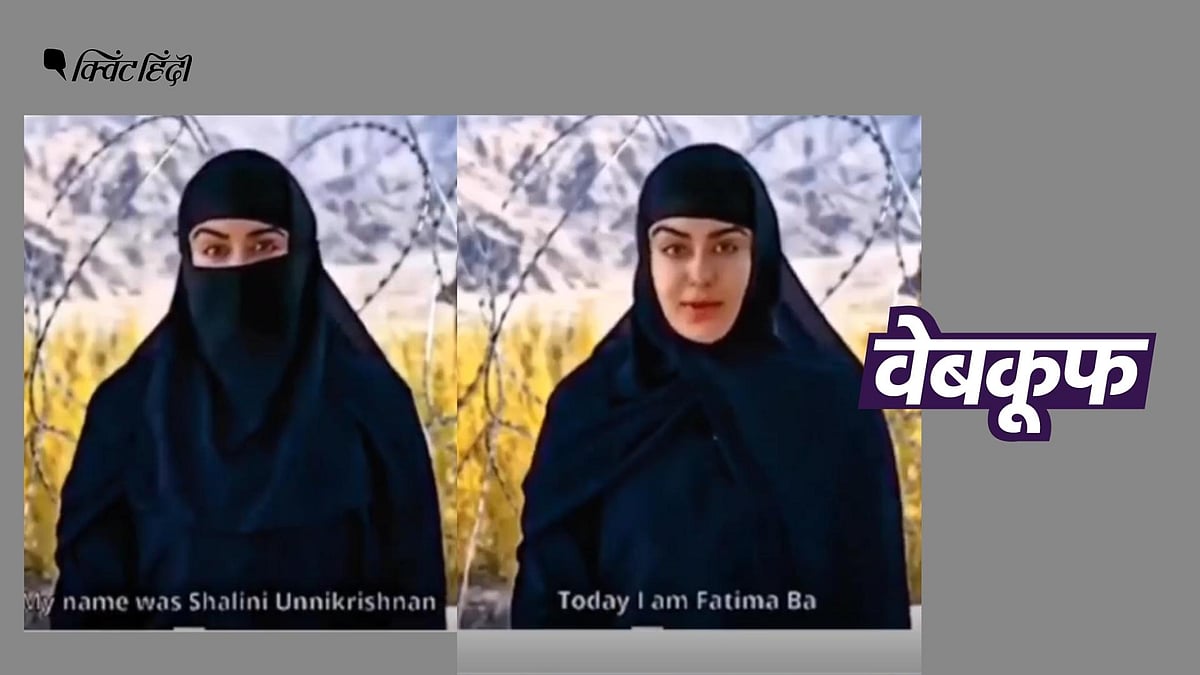
केरल में धर्म परिवर्तन का शिकार हुई लड़की का है वायरल वीडियो
Publisher’s rating: FALSE
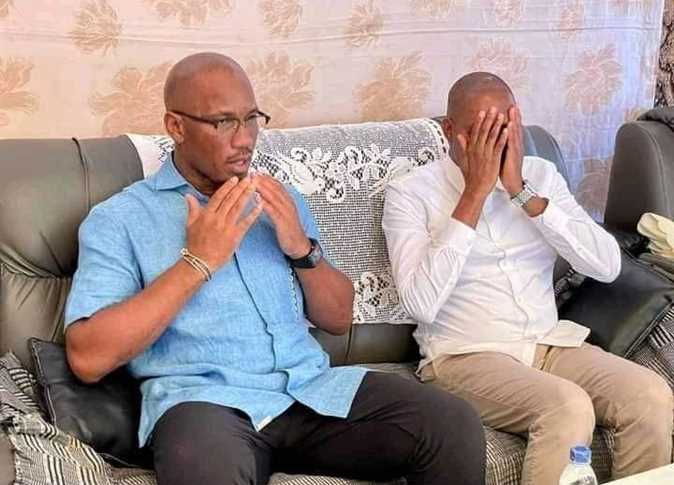

MENSAGEM URGENTE DE DIVALDO FRANCO: “O Brasil corre risco pois os espíritos de luz estão com dificuldades para nos ajudar”.
Publisher’s rating: Falso

Chega de dar poder a pastores, padres e diversos crentes para usara bíblia para ofender e criminalizar práticas naturais como uso de maconha, e relações homoafetivas. Só há um jeito, banir a bíblia de todo território nacional" Jean Wyllys Provável Ministro da Educação para 2023
Publisher’s rating: Falso

హిందూ దేవుడైన గణేశుని ప్రతిమను కలిగి ఉన్న ఇండోనేషియా కరెన్సీ నోటు యొక్క చిత్రం
Publisher’s rating: MISLEADING

En el Día de Muertos se adora la muerte o a la Santa Muerte
Publisher’s rating: Falso
The claim concerns whether Mexico’s Día de Muertos is a form of worship of death or the Santa Muerte. The review distinguishes the holiday from the Santa Muerte devotion: it describes Día de Muertos as a celebration centered on remembering the dead and the return of their souls to reunite with loved ones, while characterizing Santa Muerte devotion as worship of an image to which people make requests. The review concludes that these are different practices, not the same ritual. [S1: “El Día de Muertos es una fiesta tradicional en la que se cree que las ánimas regresan a la tierra a reunirse con sus seres queridos; mientras que el culto a la muerte o a la Santa Muerte es una adoración a una imagen, a la que se hacen distintas peticiones.”] To support that distinction, the review reports consulting two historians specializing in pre-Hispanic culture and drawing on Mexican federal government and UNESCO materials, as well as a Universidad Veracruzana text. Historian Lorena Ojeda Dávila described Día de Muertos as a “cult to life” and its cycles, while historian Tonatiuh Castro Silva said the Santa Muerte figure is separate from the holiday tradition. [S1: “En elDetector lo confirmamos con dos historiadores, especialistas en cultura prehispánica, así como con documentos del Gobierno Federal de México y de la Unesco, además de un texto de la Universidad Veracruzana (México).”] [S1: “Es un culto a la vida y a los ciclos que se reproducen y que permiten favorecer la continuidad en la vida y en otro plano más allá de la vida”] The review also contrasts when and how the practices occur. It says Día de Muertos is observed on November 2, whereas Santa Muerte worship is practiced throughout the year, and notes differing purposes and representations. It describes the holiday’s Catrina imagery as distinct from the more serious skeletal image associated with Santa Muerte. These comparisons support the review’s conclusion that the holiday is not itself worship of death or Santa Muerte. [S1: “el Día de Muertos se celebra en México un solo día (2 de noviembre), mientras que el culto a la Santa Muerte es permanente, durante el año; tienen propósitos distintos y sus representaciones son diferentes.”] [S1: “El personaje principal llamado ‘Catrina’ dista radicalmente de las diversas representaciones de la Santa Muerte”]

పసుపు నీళ్ళతో అభిషేకం చేస్తుండగా కళ్ళు మూసుకున్న అమ్మ వారి విగ్రహం
Publisher’s rating: MISLEADING


Padre pede a excomunhão de Bolsonaro - repassem a todos os católicos
Publisher’s rating: Falso


ಆಂಧ್ರಪ್ರದೇಶದಲ್ಲಿ ಮುಸ್ಲಿಂ ವ್ಯಕ್ತಿಯೊಬ್ಬ ಪುರಾತನ ಹಿಂದೂ ದೇವಾಲಯವನ್ನು ಕೆಡವುತ್ತಿರುವ ದೃಶ್ಯಗಳು.
Publisher’s rating: FALSE

ಇಂಡೋನೇಷ್ಯಾದ ಪಕ್ಷಿಯ ಆಕಾರದಲ್ಲಿರುವ ಶ್ರೀ ವೆಂಕಟೇಶ್ವರ ಸ್ವಾಮಿ ದೇವಸ್ಥಾನದ ಫೋಟೋ.
Publisher’s rating: MISLEADING

పాకిస్థాన్లోని కరాచీ దగ్గర ఉన్న వరుణ దేవాలయాన్ని ఇప్పుడు మరుగుదొడ్డిగా వాడుతున్నారు
Publisher’s rating: FALSE
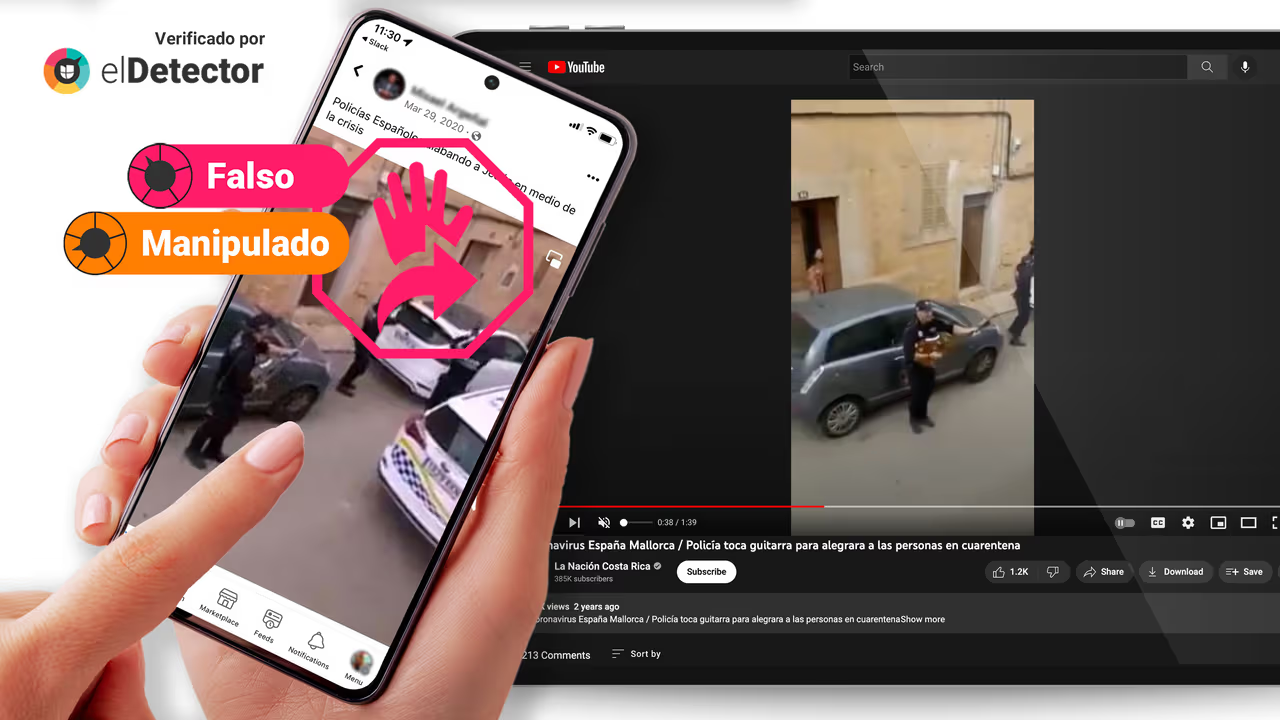
Policías españoles estén “alabando a Jesús en medio de la crisis” en un video.
Publisher’s rating: Falso / Manipulado
ആന്ധ്രയില് മുസ്ലിങ്ങള് നാഗക്ഷേത്രം പൊളിക്കുന്നു
Publisher’s rating: FALSE
Visuals of a Muslim man demolishing an ancient Hindu temple in Andhra Pradesh
Publisher’s rating: FALSE
The review investigated a video circulated with the claim that it showed Muslims demolishing an ancient Hindu temple in Andhra Pradesh. It identifies the incident as occurring in Guntur on 12 October 2022 and reports that the structure in the footage was not a temple: it was a memorial known as the Hazrat Baji Baba Nishan Dargah. The review says the site was built about 40 years earlier by Rahman, also known as Yesu Ratnam, in tribute to his late wife, Naga Ratnamma. (S1: “Video of a muslim man breaking the entrance of a temple like structure with a sledgehammer is being widely shared on social media. The post claims that it shows muslims demolishing an ancient temple in Andhra Pradesh.”; “The incident shown in the video took place in Guntur, Andhra Pradesh on 12 October 2022. According to the media reports and Guntur police, the structure shown in the video is not a temple. It is ‘Hazrat Baji Baba Nishan’ Dargah built by a converted-Muslim person named Rahman alias Yesu Ratnam 40 years ago.”) To establish what the structure was and why it was being demolished, the review cites local police and media reports. It says people of different religions had worshipped at the site, and that after Rahman’s death, his daughter and others argued that he had wanted a mosque built there. On 12 October, unidentified people tried to demolish the compound wall; locals protested. The police account characterized the dispute as concerning land, rather than a communal incident. (S1: “People belonging to all the communities have been offering prayers at the dargah for the past 40 years.”; “After Yesu Ratnam’s death a few years ago, his daughter Sathyavathi and members of a nearby Mosque in Sangadi Gunta claimed that Yesu Ratnam wanted a mosque to be built in this dargah’s place after his death. On, 12 October 2022, some unknown persons tried to demolish the compound wall, while the locals protested it. The entire incident is regarding the land dispute and not a communal one.”) The review also gives context for visual details that could be read as signs of a temple: police said Rahman had converted to Islam and put a snake statue, moon and star at the dargah. It reports that a waqf board inspector found, based on local accounts, that the site contained no grave of a Muslim person. These details support the review’s distinction between the memorial and the claim that an ancient Hindu temple was being demolished. (S1: “Rahman was a Christian, and he later converted to Islam, his late wife’s name was Naga Ratnamma, and thats why he put Nag (snakes) statue and he also put moon and star at the dargah.”; “Also, during an investigation by Guntur district waqf board inspector Mukhtar Basha, the locals revealed that this place doesn’t contain grave of any Muslim person.”)
16 अक्टूबर को जयपुर में एक लाख लोगों ने बौद्ध धर्म की दीक्षा ली। यह भीड़ उसी समारोह की है।
Publisher’s rating: False