PeakMetrics / Fact Checks
Religion & belief fact checks
Explore claims publishers have checked about religion & belief. Read their original ratings and follow the evidence.
Search fact checks
Search by text or image3,371 published reviews in this topic
Ustaz Yusuf Mansur menyatakan pelapor Sukmawati Soekarnoputri pasti masuk neraka jahanam karena tidak bisa memaafkan
Publisher’s rating: Keliru
Pope Francis requests for catholic priests to get married
Publisher’s rating: False.

శబరిమల ఆలయ ప్రవేశానికి వెళ్తున్న మహిళను అడ్డుకుట్టున్న అయ్యప్ప స్వామి భక్తులు.
Publisher’s rating: FALSE
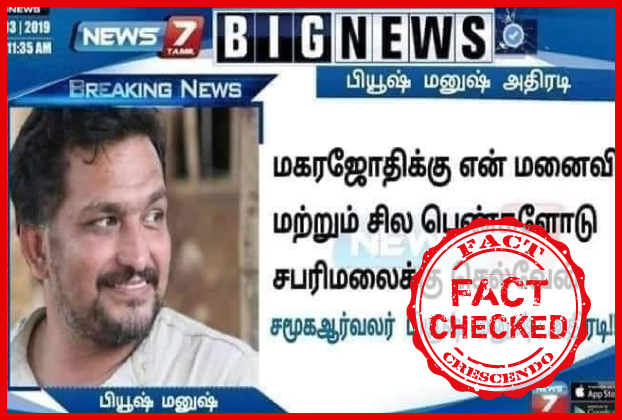
Claim: Piyush Manush planning to go to Sabarimala with his wife
Publisher’s rating: Fact crescendo Rating: False
The claim concerned a News7-branded card circulating on social media that attributed to activist Piyush Manush a statement that he would visit Sabarimala with his wife and some other women to see the Makarajyothi. The review says the card’s date was concealed in the circulating version, although March 2019 remained visible. It places the card in the period after that year’s Makarajyothi and amid the run-up to Tamil Nadu’s parliamentary election campaign. The review also notes that a similar card had falsely attributed a Sabarimala-related statement to DMK MP Kanimozhi; it presents that as relevant context, not as evidence that Manush made the statement. [S1] To check the attribution, the publisher searched for news reports supporting the claim, compared the circulating image with News7 Tamil cards, contacted the broadcaster, and contacted Manush. It reports that the comparison found differences in the Tamil font and watermark logo, and that News7 confirmed the card was fake. Manush also told the publisher the claim was “completely fake” and had been circulating for a year. The review therefore concludes that the card was fabricated and that the Facebook post was false. [S1]

శబరిమల దేవస్థాన కమిటీ ఆంధ్రప్రదేశ్ కు చెందిన పది మంది మహిళలను వెనక్కి తిప్పి పంపారు
Publisher’s rating: MISLEADING
2012 میں سعودی حکومت نے 3 تاریخی مسجد کو منہدم کردیا اور2014 میں ایک مسجد بنانے کے لئے ایک سو چھبیس مسجدوں کو منہدم کیاتھا۔
Publisher’s rating: Misleading

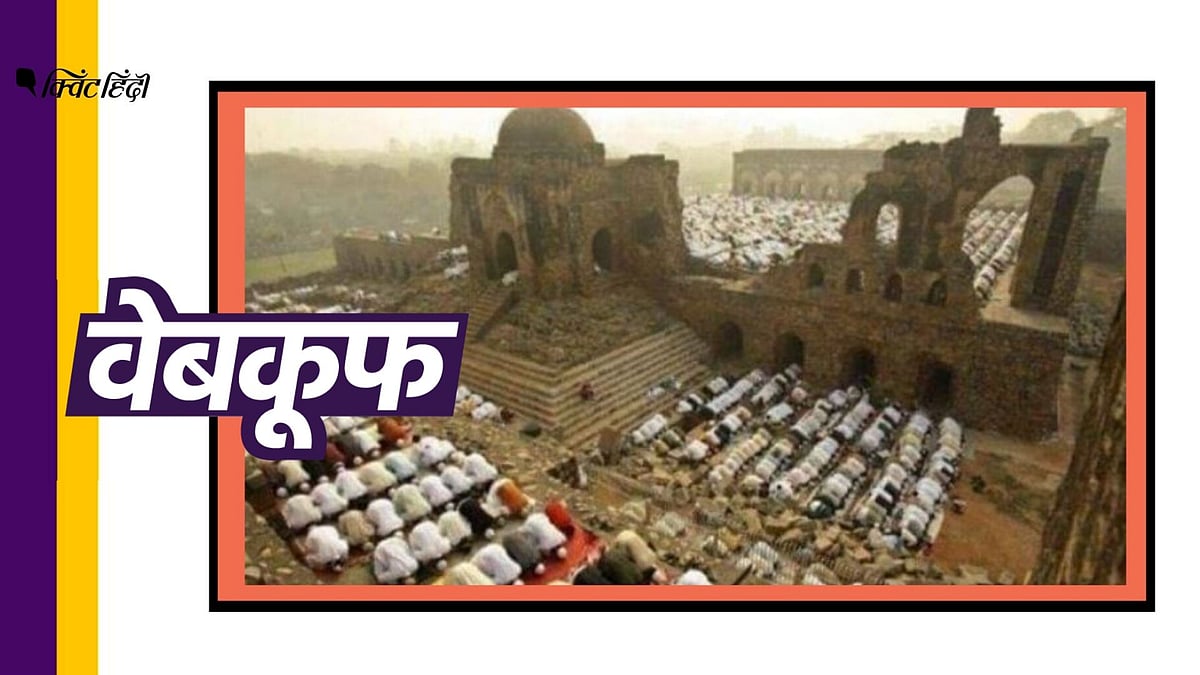
Muslims offering their last namaz at the Babri Masjid site before handing over it to Hindus.
Publisher’s rating: FALSE
The claim concerns a photograph said to show Muslims performing their last namaz at the Babri Masjid site before handing it over to Hindus. FACTLY’s investigation identifies the pictured prayer gathering as Eid al-Adha prayers at Feroz Shah Kotla Mosque in New Delhi, not a gathering at the Babri Masjid in Ayodhya. The article says the image was taken in 2008, so it does not depict the claimed final prayers at the Babri site. To trace the image, the review says it cropped the circulating post and used Google reverse image search. That search led to an Indian Express photo gallery titled “Eid al-Adha celebrations”; the review found the same photograph there, identified as the fourth of seventeen pictures. Its caption places the worshippers at Ferozshah Kotla Mosque in New Delhi. The review then searched AP Images using relevant keywords and found the same image, with information confirming the location and 2008 date. These image matches directly contradict the claim’s identification of the photograph as showing prayers at Babri Masjid. The review also gives limited background to the claim’s setting: it reports that the Supreme Court’s Ayodhya verdict directed the Central government to form a trust to oversee temple construction on the 2.77-acre site, and that Babri Masjid was destroyed in 1992. This background does not establish the photograph’s identity; the review’s image-search findings and the matching captions and image information do that.
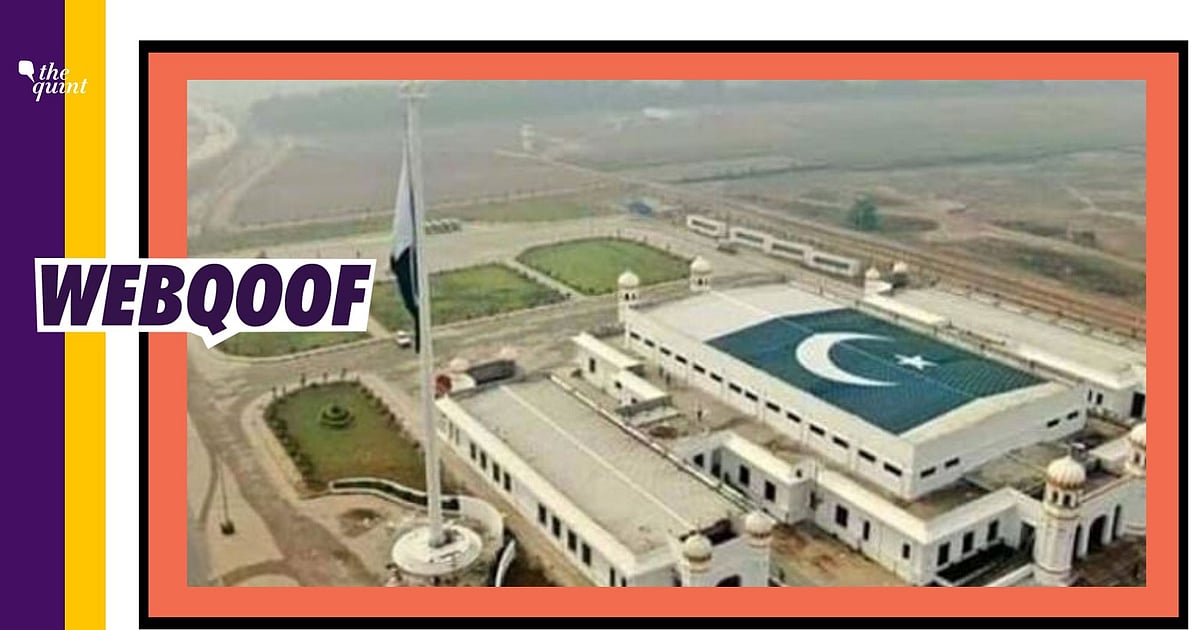
Pakistan flag on top of Gurudwara Darbar Sahib Kartarpur
Publisher’s rating: FALSE

ਸੁਪ੍ਰੀਮ ਕੋਰਟ ਦੇ ਫੈਸਲੇ ਬਾਅਦ ਇਥੇ ਆਖ਼ਿਰੀ ਬਾਰ ਨਮਾਜ਼ ਪੜ੍ਹੀ ਜਾ ਰਹੀ ਹੈ।
Publisher’s rating: FALSE
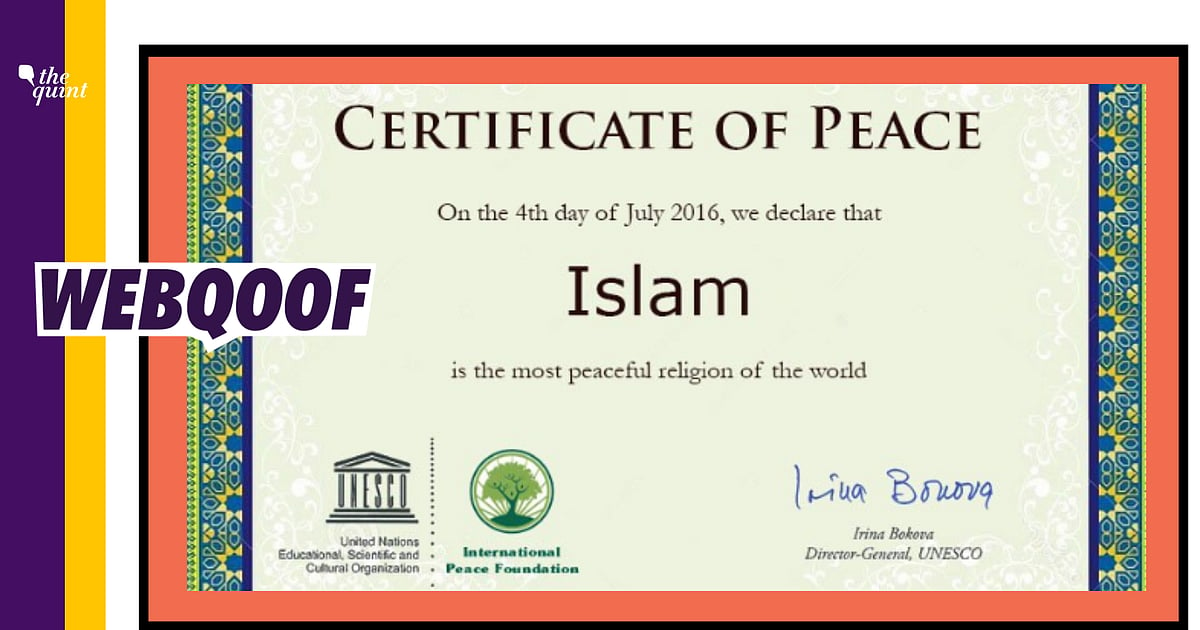
UNESCO has declared Islam as the most peaceful religion of the world
Publisher’s rating: FALSE


Christian Evangelist Beaten in Bihar Over His Religious Belief
Publisher’s rating: FALSE

Un grupo de musulmanes se ha manifestado en Mislata «en contra del pueblo español»
Publisher’s rating: Falso

Claim: Rare picture of babri masjid
Publisher’s rating: Fact Crescendo Rating: False
The review examined a social-media post presenting a photograph as the “majestic appearance” of the Babri Masjid. It says the post circulated after a Supreme Court decision concerning the Ayodhya site, amid what the review describes as increased sharing of rumors online. The specific question was whether the pictured building was actually the Babri Masjid—not whether the Babri Masjid had existed or what it looked like before its demolition. The review’s conclusion is that the photograph showed a different mosque: the Jama Masjid in Junagadh, Gujarat. It also gives the name “The Mahabat Maqbara Mosoleum” for the building. Thus, the image may depict a mosque, but its identification as the Babri Masjid was false. The review says the image had been shared under a caption describing it as the Babri Masjid’s grand appearance, which misrepresented the location and identity of the building. The excerpt gives the review’s identification and conclusion, but does not describe the specific verification method or provide image provenance, such as an earlier publication or the identity of the photographer. Those details cannot be established from the supplied text. The review nevertheless directly addresses the claim and explicitly marks its result false.
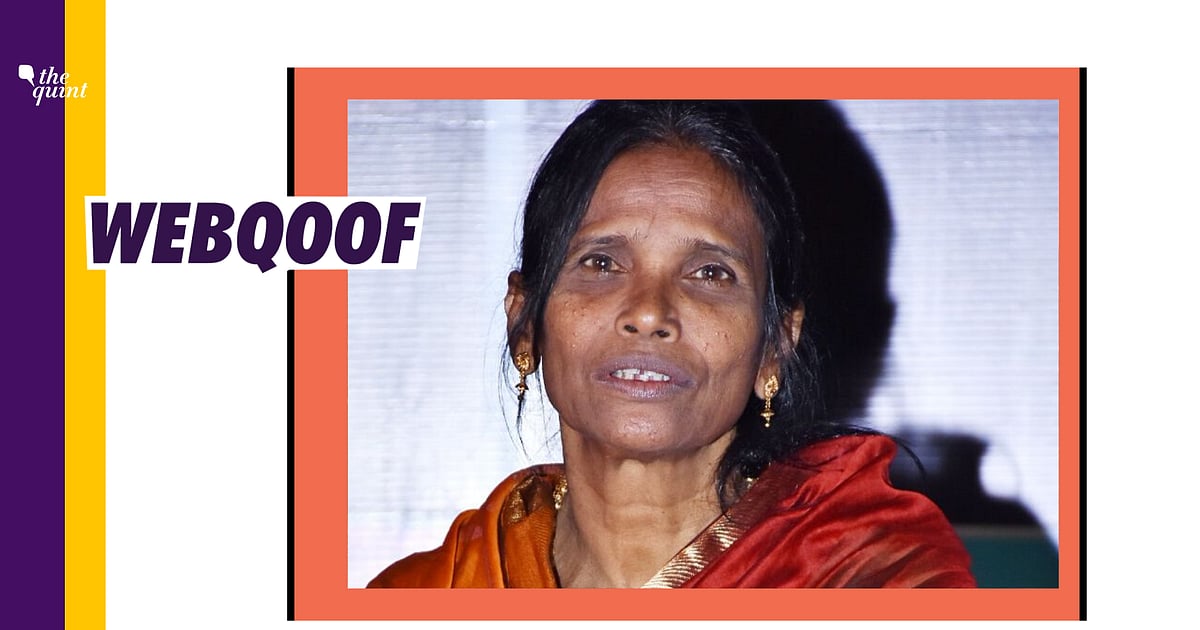
Ranu Mondal has demanded a land for a church in Ayodhya
Publisher’s rating: FALSE
Spanduk bertuliskan “Warga Nahdliyin Rindu Khilafah” yang diklaim sebagai milik NU
Publisher’s rating: Keliru

Claim Ayodhya Deepotsav events cost was estimated to be around Rs 1.33 Crores
Publisher’s rating: FALSE