PeakMetrics / Fact Checks
Religion & belief fact checks
Explore claims publishers have checked about religion & belief. Read their original ratings and follow the evidence.
Search fact checks
Search by text or image3,371 published reviews in this topic

दिल्ली में मुस्लिम गुंडों ने इस्लामी वर्चस्व को बढ़ावा देने के लिए हिंदुओं के खिलाफ एक उत्तेजक नारा लगाया
Publisher’s rating: FALSE

Nita Ambani has donated Gold and Silver ornaments for the construction of Ram Temple at Ayodhya.
Publisher’s rating: FALSE
The claim concerned a social-media message alleging that Reliance Foundation Chairperson Nita Ambani donated 111 kilograms of silver and three gold crowns weighing 33 kilograms for the Ram Temple in Ayodhya. FACTLY says it searched Google for information confirming a donation and found none. It also notes that earlier claims about donations to the temple had circulated, but does not provide further details about those posts in this excerpt. [S1]

అయోధ్య రామమందిరానికి 33 కిలోల మూడు బంగారు కిరీటాలు మరియు 1111 కిలోల వెండి విరాళంగా ఇచ్చిన నీతా అంబానీ.
Publisher’s rating: FALSE
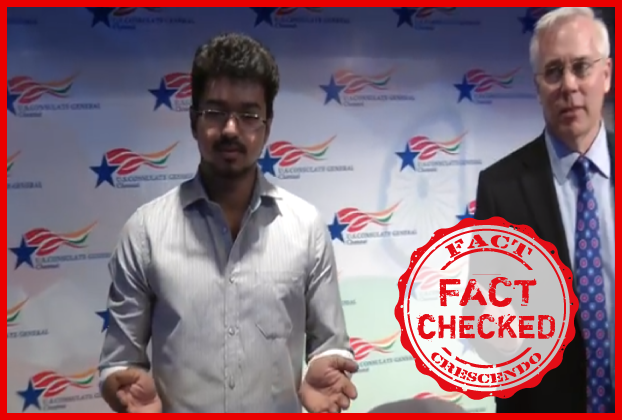
Claim: Actor Vijay participated in Christian conversion meeting
Publisher’s rating: FALSE
AAP Leader Amanatullah Khan said he wants to create Sharia
Publisher’s rating: FALSE: AAP Leader Amanatullah Khan did not say that he wants to create Sharia
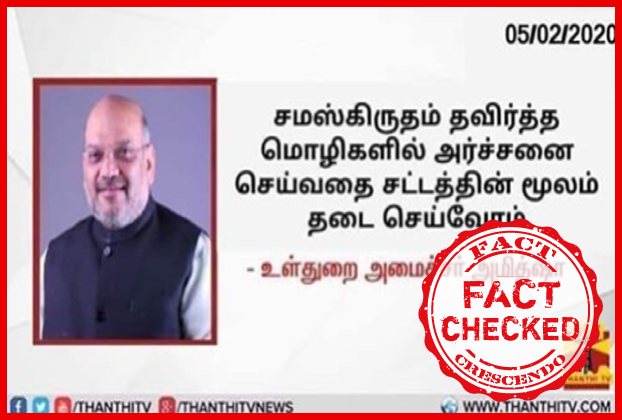
Claim: Amit Shah promised to ban other languages from temples except Sanskrit
Publisher’s rating: FALSE
The viral claim concerned a purported Thanthi TV news card saying that Amit Shah would use the law to ban worship offerings in languages other than Sanskrit. Fact Crescendo identified the post as a Facebook share by the account Rowthiram Pazhagu and reported that it was being circulated as genuine. The review’s investigation focused on whether the card and its attributed statement were authentic.

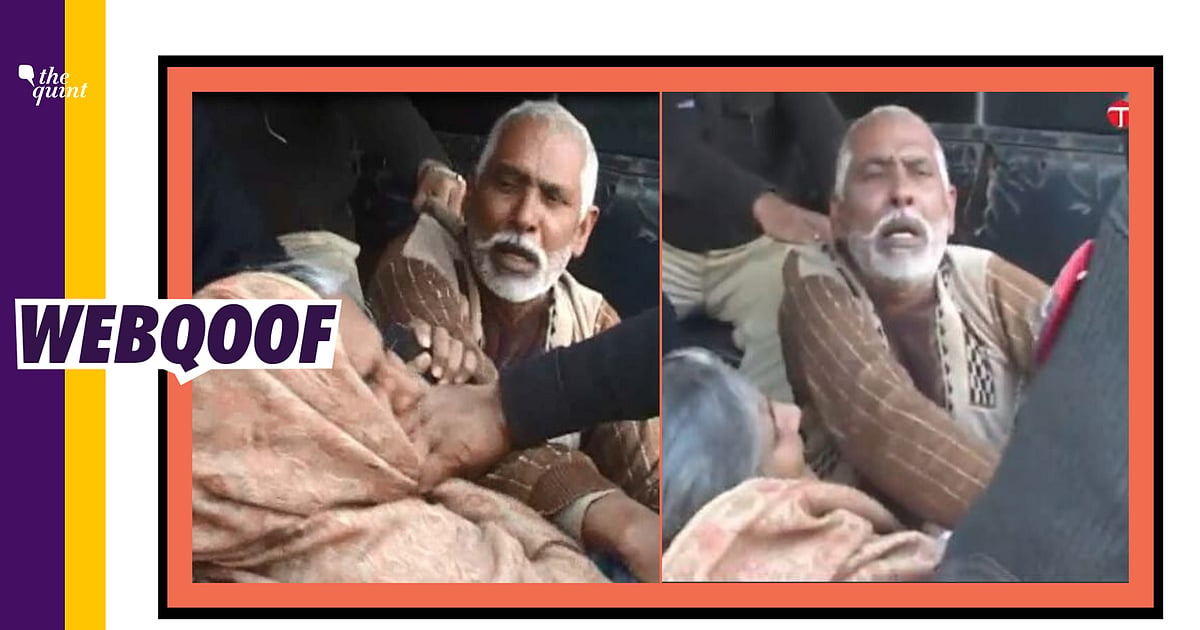
Hindus in Pakistan being persecuted by police personnel
Publisher’s rating: FALSE

गेट बाजार काली मंदिर सिलीगुड़ी पश्चिम बंगाल में माँ काली की मूर्ति तोड़ दी गई। क्या सेकुलर, वामी मीडिया कुछ बोलेगी?
Publisher’s rating: FALSE
அனைத்து மதங்களையும் " Mental disorders " என்று அறிவிக்கும் சட்டத்தை நிறைவேற்றியது ஐஸ்லாந்து. ஐஸ்லாந்தின் பாராளுமன்றில் இடம்பெற்ற வாக்கெடுப்பில் 60-3 என்ற அறுதிப் பெருமான்மையுடன் ஐஸ்லாந்து சட்டத்தை நிறைவேற்றியிருக்கிறது. இந்தச் சட்டத்தின்படி முதற்கட்டமாக பொது இடங்களில் மதரீதியான எந்தச் செயற்பாடுகளிலும் ஈடுபடுவதை தடைசெய்கிறது. மதங்களை " Mental disorders " என்று அறிவித்ததன் மூலம் உண்மையை உலகுக்கு உரக்கச் சொன்ன புத்திஜீவிகளாக ஐஸ்லாந்தவர்கள் உலகுக்கு தம்மை காட்டியிருக்கிறார்கள்.
Publisher’s rating: Sarcasm

Burqa-clad "Bhakt" caught eating biryani at Shaheen Bagh
Publisher’s rating: FALSE
The claim concerned an image circulated as showing a burqa-clad “bhakt” caught eating biryani at the Shaheen Bagh protests. The review reports that the image was shared with that description on social media; it also notes the protests had been underway for over a month and that misinformation was being circulated about them. The review describes a reverse image search that led to social-media posts identifying the image as one of a burqa-clad person involved in a 2015 shooting in Shopian, Jammu and Kashmir. The reviewer then searched for reports using the phrase “Burqa-clad terrorist opens fire in Shopian.” The resulting reports connected the image to an incident in Pulwama district, not to the Shaheen Bagh protest setting. The review cites contemporaneous reporting that militants wearing burqas opened fire at police personnel in Pulwama in October 2015, injuring civilians, and that a suspected militant wearing a burqa was arrested. This chronology and the reported image provenance contradict the claim that the image showed someone caught eating biryani at Shaheen Bagh: the depicted event occurred years before those protests.

Claim: 600 Churches were closed by Uttar Pradesh govt
Publisher’s rating: Fact Crescendo Rating: False

Menkopolhukam Mahfud MD menyebut tepuk anak saleh "Islam yes, kafir no" menyakitkan
Publisher’s rating: Keliru


యూరప్ లో ఒక దినపత్రిక ఇస్లాం మతం గురించి ప్రచురించిన కార్టూన్.
Publisher’s rating: FALSE

Hindu Marriages are not legal in Pakistan.
Publisher’s rating: MISLEADING
The claim arose during Jaggi Vasudev’s remarks on the Citizenship Amendment Act, the National Register of Citizens and related protests. He recounted meeting Hindus from Pakistan in Baku and said he had been told that Hindu marriages were not legally recognized there. The review notes that he said this should be checked, but nevertheless repeated the claim after speaking with others. This places the assertion in the context of a personal account, rather than a cited legal source. To check it, FACTLY looked at the legal position described in its review. It reports that Pakistan enacted the Hindu Marriages Act in March 2017 and that the law gives legal status to marriages performed according to Hindu rituals. That evidence directly contradicts the claim that Hindu marriages are not legal in Pakistan at the time covered by the review: a law providing legal recognition was in place. The review also supplies an important qualification. It says Pakistani Hindus had faced problems obtaining passports and Computerized National Identity Cards before this legislation, and acknowledges that there have been atrocities affecting minorities in relation to marriage. Those problems and abuses are serious, but they do not establish that Hindu marriages were legally invalid after the 2017 law. The review’s evidence therefore distinguishes difficulties in practice from the legal recognition provided by the legislation.

Claim: Buddhist monk slapped a Christian missionary for his remark on Buddha
Publisher’s rating: Fact Crescendo Rating: Partly False
Claim photos of hindu gods and goddesses burned during CAA protest
Publisher’s rating: FALSE