PeakMetrics / Fact Checks
Religion & belief fact checks
Explore claims publishers have checked about religion & belief. Read their original ratings and follow the evidence.
Search fact checks
Search by text or image3,371 published reviews in this topic

Ketua Umum PBNU Said Aqil Siradj bernama asli I Made Wiryawan Saidi dan beragama Hindu
Publisher’s rating: Keliru
அழிவு காலம் ஆரம்பம் ! CAA எதிர்ப்பு போராட்டத்தில் இந்து கடவுள்களின் படங்கள் எரிக்கப்பட்டன.
Publisher’s rating: Fake
Congress leader DK Shivakumar lays foundation stone for world's tallest Jesus Christ statue.
Publisher’s rating: Misleading

Photos of Hindu gods and goddesses were burnt during the anti-CAA protests.
Publisher’s rating: FALSE

Photos of Hindu Gods and Goddesses burnt during CAA protests
Publisher’s rating: FALSE
All muslim festivals have been excluded from the NPR manual for 2020.
Publisher’s rating: Misleading

A survey by The Institute of World Demographics Research has predicted that, by 2041, out of India’s total population, Muslims would account for 84%.
Publisher’s rating: FALSE
The claim concerns a social-media post attributing a projection of 84% by 2041 to an organisation called the Institute of World Demographics Research. FACTLY says it searched for that organisation and found no information establishing that an international institute by that name existed. The review therefore found no support for the post’s attribution to that body. For a comparison, the review says it found a Pew Research Centre article on future religious demographics. It reports that Pew projected Muslims would make up 18.4% of India’s population by 2050—not 84% by 2041. These are different figures and years, and the review presents Pew as the source of the projection it located, not as confirmation of the post’s purported survey. The review also identifies a separate problem in the post’s baseline: it says the post gave Muslims’ share of India’s population in 2011 as 22.6%, whereas the 2011 Census figure was 14.2%. Taken together, the review’s reported searches, the contrasting Pew projection, and the Census comparison support its conclusion that the post’s claim is false.

Claim: Hindu temple changed as a toilet in Pakistan
Publisher’s rating: PARTLY FALSE
The claim concerned a photograph circulated with text identifying a centuries-old Hindu temple on Manora Island, Karachi, and alleging that it had been converted into a toilet. The review traced the allegation to a news story published in 2017 and compared its sensational headline with the article’s fuller account. That account described the temple as deteriorating and said visitors to the beach used its walls and rooms as places to relieve themselves; it did not establish that authorities had converted the temple into a toilet. (S1: “வருண தேவ மந்திர், மனோரா தீவு கடற்கரை, கராச்சி என்று ஆங்கிலத்தில் போட்டோஷாப் முறையில் எழுதப்பட்டுள்ள ஒரு பழங்கால கோவில் படம் பகிரப்பட்டுள்ளது.”; “2017ம் ஆண்டு ஜூன் 24ம் தேதி அந்த செய்தி வெளியாகி இருந்தது.”; “இதன் சுவர்கள் மற்றும் அறைகள் மனோராஸ் கடற்கரைக்கு வரும் சுற்றலா பயணிகளின் கழிப்பிடமாகவே மாறிவிட்டது.”) The review’s account says the temple was under the control of the Pakistan Hindu Council, and attributes its poor condition to lack of maintenance. It also describes the land as falling within a Pakistan Navy cantonment area, while reporting that the cantonment had not maintained the temple. This evidence supports a distinction between a neglected site being used by beachgoers as a secluded place and an institution deliberately converting it into a toilet. (S1: “இந்த சொத்து இந்துக்கள் வசம் இருப்பதும், கோவிலை அவர்கள் பராமரிக்காமல் விட்டதும் தெரிகிறது.”; “இந்த கோவில் பாகிஸ்தான் இந்து கவுன்சில் கட்டுப்பாட்டில் இருப்பதும் அவர்கள் இதை பராமரிக்காமல் விட்டதும் தெரியவந்துள்ளது.”; “ஆனால், கண்டோன்மெண்ட் இதை பராமரிக்கவில்லை.”) The review also reports that the temple was being restored with US embassy funding and that a 2018 report said it had been successfully restored and opened for public use. Its conclusion is therefore that the viral post combined a real history of neglect and informal use with a misleading implication about who changed the temple and what happened to it. (S1: “அமெரிக்க தூதரக நிதி உதவியோடு இந்த கோவிலை புதுப்பித்திருக்கிறார்கள் என்பதும் உறுதி செய்யப்பட்டுள்ளது.”; “2018ம் ஆண்டு வெளியான மற்றொரு செய்தியில் இந்த கோவில் வெற்றிகரமாக புனரமைக்கப்பட்டு மக்கள் பயன்பாட்டுக்காக திறக்கப்பட்டுள்ளது என்று குறிப்பிட்டிருந்தனர்.”; “மேற்கண்ட ஃபேஸ்புக் பதிவு கொஞ்சம் உண்மையும் பொய்யான தகவலும் சேர்த்து உருவாக்கப்பட்டது என்று நிரூபிக்கப்பட்டுள்ளது.”)
Muslims claimed that they need a pork-free menu or that they would leave the US.
Publisher’s rating: False

2041 లో భారతదేశంలో 84.5 శాతం ముస్లింలే ఉంటారని అంచనా వేసిన ‘The Institute of World Demographics Research’.
Publisher’s rating: FALSE
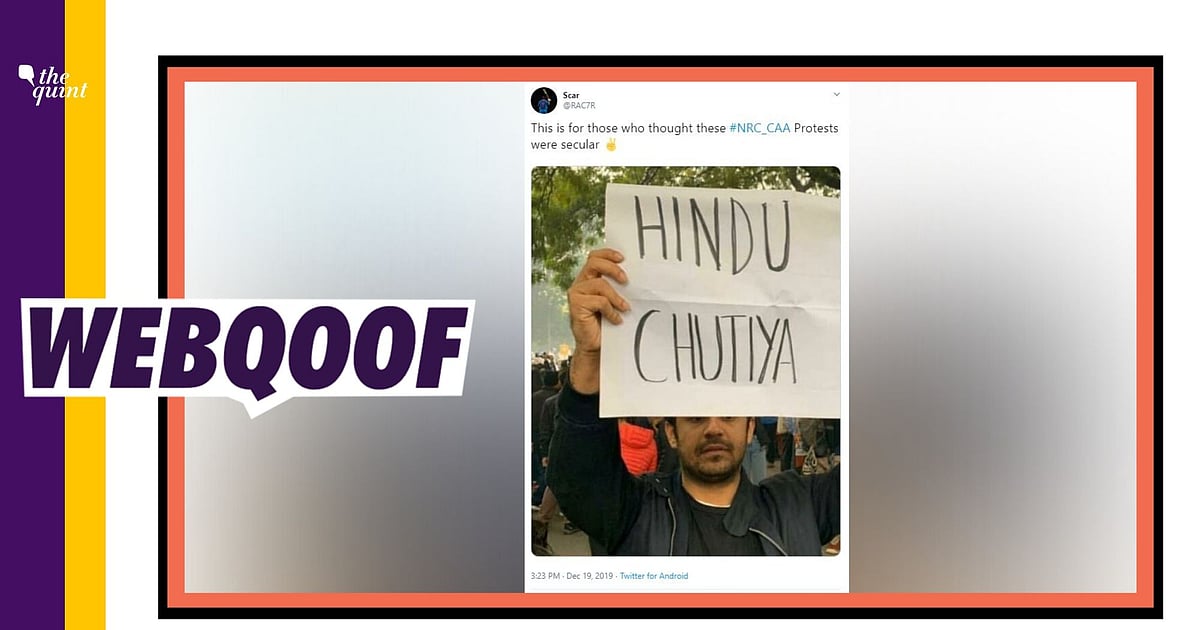
A protester held a poster abusing the Hindu community
Publisher’s rating: FALSE
The claim concerned a picture circulated during protests against the Citizenship Amendment Act in Delhi on 19 December 2019. It was presented as showing a protester holding a placard that read “Hindu Ch****a,” and was used to suggest that he was abusing the Hindu community. The Quint’s review says the image had been edited, cropping the placard to remove words that changed its meaning. According to the review, the original placard read “Hindu hoon, Ch****a nahi”—loosely, “I am a Hindu, not an ch****a.” The omitted words therefore made the sign appear to say the opposite of what it said. The review attributes the misleading impression to cropping the poster from the centre, rather than to the wording of the complete sign. The article also examined a separate online insinuation that the protester was a Twitter user named Syed Mohd Yasir. It says the two people shown were not the same and reports that Yasir himself tweeted that he was not the protester. The review notes that it could not reach the protester; its account of the identity comparison should therefore be understood alongside that stated limitation. Together, the placard’s fuller wording and the reported identity checks address distinct parts of the viral material.
Imam Besar FPI, Rizieq Shihab, terancam hukuman mati dengan pancung oleh pemerintah Arab Saudi
Publisher’s rating: Sesat

Claim: Malappuram muslims demanded separate country
Publisher’s rating: FALSE
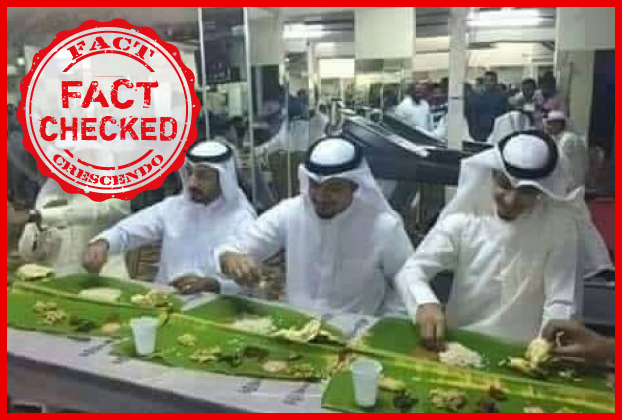
Claim: Abu Dhabi King eats at Hindu Temple Kumbhabhishekham
Publisher’s rating: FALSE
பாகிஸ்தானில் இந்து பெண்கள் நிலமை இதுதான்.. Hindu’s life in Pakistan
Publisher’s rating: Fake