PeakMetrics / Fact Checks
Health & medicine fact checks
Explore claims publishers have checked about health & medicine. Read their original ratings and follow the evidence.
Search fact checks
Search by text or image13,677 published reviews in this topic

An image claims that a junior doctor in West Bengal Was resting his feet on a patient’s bed
Publisher’s rating: Flase


Claim a new killer insect spreading deadly virus in humans
Publisher’s rating: FALSE
Beber agua helada es peligroso para la salud
Publisher’s rating: Falso
Newtral examined a viral image warning that drinking ice-cold water causes serious harm. Its review addresses claims about the heart, liver, stomach and intestines, and reports consulting specialists in those areas. The specialists said that, for healthy people, drinking cold water—including after exercise—does not pose a real health danger. The article also distinguishes the image’s warnings from other, established causes of heart and liver problems. On the heart claim, cardiologist Alfonso Valle said the temperature of food and drink does not affect the heart’s arteries: water passes through the esophagus, which has no continuity with the heart. He identified high cholesterol, diabetes, hypertension, inactivity and obesity as factors that can lead to blocked arteries. The review also says Valle rejected a causal link between cold water after exercise and a reported death, noting that the water’s temperature did not explain the death. For the liver, Juan Turnes Vázquez said water temperature has no relation to the liver’s processing of fatty acids and triglycerides; he described excess stored fat and metabolic factors such as obesity, diabetes, hypertension and cholesterol abnormalities as relevant to fatty liver. Gastroenterologist Fernando Muñoz said cold water does not damage the stomach wall, while Turnes said it does not damage the stomach or intestinal walls. The review notes a qualification: very cold or hot water can sometimes cause muscle spasms in people who are especially sensitive, but describes this as infrequent. That qualification does not support the image’s broader warnings of organ damage.
Ebola reported in Kericho Kenya
Publisher’s rating: FALSE HEADLINE
Research from related reporting describes a 2019 Ebola-related scare in Kenya, but the excerpt does not report a confirmed Ebola case in Kericho. It says patients in Kenya had symptoms similar to Ebola cases in neighbouring Uganda and the Democratic Republic of Congo, and that surveillance teams were activated in several places, including Kericho. That distinction matters: the report connects Kericho to surveillance during the scare, not to a confirmed Ebola diagnosis. The supplied reporting therefore does not substantiate the headline’s implication that Ebola was reported in Kericho as an actual case. But because the excerpt does not give test results or a fuller account of the 2019 response, it cannot by itself establish what happened to every suspected patient or prove that no Ebola case was reported there.
Human papillomavirus is a “new virus discovered in Africa” that is “worse than HIV".
Publisher’s rating: Hoax
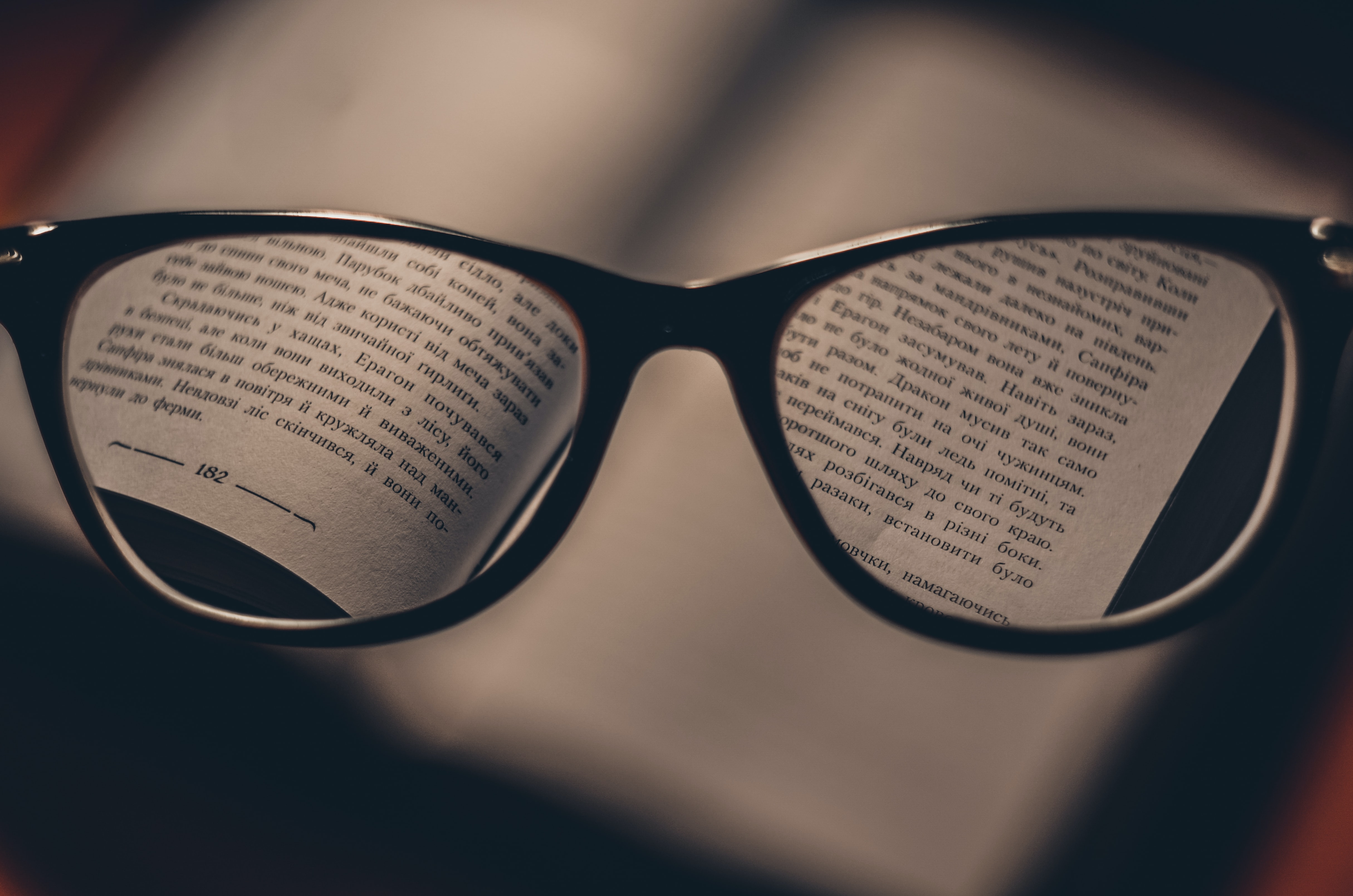
媒體報導「一張圖測視力!這4碼=眼睛超健康」
Publisher’s rating: 錯誤
The review examined an image circulated in media reports, content farms and Facebook groups that purported to link four numbers to different eye conditions: 3246 to nearsightedness with astigmatism, 3240 to astigmatism without nearsightedness, 1246 to nearsightedness without astigmatism, and 1240 to very healthy eyes. The central question was whether the image could medically measure vision or diagnose those conditions. The review consulted ophthalmologists and a psychology professor; it reports that the image is not used for clinical vision measurement and that the numbers do not reliably correspond to the claimed vision states. Taipei Hospital ophthalmology chief Lin Ren-jie compared the image to a random-dot stereogram, which is used to assess binocular disparity or stereoscopic vision—not to measure nearsightedness, farsightedness or astigmatism. Taipei City Hospital ophthalmology chief Tsai Yi-lun likewise said ophthalmology does not use this image to measure vision, and that the numbers seen did not match the vision conditions assigned to them. The review says accurate measurements should rely on standard examination methods, including computerized refraction for precise data. The review’s explanation for differing perceptions is that the image contains numbers designed with different spatial frequencies, and people vary in their contrast sensitivity. Viewing distance also changes visual angle and spatial frequency, so adjusting distance can make different numbers visible. The review therefore distinguishes an image that can illustrate spatial-frequency perception from a valid eyesight test: seeing a particular number, including 1240, cannot establish that someone’s eyes are healthy.

網傳「衛福部公布大腸癌的主因來自十大恐怖美食」這樣的老謠言,而且過去也變形過相當多的版本,或是結合癌症說明「十大致癌食物黑名單」的組合式謠言。
Publisher’s rating: 不實

தாய்மை அடைந்ததாக நினைக்கும் பெண் காலை நேரத்தில் தன் சிறுநீரை அந்த சோதனை கருவியில் 30 முதல் 60 நொடிகள் நனைய விட்டால் ” அந்த கருவியில் ஒரு கோடு விழுந்தால் கர்ப்பமில்லை, அதுவே இரு கோடுகள் விழுந்தால் கர்ப்பமுற்று இருக்கிறார் ” என்பது பொருள். சோதிக்கப்பட்ட கருவியை அதை அப்படியே தந்தையின் சிறுநீரில் 30 முதல் 50 நொடி நனைய விட்டால் ” அந்த கருவியில் இருந்த இரு கோடுகளும் அழிந்தால் அந்த கர்ப்பத்திற்கு அந்த ஆண் காரணமில்லை ” என்பது பொருள்.
Publisher’s rating: Fake
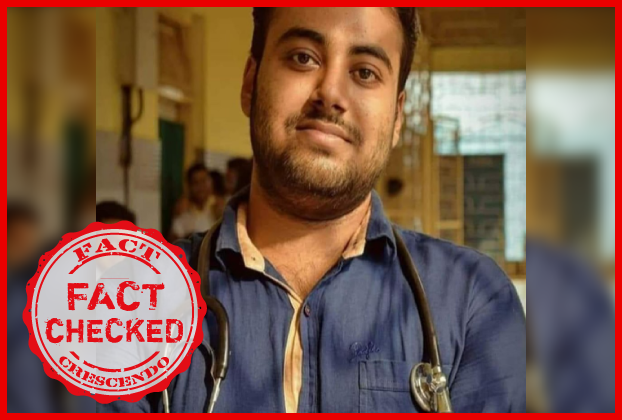
Claim Dr. Paribah Mukherjee from NRS hospital in Kolkata is dead
Publisher’s rating: FALSE
Israel doctors have found vaccine and cure for HIV
Publisher’s rating: False.

Claim: Citralka Syrup vanished away kidney cysts
Publisher’s rating: FALSE
According to Unicef, malaria kills one child every 30 seconds in Africa.
Publisher’s rating: Incorrect
Hay evidencias que relacionen la tartrazina que contiene el colorante alimentario con el cáncer
Publisher’s rating: Falso
The review examines whether tartrazine, a common food colouring also identified as E-102, is carcinogenic. It reports that Newtral contacted the European Food Safety Authority (EFSA), which said there was no scientific evidence that the additive causes cancer. The review also describes EFSA’s assessment of newer studies on the issue, including research by Sasaki and colleagues published in 2002 that tested the genotoxicity of 39 chemicals, including tartrazine, in mice. The key distinction in the review is between observed effects in a test and evidence that the substance causes cancer. It says EFSA’s expert panel concluded that “the effects on DNA observed in the test” were not expected to lead to carcinogenicity. The article therefore does not treat the study’s DNA findings as proof of a cancer risk in people. The review does acknowledge a separate, limited concern: tartrazine may cause intolerance reactions, such as skin irritation, in a small part of the population. It also discusses research on children’s behaviour, but that research tested a mixture of colourings and other additives, so the article says it cannot establish an effect caused by tartrazine alone.
Drinking water at specific times of the day has health benefits that include preventing a heart attack
Publisher’s rating: Incorrect
Japanese method of drinking water on an empty stomach will prevent a heart attack.
Publisher’s rating: Incorrect
Henry Kissinger said “Once the herd accepts mandatory forcible vaccination, it’s game over! They will accept anything – forcible blood or organ donation – for the ‘greater good’. We can genetically modify children and sterilise them – for the ‘greater good’.”
Publisher’s rating: False
چینیها یک وعده غذا میخورند و مصرف غذا در ایران بیشتر از چین و کشورهای توسعهیافته است.
Publisher’s rating: نادرست

Debunking certain menstruation myths.
Publisher’s rating: Many of the claims are false.