PeakMetrics / Fact Checks
Health & medicine fact checks
Explore claims publishers have checked about health & medicine. Read their original ratings and follow the evidence.
Search fact checks
Search by text or image13,677 published reviews in this topic

‘Snickers’ chocolates are banned in 65 countries and are being destroyed in the video because they cause cancer.
Publisher’s rating: FALSE
The claim concerns a video said to show Snickers chocolates being destroyed because they cause cancer, alongside a claim that the chocolates were banned in 65 countries. FACTLY identifies the footage as an old video from Gaza in 2016 and says the destruction followed a product recall, not a cancer concern. The review describes the chocolates as having been produced at a Dutch factory and says a piece of plastic had been found in one of them. [S1: “It is an old video. In 2016, ‘Snickers’ chocolates produced at a Dutch factory were recalled after a piece of plastic was found in one of its chocolates. Also, the video was taken in Gaza in 2016.”] To check the footage’s context, the review says it searched for the “euro news” video and found the same video on that outlet’s YouTube channel, uploaded in March 2016. The description, as quoted in the review, said Gaza authorities destroyed 15 tonnes of chocolate in response to the manufacturer’s recall. FACTLY also cites an Al Jazeera report about the recall, which it says followed a complaint that plastic was found in a Snickers bar made at the Dutch factory. [S1: “So, when searched for that video, it was found that the same video was uploaded by ‘euro news’ on YouTube in March 2016. The description below the video reads: ‘Authorities in Gaza say they have destroyed 15 tonnes of chocolate in response to last month’s mass recall by the manufacturer’.”] [S1: “According to the article, ‘Mars’ and ‘Snickers’ bars were recalled by the ‘Mars’ chocolate company after they received a complaint that a piece of plastic was found in a ‘Snickers’ chocolate produced at its Dutch factory.”] The review also reports a qualification that undercuts the 65-country figure: Mars’s Netherlands corporate affairs coordinator told AFP that, “as far as we know,” 55 countries were involved, and that the recall applied only to products made in the Netherlands. Thus, the evidence presented connects the video and recall to a possible plastic contamination issue, not to cancer; the review does not substantiate the claim that Snickers were banned in 65 countries. [S1: “Talking to AFP News, in 2016, Eline Bijveld (Mars Corporate Affairs Coordinator for the Netherlands) said: ‘As far as we know there are 55 countries involved… recall only involves the products that are made in the Netherlands’.”]

CBD Hemp Oil Good
Publisher’s rating: CBD Hemp Oil Good for helathy Life
Seorang pria di Sampang, Madura, diklaim hidup kembali setelah sudah dinyatakan meninggal dunia
Publisher’s rating: Sesat
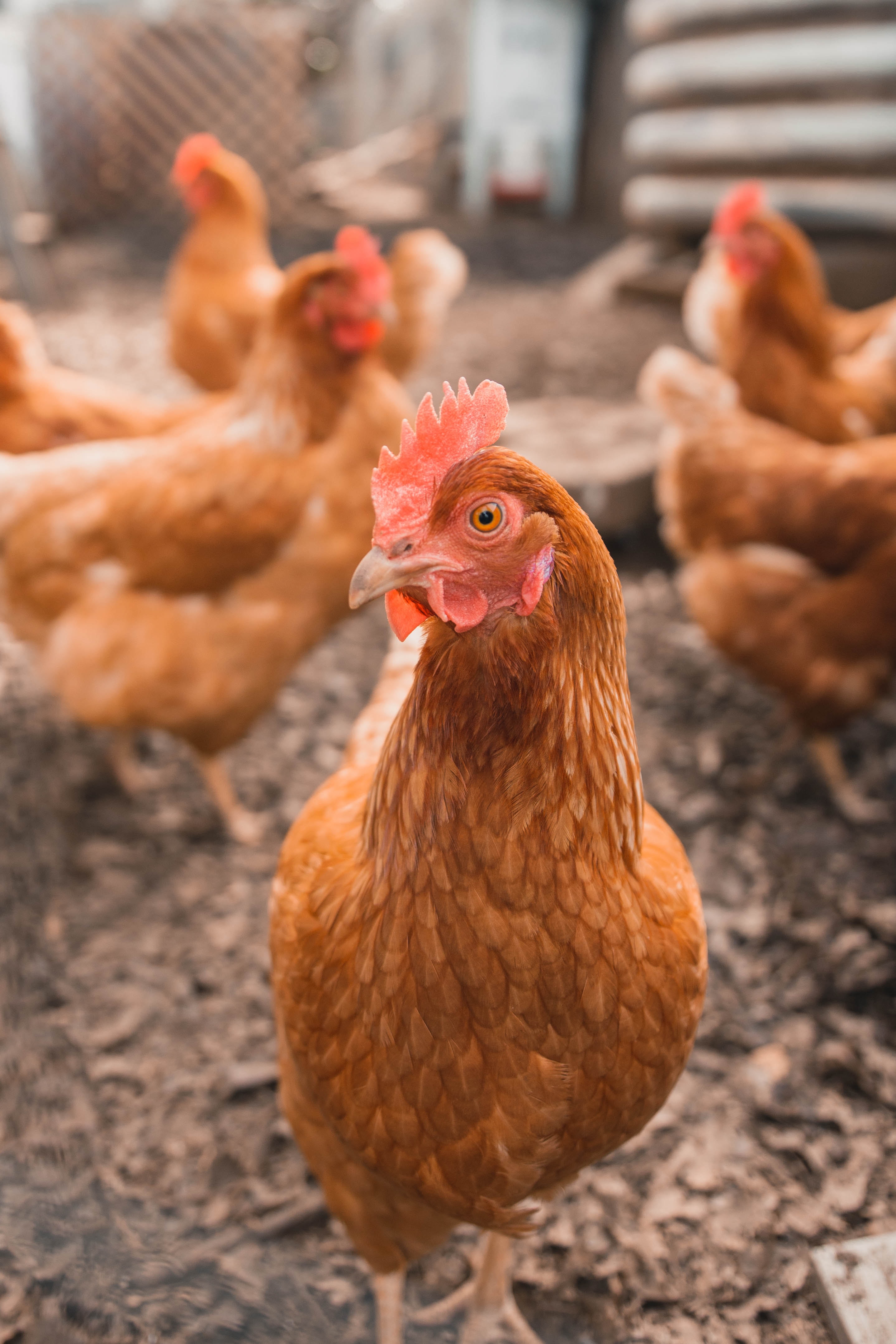
「一隻雞打四種抗生素」、「雞的激素或抗生素,注射部位通常在雞翅膀、雞頸位,而雞腳則會囤積抗生素」?
Publisher’s rating: 錯誤
The review examines two connected rumors: that each chicken is injected with four antibiotics, and that hormones or antibiotics are usually injected into the wings or neck and accumulate in the feet. It also addresses a video circulated with the claims. The review says the footage appears to show vaccination, not antibiotic treatment, so presenting it as evidence of antibiotics being injected misidentifies what is shown. It reports that vaccines may be administered by injection at different sites, including the neck, wing membrane, or breast, but vaccination is distinct from treating illness with antibiotics. The review consulted animal-science professor Chen Chih-feng and livestock-care teacher Chen Jui-nan. They said antibiotics are used to treat sick chickens, rather than being injected into every chicken without cause; medication can be given by injection, in drinking water, or in feed, with water and feed commonly used because treating large flocks by injection is inefficient. Chen also explained that some vaccines are injected at particular sites, including the neck for a Marek’s disease vaccine and the wing for fowlpox. Those examples help explain how vaccination footage could be mistaken for antibiotic use, but do not support the rumor’s claim that chickens receive four antibiotics. On residues, the review reports that medication is absorbed and distributed through the body, then metabolized or excreted. The interviewed experts rejected the claim that feet contain the most antibiotics: if residues remain, they are more likely to be found in edible tissues such as internal organs, muscle, and subcutaneous tissue. The review adds that observing the required withdrawal period before sale can help prevent residues. Its conclusion is therefore about the specific injection-and-accumulation claims, not a claim that antibiotic use in poultry never occurs.
Dr. Anjali Mathur of Indo American Hospital (IAH) warns against popular consumer products through Whatsapp.
Publisher’s rating: FALSE


人在喝酒後,身體沒有肝區疼痛、食慾不振、臉色萎黃,表示肝功能還可以
Publisher’s rating: 錯誤
The claim says that after drinking, the absence of pain in the liver area, loss of appetite, and a yellowish complexion indicates that liver function is still adequate. The review consulted two physicians: Yeh Chia-chu, an attending physician at Good Liver Clinic and an adjunct physician at National Taiwan University Hospital, and Wu Cheng-bin, a gastroenterologist at Taipei City Hospital’s Heping Fuyou Branch. They explained that these symptoms are not a reliable way to judge whether the liver is healthy. On pain, Yeh said alcoholic hepatitis or cirrhosis does not necessarily cause pain, and people with cirrhosis may not notice it before complications develop. Wu explained that “liver-area pain” generally refers to right upper abdominal pain, which can also have causes involving the gallbladder or bile ducts. He cautioned that a lack of such pain does not mean the liver is healthy; liver inflammation can be present without the person knowing. The review also reports that early or chronic liver inflammation may have few noticeable symptoms. Wu said that when the three symptoms become apparent, there may already be substantial liver damage, and advised against using their absence to assess liver health. The symptoms themselves are not specific to alcohol-related liver disease: the physicians noted that appetite loss and jaundice-like signs can have other causes, including other liver conditions and problems involving other organs. The review’s conclusion is therefore that absence of these signs cannot establish that liver function is adequate.


"I believe we should finish the job we started with the Affordable Care Act with a public option that gives everybody in this audience the chance to pick for their family whether they want private insurance or public insurance and requires drug companies to be negotiated with by Medicare and it provides competition. That is totally different from the plan that Sen. (Elizabeth) Warren and Sen. (Bernie) Sanders and Sen. Harris have proposed, which would make illegal employer-based health insurance in this country.""I believe we should finish the job we started with the Affordable Care Act with a public option that gives everybody in this audience the chance to pick for their family whether they want private insurance or public insurance and requires drug companies to be negotiated with by Medicare and it provides competition. That is totally different from the plan that Sen. (Elizabeth) Warren and Sen. (Bernie) Sanders and Sen. Harris have proposed, which would make illegal employer-based health insurance in this country."
Publisher’s rating: Future uncertain

Measles-Rubella Vaccine has a side-effect of infertility is being given to only Muslims girls in Kerala.
Publisher’s rating: FALSE
FACTLY examined a post alleging both that the Measles-Rubella (MR) vaccine causes infertility and that it was being given only to Muslim girls in Kerala. The review reports that the national campaign was intended for children aged 9 months to 15 years, without distinction by religion or state. That directly contradicts the claim about who was eligible for vaccination.

"Right now, we have a dysfunctional health-care system. Eighty-seven million uninsured or under-insured, 500,000 Americans every year going bankrupt because of medical bills, 30,000 people dying while the health-care industry makes tens of billions of dollars in profit."
Publisher’s rating: Many numbers, fuzzy math
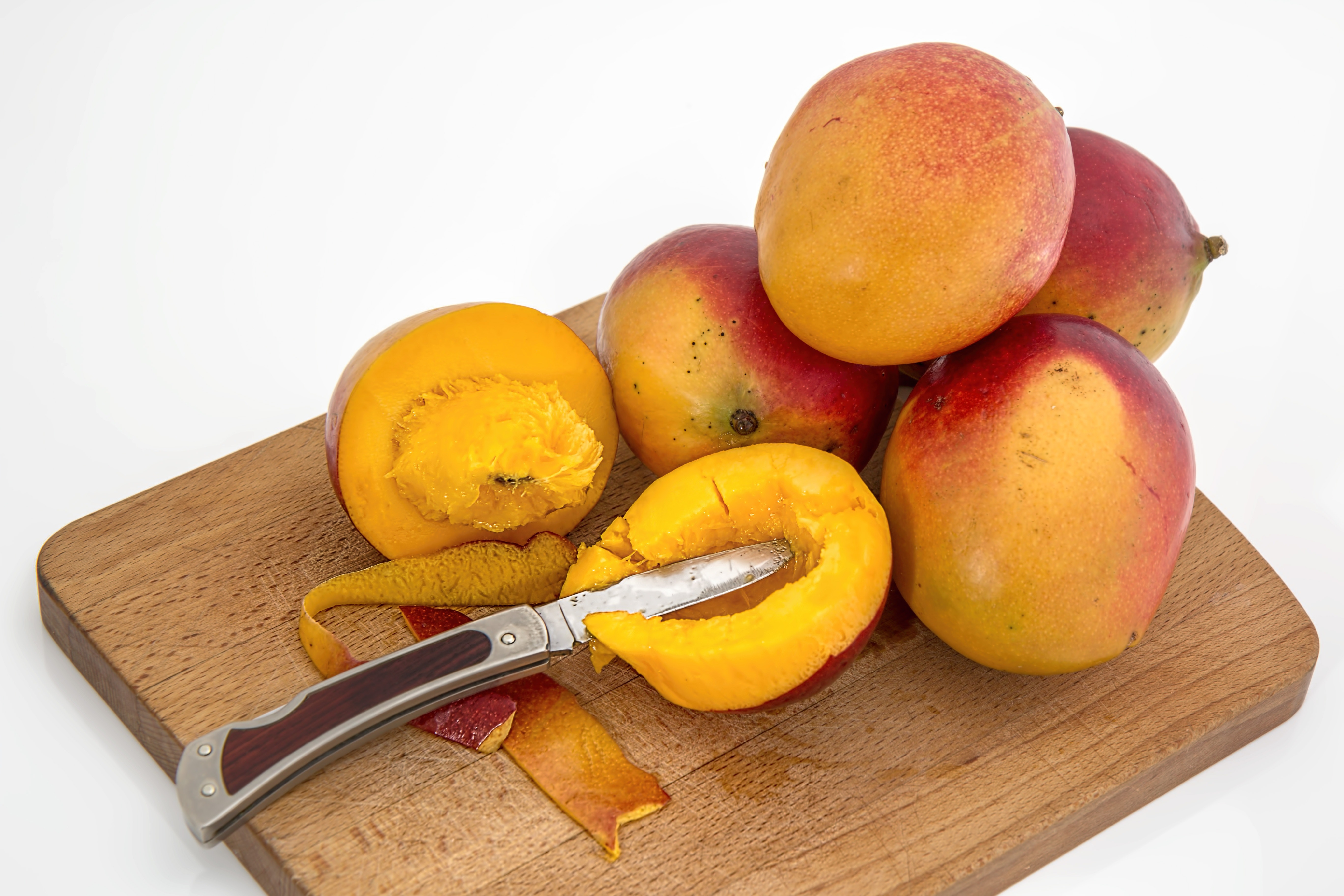
芒果和香蕉的果皮長了黑斑,還可以吃嗎?
Publisher’s rating: 事實釐清
The review examines a concern prompted by a story circulating in media and online: a patient reportedly ate mango with black spots after removing the affected peel, later found the flesh sour, and developed gastrointestinal symptoms. The review’s subject is whether peel spots themselves make mangoes or bananas unsafe—not whether every spotted fruit is safe regardless of its condition. It organizes expert comments around the causes of the spots and whether the fruit flesh is affected. For mangoes, agricultural researcher Li Xueru identifies anthracnose and black spot disease as possible causes. She says these diseases do not infect or harm people, and that spots initially confined to the peel do not affect the flesh. The review advises removing affected areas when damage is limited; if the flesh is substantially spoiled or has changed in taste, it should not be eaten. Nutritionist Liu Zongwen likewise says lightly damaged mango can be eaten after cutting away the affected part. The evidence therefore distinguishes peel blemishes from deterioration of the edible flesh. For bananas, the review says the small, sesame-like spots commonly seen on the peel usually reflect natural aging and ripening. Banana research institute representative Lin Desheng says the flesh remains edible at that stage, while watery or spoiled flesh is not suitable to eat. Liu adds a qualification: blackening can also result from bruising, rot, or disease, and fruit with rotting flesh should be avoided when its safety cannot be assured. Thus, the review does not treat all dark marks as equivalent; it makes the condition of the flesh decisive.
Bomet Governor Joyce Laboso loses fight to cancer
Publisher’s rating: TRUE

Claim: Baba Ramdev takes Allopathy treatment
Publisher’s rating: FALSE