PeakMetrics / Fact Checks
Health & medicine fact checks
Explore claims publishers have checked about health & medicine. Read their original ratings and follow the evidence.
Search fact checks
Search by text or image13,677 published reviews in this topic

Massaging a cow can cure breathing problems and treat tuberculosis.
Publisher’s rating: FALSE
Penggunaan plastik kresek hitam untuk pembungkus daging kurban berbahaya
Publisher’s rating: Benar

La FDA admite que la carne de pollo contiene arsénico causante de cáncer
Publisher’s rating: Engañoso
The review concerns a Facebook claim that the U.S. Food and Drug Administration admitted chicken contains cancer-causing arsenic. It says the claim draws on an FDA analysis of arsenic in chickens given feed containing 3-Nitro, a trade name for roxarsone, an organoarsenic compound used in poultry feed. The review’s central distinction is that finding arsenic did not establish that eating the chicken posed a health risk: it reports that the FDA found the levels too small to cause harm. According to the review, the FDA’s scientists tested a sample of 100 chickens and found higher arsenic levels in the livers of birds fed 3-Nitro than in those not fed it. The review says the agency clarified that the amounts were so small they could not harm human health. It also reports that the manufacturer voluntarily removed 3-Nitro from the market in 2011 after the analysis found that the chickens were not eliminating the compound through their feces as earlier studies had suggested. Thus, the evidence described supports the presence of arsenic in the tested birds, but not the claim’s implication that the finding showed a cancer risk from eating the chicken. The review further notes that inorganic arsenic is classified as carcinogenic, but says the dietary exposure report it cites identified cereals—especially wheat bread—as the leading contributor to inorganic arsenic exposure, followed by rice, milk and dairy products, and tap water. That context distinguishes the general hazard of a form of arsenic from the specific amounts found in this chicken analysis.
Eine «große Gefahr» für die Bevölkerung beschwört ein Facebook-Post herauf, der immer wieder geteilt wird. Zuwanderer hätten massenhaft Tuberkulose nach Deutschland gebracht, heißt es, zuletzt in eine Schule in Bad Schönborn bei Karlsruhe - und das, obwohl die Krankheit doch «seit Jahrzehnten in Deutschland als ausgerottet galt». Die Schlussfolgerung: «Schutz vor der Ansteckung» hätten bei den Kindern «nur geschlossene Grenzen» geboten.
Publisher’s rating: Mehrere Aussagen sind falsch. So galt zum Beispiel Tuberkulose in Deutschland nie als ausgerottet. Auch betragen die Behandlungskosten nur einen Bruchteil der angegebenen Summe.
طبق آمار وزارت کشاورزی آمریکا ۴۱ میلیون نفر با مشکل گرسنگی دست و پنجه نرم میکنند.
Publisher’s rating: درست

Claim: Muthulakshmi Reddy was the First Female Doctor of India
Publisher’s rating: FALSE
Fact Crescendo’s investigation examined a Facebook post that described Muthulakshmi Reddy as India’s first female doctor, alongside other claims about her public roles. The review says it began by searching for evidence about the claim and found earlier female doctors whose education and careers make the “first” description inapplicable to Reddy. It identifies Anandibai Joshi as the first Indian woman to receive a medical degree in the Western system, while noting that she died the year after earning it, before returning to India to practise.


最新研究:炸薯條比生菜沙拉還健康
Publisher’s rating: 部分錯誤
The claim attributed to a “latest study” was that fried fries could be healthier than lettuce salad. The review traced the circulating message to research by Israel’s Weizmann Institute of Science team, published in 2015, but found that the research addressed variation in blood-glucose responses to the same food—not whether fries are healthier than salad. The review reports that the study observed 800 participants and collected data on glucose changes and dietary habits: “此研究觀察800名受測者,蒐集血糖變化與飲食生活習慣的數據,研究發現,食用相同的食物,每個人的餐後血糖變化並不相同。” The study’s design is central to assessing the claim. Participants ate a prescribed standard breakfast and recorded their own lunches and dinners; the researchers combined health, dietary, activity, and gut-microbiome information to predict individuals’ post-meal glucose responses. The review describes the analysis as examining differences between people after eating the same food. It says the research did not compare the same person’s glucose response to different foods and did not compare fries with salad: “這項研究並未比較同一個人攝取不同食物的血糖變化,也沒有證明「薯條比沙拉健康」。” The review also distinguishes blood-glucose response from overall health or nutritional value. A physician quoted in the report cautioned that judging food by glycemic index alone omits nutritional value, calories, and burdens related to preparation; the report further notes that eating too many high-fat fries could mean excess fat intake and cardiovascular risk. Thus, the study’s finding that glucose responses vary among individuals does not establish the circulating comparison or support the claim that fries are healthier than salad.


A claim that 400 health workers ranging from doctors, nurses and Laboratory technicians have been employed.
Publisher’s rating: Analysis
Auf Facebook wird behauptet, der jüngste Anstieg von Syphilis-Erkrankungen in Deutschland hänge mit der Zuwanderung der letzten Jahre zusammen. Ein Nutzer schreibt zum Beispiel über einer Grafik mit den höheren Infektionszahlen: «Traumhaft, die Grünen und die anderen Deppen unterstützen die Einwanderung und damit vergiften sie das Land!!!»
Publisher’s rating: Der Anstieg der Syphilis-Infektionen ist nicht auf Einwanderung zurückzuführen. Der größte Teil der Erkrankten stammt dem Robert-Koch-Institut (RKI) zufolge aus Deutschland - und infizierte sich auch in Deutschland mit der sexuell übertragbaren Krankheit.
The Facebook post linked immigration to the rise in syphilis cases in Germany, using a graphic of higher infection numbers and accusing supporters of immigration of “poisoning” the country. The dpa review examined that specific claim against figures and statements attributed to the Robert Koch Institute (RKI). It reports that the RKI recorded nearly 7,500 infections in Germany in 2017, a 4.6 percent increase over the previous year. The increase itself is therefore not disputed; the question is whether immigration explains it. [S1: “Auf Facebook wird behauptet, der jüngste Anstieg von Syphilis-Erkrankungen in Deutschland hänge mit der Zuwanderung der letzten Jahre zusammen.”; “Richtig ist, dass das RKI im Jahr 2017 knapp 7500 Syphilis-Infektionen in Deutschland registrierte - ein Anstieg um 4,6 Prozent im Vergleich zum Vorjahr”] The review reports that the RKI’s November 2018 report recorded patients’ country of origin for around 70 percent of cases. Among those whose origin was recorded, 80.9 percent named Germany; the next most frequently reported countries were Brazil and Romania, each at 1.4 percent. An RKI expert told dpa that infections involving people from outside Germany played a relatively minor role. These figures concern reported origin, not a complete accounting of every patient. [S1: “Diese war bei rund 70 Prozent der Patienten bekannt. Dabei gaben 80,9 Prozent der erfassten Erkrankten als Herkunftsland Deutschland an, gefolgt von Brasilien und Rumänien (je 1,4 Prozent)” ; “Gerade bei der Syphilis spielen Infektionen von Personen mit Herkunft außerhalb von Deutschland eine eher untergeordnete Rolle”] The review also distinguishes patients’ origin from where infection likely occurred: the RKI’s likely infection country was known for 72 percent of recorded patients, and 93.7 percent of that group had been infected in Germany. The article identifies reduced condom use as one reason the RKI gave for rising case numbers and says gay men were especially affected. Taken together, the reported origin and infection-location data do not support attributing the increase to immigration. [S1: “Das wahrscheinliche Infektionsland war nach RKI-Angaben bei 72 Prozent der erfassten Patienten bekannt. 93,7 Prozent steckten sich demnach in Deutschland an.”; “Einen Grund für die gestiegenen Fallzahlen sieht das RKI im rückläufigen Gebrauch von Kondomen. Betroffen seien vor allem schwule Männer.”]

Claim: This Juice can cure Cancer in just 42 hours
Publisher’s rating: FALSE
The claim concerned a recipe shared on Facebook that purportedly could destroy cancer cells in 42 hours. The review identifies a Tamil Doctor Facebook-page post dated July 10, 2019, and describes the recipe as beetroot, carrot, celery, radish and potato. The post advised drinking the juice twice a day and presented it as an alternative for people who did not want intensive cancer treatment. The review examined the linked story and investigated whether the juice had scientific support for the claimed rapid effect. (S1: “இந்த செய்தி இணைப்பைத் தமிழ் டாக்டர் என்ற ஃபேஸ்புக் பக்கத்தில் ஜூலை 10, 2019 அன்று வெளியிட்டுள்ளனர்.”; “பீட்ரூட், கேரட், செலரி, முள்ளங்கி, உருளைக்கிழங்கு கலந்து இந்த ஜூஸ் தயாரிக்க வேண்டும் என்று ரெசிப்பியை அளித்திருந்தனர்.”; “தினமும் இரண்டு முறை இந்த ஜூஸை குடித்தால் புற்றுநோய் செல்கள் அழிந்துவிடும் என்று குறிப்பிட்டுள்ளனர்.”) The review traced the recipe to the Breuss cancer cure, which it describes as a 42-day regimen involving juices and herbal tea, with no solid food. It says the regimen varies according to cancer type and that the source it examined offered no research-based explanation showing that it works. That is materially different from the Facebook post’s promise that drinking the juice twice daily would destroy cancer cells in 42 hours. The review explicitly notes that the post misrepresented the 42-day regimen as a 42-hour cure. (S1: “இந்த சிகிச்சை முறையில் 42 நாட்களுக்கு திட உணவு எதையும் எடுத்துக்கொள்ளக் கூடாது.”; “ஆராய்ச்சி அடிப்படையில் இந்த சிகிச்சை முறை பலன் தருமா என்பதற்கு எந்த விளக்கமும் இல்லை.”; “இந்த ஜூஸை ஒரு நாளைக்கு இரண்டு தடவை எடுத்துக்கொண்டால் போதும்… 42 மணி நேரத்தில் புற்றுநோய் செல்கள் அழிந்துவிடும் என்று தவறான தகவலை அளித்துள்ளது உறுதி செய்யப்படுகிறது.”) The review acknowledges that vegetables such as beetroot and carrots can be healthful, but says that does not establish they can eliminate cancer in 42 hours. Its conclusion is that the Facebook claim was false, and it cautions readers against sharing such claims without verification. (S1: “காய்கறிகள், கீரைகள், பழங்கள் ஆரோக்கியமானதுதான்.”; “முடிவு: தகுந்த ஆதாரங்கள் அடிப்படையில், மேற்கண்ட ஃபேஸ்புக் பதிவு மற்றும் செய்தி தவறானது என்று நிரூபிக்கப்பட்டுள்ளது.”)
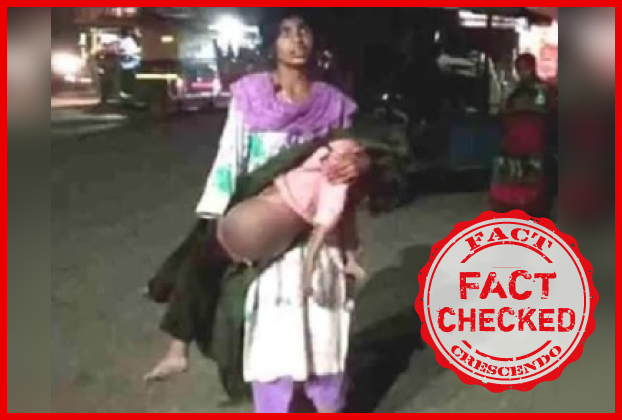
Claim: Doctors denied treatment for a Muslim boy in Uttar Pradesh
Publisher’s rating: FALSE
The review investigated a Facebook post alleging that a 9-year-old boy named Afraz was denied medical treatment because he was Muslim. The post used a photograph of a woman carrying a child’s body and asserted that the boy had been killed for that reason in Uttar Pradesh. The review says it traced the image through a reverse-image search to an incident on May 27, 2019, in Shahjahanpur district. According to the review, Afraz’s parents took him to the district government hospital because he was unwell. Doctors said his condition was serious and advised taking him to Lucknow for further treatment. The parents sought ambulance assistance, but the review reports that the hospital did not provide appropriate help. Afraz’s mother then carried him toward another hospital; he died on the way. The account therefore describes a failure involving transport assistance, not evidence that doctors refused to treat him because of his religion. The review also reports the hospital’s account: staff said the parents left with the boy to seek treatment elsewhere and had not asked them for other assistance. It notes that the parents said an ambulance could have helped them take him to another hospital, while the hospital denied that they had requested further help. The investigation concluded that the evidence it found did not support the post’s allegation of religious discrimination. Its account does not establish that the boy could have been saved, or resolve the conflicting accounts about the request for assistance.

முதல் படம் கொத்தமல்லி, இரண்டாவது படம் பார்த்தீனியம் எனும் விஷயச் செடி. நாம் வாங்கும் கொத்தமல்லி கொத்தில் கலந்து வருகிறது. இதனை நீக்கி பயன்படுத்துங்கள். கவனிக்காமல் அதிகமாக உபயோகப்படுத்தினால் இனம் புரியாத தோல் வியாதி, ஆஸ்துமா, மூட்டு வலி, கிட்னி பிரச்சனை வரும்.
Publisher’s rating: True
யாருக்காவது பயன்படும் பகிர்ந்து கொள்ளுங்கள். நவம்பர் 28-ம் தேதியில் இருந்து டிசம்பர் 5-ம் தேதி வரை குழந்தைகளுக்கு இலவச இருதய சிகிச்சை அளிக்கப்படுகிறது. 8 மருத்துவர்கள் இங்கிலாந்தில் இருந்து வருகிறார்கள். தொடர்பு கொள்ள வேண்டிய முகவரி, விஜயா ஹாஸ்பிடல், மொபைல் நம்பர் 9380901361 , 9710507105, 9629288403 ..இந்த செய்தியை அதிகம் பகிரவும். பிஞ்சு குழந்தைகளின் நலனுக்காக…..
Publisher’s rating: Fake

Coconut oil acts like a antibiotic and can help prevent Dengue.
Publisher’s rating: FALSE

Este año van a cerrar el 50% de los quirófanos en Andalucía y 1.800 camas que han denunciado los sindicatos
Publisher’s rating: Engañoso
More bacteria found in men’s beards than dogs’ fur
Publisher’s rating: Correct