PeakMetrics / Fact Checks
Health & medicine fact checks
Explore claims publishers have checked about health & medicine. Read their original ratings and follow the evidence.
Search fact checks
Search by text or image13,677 published reviews in this topic

Claim: போவண்டோ குளிர்பானத்தில் எச்ஐவி கலந்துள்ளதா? Dont buy bovonto because it contains HIV
Publisher’s rating: Fact Crescendo Rating: False
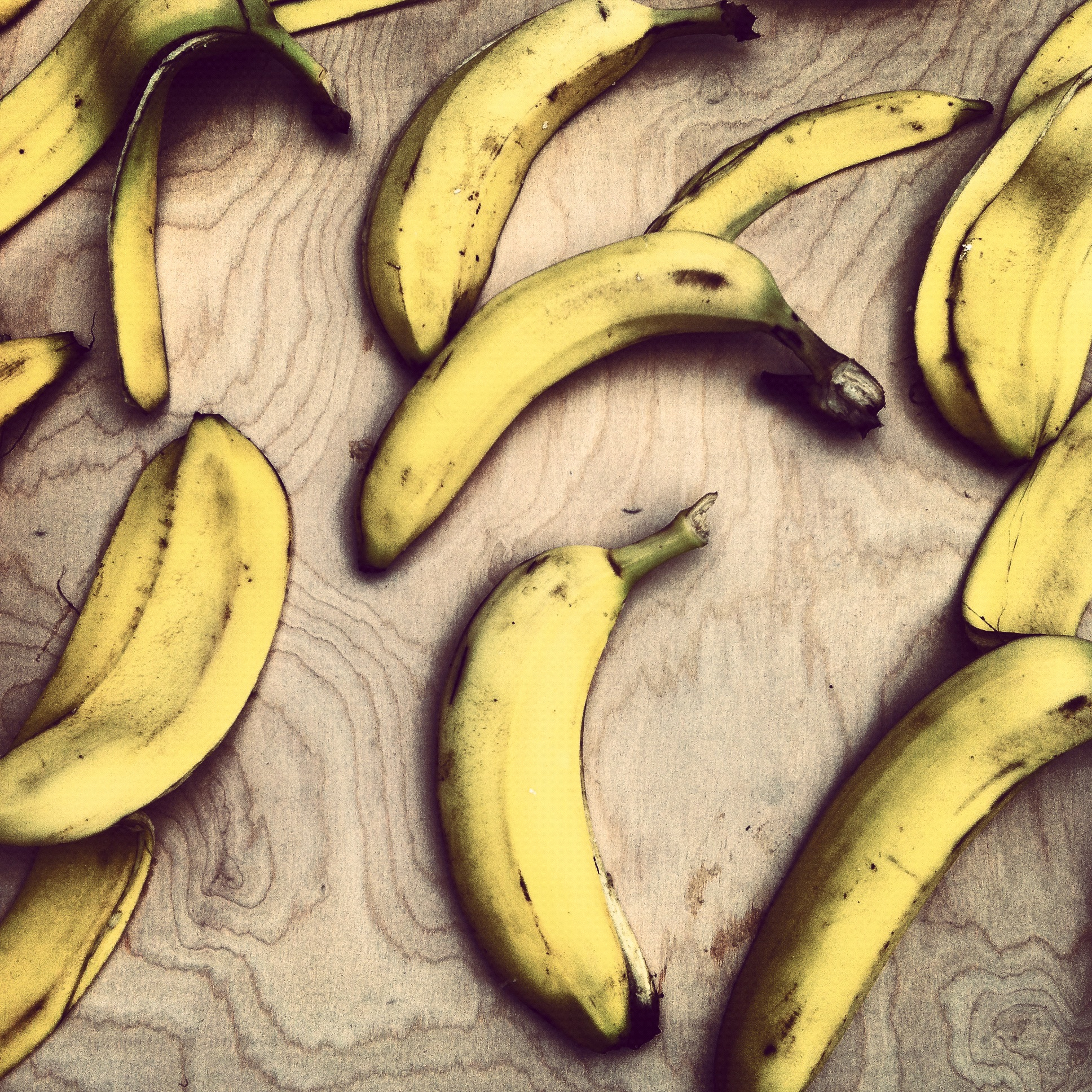
網傳「雞眼用香蕉皮就可以治好,太簡單了」?經查影片示範用香蕉皮治療雞眼,是因為用環狀物讓患部受力轉移,以及用密封效果來治療,並非香蕉皮的成分。
Publisher’s rating: 部分錯誤
The review examined a circulating video that showed a hard ring and a piece of banana peel placed over a suspected corn on the sole. It distinguished the video’s demonstrated method from the claim that banana peel’s ingredients cure corns: its conclusion was that any benefit shown was attributed to pressure redistribution and covering the area, not to the banana peel itself. The reviewers also concluded that banana peel’s ingredients cannot treat corns. [S1: “影片示範用香蕉皮治療雞眼,是因為用環狀物讓患部受力轉移,以及用密封效果來治療,並非香蕉皮的成分。 二、香蕉皮的成分無法治療雞眼。”] To assess what the video showed, the review consulted two dermatologists. One said that corns and viral warts can look similar and that magnification may be needed to distinguish them, but judged the visible lesion more likely to be a corn. The other described the visible sole as having a pit with thickened skin around it, also resembling a corn. These are assessments from the video’s appearance, not a definitive diagnosis of the person shown. [S1: “雞眼和病毒疣外觀類似,需要用放大鏡才能辨識兩者的不同,單就影片顯示的患部來判斷,比較可能是雞眼。”] The review reported that a dermatologist explained corns as abnormal thickening of skin associated with uneven pressure on the foot. Treatment can involve removing or softening the thickened skin and reducing pressure; comfortable, soft shoes may also help. For the video’s banana-peel approach, one dermatologist said banana peel contains salicylic acid, but at a concentration too low to dissolve the corn’s thickened skin. The other said a sufficiently hard ring could shift the force away from the corn, while the effect of the peel itself was difficult to determine. [S1: “香蕉皮中含有水楊酸,但濃度非常低,不足以溶解雞眼的角質。”]

網傳「把清涼油塗抹到雞眼表面,隨後用香菸熏...雞眼裡的蒂頭就會被熏死」?經查: 雞眼是因為皮膚受到不正常外力壓迫,導致皮膚角質過度增生,進而壓迫到神經,產生疼痛。如果清涼油有軟化角質的成分,可能對治療雞眼有一些幫助,但效果不大,而用香菸的溫度不足以破壞皮膚組織,因此無法起作用。因此,此為「錯誤」訊息。
Publisher’s rating: 錯誤
The review addresses the specific viral remedy in the claim: putting cooling oil on a corn and then smoking it to kill a supposed core. It explains that a corn forms when abnormal or sustained pressure causes skin to thicken; the thickened skin can press on nerves and cause pain. A dermatologist from Shuang Ho Hospital, Jin Yi-an, described pressure and walking posture as possible contributors, while dermatologist Hu Shu-ling likewise linked corns to excessive pressure at a point on the skin. The review reports consulting those two dermatologists about both what causes corns and how they are treated. Jin said standard treatment includes freezing, salicylic acid or other keratolytic agents to soften skin, or shaving down the thickened skin; severe cases may require electrocautery or surgery. Hu said relieving the force on the affected area may allow the corn to resolve. These points give context for why an ingredient that softens or dissolves keratin could matter, but do not establish that cooling oil itself is an effective treatment. On the proposed remedy, Jin said cooling oil might help somewhat if it contains a skin-softening ingredient, but would be less effective than salicylic acid at dissolving keratin. Hu said efficacy depends on the oil’s ingredients: products containing salicylic or fruit acids could potentially treat a corn. The review separately concludes that smoking the area would not work: it says the cigarette’s heat is insufficient to destroy skin tissue. Thus the evidence does not support the claimed smoking step, and any possible effect of the oil is conditional on its ingredients and described as limited.

தமிழ்நாடு காவல்துறை அதிர்ச்சி தகவல் ! யாரும் பவண்டோ (bovonto) குளிர்பானத்தை வாங்க வேண்டாம் என்று தெரிவித்து உள்ளது. ஏனென்றால், அந்த கம்பெனியில் வேலை செய்யும் ஒருவரின் இரத்தம் ஒரு பாட்டிலில் கலந்து விட்டது. முக்கியமானது, என்னெவென்றால் அவர் எய்ட்ஸ் நோய் பாதிக்கப்பட்டவர். முடிந்தவரை, ஒரு மாதம் வரை யாரும் வாங்க வேண்டாம் என்று தெரிவித்து உள்ளார்கள். இதே செய்தியை ஆங்கில செய்தி தொலைக்காட்சியான NDTV-யும் நேற்று ஒளிபரப்பியது. ஆகையால், நண்பர்களே முடிந்தவரை உங்களுடைய அனைத்து வாட்ஸ் அப் மற்றும் ஃபேஸ்புக் நண்பர்களுக்கு பகிருங்கள்.
Publisher’s rating: Fake
«Eine der größten Gesundheitslügen» sei die positive Auswirkung von Fluorid auf Zähne, heißt es in der Überschrift eines Online-Artikels. Im ersten Absatz des Textes wird die folgende Behauptung aufgestellt: «In fast allen Zahnpasten befindet sich nämlich Fluorid, welches die Zähne massiv angreift und den Zahnschmelz langsam aber sicher zerstört.»
Publisher’s rating: Fluorid schadet den Zähnen nicht, das Gegenteil ist der Fall.
The online article described in the review claims that fluoride in toothpaste attacks teeth and gradually destroys enamel. The review counters that account by describing fluoride as protective against tooth decay, rather than as something that damages teeth. It cites Stefan Zimmer, a specialist in public health dentistry, who says fluoride is the decisive factor in preventing cavities and points to 300 international clinical studies on fluoride toothpaste as evidence of its effectiveness. The review also reports Zimmer’s comparison of twice-daily brushing with fluoride toothpaste against fluoride-free toothpaste: he says the fluoride toothpaste reduced cavities by more than 30 percent. This addresses the claim through a reported comparison of dental outcomes, although the excerpt does not identify the individual studies or provide details of their design, participants, or analysis. On the proposed mechanism of harm, the review quotes Dietmar Oesterreich of the German Dental Association, who explains that fluoride becomes incorporated into the tooth’s crystalline structure, making the tooth harder and more resistant to acid attacks. It further says that dental and scientific organizations recommend topical fluoride exposure, including through toothpaste, for local prevention. The supplied review does not provide the underlying study texts or independently describe their methods, so those details cannot be assessed from this excerpt alone.
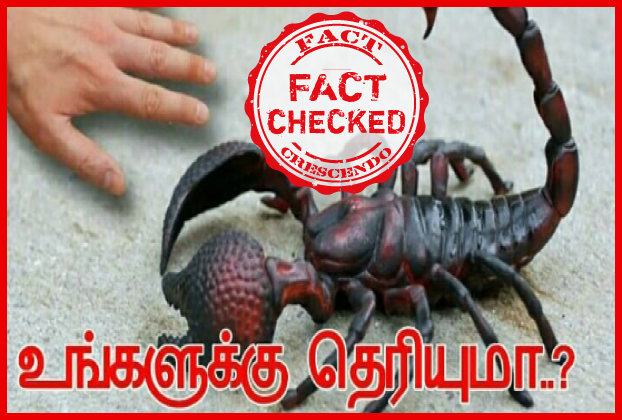
Claim: Scorpion sting can prevent from Heart diseases
Publisher’s rating: Fact Crescendo Rating: False
Fact Crescendo examined a viral social-media claim that a person stung by a scorpion would not develop heart disease. The post also attributed protection from other illnesses to bee and wasp stings, and claimed that venom prevents disease. The review describes the heart-disease claim more specifically: it alleged that a scorpion’s venom prevents fatty deposits in heart blood vessels and makes later heart surgery or angioplasty unnecessary. The investigation searched for the named substance in the post, “marketine,” and reported finding no such result. Searching alternate spellings led it to margatoxin and a 2010 research article. But, according to the review, that work was still at the research stage; margatoxin had not been introduced as a medicine or treatment. This distinction matters: an early research finding is not evidence that a scorpion sting prevents heart disease in people. The review also reports asking two specialists about the claim. Government Siddha doctor Vikram Kumar called it false and said there was no research evidence that scorpion, bee, or wasp stings prevent these diseases. He noted that heart disease has multiple contributing factors and could still occur in someone who had been stung. Herbal researcher M. Maria Belcin likewise said margatoxin had not been confirmed as a treatment and that no one had been treated by injecting scorpion venom. The review concludes that the viral claim is false; the evidence it presents does not support using a sting or venom as prevention or treatment.

ThromboBliss మందులు వాడితే రెండు రోజుల్లో డెంగ్యూ తగ్గిపోతుంది.
Publisher’s rating: MISLEADING

媒體報導「研究:生氣1小時=熬夜6小時」?經查後並無具體研究來源,為錯誤訊息。
Publisher’s rating: 錯誤
The review investigates the claim that one hour of anger consumes as much physical energy as six hours without sleep. It reports that versions of the claim had circulated in Chinese-language posts since 2004, but those versions did not identify a specific study. The review’s researchers, with assistance from the Emerging Technology and Media Center, searched the U.S. National Library of Medicine’s PubMed database and found no paper reporting this result. The review distinguishes two anger-related studies it did find, published in 2014 and 2015, from the claim: those papers concerned anger and cardiovascular events, not equivalence between anger and sleep loss. The review also reports a psychiatrist’s assessment that the comparison cannot be tested meaningfully without agreed ways to define and measure anger, staying up late, and energy expenditure. Because those terms lacked shared definitions, the claimed comparison could not be quantified or statistically compared. On the evidence described, the claim had no identified research source and no scientific basis; the review characterizes it at most as a metaphor asserting that anger is more tiring than staying up late.


Jarum Suntik Mengandung Virus HIV/AIDS di Toilet Umum
Publisher’s rating: 1
"First of all, if we do nothing in terms of the health care, I think the estimate is, we will be spending as a nation $50 trillion."
Publisher’s rating: True, but...
“The average American will pay less for health care under Medicare for all.”
Publisher’s rating: Maybe.
Eight claims on the powers of sweet potato leaves to cure various cancers
Publisher’s rating: Half of the claims are TRUE, other half are MISLEADING, INACCURATE, UNPROVEN
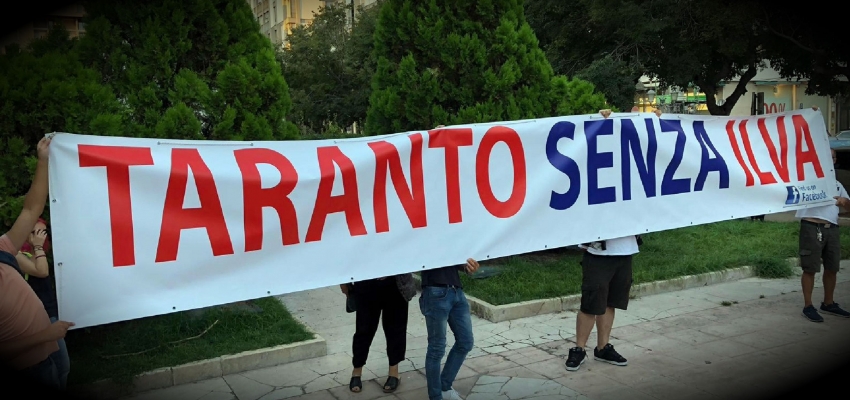
«Indagini epidemiologiche successive hanno evidenziato come il 50% dei bambini di Taranto tra gli 0 e gli 15 anni si ammalasse di tumore e, di questi, il 21% non sopravviveva alla patologia».
Publisher’s rating: Pinocchio andante
The claim concerned children aged 0–15 in Taranto: it said that half developed cancer and that 21 per cent of those children died of the disease. The review traces the figures to a 2014 update from Italy’s National Institute of Health (ISS) on child health in the Taranto Site of National Interest (SIN). The report examined cancer incidence for 2003–2010 and general mortality for 2006–2008 among children aged 0–14, comparing the results with reference populations. The review says Bonelli’s statement misrepresented what those comparisons measured. For cancer incidence, the review reports 20 observed cases against 13 expected. It explains that the resulting 54 per cent figure was the excess over the expected number of cases—not the share of Taranto children who developed cancer. For mortality, the 21 per cent figure referred to general deaths from natural causes compared with the expected number, not the proportion of children with cancer who died. The review further reports five cancer deaths among the 20 observed cancer cases, and characterizes cancer mortality as 11 per cent above the expected level. Its conclusion is that the claim confused relative differences from expected counts with proportions of children, and also conflated general mortality with deaths from cancer.
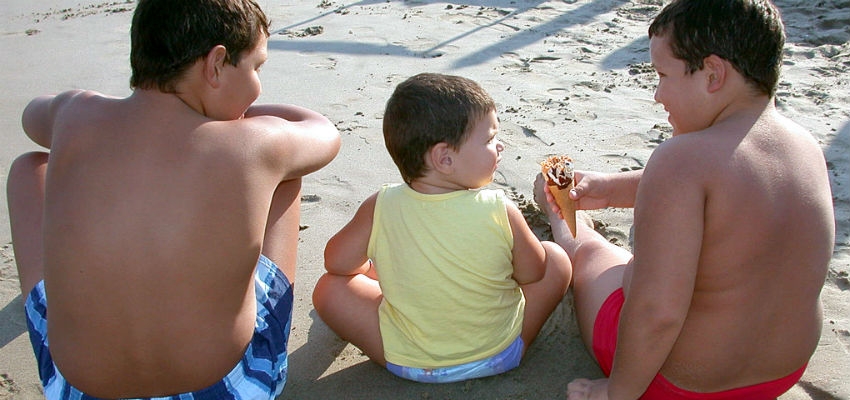
«Oggi l'incidenza dell'obesità in Italia tra i ragazzi fino a 12 anni è superiore alla media dell'Unione europea»
Publisher’s rating: C'eri quasi
The claim concerned remarks by Economy Minister Roberto Gualtieri in a November 3, 2019 interview with La Stampa: he said obesity among children in Italy up to age 12 was more prevalent than the EU average. The review distinguishes obesity from the broader category of “excess weight,” which includes both overweight and obesity. That distinction matters because some statistics available for children around this age group measured excess weight, not obesity alone. [S1: “Il 3 novembre 2019, in un’intervista a La Stampa, il ministro dell’Economia Roberto Gualtieri ha difeso la tassa sulle bevande zuccherate, dicendo che «oggi l’incidenza dell’obesità in Italia tra i ragazzi fino ai 12 anni è superiore alla media dell’Unione europea».”; “Quindi obesità e sovrappeso sono due cose diverse.”] The review reports that the latest cited OECD figures, reproduced by Italy’s national statistics agency, covered children aged 7–8 rather than all children up to age 12. For that specific age group, the reported obesity rate in Italy was 18 percent, compared with a 12 percent European average; only Cyprus was higher, at 20 percent, and Spain matched Italy. Those figures support a comparison for 7- and 8-year-olds, but do not establish the same comparison for Gualtieri’s broader age group. [S1: “Nel 2017 (dati più aggiornati) l’Italia ha registrato per i bambini tra i 7 e gli 8 anni di età uno dei tassi di obesità più alti dell’Ue: nel nostro Paese, il 18 per cento della popolazione in questa specifica fascia di età era obeso.”; “Con una media europea del 12 per cento”; “Peggio di noi fa solo Cipro (20 per cento).”] The review says it could not find an obesity rate specifically for children up to age 12, or a European comparison for that group. The available Italian figure for ages 11–13 was 22.3 percent with excess weight, but it did not separate overweight from obesity and had no EU comparison in the cited report. The review also says it contacted Istat and the Higher Institute of Health, neither of which knew of specific data on obesity among children up to 12. Its conclusion is therefore that the claim’s comparison may fit the narrower 7–8 age group, but cannot be applied as stated to children up to 12. [S1: “I dati Ocse (ripresi dall’Istat) sull’obesità non fanno però riferimento a questa singola fascia di età”; “Secondo Istat, in Italia il 22,3 per cento dei giovani di età compresa tra gli 11 e i 13 anni è sovrappeso o obeso. Non c’è, però, su questo specifico dato un confronto con gli altri Paesi Ue.”; “entrambi si sono detti all’oscuro dell’esistenza di dati specifici riguardo l’obesità fra i bambini fino a 12 anni”]
Virus babi bernama Hog Cholera atau atau demam babi menular pada manusia
Publisher’s rating: Keliru
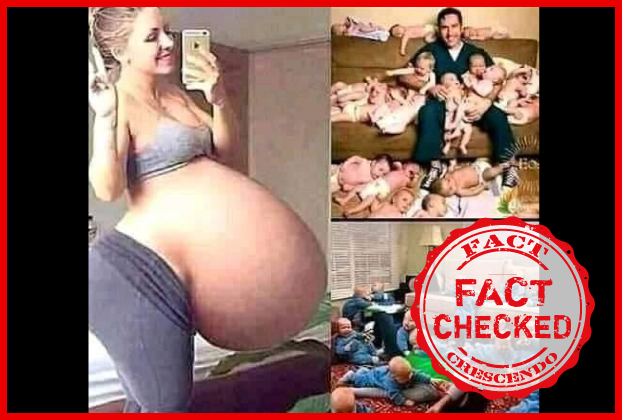
Claim: Woman gives birth to 19 babies at a time
Publisher’s rating: FALSE

Se recauda dinero para la investigación contra el cáncer cada vez que compartes una foto
Publisher’s rating: Falso
The claim concerns a WhatsApp chain promising that sharing a particular image would contribute one euro to cancer research. Newtral reports that the message said that, if the image were shared on WhatsApp, “se «dedicará un euro la investigación contra el cáncer».” The review says the National Police had already rejected the chain in a post on its official Twitter profile on 19 October 2017. The review’s conclusion is that sharing a message or image on WhatsApp or Facebook does not raise money. It specifically includes the image of a girl said to need a bone-marrow transplant, as well as a separate appeal involving a Macaco music video. Those examples clarify that the review addresses the fundraising mechanism claimed in the chain—not whether cancer research or charitable donations are worthwhile. It recommends donating to nonprofit organizations such as the Spanish Association Against Cancer (AECC) as a way to support cancer-fighting efforts.
یک سوم مردم اروپا داروهای ضدافسردگی مصرف میکنند و مصرف در ایران از این هم بیشتر است.
Publisher’s rating: نادرست