PeakMetrics / Fact Checks
Health & medicine fact checks
Explore claims publishers have checked about health & medicine. Read their original ratings and follow the evidence.
Search fact checks
Search by text or image13,677 published reviews in this topic
Foto ikan yang diklaim tercemar logam berat yang bisa membuat orang yang memakannya terserang penyakit kulit.
Publisher’s rating: Keliru
Mehrere Beiträge in sozialen Netzwerken behaupten, Fluorid sei Fluor und damit hochgradig giftig. In einem Facebook-Post heißt es zum Beispiel: «Wir brauchen kein Fluor für gesunde Zähne und auch keine Fluoridisierung nach einer Zahnreinigung beim Zahnarzt!»
Publisher’s rating: Fluoride haben andere chemische Eigenschaften als reines Fluor.
The review examined social-media posts claiming that fluoride is fluorine and therefore highly toxic, including a Facebook post saying fluoride is unnecessary for healthy teeth and after dental cleaning. It distinguishes elemental fluorine from fluoride compounds: fluorine in its elemental form is described as a toxic, corrosive gas, while the review says that binding it with another substance, such as sodium, substantially reduces its toxic effect. The post’s wording conflates those chemically different forms. The review reports that fluoride compounds used in dentistry include sodium fluoride, sodium monofluorophosphate, amine fluoride and stannous fluoride, and notes that fluoride is found in nearly all toothpaste. It also challenges the post’s claim that fluoride is unnecessary for healthy teeth, citing dental specialist Stefan Zimmer, who described fluoride as a key factor in preventing tooth decay and referred to clinical research on fluoride toothpaste. On effectiveness and safety, the review reports Zimmer’s statement that brushing twice daily with fluoride toothpaste, compared with a fluoride-free cream, reduces tooth decay by more than 30 percent. It also says the poisoning risk from fluoride toothpaste arises only when it is used incorrectly. These points address the post’s broad claims about dental use and toxicity; the excerpt does not provide further detail about the cited studies or specify what improper use entails.
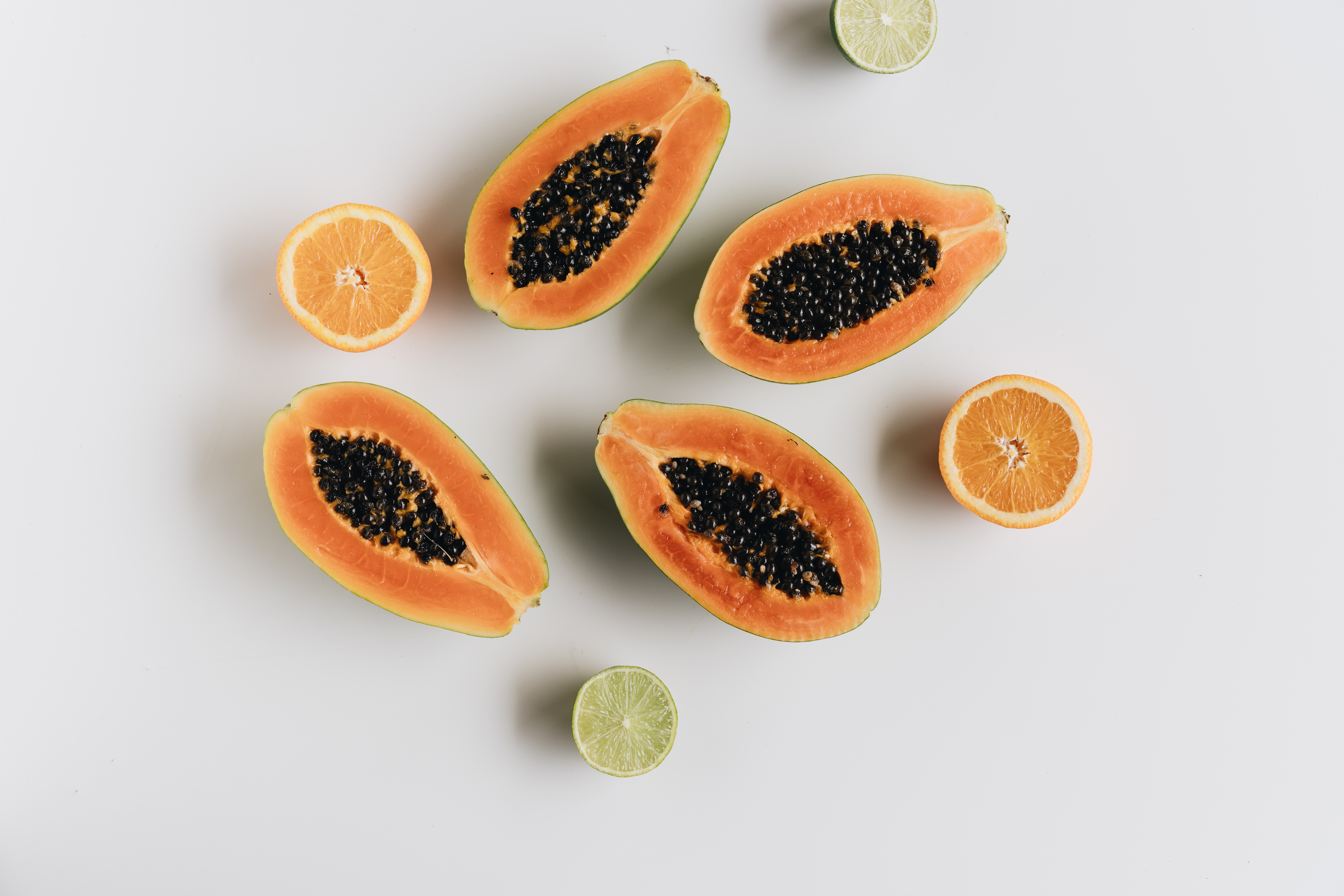
網傳「木瓜加食鹽,對付腰突、坐骨神經痛的一把好手,腰椎通了全身輕鬆?」,經查:專家指出,木瓜加食鹽,並沒有治療椎間盤突出、坐骨神經痛的功效。椎間盤突出屬於物理性所造成的疼痛,無法靠單一食物就能治癒。此傳言為「錯誤」訊息。
Publisher’s rating: 錯誤
The Taiwan FactCheck Center examined a circulating claim that papaya mixed with salt could treat a herniated disc and sciatic pain. Its review interviewed neurosurgeon Fang Pengxiang and nutritionist Zhang Silan about the conditions and the proposed food remedy. Fang explained that a herniated disc can press on nerves and cause pain, while Zhang said papaya with salt has no special nutritional effect beyond the nutrients already in papaya. The central question was whether this mixture could treat the conditions. Zhang said pain caused by nerve compression cannot be effectively eliminated by food, and that food may serve as a form of dietary care but cannot treat disease. Fang likewise said a physical narrowing or compression between the vertebrae cannot be cured by one food and advised having a doctor assess the cause. The review therefore found no basis for the claimed treatment effect. The report also distinguishes the ordinary fruit shown in the circulating material from a term that may have contributed to confusion: Fang said the papaya referred to in some traditional-medicine usage is not the common fruit, but the medicinal herb known as xuan mu gua. That distinction does not support the claim about eating ordinary papaya with salt.

एक कैंसर का उपचार आविष्कार हुआ, किसी भी स्टेज के कैंसर का इलाज 48 घंटों में
Publisher’s rating: FALSE

தெரிந்து கொள்வோம் ! மீன் சாப்பிடும் போது கண்டிப்பாக தயிர் சேர்த்து சாப்பிடக் கூடாது. ” Leucoderma ” என்னும் வெண்புள்ளிகள் தோன்ற இதுவே ஒரு முக்கிய காரணமாகும் . தினமும் பேரிச்சம்பழம் சாப்பிட்டால் வெண்புள்ளிகள் நிரந்தரமாக மறையும். முடிந்தவரை இதை உங்களின் நண்பர்களுக்கு பகிருங்கள்.
Publisher’s rating: Fake

網傳「中國的YouTuber指出她的朋友買了二手衣服,穿在身上間接得了鼠疫」,經查:此傳言是來自中國YouTuber經營的娛樂頻道,並非有可信度的新聞報導。染病鼠蚤會找活體宿主,即使二手衣被病患穿過,染病鼠蚤不會停留在二手衣上。即使衣物上殘留病患的膿液,因鼠疫桿菌對於乾燥、熱、紫外線環境抵抗力弱,因此膿液帶有活菌機率低,應不足以構成傳染條件。因此,此傳言為「錯誤」訊息。
Publisher’s rating: 錯誤
The review examined a rumor that a Chinese YouTuber’s friend contracted plague after buying and wearing secondhand clothing. The fuller version alleged that a morgue worker took clothes from people who were to be cremated, washed them, and sold them on to shops and online marketplaces. The review identified the video’s source as the Chinese YouTube channel “神秘劇場,” whose video presented that account; the review said the video was no longer playable after a third party made a copyright claim. It also described the channel’s other videos and characterized the channel as entertainment rather than reliable news reporting. To assess whether clothing could transmit plague in the way described, the review consulted Taiwan’s Centers for Disease Control (CDC) and interviewed two specialists: Kun-Hsien Tsai, an associate professor at National Taiwan University’s College of Public Health, and Nan-Chang Chiu, director of the medical department at MacKay Children’s Hospital. The review reports that the CDC said infected fleas seek living hosts and do not remain on secondhand clothing, and that plague is not transmitted directly through clothing or environmental objects. It also reports that flea bites and inhalation of fresh droplets from an infected person are transmission routes. The review considered a separate possibility: infected fluid left on clothing. According to its account of the CDC’s advice, plague bacteria are vulnerable to drying, heat, and ultraviolet light, making viable bacteria in such residue unlikely to create sufficient conditions for infection. Tsai said contact with infectious fluids could pose a risk through wounds or mucous membranes, but described that route as uncommon compared with bites from infected fleas. Chiu said clothing and cardboard are not suitable environments for fleas to survive long-term, and that washing would make survival still less plausible. The review therefore found the claimed clothing-borne infection scenario unsupported by its evidence.

Any food item containing HIV-infected blood can cause AIDS if consumed.
Publisher’s rating: FALSE


అస్సాంలో పుట్టిన వింత రాక్షస శిశువు వీడియో. ఆ శిశువు పట్టుకోవడం వల్ల హాస్పిటల్ నర్స్ మరణించింది.
Publisher’s rating: FALSE
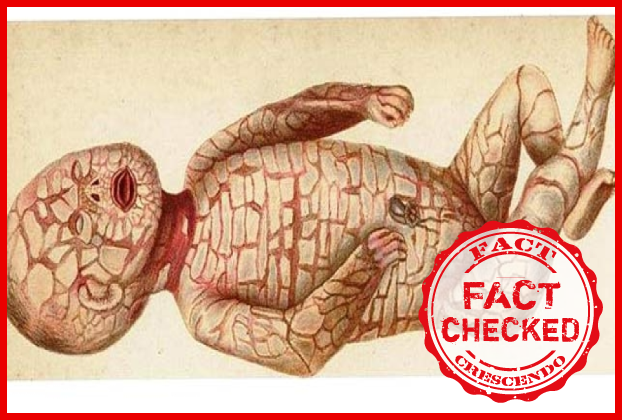
Claim: Demon baby born in Assam
Publisher’s rating: Fact crescendo Rating: False


網傳女性耳鼻出血照,並宣稱「大多學生遭藍色化學酸性液體水柱沖擊,呈現失溫狀態及耳膜震裂,估計已有多位同學傷重,血流不止」,經查:照片中的女性是印尼九歲小女孩Dicha Larasati,她的口鼻和耳朵流血是因為一種罕見的血小板異常疾病—巨大血小板症候群。傳言流傳的時間是香港理工大學示威者受困的18日和19日期間,當時進入香港理工大學校園救援的香港紅十字會表示,示威者的傷勢包括:頭部和身體其它部位擦傷或有開放性傷口、呼吸不暢、手臂和下顎懷疑骨折、燒傷、傷口發炎等。此傳言為「錯誤」訊息。
Publisher’s rating: 錯誤
The claim attributed a photograph of a woman bleeding from her ears, nose and mouth to injured protesters at Hong Kong Polytechnic University. It further asserted that students had been struck by a blue acidic chemical spray and suffered ruptured eardrums and uncontrollable bleeding. The review says the image began circulating in connection with protesters trapped at the university on November 18 and 19, 2019, but that its subject was not a protester. To check the image’s identity, the Taiwan FactCheck Center used reverse-image search and sought help from Indonesian fact-checking organization MAFINDO. The review reports that the original photographs came from Indonesian Facebook account Dicha Larasati, where they were posted on November 18; the first post claiming the subject was a Hong Kong Polytechnic University student appeared after midnight on November 19. MAFINDO identified the girl as nine-year-old Dicha Larasati, whose parents said she had giant platelet syndrome, a rare condition associated with bleeding. The review separately examined the claim about injuries at the university by interviewing the Hong Kong Red Cross, whose first-aid teams had entered the campus during the period in question. The Red Cross reported treating 71 people across several visits, including on November 18 and 19. Reported injuries included cuts or open wounds, breathing difficulties, suspected arm and jaw fractures, burns and inflamed wounds. It said its first-aid teams had found no cases matching the claim of ruptured eardrums or uncontrollable bleeding from the ears, mouth and nose. The image’s misidentification and the Red Cross’s account of the cases it treated therefore do not support the claim as presented.
Het is bewezen dat minder dan zeven uur slapen slecht is
Publisher’s rating: eerder waar

網傳「這幾天看到中國鼠疫爆發,然後發現一個很可怕的傳染途徑,就是紙箱。。。。。跳蚤很喜歡產卵在紙箱上面,鼠疫傳染方式也是跳蚤」,經查: 紙箱並非活體宿主,染病鼠蚤不會停留在紙箱。此外,鼠疫桿菌不會直接透過紙箱來傳播。染病鼠蚤不會透過經卵傳播的方式將病菌傳至下一代,即使紙箱有染病鼠蚤產卵、孵化,其所產下的卵、孵化的幼蟲、結成的蛹,都不會帶有鼠疫桿菌。此為「錯誤」訊息。
Publisher’s rating: 錯誤
The rumor said that fleas might lay eggs in cardboard boxes and that boxes could therefore carry plague, linking the concern to reports of plague in China and online shopping. The review examined whether cardboard could serve as a route of transmission; it did not claim that fleas or plague are impossible risks in every setting. It reports that Taiwan’s Centers for Disease Control had issued a clarification on November 23, 2019, describing the usual route as an infected flea biting another host after acquiring plague bacteria while feeding on an infected rodent. The review explains that infected fleas become intensely hungry and seek live hosts for blood, so they would not remain on boxes or clothing. It also reports that flea eggs do not carry plague bacteria. In an interview, National Taiwan University associate professor Tsai Kun-hsien described the flea’s four life stages—egg, larva, pupa, and adult—and said only an adult that bites an infected rodent can acquire the pathogen. Eggs laid by an infected flea, and the resulting larvae and pupae, do not inherit the bacteria. The review also quotes Mackay Children’s Hospital medical director Chiu Nan-chang, who said clothing and boxes are not environments in which fleas can survive for a long time and that transmission by this route is very unlikely. Its conclusion is therefore specific: a cardboard box is not itself a plague-transmission route, and flea eggs or immature stages in a box would not carry the plague bacteria. The review does not establish that a particular box was inspected or that fleas could never be present; its reasoning addresses whether the described box-and-eggs pathway can transmit plague.
Cadbury products produced this week have HIV infected blood of a worker.
Publisher’s rating: False
«IMPFEN ist Hauptursache für Krebs», wird in der Überschrift eines Artikels behauptet, der in sozialen Netzwerken kursiert. Diese Worte werden einem angeblich renommierten Krebsforscher zugeschrieben
Publisher’s rating: Die Behauptung, Impfen sei die «Hauptursache für Krebs», ist falsch.
The article in circulation claimed that vaccination is the main cause of cancer and attributed the statement to a supposedly renowned cancer researcher. The review examines that specific claim, including whether vaccine production can introduce contaminants linked to cancer. It says the Robert Koch Institute and Paul-Ehrlich Institute jointly addressed that issue in their responses to common objections to vaccination, including the question of contaminants that might cause diseases such as cancer. The review reports that the institutes see no cancer danger from vaccines. It notes that cells from tumor tissue are used to produce influenza viruses, but says those cells cannot cause cancer and that their components do not enter the vaccine. The review therefore distinguishes the use of cells in production from the presence of those cells in the finished vaccine. It also traces the headline’s background to historical concerns about polio vaccines. The review says polio viruses were once grown using cells from rhesus-monkey kidneys, and that SV40 viruses entered the serum. It reports that polio vaccines before 1961 were contaminated with SV40, but emphasizes that a causal link between SV40 and tumors was not established: researcher Erhard Geißler said there was no definitive answer on whether the virus contributed to tumor formation or entered tumors later. The review adds that epidemiological studies suggested asbestos in combination with the virus could trigger cancer.

A cancer-affected child fighting for his survival.
Publisher’s rating: FALSE
The claim concerned a Facebook post shared in November 2019, which showed a child and asked for financial help on the basis that he was suffering from cancer. FACTLY identified the child as Aryan Kumar and reported that he had died in August 2018—more than a year before the post appeared. That chronology contradicts the post’s portrayal of him as a child then fighting for survival. The review describes how it traced the image: FACTLY cropped it and used Google reverse image search, which returned an article from the news website Janjwar. The review says that article identified the child as Aryan Kumar and reported his death after a doctor administered a wrong injection at a clinic in Siwan, Bihar, while he was being treated for an illness. FACTLY says a second news report using the same image also corroborated his death in August 2018. The evidence establishes that the pictured child was not alive when the 2019 post circulated, but it does not establish whether he had cancer before his death. FACTLY explicitly says the two articles did not mention cancer and that it could not independently verify whether he had suffered from it. The review also checked the post’s appeal that likes, comments, and shares would generate money, reporting that Facebook’s Help section said it did not provide such funds.
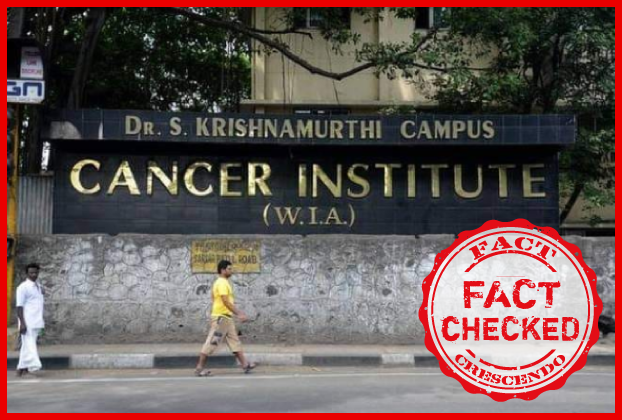
Claim: Adyar Cancer Institute offers free medicine for blood cancer
Publisher’s rating: FALSE
The review examines a social-media post claiming that a newly discovered medicine could cure blood cancer and was being provided free at Adyar Cancer Institute in Chennai. It describes the post as giving the hospital’s address and phone number and encouraging people to share the information. The review says this rumor had prompted people to call and visit the hospital. To check the claim, the reviewer first called the number in the post to verify whether it belonged to Adyar Cancer Institute. After the call was answered with the hospital’s name, the person hung up when the reviewer began describing the claim. The reviewer then contacted a doctor at the institute with help from a doctor they knew. According to the review, that doctor apologized for the call being cut off, said such calls came in every day, and rejected the claim that the hospital offered the asserted treatment. The doctor reportedly clarified that Imitinef Mercilet is used for a type of blood cancer, but does not cure every type; the review also reports the doctor’s statement that there is no single medicine in the world that cures all blood cancers. The review further says its search found reporting that the medicine is used for chronic myeloid leukemia (CML) and is available at cancer treatment centers across India. Thus, the evidence described does not support the post’s broader claims of a cure for blood cancer or exclusive, free provision at Adyar.
கலிகால பிரசவம் அஸ்ஸாமில் ஒரு பெண்ணுக்கு பிரசவ வலி ஏற்பட்டு மருத்துவமனைக்கு கொண்டு செல்லும் வழியில் உயிரிழப்பு. டாக்டர்கள் வயிற்றில் ஆப்ரேஷன் செய்து குழந்தையை காப்பாற்றிய மருத்துவர்கள் அதிர்ச்சியில் உறைந்து போயினர். வயிற்றில் அக்குழந்தை தன் தாயின் குடல் முழுவதும் தின்றதால் தாய் உயிரிழப்பு. அக்குழந்தையை வெளியே எடுத்த நர்ஸ் 3 மணி நேரத்தில் உயிரிழப்பு. அக்குழந்தை அகன்ற வாயுடன் கோரை பற்களுடன் பிறந்துள்ளது. பிறக்கும் போது 8 கிலோ எடையில் இருந்தது. 24மணி நேரத்தில் அக்குழந்தையின் எடை 13 கிலோவாக அதிகரிக்க, மருத்துவர்கள் 17 விஷ ஊசி போட்டு குழந்தையை கொன்றனர். இது உண்மையில் நடந்த சம்பவம்.
Publisher’s rating: Fake