PeakMetrics / Fact Checks
Health & medicine fact checks
Explore claims publishers have checked about health & medicine. Read their original ratings and follow the evidence.
Search fact checks
Search by text or image13,677 published reviews in this topic

Las dietas virales y los alimentos que curan el cáncer
Publisher’s rating: Falso
Campaña que pide seguidores en Instagram para financiar un tratamiento contra el cáncer
Publisher’s rating: Falso
Newtral investigated an Instagram account, @todosxlucia, which said that a child named Lucía had neuroblastoma and needed 500,000 followers so a company would pay for treatment. The account emphasized that it was asking people to share the post rather than donate money. Newtral’s conclusion was that the campaign’s premise was false: following an account does not cause a donation to be made to a charitable cause, and the account was using a real child’s cancer image to profit from selling an Instagram account. The review identifies the child in the image as Tessa, not Lucía. It says Tessa had neuroblastoma and that her parents had separately sought donations through GoFundMe to travel abroad for access to a clinical trial. That real fundraising effort was not the same as the Instagram account’s promise that reaching a follower target would prompt a company to pay for treatment. Newtral reports that the campaign’s proceeds were intended for the registered Tessa Garry Trust, with funds to be donated to a charity if Tessa did not need treatment. The evidence therefore distinguishes an actual family-led fundraising campaign from the unrelated Instagram account’s follower-based claim. Newtral describes the account operator as untraceable and the use of the child’s image as a way to profit from selling the account; the excerpt does not identify that operator or provide independent documentation of the account sale.

5 second rule: You can eat a food within 5 seconds of its dropping on floor
Publisher’s rating: False

Irish sheep after drinking Viagra went on a week-long uncontrollable sex drive.
Publisher’s rating: FALSE
The claim concerned a social-media post alleging that about 80,000 Irish sheep drank water mixed with Viagra and then experienced an uncontrollable sex drive for a week. FACTLY traced the story to the World News Daily Report and concluded that the post presented satirical news as real. The review notes that the source describes itself as a satirical media organization, rather than a source of literal reporting. To trace how the story spread, the review says it searched for coverage of the alleged incident and found that Outlook India, Dainik Jagran and Asianet News Hindi had also published it. It identifies the World News Daily Report as the first publisher located in those search results, and says Outlook India attributed the information to that site. This chain of attribution supports the review’s conclusion that the story originated as satire, not as verified reporting of an event involving sheep. The review also reports that a Pfizer spokeswoman, speaking to Mail Online, confirmed the story was fictitious and based on a satirical report. The supplied excerpt does not provide the spokeswoman’s exact words or details of any independent investigation into the alleged incident; the conclusion presented rests on the identified satirical origin, the attribution in later coverage, and the reported confirmation from Pfizer.
Zeolith und Bentonit sind erwiesen wirksam.
Publisher’s rating: Richtig
Fluorid ist vollkommen unschädlich.
Publisher’s rating: Falsch
Bentonit enthält schädliches Aluminium.
Publisher’s rating: Falsch
Zeolith ist nicht für den menschlichen Gebrauch zugelassen.
Publisher’s rating: Falsch
Basuki Tjahaja Purnama alias Ahok disebut mengalami masalah otak oleh dokter Taruna Ikrar
Publisher’s rating: Keliru
Vídeo del hospital de Salamanca que sirve para recaudar dinero
Publisher’s rating: Falso
The claim concerned a video said to show patients at Salamanca’s hospital and to raise money for cancer research through its views. Newtral says the circulating message asserted that money from views would go directly to cancer research. The video itself, the review reports, shows patients singing with staff at the Hospital Clínico de Salamanca. The decisive evidence described is an clarification from the person who uploaded the video: when Newtral accessed it, that uploader said it was not intended to raise money. This directly contradicts the viral message’s fundraising claim. The supplied article does not describe additional interviews, document checks or independent verification beyond examining the video and the uploader’s clarification.

網傳「每天睡前吃一點它(桑葚、核桃),不出一周白髮不見了」,經查:人的毛髮中有黑色素細胞生成黑色素,讓毛髮呈現黑色。黑色素細胞會隨著年紀、壓力等因素,導致自由基堆積,影響到黑色素生成,產生白頭髮。中醫理論中桑葚、核桃屬於能滋補肝腎的食材,有助延緩老化,但無法達成傳言指稱「一周內白髮不見了」的功效。白頭髮和洗頭髮的步驟無關。此傳言為「部分錯誤」。
Publisher’s rating: 部分錯誤
The Taiwan FactCheck Center examined a circulating claim that eating mulberries and walnuts before bed would make gray hair disappear within a week. The same message also offered hair-washing instructions as a way to restore dark hair. The review consulted a dermatologist and a traditional Chinese medicine physician about gray hair, the foods named in the claim, and whether washing practices could change hair color. The review explains that hair color comes from pigment produced by cells in hair follicles, and that aging and stress can affect pigment production. It reports the dermatologist’s view that mulberries and walnuts can be healthy foods, but that this does not show that eating them will reverse gray hair; the physician also said that modern medical research he had searched had not clearly established whether eating these foods can turn hair black. The review therefore does not substantiate the specific promise of visible results within a week. The article distinguishes traditional Chinese medicine explanations from evidence for the promised result: it says mulberries and walnuts are regarded in that tradition as nourishing the liver and kidneys and potentially helping slow aging, but this does not establish that they can make gray hair disappear. It also reports that hair-washing steps do not determine whether hair is gray, because washing does not affect the follicles’ physiological function.
Im Internet wird ein falsches Zitat von Sigmund Freud über «Jugendliche mit Asperger-Syndrom» verbreitet. Der österreichische Psychoanalytiker soll die These aufgestellt haben, dass diese «manipulierbarer» seien als andere
Publisher’s rating: Das Zitat stammt nicht von Freud. Der Begriff «Asperger-Syndrom» war zu seinen Lebzeiten unbekannt.
The claim concerns an online quotation attributed to Sigmund Freud that describes “adolescents with Asperger syndrome” as more manipulable than other people. The dpa fact-check examines both the attribution to Freud and whether the terminology fits his lifetime. Its account says Freud’s collected works contain neither the name “Asperger” nor the term “Asperger syndrome.” It also notes that Freud died in 1939, before the later use of Asperger’s name for the condition.

In einem Artikel wird behauptet, der US-Senator José Peralta sei an einer Grippeimpfung gestorben. In einem zweiten Teil des Beitrags wird die Erkrankung einer Frau an Multipler Sklerose auf eine Grippeimpfung zurückgeführt.
Publisher’s rating: Der US-Senator José R. Peralta ist an Leukämie gestorben, nicht an den Auswirkungen einer Grippeimpfung. Es gibt keine wissenschaftlichen Beweise, dass Grippeimpfungen das Risiko einer MS-Erkrankung erhöhen.
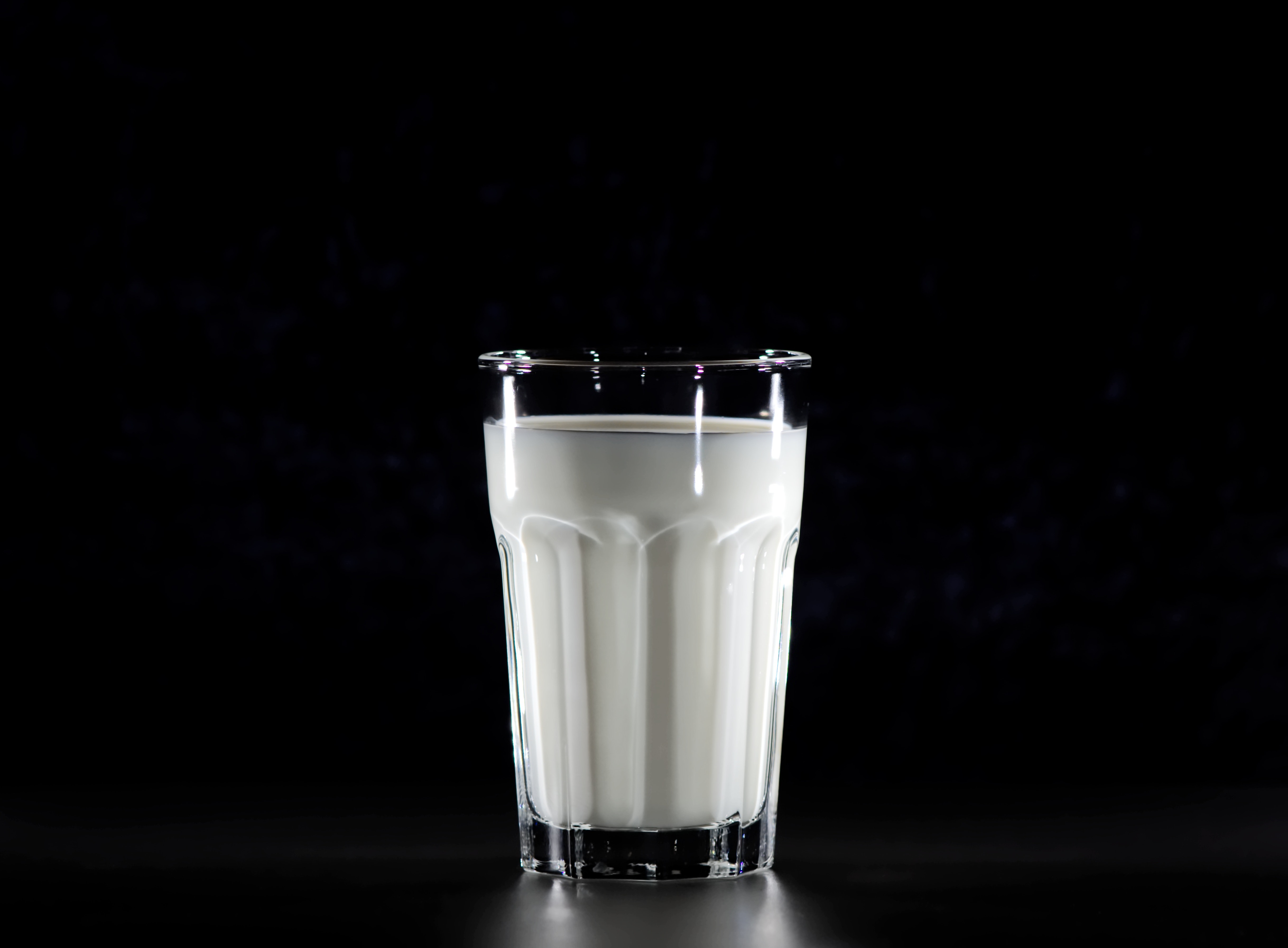
網傳「只要牛奶加上它(地瓜葉),三高、痛風、癌症都不見了」,經查:地瓜葉和牛奶的組合含有豐富的營養成分,可以幫助預防骨質疏鬆、延緩血糖上升,但對已罹患的疾病沒有治療效果。傳言所稱「可以治療三高、痛風和癌症」,並不正確。此傳言為「錯誤」訊息
Publisher’s rating: 錯誤
The review examined a circulating claim that drinking milk with sweet potato leaves could make “three highs,” gout, and cancer disappear. It describes versions of the claim shared on social media and content-farm sites, including a message promising that the combination would make gout disappear, keep people away from the three highs, and fight cancer. The review treats “three highs” as high blood pressure, high blood sugar, and high cholesterol. The review consulted a nutritionist at Taipei City Hospital’s Zhongxing Branch and a rheumatologist at Chiayi Chang Gung Memorial Hospital. They described milk as a source of protein, calcium, phosphorus, and vitamin B2, and sweet potato leaves as containing dietary fiber, vitamins, plant compounds, and minerals. The nutritionist said fiber can increase fullness and slow the rise in blood sugar; the review also describes potential preventive or risk-reduction benefits from nutrients in the leaves. Those benefits, however, are not evidence that the foods treat established disease. The rheumatologist emphasized that dietary help is not the same as treatment against a medical target. For gout, the review reports that dietary control may lower uric acid by about 1 mg/dL, while the treatment target is below 6.0 mg/dL and medication is needed to achieve it. The review also says the milk-and-leaf combination cannot meet cancer cure or remission goals, and notes that cancers differ in their mechanisms and treatments. It concludes that claiming one food combination treats several diseases is incorrect; people with diagnosed conditions should follow medical advice and treatment.
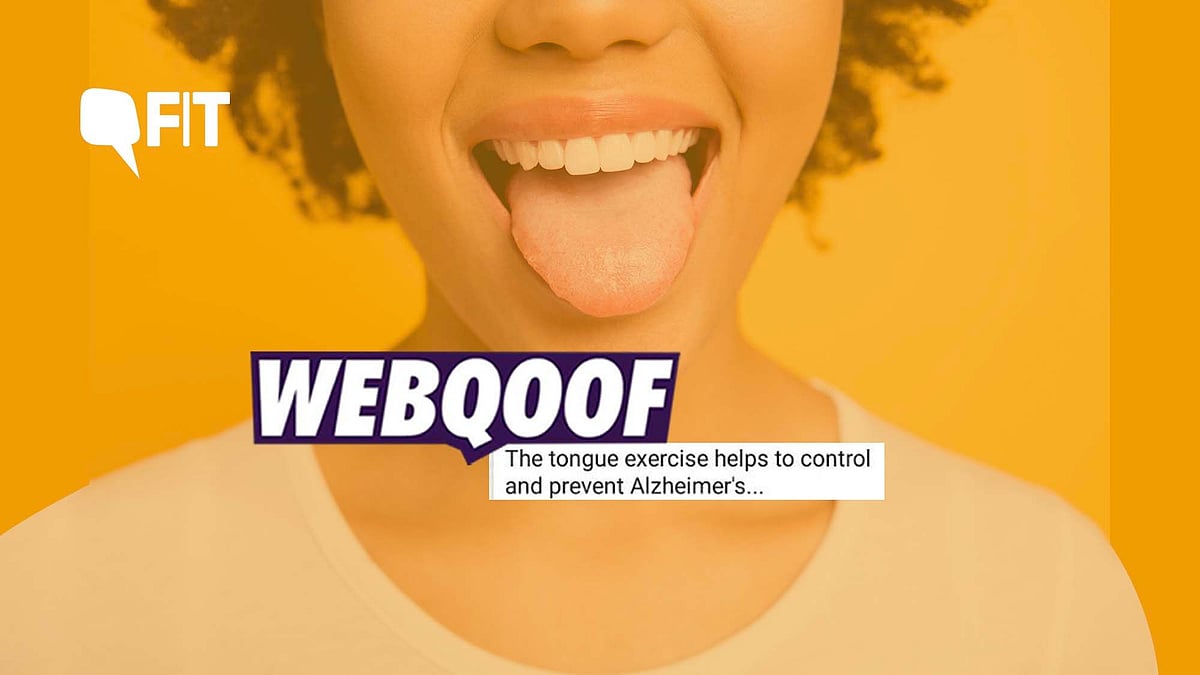
Tongue exercises can help prevent Alzheimer’s in people.
Publisher’s rating: FALSE

«La povertà alimentare purtroppo affligge 4 milioni di persone in Italia»
Publisher’s rating: C'eri quasi
Teresa Bellanova, then Italy’s agriculture minister, posted on Facebook around the National Food Collection Day that food poverty affected four million people in Italy. The investigation explains that the figure is difficult to verify precisely because there was no specific, up-to-date measure of food poverty: Istat did not use a dedicated indicator, and its broader absolute-poverty measure already included the need for adequate food. The review therefore compared the claim with available estimates and with counts of people receiving food assistance, which measure related but not identical things. An earlier Banco Alimentare study, published in 2009, estimated that about three million people lived in food poverty under a trial threshold based on household food spending. The review says that estimate had not been updated in the following decade. It also reports that the 2018 Istat estimate of people in absolute poverty was about five million, but cautions that this broader category cannot by itself establish the number experiencing food poverty specifically. The review found that Bellanova did not cite a source for her four-million figure, and Banco Alimentare’s press office said it did not come from the organization’s measurements. The figure probably referred instead to people who received food through the EU’s Pead programme in 2012. By 2018, the successor Fead programme had provided food aid to just under 2.7 million people in Italy. The investigation concluded that the four-million estimate was plausible given the range of figures, while emphasizing that it was not a current, directly measured count of food poverty.
媒體報導南韓之研究:「南韓研究:每天吃3到5克蠶寶寶粉可治療阿茲海默症」,經查:南韓媒體確有報導此研究,研究者曾在受訪時建議:「60公斤成人每天食用5公克左右蠶粉,有助於預防失智症發生。」南韓研究團隊表示弘蠶為營養補充品,屬於「食品」,而非「藥品」,不須經人體實驗,人體攝取量為套用公式計算之結果。台灣食藥署指出,就台灣標準而言,健康食品不能宣稱有療效,若宣稱有治療阿茲海默症的療效,就必須要以藥品的檢視標準來看待。目前台灣治療阿茲海默症的藥品主要有兩類,分別為:乙醯膽鹼酶抑制劑、Memantine麩氨酸NMDA受體之拮抗劑,上述藥品才能宣稱治療阿茲海默症。
Publisher’s rating: 事實釐清
The review found that South Korean media did report on research involving “Hongjam,” a processed mature silkworm product, but the evidence described in the report was not a human trial establishing that it treats Alzheimer’s disease. The South Korean Rural Development Administration’s September 18, 2019 news release described research by a team at Hallym University’s Ilsong Institute of Life Science. The reported experiments fed Hongjam to mice with Alzheimer’s-related genes and assessed amyloid-beta accumulation in their brains; the release also described experiments using fruit flies. The review’s account says the mouse work lasted 50 weeks and reported no amyloid-beta accumulation in the brains of the Hongjam-fed mice, unlike the comparison mice. [S1] The claimed daily intake has a narrower basis than the headline suggests. The Korean government news release did not give the 3–5 gram recommendation. The review traced the roughly 5-gram suggestion for a 60-kilogram adult to an interview with Hallym professor Young Ho Ko in a report by MBC News Daegu; it separately notes that YTN’s narration mentioned 3–5 grams. A Korean research-team member told the fact-checking center’s Korean partner that the study was at the animal-experiment stage and that the human quantity was calculated from animal metabolism using a formula—not established through human testing. [S1] The review also distinguishes a food or supplement from a medicine: the team described Hongjam as food, not a drug, and said a human clinical trial was not required for that food research. Taiwan’s Food and Drug Administration, as quoted in the review, said that a health food cannot claim therapeutic effects in Taiwan; claiming to treat Alzheimer’s would require assessment under drug standards. The evidence therefore supports that the research and media reports existed, but not the stronger implication that daily silkworm powder was shown to treat Alzheimer’s in people. [S1]

Han hallado una “vacuna contra el cáncer de mama” y ha servido para curar por primera vez a una mujer
Publisher’s rating: Falso
The claim concerns a woman who received an experimental breast-cancer vaccine at the Mayo Clinic and whether the vaccine had cured her. The review identifies her as Lee Mercker, who was treated at the Mayo Clinic in Jacksonville, Florida. It reports that Mercker described evidence of tumor-cell elimination and an immune response after vaccination, but says those observations did not establish that the treatment had cured her cancer. The clinic told the review that the vaccine had not cured her.