PeakMetrics / Fact Checks
Health & medicine fact checks
Explore claims publishers have checked about health & medicine. Read their original ratings and follow the evidence.
Search fact checks
Search by text or image13,676 published reviews in this topic
Im Internet kursiert die Behauptung, die Weltgesundheitsorganisation WHO habe Belarus «bestechen» wollen, um einen Lockdown zur Eindämmung der Corona-Pandemie im Land zu erzwingen. Mehr als 900 Millionen Dollar (Stand Mitte August: 755 Mio Euro) solle das Land für diese Zusagen erhalten. WHO und der Internationale Währungsfonds (IWF) hätten das Land damit «erpresst».
Publisher’s rating: Das Gegenteil ist der Fall: Das frühere Weißrussland hatte selbst angesichts der Corona-Krise eine Kredithilfe beim IWF angefordert. In diesem Zusammenhang stimmt ebenfalls nicht, dass die Weltgesundheitsorganisation WHO über einen derartigen Kredit verhandelt habe.
Mund-Nasen-Bedeckungen zur Eindämmung der Corona-Pandemie sollen angeblich der Gesundheit schaden. Der Grund: Unter ihnen sammle sich zu viel Kohlendioxid (CO2). Als Beleg wird ein Video verbreitet, in dem die Luft unter dem Mund-Nasen-Schutz beim Atmen mit einem CO2-Messgerät analysiert wird. Innerhalb einer Minute zeigten sich dabei vermeintlich «Werte, die gesundheitsschädlich sind».
Publisher’s rating: Die Messung in dem Video ist irreführend, denn das Gerät ist nicht für diesen Zweck konzipiert. Das Tragen einer Mund-Nasen-Bedeckung ist für gesunde Menschen grundsätzlich unbedenklich und führt nicht zu Sauerstoffmangel.
The claim concerns a video in which a CO2 meter is used to test air beneath a face covering; the video presents readings recorded within a minute as allegedly harmful. The review explains that the device shown is designed to analyse room air, not the conditions beneath a mask, so those readings do not establish that wearing a mask causes a dangerous buildup of carbon dioxide. It reports that the meter’s results are distorted when used in this setting. Professor Uwe Pliquett, of the Institute for Bioprocessing and Analytical Measurement Techniques, told dpa that simple infrared sensors are calibrated for ordinary room conditions, including a pressure of one bar, room temperature and average humidity. Exhaled air has a high CO2 level, which can make a room-air device alarm; the higher pressure under a mask can also increase its displayed reading by 10 to 20 percent. The air beneath a mask is not equivalent to the air a person breathes in, since a person inhales more air than the air held under the covering. The review also distinguishes ordinary face coverings from cases involving respiratory illness and from higher-resistance professional masks. It says a rise in CO2 is unlikely with a simple surgical mask or homemade covering because these are not completely airtight. FFP2 and FFP3 masks have greater breathing resistance, and the review notes that this may be burdensome for sick patients; it does not present the video’s measurement as evidence of harm to healthy people. It also addresses a separate claim based on a 2004 dissertation: that work found a slight increase in blood CO2 after surgical-mask use, but did not find a decrease in oxygen saturation.
EL DIÓXIDO DE CLORO SIRVE PARA TRATAR A PACIENTES CON COVID-19 POSITIVO
Publisher’s rating: Falso


Photo of COVID-19 infected gods being treated by Hindu Priests in India
Publisher’s rating: FALSE
The claim concerns a photo said to show Hindu priests treating gods infected with COVID-19 in India. FACTLY’s review identifies the image as showing idols on beds, but reports that it was taken in Russia in 2019, before the COVID-19 pandemic, during a Pancha-Tattva deity-installation ceremony. That chronology and event identification contradict the claim’s description of the image as COVID-19 treatment in India. (S1: “The photo was taken in Russia in 2019 i.e. before the COVID-19 pandemic. The idols were placed on the beds as part of the ‘Pancha-Tattva: Installation of deities’ ceremony.”) The review describes how it traced the image: a Yandex reverse-image search led to a video with the same idols and beds. FACTLY says that video was uploaded to VK in July 2019 and that the same user also posted a video titled “Installation of Sri Sri Pancha-tattva, 27.07.2019, Omsk.” The review identifies Omsk as a Russian city. These details connect the depicted scene to a pre-pandemic ceremony in Russia, rather than to the claimed event in India. (S1: “When the photo was run through Yandex Reverse Image Search, a video with similar visuals was found in the search results. The same idols and beds, as seen in the photo, can be also found in the video.”; “In the title, the word – ‘Omsk’ can be seen. ‘Omsk’ is a city in Russia.”) FACTLY also reports finding other ceremony photos and a VK comment saying the idols were placed on beds as part of the official ceremony. Its conclusion is that neither the tradition nor the pictured scene has a connection to COVID-19. The supplied excerpts do not include the underlying social-media post, video, or comment, so those materials are described here as evidence reported by the review, not as independently examined evidence. (S1: “Few more photos from the ceremony, which was held in Russia, can be seen here, here, here, and here.”; “So, neither the tradition nor the picture in the post has any connection with COVID-19.”)

Ivermectina está evitando mortes por covid-19 na Etiópia e na Austrália. A droga "salva sua vida, sim".
Publisher’s rating: FALSO: Não há nenhuma pesquisa que tenha comprovado o sucesso da ivermectina para salvar vidas de pacientes com covid-19. Tampouco Etiópia e Austrália distribuíram o medicamento para a população, como mencionado em vídeo investigado pelo Comprova

#விழிப்புணர்வு....... சமையலறையில் எப்போதும் ஒரு பை கோதுமை மாவு வைத்திருங்கள், அது எங்குள்ளது என்பதை அனைவருக்கும் தெரியப்படுத்துங்கள். * தயவுசெய்து படிக்காமல் நீக்க வேண்டாம் * சிறிது நேரம் முன்பு, நான் corn கொதிக்கவைத்தேன், சோளம் தயாரா என்று பார்க்க சிறிது குளிர்ந்த நீரை கொதிக்கும் நீரில் ஊற்றினேன். தவறுதலாக நான் கையை கொதிக்கும் நீரில் நனைத்தேன் .... !! வியட்நாமிய கால்நடை மருத்துவராக இருந்த எனது நண்பர் ஒருவர் வீட்டிற்கு வந்திருந்தார். அதனால் நான் வேதனையுடன் அலறும்போது, என்னிடம் வீட்டில் (கோதுமை) மாவு இருக்கிறதா என்று கேட்டார். நான் கொஞ்சம் கொடுத்தேன், அவர் என் கையை மாவில் வைத்து சுமார் 10 நிமிடங்கள் காத்திருக்கச் சொன்னார். வியட்நாமில் ஒரு பையன் ஒரு முறை 🔥எரிந்ததாக அவர் என்னிடம் கூறினார். அவர் மீது நெருப்பு மற்றும் பீதியுடன் யாரோ ஒருவர் தனது உடலெங்கும் ஒரு சாக்கு கோதுமை மாவு ஊற்றி தீயை அணைக்க முயன்றார். ஆனால் தீ அணைக்கப்பட்டது மட்டுமல்ல, சிறுவன் மீது தீக்காயங்கள் எதுவும் இல்லை !!!! என் சொந்த விஷயத்தில், நான் 10 நிமிடங்கள் மாவுப் பையில் என் கையை வைத்தேன், பின்னர் அதை அகற்றிவிட்டேன், அதன் பிறகு எரிந்த எந்த சிவப்பு அடையாளத்தையும் கூட நான் பார்க்க முடியவில்லை. மேலும், முற்றிலும் இல்லை. இன்று நான் ஒரு பை கோதுமை மாவு குளிர்சாதன பெட்டியில் வைத்திருக்கிறேன், நான் தீ படும் ஒவ்வொரு முறையும் மாவைப் பயன்படுத்துகிறேன். உண்மையில் குளிர்ந்த மாவு அறை வெப்பநிலையில் இருப்பதை விட மிகவும் சிறந்தது. நான் ஒரு முறை என் நாக்கை சுட்டுகொண்டேன், அதன் மீது சுமார் 10 நிமிடங்கள் மாவு வைத்தேன் .... வலி நின்றுவிட்டது. எனவே எப்போதும் உங்கள் குளிர்சாதன பெட்டியில் குறைந்தபட்சம் ஒரு கோதுமை மாவு பாக்கெட் வைத்திருங்கள். மாவு வெப்பத்தை உறிஞ்சும் திறனைக் கொண்டுள்ளது மற்றும் இது வலுவான ஆக்ஸிஜனேற்ற பண்புகளைக் கொண்டுள்ளது. இதனால், எரிந்த நோயாளிக்கு 15 நிமிடங்களுக்குள் பயன்படுத்தினால் அது உதவுகிறது. உங்களுக்கு நன்மை பயக்கும் மதிப்பை யாராவது பகிர்ந்து கொள்ளும்போது, அதை மற்றவர்களுடனும் பகிர்ந்து கொள்ள உங்களுக்கு தார்மீகக் கடமை இருக்கிறது. எனவே இதை மற்றவர்களுடன் பகிர்ந்து கொள்ளுங்கள்.
Publisher’s rating: Fake
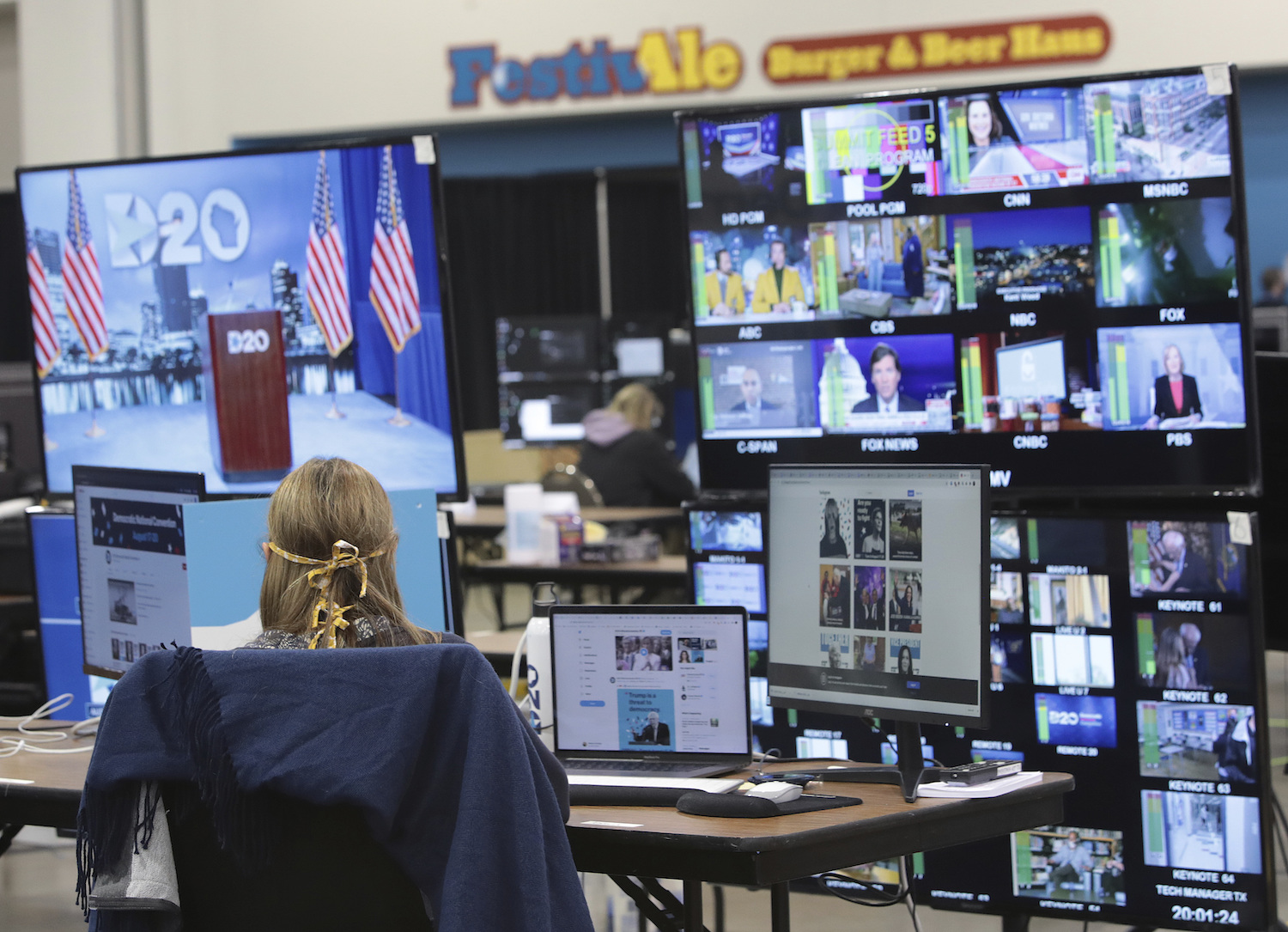

Número de mortes registradas por covid-19 no país está supervalorizado, incluindo óbitos por pneumonia, AVC e infarto.
Publisher’s rating: Enganoso: Ministério da Saúde divulga informações consolidadas somente até 2018, o que torna impossível as comparações de óbitos de 2019 e 2020. Dados de cartórios apresentam limitações como atualização constante de registros. Comprova identificou recentemente alterações mesmo no número de óbitos ocorridos no ano passado.
YERBA MATE PROHIBIDA EN SUPERMERCADOS POR SER UN FOCO DE CONTAGIO DE COVID-19
Publisher’s rating: Falso
Op sociale media gaat een bericht rond waarin wordt beweerd dat de PCR-test een rhinovirus vindt in plaats van het SARS-CoV-2-virus. Volgens het bericht zou het nieuwe coronavirus ook al maanden geleden uitgedoofd zijn, maar wat is daar precies van aan?
Publisher’s rating: Het is onmogelijk dat een PCR-test een ander virus zal vinden, omdat zulke testen specifiek onderzocht worden om corona te detecteren. Ook de bewering dat het nieuwe coronavirus al maanden geleden uitgedoofd is, klopt niet.
The DPA review examines a social-media post claiming that PCR tests identify rhinovirus rather than SARS-CoV-2, and that the new coronavirus had already died out months earlier. It treats these as two separate assertions: whether a coronavirus PCR test could return a positive result because rhinovirus is present in the sample, and whether the virus had stopped spreading by mid-August 2020. The review identifies a Facebook post as the claim’s source, but the supplied excerpt does not provide further details about that post’s author or provenance. For the testing claim, the review describes the procedure as taking cells from the nose and/or throat and sending the swab to a laboratory. It cites the Dutch National Institute for Public Health and the Environment’s explanation of PCR testing and quotes Steven Van Gucht, head of virology at Belgium’s Sciensano. Van Gucht says these tests are designed to detect the new coronavirus and that rhinovirus cannot make a coronavirus PCR test positive, describing the viruses as belonging to different families. The review also notes that DPA had previously examined PCR-test effectiveness, though the excerpt does not give that earlier examination’s findings. For the claim that the virus had died out, the review points to an earlier DPA fact-check of an RIVM graph taken out of context. It says that review showed the virus was still spreading. The article adds a qualification about the situation at the time: intensive-care wards were not full in mid-August, but had not always been so. It says RIVM epidemiological reports showed these results. The excerpt does not reproduce the graph or report data, so it supports describing the review’s cited evidence and qualification, not independently assessing the underlying figures.
Ein Dokument, das der Bundestag vor einigen Jahren veröffentlichte, wird in einem Blog-Artikel verbreitet. Angeblich soll es bestätigen, dass es keine Corona-Pandemie gebe.
Publisher’s rating: Das Robert Koch-Institut und weitere Behörden spielten 2012 in einer Risikoanalyse das Szenario einer Pandemie durch. Es handelt sich dabei um eine theoretische Analyse, nicht um eine konkrete Vorhersage. Von der aktuellen Pandemie ist in dem Dokument nicht die Rede.
The claim concerned a blog post that presented a Bundestag document as confirmation that there was no coronavirus pandemic. The document in question was the “Report on Risk Analysis in Civil Protection 2012,” published by the Bundestag on January 3, 2013. The review explains that the report presented two risk analyses and describes their purpose as assessing possible hazards, their likelihood and expected harm—not as declaring whether a particular outbreak was happening. [S1: “Im «Bericht zur Risikoanalyse im Bevölkerungsschutz 2012», der am 3. Januar 2013 vom Bundestag veröffentlicht wurde, werden unter anderem die Ergebnisse zweier Risikoanalysen dargestellt.”] One analysis considered a hypothetical pandemic caused by “Modi-Sars,” a pathogen with realistic properties. The review says several authorities conducted the analysis, with the Robert Koch Institute (RKI) providing technical leadership. It was a scenario exercise involving a new pathogen and an “extraordinary epidemic event,” rather than a report about the coronavirus pandemic then under way. [S1: “Eine der beiden Risikoanalysen bezieht sich auf eine Pandemie - eine sich schnell weltweit verbreitende Krankheit - durch den Erreger «Modi-Sars». Der Erreger ist hypothetisch, hat jedoch realistische Eigenschaften.”] [S1: “Die Analyse wurde von verschiedenen Behörden gemeinsam durchgeführt, die fachliche Leitung lag beim Robert Koch-Institut (RKI).”] The report itself also says that the appearance of new diseases cannot be specifically forecast: in practice, it is not possible to predict which new infectious diseases will emerge, where they will occur or when. That qualification describes the limits of forecasting; it does not establish that a later pandemic was unreal or nonexistent. The review therefore distinguishes a past, hypothetical planning exercise from a claim about the current pandemic. [S1: “Es ist aber in der Praxis nicht vorhersehbar, welche neuen Infektionskrankheiten auftreten, wo sie vorkommen werden und wann dies geschehen wird. Daher ist eine spezifische Prognose nicht möglich.”]
Auf Facebook kursiert eine Nachricht, die Krebspatienten aufhorchen lassen dürfte. Eine «völlig neue Technologie» könne sie schnell wieder gesund machen: Krankenbetten mit künstlicher Intelligenz (KI). Diese könnten den Körper scannen, um Krankheiten wie Krebs zu diagnostizieren. Ein angehängtes Bild zeigt dabei einen Raum mit diversen Hightech-Apparaturen. In der Mitte: eine bläulich schimmernde Liege. Das vollmundige Versprechen: Wer etwa an Leukämie leidet, sei in einem sogenannten Med-Bett «in etwa 2,5 Minuten» geheilt.
Publisher’s rating: Leider ist die Vorstellung einer solchen Wundertechnik zu schön, um wahr zu sein: Das Bild zeigt keine neuartigen Krankenbetten - vielmehr handelt es sich um ein 3D-Modell etwa für Filme und Computerspiele. Künstliche Intelligenz kommt zwar in der Krebsforschung zum Einsatz. Eine Heilung innerhalb von Minuten ist laut Experten jedoch derzeit nicht möglich.
The Facebook post claimed that a futuristic bed equipped with artificial intelligence could scan the body for cancer and cure someone with leukemia in about 2.5 minutes. The review examined both the pictured device and the broader claim about what AI could do in cancer care. The image was traced to a 3D model by designer Anton Cermak, who works in Slovakia and offers such models through his company, Scifica. The model was listed on ArtStation and TurboSquid, where its description identified it as a “futuristic Sci-Fi laboratory,” not a hospital room or a medical bed. Thus, the image was not evidence of an operating treatment technology. The review also distinguished real AI research from the post’s claim. It describes projects using AI to detect cancer-related features or assist doctors, including research on identifying molecular changes in tumors and a system that searched scans of mice for metastases and individual tumor cells. It also notes that a German company had developed a certified laser-and-AI device intended to support early detection of skin cancer, but that it was being used only for studies. The review reports that experts were unaware of any bed able to detect or cure cancer with AI in minutes.

Estudo da USP confirma eficácia da hidroxicloroquina. Nome do medicamento é suprimido nas manchetes
Publisher’s rating: FALSO: Ao contrário do que diz publicação compartilhada por procurador da República, pesquisa não comprova a eficácia da hidroxicloroquina contra a doença provocada pelo novo coronavírus

Vídeo em que um médico diz que vários estados e prefeituras deixaram de prescrever a cloroquina por causa do estudo da Lancet, retratado em junho, o que teria causado a morte de pacientes com covid-19.
Publisher’s rating: FALSO: Não há nenhuma comprovação de que governos estaduais ou prefeituras, no Brasil, tenham restringido o uso de cloroquina durante período em que esteve publicado um estudo na revista Lancet. Além disso, não existe comprovação científica de que a cloroquina tenha eficácia contra o novo coronavírus
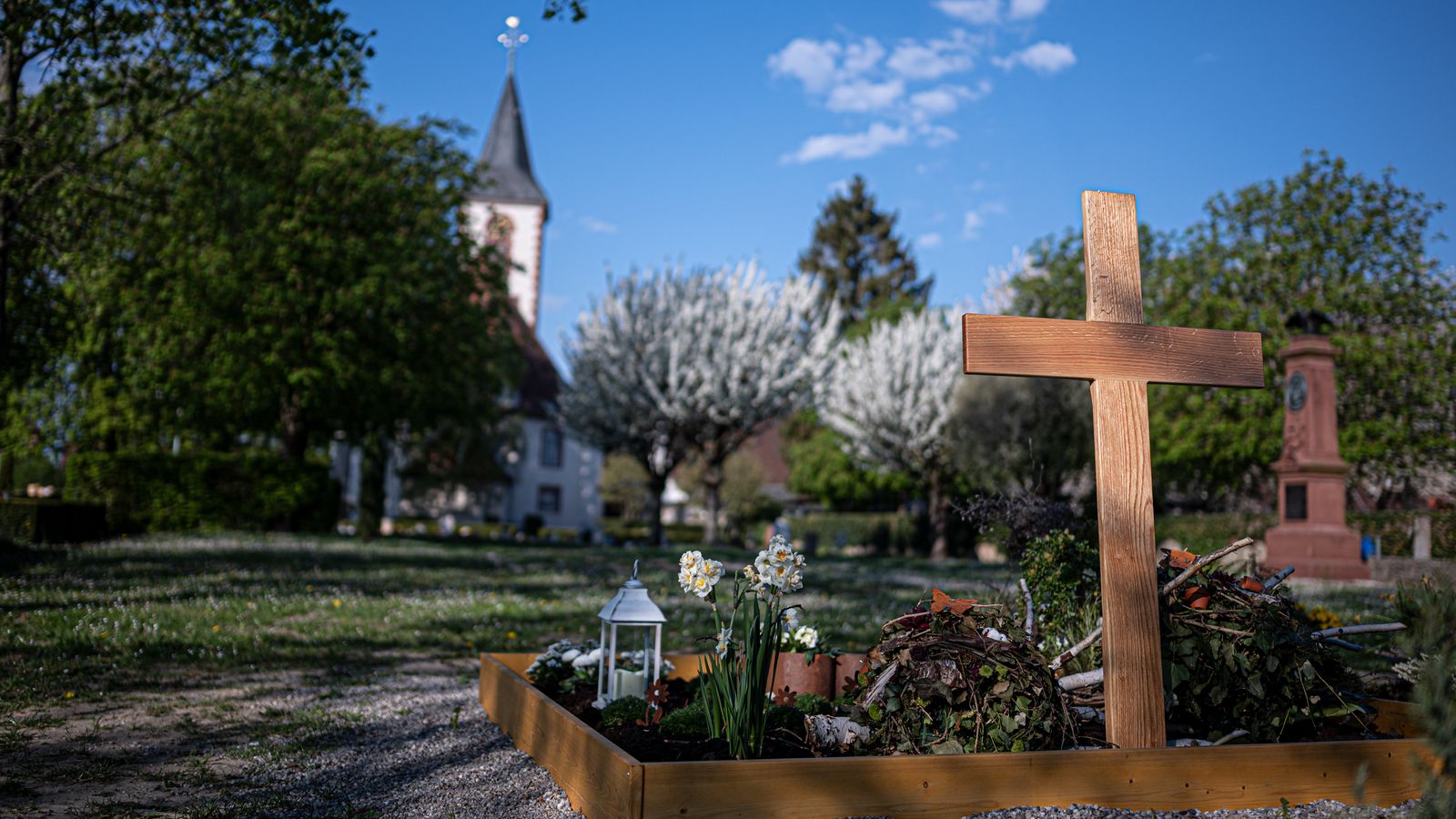
Angehörige erhalten eine Lügenprämie, wenn sie ein Formular unterschreiben, indem sie ihre verstorbenen Verwandten als Corona-Tote ausgeben.
Publisher’s rating: Die Aussage ist unbelegt. Der Claim Author nennt keine Quelle und liefert keine Belege. Es spricht nichts dafür, dass die Behaupung stimmt. Im Mai hat sich bereits eine ähnliche Behauptung als Gerücht herausgestellt.