PeakMetrics / Fact Checks
Health & medicine fact checks
Explore claims publishers have checked about health & medicine. Read their original ratings and follow the evidence.
Search fact checks
Search by text or image13,676 published reviews in this topic
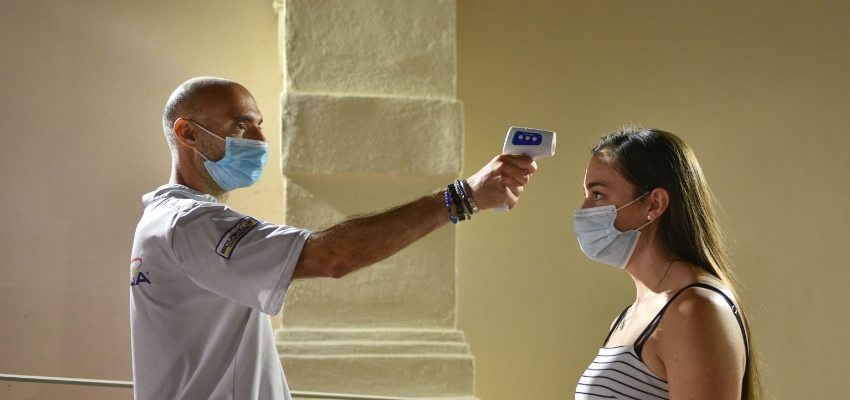
«Sento dire ultimamente che i numeri sono alti come quelli del mese di maggio: non possiamo assolutamente cadere nel tranello del titolo di giornale acchiappa attenzione. I dati bisogna guardarli contestualizzati, inseriti nel periodo in cui vengono analizzati e i dati di oggi ci dicono che i malati di oggi non sono gli stessi di quei mesi. Sono persone più in forze, sono in quarantena e non tanto in terapia intensiva»
Publisher’s rating: C'eri quasi

"And while this virus touches us all, we've got to be honest. it is not an equal opportunity offender. Black, Latino and indigenous people are suffering and dying disproportionately."
Publisher’s rating: True based on available data
Protest rallies held in June and July contributed to the upsurge of COVID-19 cases in the Philippines.
Publisher’s rating: No Basis
Okra can cure Type 2 diabetes
Publisher’s rating: False.
Research from related reporting addresses okra water—not okra in every form—and its possible effects on blood sugar in people with diabetes. The article describes proposed benefits including fibre that may slow sugar absorption and compounds that may affect insulin sensitivity. It also reports that studies suggest okra may reduce fasting blood glucose, while effects on longer-term HbA1c measurements were less consistent. Those possible effects concern blood-sugar management, not evidence that okra eliminates type 2 diabetes. (Source: S4.) The article draws that distinction explicitly: it says okra water is “not a cure and should not replace prescribed medications,” and frames any potential role as alongside a balanced diet. Thus, the evidence supplied supports a limited claim about possible blood-sugar effects, not the claim that okra cures type 2 diabetes. The excerpt does not provide study names, designs, or results in enough detail to independently assess the underlying clinical evidence. (Source: S4.)

網傳影片:人之初,為感染冠狀病毒的母親剖腹產,醫生在新生兒處於母親體內時,將整個羊膜囊完整取出,以避免傳染。第一次,您可以活生生看到嬰兒在袋子內和子宮外活動的情形。
Publisher’s rating: 不實
Okra can cure Type 2 diabetes
Publisher’s rating: FALSE
Research from related reporting distinguishes possible blood-sugar effects from curing type 2 diabetes. The report describes okra water as having potential effects on blood sugar, including that some studies suggest okra extract may lower it. It also says the evidence for long-term markers such as HbA1c is less consistent. The report attributes possible effects to okra’s soluble fibre and mucilage, which it says may slow sugar absorption, and to compounds that may support insulin response. These are presented as potential benefits, not proof of a cure. Its explicit qualification is that okra water “is not a cure and should not replace prescribed medications”; it says any use should be alongside a balanced diet and with medical guidance. The excerpt does not identify the studies behind its claims or provide their methods, sample sizes, or results. It therefore supports the narrower conclusion that the related report does not establish okra as a cure; it does not allow an independent assessment of the underlying clinical evidence.
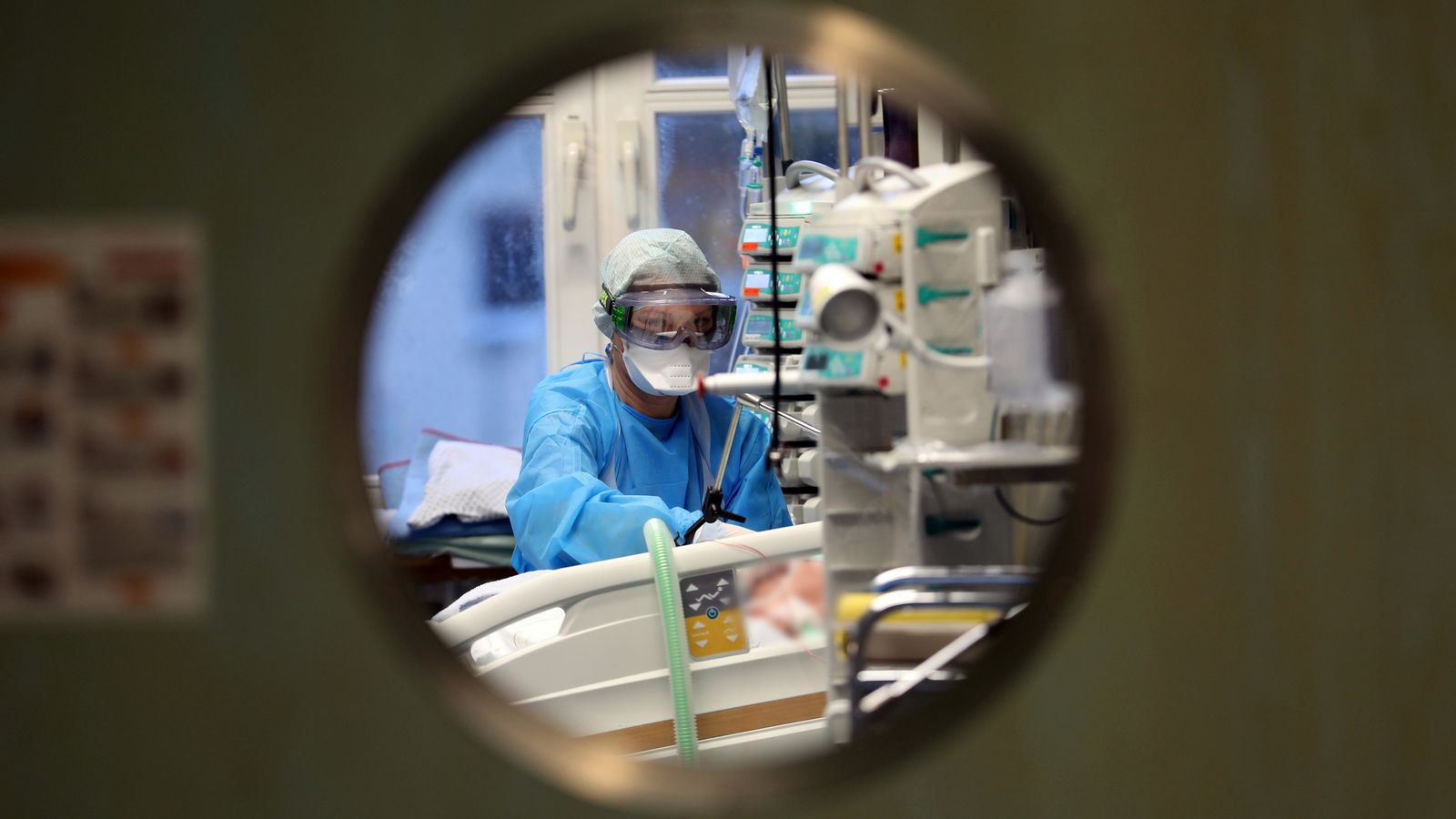
Die DIVI hat Zahlen manipuliert. Eine Überlastung der Intensivbetten gab es nie. Seit dem Sommer sind 10.000 Intensivbetten verschwunden. In Deutschland werden mehr Covid-19-Patienten intensivmedizinisch behandelt als in anderen Ländern.
Publisher’s rating: Falsch. Die DIVI hat keine offiziellen Statistiken manipuliert. Den Vorwurf, die Deutsche Intensivmedizin hätte die Lage übertrieben schlimm dargestellt, können Schrappe und seine Co-Autoren nicht belegen.

"Diejenigen, die jetzt auf der Intensivstation behandelt werden, die sind im Durchschnitt etwa 47 bis 48 Jahre alt. Das sind Menschen mitten im Leben."
Publisher’s rating: Das lässt sich noch nicht sagen. Das Durchschnittsalter auf Intensivstationen lag während der ersten und zweiten Welle bei 68 Jahren. Für die dritte Welle gibt es zu diesem Zeitpunkt keine aussagekräftigen Daten.
In een post op Facebook wordt gesteld dat het Rijkinstituut voor Volksgezondheid en Milieu (RIVM) zou "liegen" over zijn statistieken. Mensen die positief zijn getest op het nieuwe coronavirus dat COVID-19 veroorzaakt, zouden automatisch worden gepresenteerd als "patiënt". Ook wordt gesteld dat de ziekenhuisopnames "nooit een juiste indicator" van de stand van de pandemie zouden zijn geweest omdat het RIVM zijn evaluatie nu baseert op de PCR-testuitslagen.
Publisher’s rating: Beide stellingen zijn fout. De eerste let gewoon niet op de publicaties van het RIVM zelf. De tweede is een foute beoordeling die volgens een expert geen hout snijdt.
The Facebook post made two related allegations about the Dutch National Institute for Public Health and the Environment (RIVM): that it treated everyone with a positive coronavirus test as a patient, and that hospital admissions could never have been a sound measure of the pandemic because the institute later used PCR test results. The review addresses both allegations and refers to the video attached to the post, identifying the speaker as RIVM infectious-disease centre director Jaap van Dissel. For the first allegation, the review checked the RIVM’s public reporting, citing its 18 August 2020 update. That update said 4,013 people had tested positive in the preceding week; the review notes that it did not call them acutely ill, infectious, or patients. RIVM representative Loes Hartman explained that a positive result indicates coronavirus material in a sample, not necessarily current illness or infectiousness. The review also notes that earlier references to “reported patients” reflected the pandemic’s initial phase, when limited testing meant people with symptoms were selected for tests. For the claim about hospital admissions, the review says the RIVM used admissions to assess the pandemic until 11 June 2020, then switched to positive PCR tests after large-scale testing began. Medical-statistics expert Saskia le Cessie told the review that both admissions and reported infections can provide meaningful estimates, while infection counts are more precise when hospital admissions are low. The review therefore distinguishes a change to a better-suited measure under changed testing conditions from evidence that the earlier measure was invalid. It also reports that Le Cessie saw no evidence for the allegation that the RIVM was lying.
Bei Facebook kursiert ein Artikel der österreichischen Zeitung «Wochenblick» mit der Überschrift «Knapp dem Tod entronnen: Legionärskrankheit aus Corona-Maske». Im Text geht es um ein Interview mit dem Wissenschaftler Roy Spencer. Er berichtet darin von einem Fall, in dem Ärzte bei einer Patientin aufgrund ihrer Symptome die Erkrankung am Coronavirus angenommen hätten - letztendlich habe sie jedoch an der Legionärskrankheit gelitten. Er behauptet, dass sich die Erreger in der Maske gebildet hätten. Ist das möglich?
Publisher’s rating: Die Legionärskrankheit kann nicht durch einen Mund-Nasen-Schutz ausgelöst werden. Die Feuchtigkeit, die sich durch das Atmen in der Maske bildet, reicht nicht aus, damit sich Legionellen bilden können.
The claim concerned a Wochenblick article about a patient whose symptoms were reportedly mistaken for COVID-19 before she was diagnosed with Legionnaires’ disease. The article, drawing on an interview with scientist Roy Spencer, attributed the infection to bacteria forming in her mask. The review distinguishes those two parts of the account: doctors could plausibly confuse the illnesses because their symptoms overlap, but that does not establish the proposed route of infection. It reports that Legionnaires’ disease and COVID-19 can both involve fever, dry cough or flu-like symptoms, and says a misdiagnosis was conceivable. The review explains that Legionnaires’ disease is a severe form of pneumonia caused by inhaling tiny water droplets containing Legionella. It cites the RKI for that description and reports that Legionella usually grow in warm, stagnant liquids between 30 and 50 degrees Celsius. The experts consulted by the review said moisture from breathing into a mask does not provide the conditions needed for the bacteria to form: Legionella require larger quantities of standing liquid over several days, which the review says is not present in a face mask. The review identifies other possible exposure settings: contaminated air-conditioning systems, swimming pools or showerheads, where water can produce aerosols that are then inhaled. It also notes that moisture in a mask can lead to mould, and reports advice to wash masks hot or replace them often. That point is distinct from Legionella: the account of a possible symptom-based diagnostic mix-up does not support the claim that the mask itself generated the bacteria.

"We have just 4% of the world’s population — 25% of the world’s cases."
Publisher’s rating: True

"In 2003, the Center for Disease Control saw the possibility of a gold strike. And that was the coronavirus outbreak that happened in Asia … they sought to patent it, and they made sure that they controlled the proprietary rights to the disease, to the virus, and to its detection and all of the measurement of it."
Publisher’s rating: Misleading
"In partnership with MIT, Bill Gates has developed a new technology that allows vaccines to be injected under your skin, along with your medical records."
Publisher’s rating: Lacks context
"A 2018 scientific study released in the International Journal of Environmental Research and Public Health concluded that over 490,000 children in India developed paralysis as a result of the Gates-supported oral polio vaccine that was administered between the years of 2000 and 2017."
Publisher’s rating: Inaccurate
Seit Wochen schon schallt in den sozialen Netzwerken Kritik am Coronatest, dessen Grundlage zumeist ein Abstrich des Nasen-Rachen-Raumes ist. In einem aktuellen Facebook-Post heißt es etwa, dass jeder Abstrich Verletzungen verursache und zu einer gefährlichen Infektion, gar zu einer Erkrankung führen könne. Außerdem wird behauptet: «P.S: das wollen sie mit den Kindern machen, ohne dass die Eltern es mitbekommen!(Sic!)»
Publisher’s rating: Beim Nasenabstrich kann es höchstens zu einer leichten Verletzung im Nasen-Rachen-Raum kommen. Diese ist jedoch harmlos; sie sei etwa mit Zahnfleischverletzungen beim Zähneputzen zu vergleichen, so ein Experte. Dass sie in jedem Fall zu einer Infektionen führt, ist falsch.
The review addresses a Facebook post claiming that every coronavirus swab causes an injury that could lead to a dangerous infection or illness, and warning that children would be tested without their parents knowing. It considers both the possible physical effects of a nasal swab and the procedures described for testing children; it does not treat those as a single question. For the physical-effects claim, the review reports statements from two ear, nose and throat specialists. Philipp Pitzke said a swab could cause minor injuries to the lining of the nose and throat, and that any small bleeding would stop spontaneously after a short time. He compared tiny tears with minor gum injuries from brushing teeth. Claus Wittekind also considered dangerous infections or illnesses from a nasal swab unlikely. This evidence supports a distinction between possible minor tissue irritation or injury and the post’s implication of inevitable serious harm. On testing children, the review says that children returning from designated risk areas were tested, as adults were. A spokesperson for the Federal Ministry of Health said this was done in coordination with parents. The review also notes that group testing took place at schools and childcare facilities in Bavaria, but reports the spokesperson’s assurance that it was not done behind parents’ backs. Thus, the post’s claim about secret testing is addressed by the reported account of these procedures, rather than by the medical evidence about swabs.