PeakMetrics / Fact Checks
Health & medicine fact checks
Explore claims publishers have checked about health & medicine. Read their original ratings and follow the evidence.
Search fact checks
Search by text or image13,675 published reviews in this topic
Die Bundeskanzlerin soll bei einem Restaurantbesuch angeblich Corona-Regeln missachtet haben. Auf Facebook verbreitet sich ein Foto, das Angela Merkel (CDU) mit vier anderen Gästen am Tisch zeigt. Ein Mitarbeiter des Restaurants beugt sich zu ihr hinunter. «Gestern 23:51 in der Gastronomie, keine Maske, kein Abstand und uns. Idioten sperrt man ein und drangsaliert uns», steht über dem Bild, das eine Nutzerin am 9. November veröffentlichte (hier archiviert).
Publisher’s rating: Angela Merkel hat bei dem gezeigten Restaurantbesuch keine Corona-Regeln missachtet. Das Foto entstand im März 2019 in Chemnitz - lange vor der Pandemie.
The post described in the review presented a photograph of Angela Merkel at a restaurant table with four other people as evidence that she had recently ignored pandemic rules. The review identifies the image as showing Merkel at the Chemnitz restaurant Schalom, where she dined with Saxony’s minister-president Michael Kretschmer and Chemnitz mayor Barbara Ludwig. The depicted gathering was not from the pandemic period: Merkel visited Chemnitz on March 3, 2019. The review connects the circulating image to that earlier visit using details visible across photographs: Merkel is wearing the same green blazer, and the restaurant owners’ red aprons are also identifiable. It further reports that the restaurant itself had published a photograph of the visit and that the same image used in the Facebook post had appeared in a contemporaneous Freie Presse report. Those comparisons support the identification of the setting and the photograph’s earlier provenance. The review also places the visit in its local context: Chemnitz had experienced racist riots in late summer 2018, and stones and bottles had been thrown at Schalom. The supplied account therefore identifies the restaurant scene as a 2019 visit connected to Merkel’s trip to the city, not evidence of a recent visit during COVID restrictions.
Angeblich gelte in Österreich jeder, der «irgendwann einmal» positiv getestet wurde, als Covid-19-Todesfall, wenn er stirbt. «So werden in Österreich die Covid Toten jetzt gezählt» (sic), heißt es in einem Facebook-Posting (hier archiviert). Als Beleg wird eine Fußnote des Coronavirus-Dashboards des Gesundheitsministeriums herangezogen.
Publisher’s rating: Das ist falsch. Jemand wird als Covid-19-Verstorbener gezählt, wenn zwischen der Erkrankung und dem Tod der Status «genesen/geheilt» nicht vorgelegen hat, so die amtliche Definition. Gilt eine Person als von der Infektion geheilt und stirbt später, wird sie demnach nicht als Covid-19-Todesfall erfasst.

කොරෝනා ආසදිතව මියයන මුස්ලිම් මෘතදේහ භූමිදානය කිරීමට රජය අවසර ලබා දුන්නා ද?
Publisher’s rating: Misleading
The review examined reports circulating in October 2020 that the government had approved burial for Muslim people who died of COVID-19. It found that, at the time, no official decision or authorization had been made. The reports had treated a supposed approval as settled, although the review says the government’s position was still under consideration. [S1: “කොවිඩ්-19 ආසාදනය වී මිය යන මුස්ලිම් ජනතාවගේ සිරුරු භූමිදානය කිරීමට අවසර රජය විසින් ලබාදුන් බවට හුවමාරු වූ පුවත් සලකා බැලීමේදී අපට පෙනී ගියේ මෙතෙක් එබඳු නිල තීරණයක් ගෙන නොමැති බවයි.”] The review traced the claim to social-media posts and websites, many of which relied on a letter attributed to Ceylon Thawheed Jamath (CTJ) thanking the president and government for permitting burial. CTJ leader Abdul Razik told the reviewers that the letter had been prepared after he heard the news through several contacts and media reports. When the group learned there was no official authorization, he said CTJ would withdraw the letter and publish a clarification. [S1: “Ceylon Thawheed Jamath – CTJ හි අබ්දුල් රාසික් මහතාව අප ඔක්තෝබර් 10 වැනිදා උදෑසන දුරකථනයෙන් සම්බන්ධ කරගත්තා.”] [S1: “නිල අවසරයක් මෙතෙක් ලැබී නැති බවක් වාර්තා වන බැවින් එම ලිපිය ඉවත් කරගන්නා බවත් ඒ පිලිබඳ පැහැදිලි කිරීමක් ෆේස්බුක් පිටුවේ පලකරන බවත්ය.”] The review also reported denials from government officials. Health Ministry spokesman Dr. Jayaruwan Bandara said burial had not been authorized and that cremation remained the practice at that point. Cabinet spokesman Keheliya Rambukwella likewise said the Cabinet had given no formal approval. The distinction matters: officials were discussing a possible burial arrangement, including a proposal for a dry-zone location, but the review says the proposal still awaited assessment by health and technical authorities. [S1: “කොරෝනා අසාදිත දේහයන් භූමිදානය කිරීමට රජයෙන් මෙතෙක් නිල අවසර දී ලබාදී නොමැති බව සෞඛ්ය අමාත්යංශයද පැහැදිලි කර තිබුණා.”] [S1: “මෙතෙක් එවැනි නිල අනුමැතියක් හෝ අවසරයක් කැබිනට් මණ්ඩලය ලබා දී නොමැති බවත් ජනමධ්ය අමාත්ය, කැබිනට් ප්රකාශක කෙහෙළිය රඹුක්වැල්ල මහතා පවසා සිටියා.”]

Jenazah pasien Covid-19 di Probolinggo dalam sebuah video yang diklaim hilang kedua bola matanya
Publisher’s rating: Keliru

Bars to close as kenya goes into lockdown again
Publisher’s rating: False.

Vacina chinesa matou 2 mil voluntários e altera o DNA
Publisher’s rating: FALSO: Comunicados das fabricantes e de órgãos oficiais mostram que as vacinas que estão em teste não causaram nenhum dano neurológico e, muito menos, mortes de voluntários relacionadas a elas. O Comprova ouviu especialistas que também negaram a possibilidade dos imunizantes causarem alterações no DNA

1989 ന് മുമ്പ് ആരെങ്കിലും ജനിച്ചിട്ടുണ്ടെങ്കിൽ, ആദ്യത്തെ മീസിൽസ് വാക്സിൻ വീണ്ടും കുത്തിവയ്പ് നടത്തണമെന്ന് അവകാശപ്പെടുന്നു.
Publisher’s rating: MISLEADING


Anhand einer Grafik (hier archiviert) werden auf verschiedenen Social-Media-Plattformen Zahlen des Robert Koch-Instituts zu Grippetoten mit der Zahl der Corona-Toten verglichen. Die Zahl für 2020 ist die mit Abstand kleinste in der Tabelle.
Publisher’s rating: Die Gegenüberstellung ist irreführend: Die Zahlen zur Grippe sind eine sogenannte Exzess-Schätzung. Bei den Corona-Toten handelt es sich hingegen um laborbestätigte Fälle. Zudem werden Faktoren wie die Maßnahmen gegen die Corona-Pandemie nicht berücksichtigt.
In der Schweiz gibt es angeblich trotz der Corona-Pandemie keine erhöhte Sterberate. Dieser Behauptung ist in einem Facebook-Posting (hier archiviert) etwa eine Verlinkung zu einer Statistik beigefügt, die die Sterblichkeit nach Altersgruppe im Zusammenhang mit dem Coronavirus bis Oktober 2020 aufzeigt. Weiterhin wird verbreitet, dass angeblich Kinder an der Schutzmaske verstorben seien.
Publisher’s rating: Die Behauptung, dass es keine Übersterblichkeit in der Schweiz gäbe, ist falsch. Dass Kinder aufgrund der Schutzmasken gestorben sein sollten, stimmt ebenfalls nicht.
The post linked a chart showing coronavirus-related deaths by age group through October 2020 and used it to support the claim that Switzerland had no excess mortality. The review explains that the chart records deaths associated with coronavirus, with the largest number in the 80-and-over age group; it does not compare overall deaths in 2020 with those in earlier years. That missing comparison means the chart alone cannot establish whether overall mortality rose or fell. To make that comparison, the review examined a Swiss Federal Statistical Office table. It reports that deaths fell in weeks 11–18 during 2015–2019, whereas they rose during the same weeks in 2020. Against the 2015–2019 average, Switzerland had nearly 20 percent more deaths in weeks 11–18 of 2020. The review also cites Federal Councillor Alain Berset’s statement to the National Council on June 8, 2020, that excess mortality had occurred in weeks 12–18, based on Federal Statistical Office figures. The post also claimed that children had died because of masks. The review reports that such claims had repeatedly proved false and quotes Jakob Maske, a German physician and spokesperson for the German professional association of paediatricians, who told dpa on October 2 that it was “impossible” for a child to die from wearing an everyday mask. The review further says that wearing masks does not cause lung or other diseases.

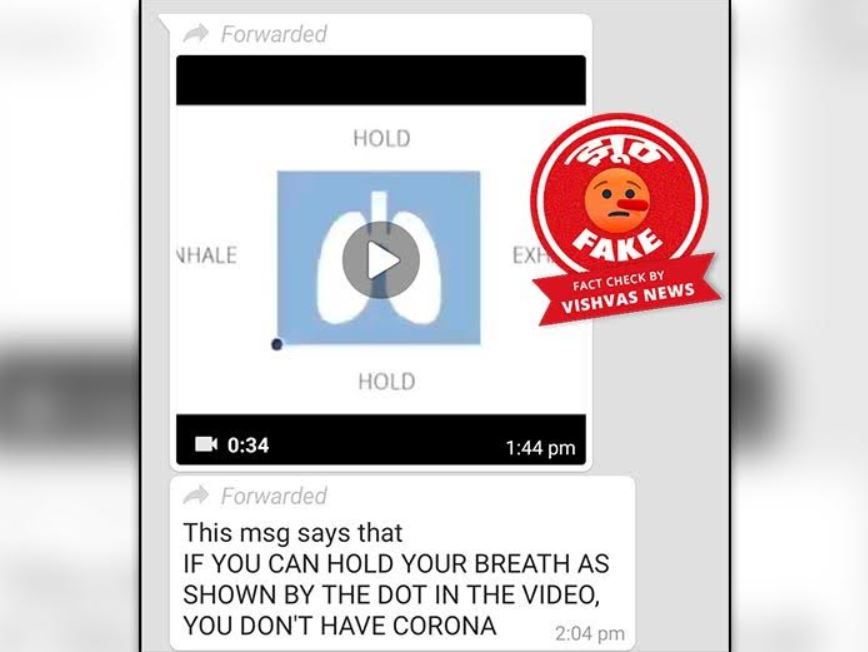
जब तक वीडियो में कर्सर घूम रहा है तब तक आप अपनी सांस रोक सकते हैं तो आपको कोरोनावायरस नहीं है
Publisher’s rating: FALSE

A médica Raissa Soares afirmou em vídeo no Instagram que a cloroquina e a ivermectina devem ser tomadas como preventivas contra a covid-19
Publisher’s rating: FALSO: Não é verdade que se a população tomar hidroxicloroquina e ivermectina estará protegida contra a covid-19 e que, com esses medicamentos, a circulação do vírus vai acabar antes da chegada do inverno

Estudo feito na Índia revela uma série de problemas na área respiratória, na pele da face e na boca, em que usa máscara
Publisher’s rating: ENGANOSO: Postagem no Facebook usa como fonte um estudo que na verdade defende o uso de máscara como medida de proteção contra a covid-19 e as declarações enganosas de um médico que não participou da pesquisa
Ein Foto zeigt Dosen eines Corona-Impfstoffes, die bereits am 9. April 2020 hergestellt und versandt worden sein sollen – gerade einmal einen Monat nach Ausrufen der Corona-Pandemie. «Die ganze Wahrheit kommt ans Licht», heißt es etwa in einem Facebook-Post dazu (hier archiviert).
Publisher’s rating: Das Foto samt aller Details ist echt - allerdings seinem Kontext entrissen. Es wurde im Juli in Brasilien aufgenommen, wo der Corona-Impfstoffkandidat an Tausenden Freiwilligen getestet wurde. Die Tests und andere Einzelheiten des Impfprogramms sind lange bekannt. Hersteller und Behörden beschleunigten viele Prozesse bei der Entwicklung des dringend benötigten Impfstoffes.
The Facebook post cited in the claim uses a photograph of vaccine doses to suggest they had already been made and shipped on 9 April 2020, implying that the timing points to concealed advance knowledge. The review traces the image to the Butantan Institute, a Brazilian research institute, and reports that the circulating photograph was taken in July 2020, when the first doses of Sinovac’s vaccine candidate arrived in Brazil. That provenance contradicts the claim that this image documents doses made and shipped in April. The review places the photograph in the setting of Brazil’s clinical testing programme. It says Phase III trials began on 21 July, after approval by the national health authority, and involved around 9,000 volunteers. It also reports that Sinovac had begun vaccine development around the turn of the year, that human testing was authorised in April, and that large Phase III trials followed from July in Brazil and Indonesia. The excerpt does not describe a new test by the fact-checkers; it presents the institute’s photo provenance and the reported chronology as the evidence addressing the post. The post’s insinuation that April production proves a conspiracy is not supported by the investigation. The review says development, testing and approval processes were accelerated by manufacturers and health authorities to make a vaccine available sooner. It distinguishes that broad acceleration from the specific photo: the image was taken in Brazil in July, not in April as the post implies.
Das Durchtrennen der Nabelschnur nach der Geburt kann ein sehr emotionaler Moment für frischgebackene Eltern sein. In sozialen Netzwerken wird aber gewarnt, dass dies häufig zu früh für das Baby geschehe. Die Nabelschnur dürfe nicht früher als eine Stunde nach der Geburt durchtrennt werden, heißt es in einem Facebook-Post (hier archiviert). Es gebe eine «stillschweigende und inoffizielle Regel» in Entbindungskliniken, die Nabelschnur sofort zu durchtrennen. Das wirke sich aber negativ auf das Immunsystem des Babys aus. In der Folge drohten gesundheitliche Probleme.
Publisher’s rating: Es gibt keinen Beleg dafür, dass die Nabelschnur aus gesundheitlichen Gründen nicht früher als eine Stunde nach der Geburt durchtrennt werden dürfe. Studien haben zwar gezeigt, dass Neugeborene besser nicht sofort in der ersten Lebensminute abgenabelt werden sollten. Das sehen die medizinischen Leitlinien hierzu aber auch nicht vor. Vielmehr wird darin empfohlen, mit dem Abnabeln 1 bis 1,5 Minuten nach der Geburt zu warten.
The Facebook post described in the review claimed that hospitals follow an unwritten rule to cut the cord immediately, that this harms a baby’s immune system, and that the cord should not be cut until at least an hour after birth. The review compared that claim with newborn-care guidance and accounts from a specialist in obstetrics. It reports that the relevant German guideline recommends cutting the cord 1 to 1.5 minutes after birth for natural deliveries, or alternatively waiting for the cord’s pulsation to stop; it notes that different provisions apply to premature births. The World Health Organization recommendation cited in the review is to wait one to three minutes, not an hour. (S1) The review also quotes Tanja Groten, a senior physician at Jena University Hospital and a board member of the German Society for Gynecology and Obstetrics’ obstetrics working group. Groten says that, in current practice, cutting generally takes place after the first minute, and that a longer wait for pulsation to stop may be possible when mother and baby have no clinical problems and the parents wish it. She describes cutting after an hour as outside medical standards, and says emergencies can require a departure from the usual approach. (S1) The evidence discussed supports a distinction the post leaves out: not cutting immediately may have benefits, but that does not establish a one-hour rule or the claimed immune-system harm. The review says blood can continue flowing from the placenta to the baby through the pulsating cord, potentially improving oxygen supply. It also reports research findings of lower anemia risk and higher iron stores among babies cut after the first minute, alongside a possible risk of newborn jaundice that can sometimes require light therapy or transfer to a children’s hospital. These reported benefits and risks concern timing around the first minute; they do not substantiate the post’s hour-long prohibition. (S1)