PeakMetrics / Fact Checks
Health & medicine fact checks
Explore claims publishers have checked about health & medicine. Read their original ratings and follow the evidence.
Search fact checks
Search by text or image13,675 published reviews in this topic

The vaccines "are going to be distributed in two weeks."
Publisher’s rating: This is exaggerated.

Governo Argentino liberou a população do Lockdown para velório do Maradona e o covid19 vírus mortal da china?
Publisher’s rating: Falso
The claim combines two ideas: that Argentina’s government lifted lockdown so people could attend Diego Maradona’s funeral, and that a video of maskless Argentine crowds shows the gathering. The review distinguishes the real funeral from the video used to illustrate it. It reports that Maradona’s wake at the Casa Rosada did draw a crowd and that some people did not follow mask and distancing precautions, but says the video circulating with the claim was not filmed there. The review identifies the footage as scenes recorded in Russia in 2018, during the World Cup, when Argentine supporters were backing their national team after its elimination. That provenance makes the footage evidence of a different event, not of the funeral. The review says the video’s accompanying posts used the crowd to criticize Argentina’s isolation measures, but supplied no dates or reliable sources for their assertion that the government had lifted lockdown for the wake. The review also qualifies the lockdown claim: it says the president announced the end of social isolation after the funeral, citing falling case numbers in recent weeks, while restrictions would remain in Bariloche and Puerto Deseado. It reports that Buenos Aires health minister Fernán Quirós said the scenes at the wake should be avoided. Thus, the review’s conclusion about the video rests on its identification as 2018 World Cup footage, while its account of the policy does not support the claim that lockdown was lifted specifically to enable attendance at the funeral.

கொரோனா வைரஸுக்கு எதிராக சிகிச்சையளிப்பதில் தினை ரொட்டி அல்லது பஜ்ரா ரொட்டியினை உட்கொள்வது பயனுள்ளதாக இருக்கிறது. கொரோனா வைரஸ் நோய்த்தொற்று ஏற்பட்ட ஒருவர் சூடாக உணவை உட்கொள்வது, அவர் குணமடைவதற்கு பயனுள்ளதாக இருக்கும் என்று உலக சுகாதார அமைப்பின் விஞ்ஞானிகள் சமீபத்தில் தெரிவித்துள்ளனர். எனவே, நமது உணவுப் பழக்கத்தை நாம் மாற்றிக்கொள்ள வேண்டும். தினை சாப்பிடும் மக்கள் கொரோனா வைரஸ் தொற்றுக்கு ஆளாக மாட்டார்கள் என்று பிரபல மருத்துவர்கள் கூறுகிறார்கள். தினை இயற்கையிலே சூடான தன்மை கொண்டதாகும். அவற்றை சாப்பிடுவதன் மூலம் உடலில் வெப்ப அளவு நிலையாக பராமரிக்கப்படுகிறது, இதனால், தினை உட்கொள்ளும் மக்களை கொரோனா வைரஸ் தாக்குவதில்லை. அப்படியே நோய்த்தொற்று ஏற்பட்டாலும், தினையினில் உள்ள வெப்பமானது எதிர்புரதங்கள் (ஆன்டிபாடிகள்) உருவாக வழிவகுக்கிறது. தினை உட்கொள்ளும் நபருக்கு கொரோனா தொற்று உறுதிசெய்யப்பட்டாலும், அவர் ஒருபோதும் எந்த பிரச்சனையையும் எதிர்கொள்ள மாட்டார். நாட்டின் கிராமப்புறங்களில் வசிக்கும், தினை சாப்பிடும் மக்கள் எப்போதும் ஆரோக்கியமாக இருப்பதற்கு இதுவே காரணம். கிராமத்தில் வசதிகள் இல்லாதபோது கூட, மக்கள் கொரோனா வைரஸ் நோயால் பாதிக்கப்படுவதில்லை.
Publisher’s rating: FALSE

Das Berufungsgericht in der portugiesischen Hauptstadt Lissabon hat die mangelnde Zuverlässigkeit des PCR-Tests festgestellt.
Publisher’s rating: Das ist falsch. Tatsache ist: Zwar führten die Richterinnen Zweifel an der Verlässlichkeit von PCR-Tests an. Doch lag das nicht in ihrem Kompetenzbereich. Der Oberste Justizrat von Portugal erklärte, mit der Entscheidung habe das nichts zu tun. Durch die Falschmeldungen entsteht der Eindruck, das Gericht habe ein aussagekräftige Entscheidung über PCR-Tests getroffen - die möglicherweise auch für Deutschland Konsequenzen haben könne. Das ist nicht richtig.

Artigo publicado prova que assintomáticos não transmitem Covid-19
Publisher’s rating: ENGANOSO: Os próprios autores do artigo, ouvidos pelo Comprova, dizem que os dados não permitem comprovar que indivíduos sem sintomas não sejam capazes de infectar outros
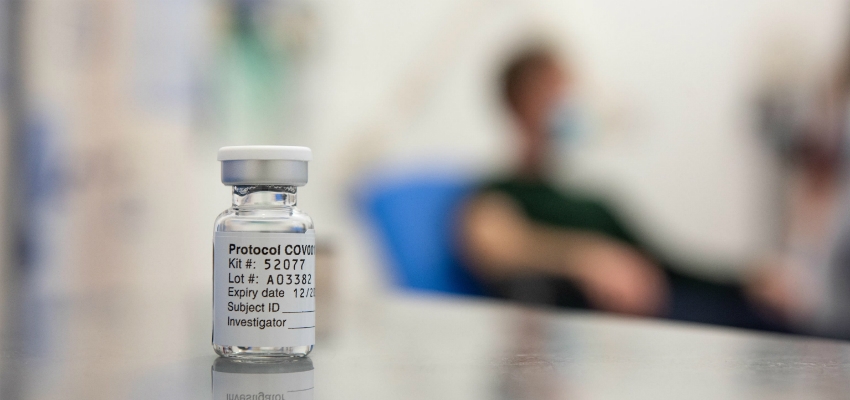
«La Commissione ha negoziato con sei grandi case farmaceutiche, per un totale potenziale di quasi 2 miliardi di dosi» (min. 32:00)
Publisher’s rating: Vero
کمک ۳/۷ میلیون دلاری اوباما به آزمایشگاه ووهان؛ او در سال ۲۰۱۴ به همهگیری کرونا اشاره کرده بود.
Publisher’s rating: نادرست
Findet ein Virus keine Wirte für Übertragung und Verbreitung, weil bereits viele Menschen immun sind, spricht man von Herdenimmunität. Ein oft genannter Schwellenwert liegt bei zwei Dritteln der Bevölkerung. Einem Sharepic zufolge ist der Wert von 60 bis 70 Prozent jedoch nicht mehr aktuell (hier archiviert): «Diese Arbeit bzw. das Berechnungsmodell, worauf diese % beruhen, wurde schon längst zurückgezogen», wird in dem Bild behauptet. «Aktuell kommen die Wissenschaftler auf eine Range von 20-45%.» Noch niedriger dürfe der Wert aufgrund von Hintergrund- und Kreuzimmunität liegen, heißt es. Ist das wirklich so?
Publisher’s rating: Es ist unklar, wann während der Corona-Pandemie die Herdenimmunität erreicht sein wird. Im Sharepic fehlt Kontext: Der Schwellenwert bei 60 bis 70 Prozent basiert auf einer feststehenden Rechnung zur Herdenimmunität. Einen Wert von 20 Prozent halten viele Wissenschaftler für zu niedrig, bei Sars-CoV-2 ist jedoch noch vieles unklar.
The sharepic says the familiar 60–70% herd-immunity threshold is outdated because the underlying calculation was withdrawn, and that current estimates are 20–45%, potentially lower because of background or cross-immunity. The review explains that the conventional threshold comes from a formula based on the basic reproduction number: if each infected person infects three others on average, two-thirds of the population would need immunity to prevent continued exponential spread. It reports that an epidemiologist, André Karch of the University of Münster, rejected the claim that this calculation had been withdrawn. The review does not treat the conventional figure as a universal prediction for SARS-CoV-2. It says the threshold can vary with actual contact patterns and with how many people have especially high or low levels of social contact. A May 2020 study that assumed a heterogeneous population produced a 20% estimate, but Karch described that result as one among a range of theoretical values based on extreme assumptions and said it had limited practical relevance. The review also cites a calculation incorporating age structure and a basic reproduction number of 2.5, which produced an estimate of about 43%. It reports Karch’s assessment that evidence from heavily affected areas indicated the threshold must be above 20%. The sharepic’s suggestion that background or cross-immunity would push the threshold below 20% is also disputed in the review. Karch said any existing cross-immunity would need to be accounted for when deriving the basic reproduction number, and that there was no evidence of relevant cross-immunity in the population that protected against SARS-CoV-2 infection. The review further notes that the duration of naturally acquired protection was uncertain, so the threshold could not be pinned to a single fixed value. Its conclusion is that 20–45% figures were conditional estimates, not proof that the standard calculation had been withdrawn or that the sharepic’s lower range applied generally.

බදුල්ල පොලීසියේ නිලධාරීන් ස්වයං නිරෝධායනට ලක්වූ පුවතක සිරස්තලයේ ව්යාජ සංස්කරණයක්!
Publisher’s rating: Altered
The review examined social-media posts presenting a newspaper clipping about six police officers as if its headline said they were quarantining for a sexual reason. It reports that the underlying news was about officers from Passara Police being placed in home quarantine after a person later confirmed as COVID-19 positive had visited the station several days earlier. The officers had been on duty at the time. The altered wording therefore changed the meaning of a report about quarantine.

Pandemia já acabou e não há necessidade de vacinas
Publisher’s rating: Falso

The Covid-19 vaccine will "alter my DNA"
Publisher’s rating: This is false. The Covid-19 vaccine does not alter DNA.
The virus has a "99.97% recovery rate"
Publisher’s rating: This is incorrect. We spoke to Jason Oke, a statistician at the University of Oxford who told us about 99.0% of people who catch Covid survive it.

MADAGASCAR, MACHO! MADAGASCAR DEIXA A ORGANIZAÇÃO MUNDIAL DE SAÚDE SOBRE O ESCÂNDALO COVID-19
Publisher’s rating: Falso

Le masque chirurgical est inefficace pour réduire la transmission de la COVID-19
Publisher’s rating: FAUX
The government already has a list specifying the individuals who will be prioritized for the COVID-19 vaccines.
Publisher’s rating: False

“Vírus chinês” é a maior farsa e não existe nada que possa ser feito para o conter
Publisher’s rating: Falso

Porto Feliz, cidade no interior do Estado de São Paulo, é referência no tratamento à Covid-19 com hidroxicloroquina e não registra nenhuma morte
Publisher’s rating: FALSO: A cidade no interior de São Paulo registrou mortes por covid-19 e o "tratamento precoce" com hidroxicloroquina não cobriu toda população
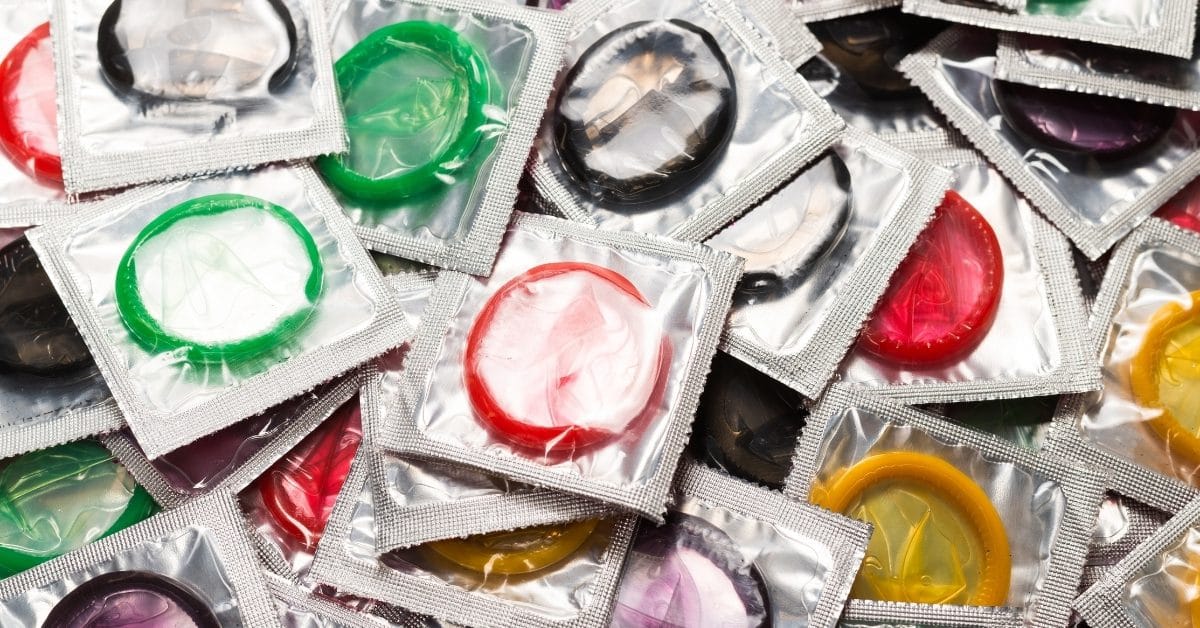
Farmaceuta będzie mógł legalnie odmówić sprzedaży prezerwatyw powołując się na swoje poglądy.
Publisher’s rating: Fałsz
(IMAGEN) BEBÉ CON SUERO EN UNA SILLA PLÁSTICA EN HOSPITAL SÓTERO DEL RÍO
Publisher’s rating: Falso

"Pasamos de 75,000 muertes por gripe el año pasado en Estados Unidos a casi 0. ¿Alguien realmente cree eso? ¿O cree que puede haber juegos para manipular la verdad?"
Publisher’s rating: Falsa
The review examines Donald Trump Jr.’s October 26, 2020 tweet claiming that U.S. flu deaths had fallen from 75,000 the previous year to “almost 0,” and suggesting the numbers might be manipulated. It reports that his tweet cited a Daily Mail article whose information referred mainly to flu data from Australia and Chile, in the Southern Hemisphere—not a completed U.S. flu season. The U.S. 2020–21 flu surveillance period had only begun on September 27. To assess the U.S. figures, the review describes CDC estimates based on weekly death-certificate data from the National Center for Health Statistics. Its count of those weekly data found more than 8,000 U.S. flu deaths in 2020, rather than almost none. Using the same counting method, it reports about 7,250 deaths recorded in 2019. The review also cites CDC estimates of 24,000–62,000 deaths for the 2019–20 flu season, not 75,000. The figures require qualification: the 2019–20 estimate was preliminary and could be updated as reports arrived, and flu surveillance does not capture every U.S. case. The review also notes that the current season was still underway, with about six months remaining, so its eventual severity could not yet be assessed. These limitations do not support the tweet’s comparison: the reported 2020 count was already thousands, while the prior-season CDC estimate was a range below 75,000.