PeakMetrics / Fact Checks
Health & medicine fact checks
Explore claims publishers have checked about health & medicine. Read their original ratings and follow the evidence.
Search fact checks
Search by text or image13,674 published reviews in this topic
«Ein Arzt der sagt was Sache ist!!!!» (sic!) So kündigt ein Facebook-User den Scan eines Leserbriefes an (hier archiviert), in dem ein Mediziner große Zweifel an der Gefahr des Sars-CoV-2-Virus sowie an der Sicherheit der neuartigen mRNA-Impfstoffe kundtut. So heißt es in dem Leserbrief, auch das Influenza-Virus fordere jedes Jahr Tausende Tote, es sei damit ebenso gefährlich wie das Coronavirus. Außerdem: Die rasant entwickelten mRNA-Impfstoffe seien viel zu riskant. Erbinformationen des Virus würden in körpereigene Zellen geschleust, sodass diese umprogrammiert würden.
Publisher’s rating: Mehrere Behauptungen sind falsch oder irreführend. Aktuelle Studien belegen etwa, dass Sars-CoV-2 dreimal tödlicher ist als das Influenza-Virus, das alljährlich gegen Winter grassiert. Die mRNA-Impfstoffe haben übliche Sicherheitsprüfungen durchlaufen, um gravierende Nebenwirkungen auszuschließen. Mit der Impfung verabreichte Genschnipsel des Virus vermögen das menschliche Erbgut nicht zu verändern.
The letter in the Facebook post challenged the danger attributed to SARS-CoV-2, claimed influenza was just as dangerous, and argued that rapidly developed mRNA vaccines were risky and could reprogram the body’s cells. The review examined those specific assertions. It reports that influenza seasons differ substantially: some were mild, while the 2017/18 season was estimated to have caused 25,100 deaths in Germany. That seasonal variation does not establish that influenza and Covid-19 were equally dangerous.
Auch viele Spezialisten waren überrascht, als die Fälle plötzlich wieder derart schnell anstiegen.
Publisher’s rating: Bundespräsident Parmelin bezieht sich mit dieser Aussage auf die ansteigenden Corona-Fälle im Herbst. Zuvor räumt er zwar ein, dass man die Lage im Juli bis September unterschätzt habe. Das Virus sei im Sommer aber nicht nur für die Politik, sondern auch für die Wissenschaft weit weg gewesen. Wen Parmelin genau mit «Spezialisten» meint, führt er nicht weiter aus. Meint er damit die Wissenschaftlerinnen und Wissenschaftler der Corona-Taskforce des Bundes, dann ist seine Aussage falsch. Denn die Taskforce warnte bereits am 3. Juli mit einem Alert vor dem rapiden Anstieg der SARS-CoV-2-Infektionen.
In der Corona-Pandemie werden immer wieder über abstruse Experimente Antigen-Tests als angeblich unzuverlässig gebrandmarkt. Mal sollen sie bei Cola ein positives Resultat geliefert haben, mal bei Apfelmus. Jüngst ging ein Video viral, in dem vermeintlich Wein corona-positiv getestet wurde. Eine Userin kommentiert (hier archiviert) den Clip mit: «Auch Rotwein hat Corona!».
Publisher’s rating: Der Test zeigt kein positives, sondern ein ungültiges Ergebnis. Wein führt zu keinem technisch korrekten Resultat. Seine Säure zerstört lediglich die Struktur der Proteine des Teststreifens und macht so die Farbpartikel sichtbar.
The video at issue showed wine being used with a VivaDiag test, and a user captioned it, “Auch Rotwein hat Corona!” The review identifies the device as the VivaDiag Covid-19 IgM/IgG Rapid Test, a product intended to detect antibodies, rather than the virus’s antigen. It also notes that the device’s packaging was no longer listed in VivaChek’s current product range when the review investigated it. The clip therefore cannot be read as a valid demonstration that wine tests positive for coronavirus. The key check was the test’s own validity criterion. The review says the product information requires the control line to appear for a result to be valid, regardless of whether either antibody test line appears. It reports that the control line is missing in the wine video. The instructions also specify that the test is to be used with blood, serum or plasma, and warn that other liquids may produce inaccurate results. Wine was not an authorized sample for this test. The review explains why the visible coloured marks do not establish a positive result: the proteins on the test strip are linked to coloured particles, and acid can disrupt those proteins, making the particles visible. It cites wine’s pH range as 2.9 to 4.0. Thus, the clip shows an invalid test performed with an unsuitable liquid, not a technically valid positive result. The reported lines and the product’s control-line requirement are decisive; colour alone does not establish infection.
Gegen Kopf- und Gliederschmerz sei eine Pflanze gewachsen, die Arzneien wie Aspirin überflüssig mache, behauptet ein Heilkundler in einem Video (hier archiviert). Der Name der vermeintlichen Wunderpflanze: Mädesüß. Die darin vorhandenen schmerzstillenden Substanzen seien viel besser und natürlicher und «können alles, was Asprin kann». Selbst zur Vorbeugung gegen Thrombose sei Mädesüß empfehlenwert.
Publisher’s rating: Tatsächlich wird Mädesüß bei Fieber- und Erkältungskrankheiten empfohlen - aber als unterstützende Therapie, nicht als Schmerzmittel-Ersatz. Die Effekte der pflanzlichen Substanzen sind schwächer als jene der in Aspirin enthaltenen Stoffe. Für alle anderen Anwendungen fehlen bis dato ausreichend überzeugende Studien.
The review examined claims made in a video that Mädesüß could replace Aspirin for headaches and limb pain, and could prevent thrombosis. It identifies the plant as Filipendula ulmaria and explains that compounds in its flowers, including salicylaldehyde and methyl salicylate, are broken down in the body to form salicylic acid. The article says this substance acts similarly to the compounds in Aspirin, but less strongly; that does not support the video’s claim that Mädesüß can do everything Aspirin can. The review reports that the European Scientific Cooperative on Phytotherapy (ESCOP) considers Mädesüß, at most, a supportive treatment for colds. It says the studies are insufficient for other proposed uses, and the review specifically notes that ESCOP’s assessment does not characterize the plant as an Aspirin substitute or an all-purpose remedy. Thus, the article distinguishes a limited supportive use from replacing a pain medicine. On thrombosis prevention, the review says the ESCOP assessment does not mention Mädesüß as a blood thinner or preventive treatment. It also notes research from more than 30 years earlier that found heparin-like substances in the plant, but says these substances were not subsequently researched or tested in Mädesüß. The review therefore concludes that promoting the plant for thrombosis prevention is unsupported by the evidence it describes.
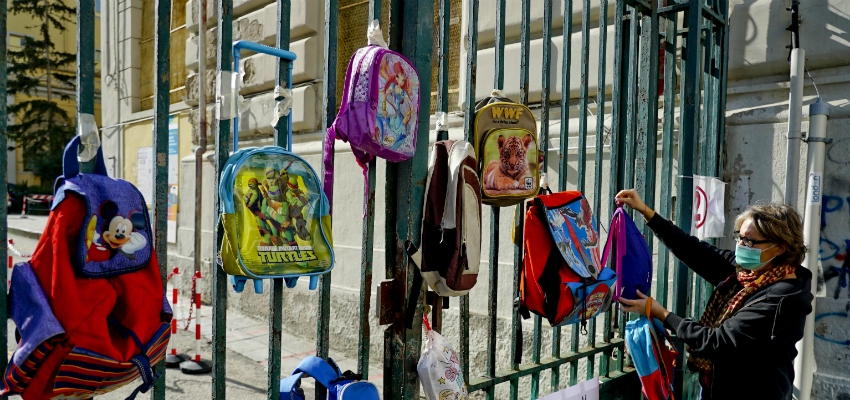
«Gli studi sui contagi nelle scuole ci sono, ma escludono che siano determinanti. Il Centro europeo per il controllo delle malattie ha detto chiaramente che le riaperture non hanno innescato la seconda ondata»
Publisher’s rating: Nì
The claim combines two points made by Italy’s education minister, Lucia Azzolina: that studies rule out school infections as a decisive factor in worsening the epidemic, and that the European Centre for Disease Prevention and Control (ECDC) clearly said school reopenings had not triggered the second wave. The review examined the ECDC report underlying that second point and the evidence it discussed on school transmission. It concluded that Azzolina overstated what the evidence establishes: schools appeared to have relatively few infections, but the contribution of reopening to wider transmission was difficult to isolate, and the scientific literature did not give a firm answer about schools’ role as a source of contagion. The review reports that the ECDC found reopening between mid-August and mid-September did not appear to be associated with an increase in infections among adolescents relative to adults, and that returning to school did not appear to drive the rise in cases observed in many EU member states from October 2020. But the agency cautioned that it was difficult to separate the effect of reopening from the easing of other restrictions and from seasonal changes that increased indoor social contact. The review also notes that only 17 countries responded to the ECDC’s data collection, with Italy, Germany and France among those that did not. The report’s findings therefore did not establish that reopening had played no part in the second wave, particularly in Italy. On the claim about studies, the review explains that some research may have missed asymptomatic transmission because it tracked infections among symptomatic cases. It also says that studies emphasizing household transmission were often observational, conducted near lockdown periods, and limited in how well they could be compared across countries and social contexts. The review cites an Italian National Institute of Health report dated December 30, which described school outbreaks in Italy as underestimated and said evidence about the effects of school closures and reopenings was conflicting. Taken together, the evidence supported a more qualified conclusion than Azzolina’s: school infections seemed relatively low, but the studies did not rule out a meaningful contribution to transmission.
In zwei, drei Jahren wird man global Bilanz ziehen: Welche Erklärungen gibt es für die Übersterblichkeit? Unsere Bevölkerung ist eine der ältesten der Welt, spielt vielleicht das eine Rolle?
Publisher’s rating: Parmelin sagt, dass die Übersterblichkeit möglicherweise mit dem hohen Durchschnittsalter der Schweiz erklärt werden könnte. Gemäss dem deutschen Statistikportal Statista ist die Schweizer Bevölkerung im Durchschnitt 42,64 Jahre alt. Obwohl die Belgierinnen und Belgier durchschnittlich jünger sind (41,7) ist deren Übersterblichkeit im November höher als in der Schweiz. Das Gleiche zeigt sich auch in Frankreich: Die Übersterblichkeit des Landes war im März höher als in der Schweiz, obwohl die Französinnen und Franzosen im Durchschnitt knapp ein Jahr jünger als die Schweizerinnen und Schweizer sind. Die Übersterblichkeit einfach mit dem Alter der Bevölkerung zu erklären, ist deshalb zu kurz gegriffen. Zudem hat die Schweiz bei Weitem nicht die älteste Bevölkerung der Welt. Japan (Durchschnittsalter 48,4 Jahre), Italien (47,3 Jahre) und Martinique (47) führen die Statista-Liste mit viel Vorsprung auf die Schweiz an.
"1 van de stoffen die je binnen krijgt als je het vaccin neemt is pancorium (sic) bromide. Dat is tevens 1 van de bestanddelen van een dodelijke injectie!!!!!" Schrijft een Facebookgebruikster over het coronavaccin van farmaceut Pfizer (gearchiveerd). Maar klopt dat?
Publisher’s rating: Er zit geen pancuronium bromide in het coronavaccin van Pfizer. Het middel maakt inderdaad deel uit van de dodelijke injectie die in de VS wordt gebruikt om de doodstraf uit te voeren.
The Facebook post claimed that Pfizer’s coronavirus vaccine contains “pancorium” bromide, and linked that alleged ingredient to a drug used in executions. The review distinguishes the two parts of that claim: it says pancuronium is used in lethal injections in the United States, but is not an ingredient in Pfizer’s vaccine. It also identifies pancuronium, also known as Pavulon, as a muscle relaxant used in some operations and in euthanasia. To assess the vaccine claim, the review says it checked the Pfizer vaccine’s ingredient list. It reports that pancuronium is absent. The listed ingredient that may have caused confusion is 0.01 milligrams of potassium chloride, described in the review as a stabilising salt. The review notes that potassium chloride is also one of the drugs used in lethal injections, but argues that its presence in a vaccine does not make the vaccine lethal: “It’s all about the dosage.” Thus, the post conflates a drug that is used in US lethal injections with an ingredient that the review says is not in Pfizer’s vaccine. The article’s distinction is that potassium chloride is present in the vaccine, while pancuronium is not; the shared association with lethal injection does not make them the same substance.
کاملا هریس در هنگام زدن واکسن کرونا تقلب کرده است.
Publisher’s rating: نادرست

“Essa vacina que a Kamala Harris tomou, eu também tomaria numa boa.” Agulha DOBRÁVEL???
Publisher’s rating: Falso

ஜப்பான் வாக்ஸ் ரோல்அவுட்டை கைவிட்டு, ஐவர்மெக்டினுக்கு செல்கிறது, கிட்டத்தட்ட ஒரே இரவில் கோவிட் முடிவடைகிறது
Publisher’s rating: FALSE


Argentina de novo marcando tendência mundial. Vacinando duas vezes o mesmo cara. Chupa essa, Mundo.
Publisher’s rating: Falso

China descarta o coronavac e Doria entra em desespero; Urgente! Anvisa declara: Sinovac fora dos padrões
Publisher’s rating: Falso

Mais uma V4C1N4 aplicada com sucesso! Sem agulha e sem movimento do embolo da seringa.
Publisher’s rating: Falso

ਜੇ ਤੁਸੀਂ ਆਪਣੀ ਸਾਹ ਇੱਕ ਮਿੰਟ ਲਈ ਰੋਕ ਸਕਦੇ ਹੋ, ਤਾਂ ਤੁਹਾਨੂੰ ਯਕੀਨਨ ਕੋਵਿਡ -19 ਨਹੀਂ ਹੈ
Publisher’s rating: False
In Deutschland wird seit dem vergangenen Wochenende gegen das Coronavirus geimpft - im ersten Schritt Pflegebedürftige, Über-80-Jährige und medizinisches Personal. Manchen geht das viel zu langsam. In einem Facebook-Beitrag (archiviert hier) heißt es, Deutschland sei das «dümmste Land der Welt». Dazu werden Grafiken gezeigt und als Grund genannt: Deutschland habe «weniger Impfdosen als Bahrain.»
Publisher’s rating: Der aktuelle Stand an geimpften Personen sagt nichts über die Zahl der Impfdosen aus. Zudem lassen sich Deutschland und Bahrain wegen der Einwohnerzahl, des Impfstarts und der Anzahl der zugelassenen Impfstoffe nur schwer miteinander vergleichen.
The post used graphics to argue that Germany had fewer vaccine doses than Bahrain and called Germany the “dümmste Land der Welt.” The review distinguishes the number of people already vaccinated from the number of doses a country had obtained or expected to receive: Germany’s reported vaccination totals measure people vaccinated, not its vaccine supply. The figures therefore do not, by themselves, establish the post’s comparison of available doses. The review reports that Germany had vaccinated 41,962 people through December 28, 2020, and that the Robert Koch Institute reported 131,626 vaccinated by 2 p.m. on December 31. For Bahrain, it cites media reports that the country had ordered one million BioNTech/Pfizer doses; because that vaccine requires two injections, the order could cover 500,000 people. These are different measures—people vaccinated in Germany and doses ordered in Bahrain—so they cannot be read as a direct comparison of dose stocks. The review also describes relevant differences in population, timing and procurement. Bahrain, with about 1.7 million inhabitants, had authorized the BioNTech/Pfizer vaccine in early December and had earlier authorized limited use of a Chinese vaccine for health workers. Germany, with about 83 million inhabitants, followed a joint EU purchasing approach, with vaccines distributed among member states according to population share. As of December 30, BioNTech/Pfizer was the only company whose vaccine was authorized for use in Germany; the review reports that Germany expected 1.3 million doses by the end of 2020/21 and more than 130 million doses from BioNTech/Pfizer and Moderna overall. The post’s comparison leaves out these distinctions and does not establish that Germany had fewer doses.
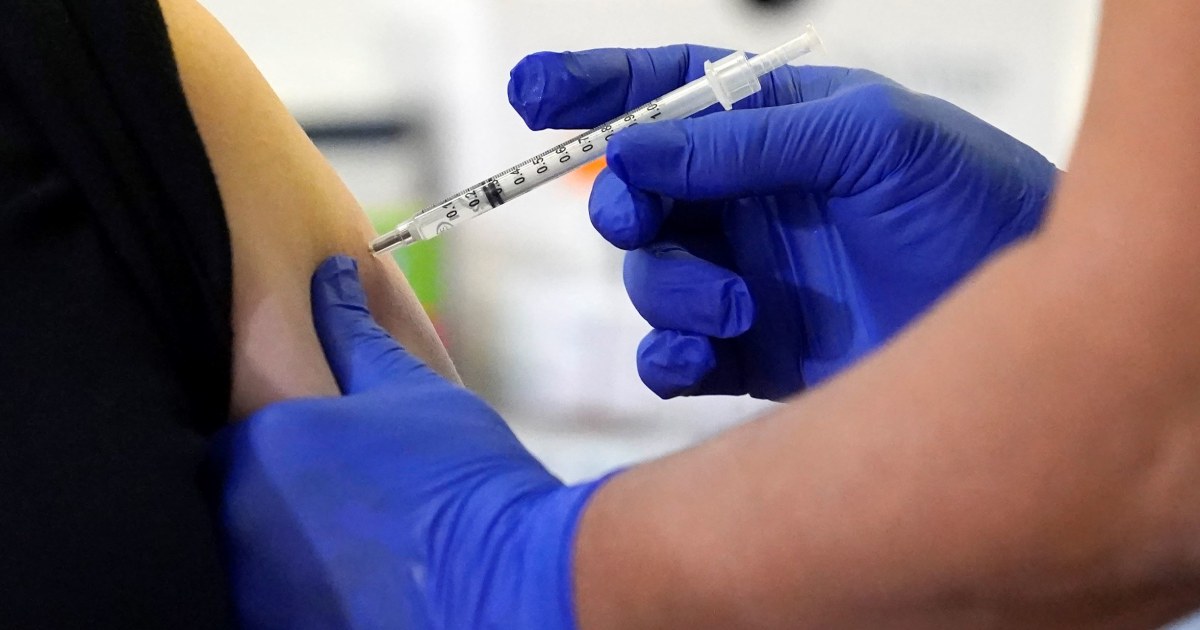
"Mira cómo se desmaya esta enfermera después de recibir la vacuna de COVID"
Publisher’s rating: Falso

విశ్వాస్ న్యూస్ ఫ్యాక్ట్చెకింగ్ వాట్సాప్ చాట్బాట్ (+91 95992 99372) పై వాస్తవ తనిఖీ కోసం ఒక ట్వీట్ అందుకుంది. జైనాబ్ అనే యూజర్ తన ట్వీట్లో ఇలా రాశాడు, ‘కరోనాకు ఖచ్చితమైన చికిత్స ఎప్పుడూ సాధ్యం కాదని WHO చెబుతోంది. దగ్గు, జలుబు చాలా కాలం నుండి ప్రారంభమయ్యాయి, మరియు విధి చివరి దాకా ఉంటుంది. ఇంకా కొంతమంది టీకా కోసం ఎదురు చూస్తున్నారు. డీఎన్ఏ స్థానాన్ని ఈ వ్యాక్సిన్ ఆక్రమిస్తుందని దక్షిణాఫ్రికా ప్రధాన న్యాయమూర్తి జస్టిస్ సాహియా చెప్పారు.
Publisher’s rating: FALSE
Op Facebook gaat een afbeelding rond waarin een artikel van de NOS tegenover een tabel van het Amerikaanse Centers for Disease Control and Prevention (CDC) wordt geplaatst (hier gearchiveerd). De tabel geeft statistieken weer van de vaccinatiecampagne in de Verenigde Staten en maakt een onderscheid tussen drie groepen: gevaccineerden, mensen met gezondheidsproblemen en zwangere personen op het moment van vaccinatie. In een aparte blogpost wordt gesteld dat de genoemde gezondheidsproblemen het gevolg zijn van de vaccinatie, maar klopt dat wel?
Publisher’s rating: De tabel in de blogpost wordt selectief uitvergroot en mist context. De auteur wekt de indruk dat een hoop mensen ernstige gezondheidsproblemen opdoen door bijwerkingen van het vaccin en daardoor niet langer hun dagelijkse activiteiten kunnen doen. De categorie ‘Health Impact Events’ is echter breed en omvat alle mensen die het vaccin hebben gekregen en daarna minstens één dag medische hulp nodig hadden.
The review examines a Facebook comparison of a NOS article and a CDC table, alongside a blog post claiming that the table showed nearly 3% of vaccinated people could no longer perform daily tasks because of vaccination. It identifies the table’s “Health Impact Events” category as the key issue: the category covered people who needed medical attention for at least one day after vaccination, including for symptoms such as fever or muscle pain. It therefore did not, by itself, establish that those people had severe health problems or were unable to carry out daily activities. The CDC document cited in the review, “Anaphylaxis Following m-RNA COVID-19 Vaccine Receipt,” examined anaphylaxis among people who received the Pfizer/BioNTech vaccine. The review reports that, among 112,807 recipients, six anaphylaxis cases had been recorded by December 18, 2020. It distinguishes those serious allergic reactions from the broader “Health Impact Events” category; the review says the CDC document did not describe that broader category as severe health problems. The review also notes that the blog post’s comparison set the CDC table against a NOS article about expected vaccine side effects, including pain at the injection site, fatigue, headache, chills and fever. For the separate question about pregnancy, it reports that the NOS article said the small group of pregnant women monitored had no acute problems, while effects on babies could not yet be established with certainty. The review also corrects the blog post’s count: it says 112,807 people, not 112,897, had received a vaccine by December 18.