PeakMetrics / Fact Checks
Health & medicine fact checks
Explore claims publishers have checked about health & medicine. Read their original ratings and follow the evidence.
Search fact checks
Search by text or image13,674 published reviews in this topic
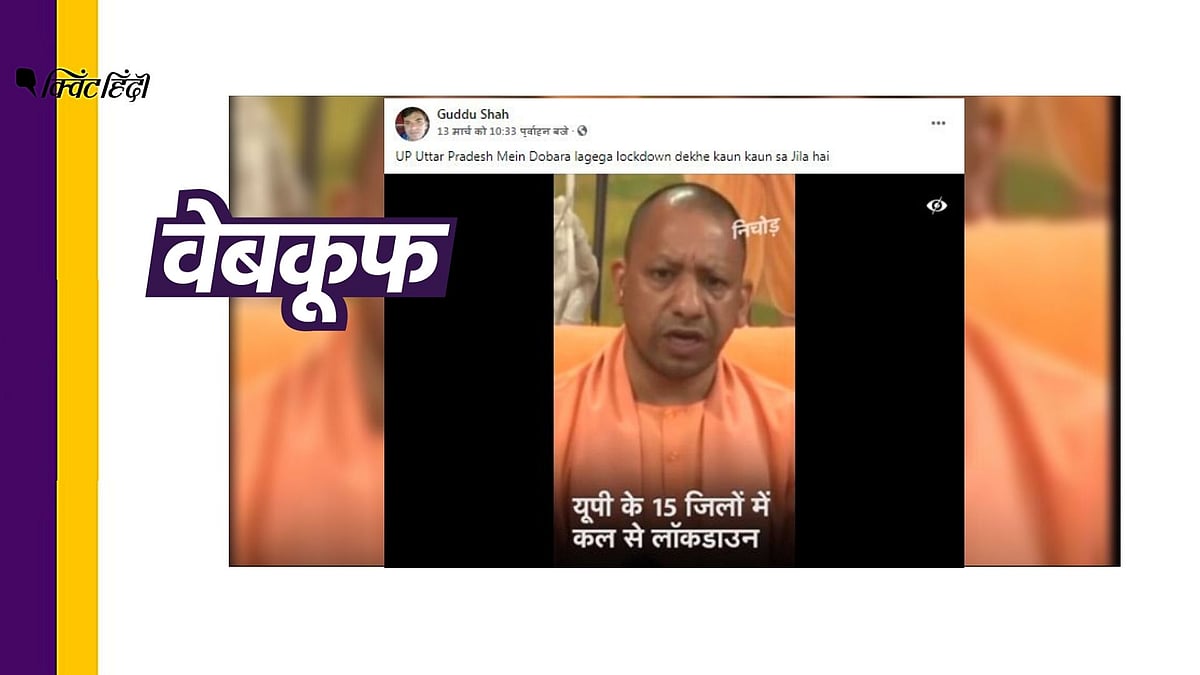
यूपी के सीएम योगी ने फिर से लगाया यूपी के 15 जिलों में लॉकडाउन
Publisher’s rating: FALSE
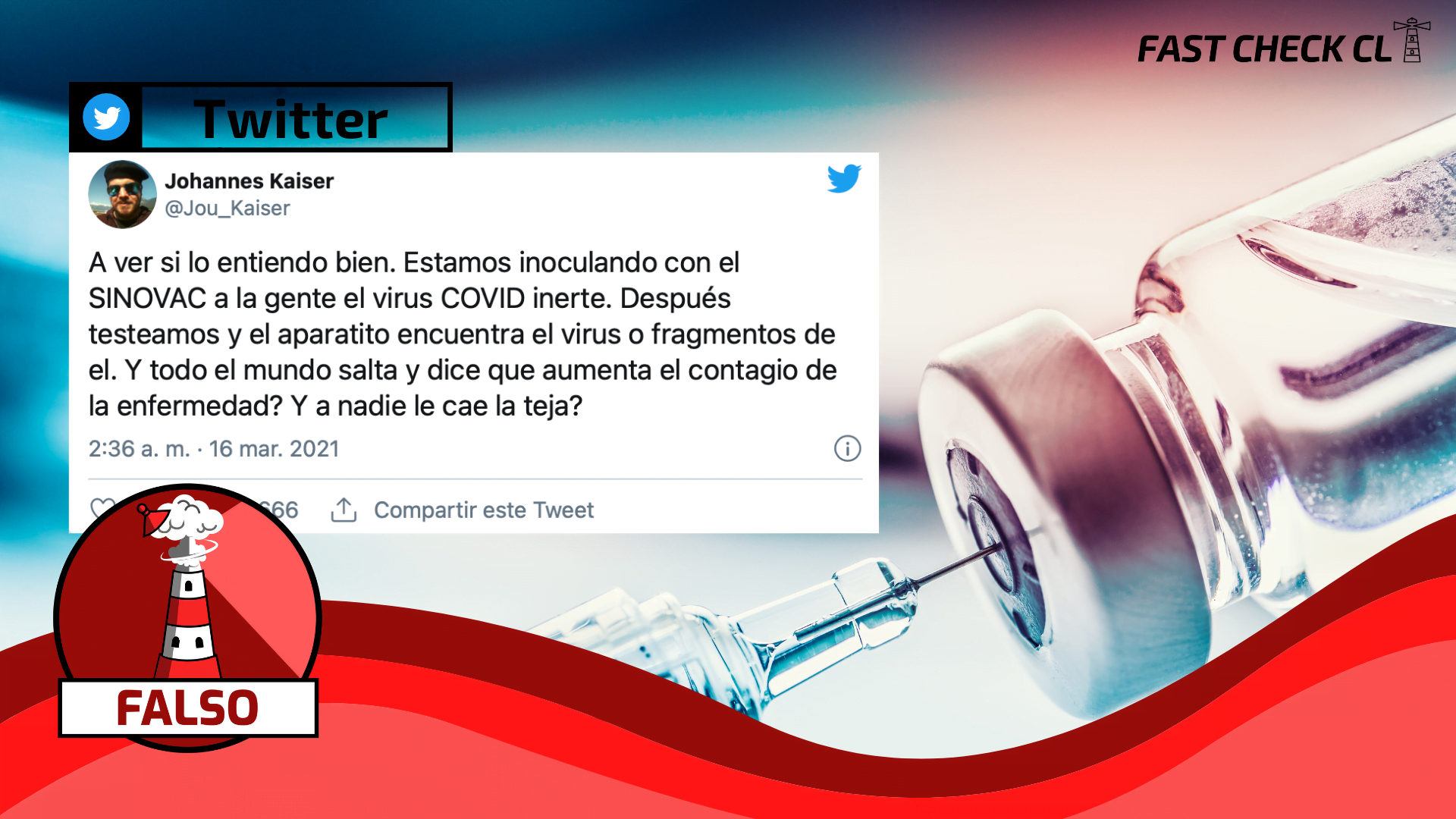
INOCULACIÓN CON VACUNA SINOVAC PUEDE CAUSAR QUE EL RESULTADO DEL EXAMEN DE PCR DE POSITIVO:
Publisher’s rating: Falso
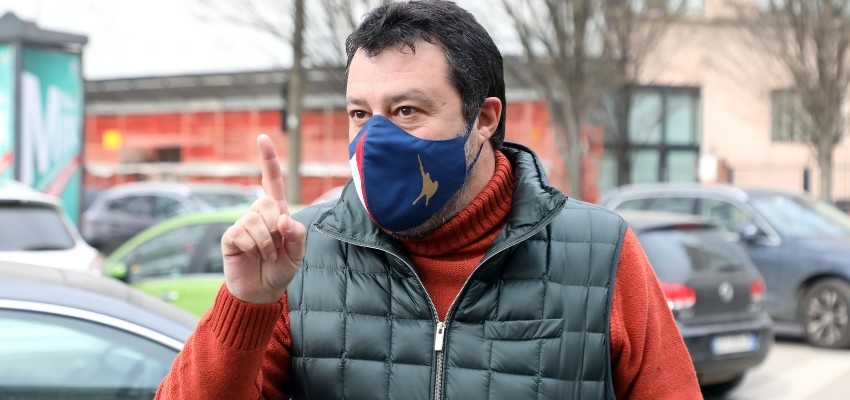
«Già oggi (...) la Lombardia è la Regione che ha vaccinato più di tutti in Italia»
Publisher’s rating: Nì
The claim concerned the absolute number of vaccinations administered by Lombardy, not its performance relative to population or the number of doses it had received. The review says Salvini made the statement on 22 March while defending the region’s handling of vaccination, amid criticism of Aria, the regional company responsible for vaccine management. Lombardy had more than 10 million residents, and vaccine allocation depended substantially on population. By that date it had administered more than 1.2 million doses, the only region above one million; Lazio was next at about 800,000. On that absolute-count measure, the statement was correct. The review then compared regions using measures that account for population. Drawing on government open data displayed by Gedi Visual, it reports that Lombardy had administered doses equal to 12.19 per cent of its population by 22 March, placing it fourth from last. The comparison of people who had received a second dose also put Lombardy in the lower half: it ranked fourteenth among 21 regions and autonomous provinces. These measures show why having the highest total did not establish that Lombardy was vaccinating its residents especially quickly or effectively. The review also examined vaccination among people aged 80 and over, using open data displayed by Il Sole 24 Ore, and the share of delivered doses that had been administered, using government figures updated at 6 a.m. on 22 March. Lombardy was third from last for over-80s who had received both doses, at 10.2 per cent, against a national average of 13.8 per cent. It had used 78.3 per cent of delivered doses, which the review placed fifth from last. The investigation therefore distinguishes a true statement about total volume from weaker results on several population-adjusted and delivery measures.

Associação Brasileira de Infectologia, ABI, a qual tem apenas 4 integrantes e como presidente o pai do Boulos, isso mesmo o pai do Boulos, e bancada pela Pfizer e por meio dessa pseudoassociação proíbe que infectologistas possam dar parecer em favor
Publisher’s rating: Falso
Rotterdamse politie schuift aan bij het patatkraam, zonder anderhalve meter afstand.
Publisher’s rating: De foto dateert uit oktober 2019, voor het begin van de coronapandemie en bijhorende maatregelen. De bewering is dan ook fout.
The claim concerns a photo of Rotterdam police officers queuing at a patat stand without keeping one-and-a-half metres apart. A Facebook post paired the image with the suggestion that officers had been enforcing distancing rules shortly before appearing to disregard them themselves. The review identifies the image as dating from October 2019, rather than from the period when Dutch pandemic measures applied. Its account says the photo was already circulating on social media on 31 October 2019. (The Facebook post and the image’s earlier circulation are described in the review.) That timing is central to assessing the post’s implication: the review says the Netherlands introduced its first measures against the coronavirus pandemic in mid-March 2020, about four months after the photo was published. The depicted scene therefore predates those measures; the image cannot establish that officers were ignoring distancing rules that had not yet been introduced. The review places the photo amid demonstrations in Rotterdam during October 2019. It notes that the construction sector protested in several Dutch locations, including Rotterdam and The Hague, on 30 October, but explicitly says it is not entirely certain the photo was taken that day. The evidence supports the image’s pre-pandemic timing, while leaving its precise date and connection to a particular demonstration uncertain.

5 جينات قد تؤدي إلى وفاة الشباب المصابين بكوفيد-19؟
Publisher’s rating: صحيح جزئياً

W planach jest stosowanie segregacji wobec osób, które nie zgodzą się na szczepienie.
Publisher’s rating: Nieweryfikowalne
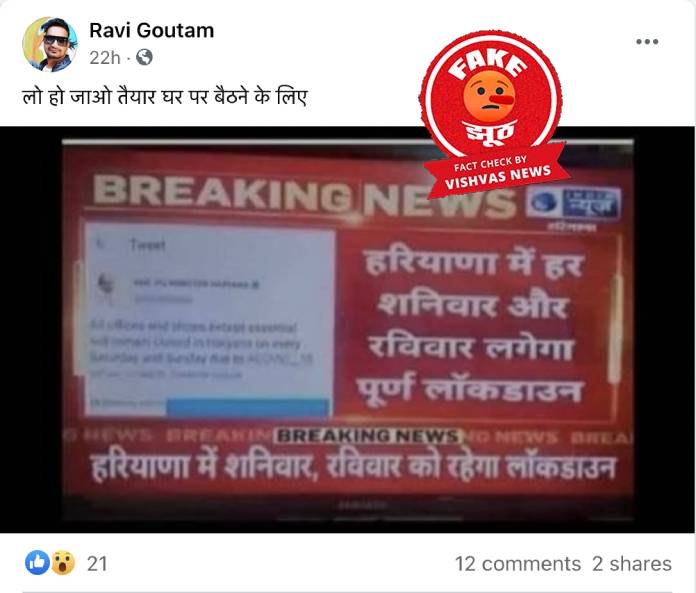
A viral news card of India News with a picture of a tweet from Anil Vij, Haryana Health Minister informs the state is under complete lockdown on Saturday and Sunday.
Publisher’s rating: FALSE
The claim concerned a viral India News card showing what appeared to be a tweet from Haryana Health Minister Anil Vij announcing complete lockdown on Saturday and Sunday. The card was shared as a recent announcement, but the review found it was old: the same card had appeared on another Facebook page on 22 August 2020. That earlier appearance establishes that the image was not a new announcement, though the card’s age alone does not establish whether its lockdown claim was true when it first circulated. To check whether Haryana had made a recent announcement, Vishvas News reported that it contacted Vij. He said, “The viral claim is fake. There is no lockdown.” The review also cited reporting that, despite rising Covid-19 cases, the government had said lockdown or night curfew was not being considered. It said Vij had stated he was not in favor of either. Together, the minister’s denial and the reported government position contradict the card’s claim of a current weekend lockdown. The review’s conclusion was that the card was old and Haryana had not recently announced a weekend lockdown. The evidence presented supports that conclusion for the time the card was being recirculated; it does not establish that no lockdown could be announced at another time.

Face masks were responsible for "thousands" of deaths from bacterial pneumonia.
Publisher’s rating: There is no evidence for this claim.

vacinas covid-19 vão “desligar” o nosso sistema imunológico, e não resistiremos a uma próxima mutação da covid-19.
Publisher’s rating: Falso

மிகப்பெரிய தீங்கு விளைவிக்கும் ஏழு பழக்கங்களை வெளியிட்டுள்ளதாக கூறும் ஒரு புகைப்படம் சமூக ஊடகங்களில் வைரலாகி வருகிறது. காலை உணவை தவிர்ப்பது, தாமதமாக தூங்குவது, அதிக சர்க்கரை உட்கொள்வது, அதிக தூக்கம் கொள்வது (குறிப்பாக காலையில்) , தொலைக்காட்சி அல்லது கணினி பார்த்துக்கொண்டே உணவு உட்கொள்வது, தூங்கும் போது தொப்பி/குள்ளா அல்லது சாக்ஸ் அணிவது, சிறுநீரைத் தடுக்கும் / நிறுத்தும் பழக்கம் ஆகியவை இதில் அடங்கும் என்று அதில் குறிப்படப்பட்டுள்ளது.
Publisher’s rating: FALSE
The claim concerns a viral image that attributes to the World Health Organization (WHO) a list of seven habits said to cause major harm to the brain: skipping breakfast, sleeping late, consuming too much sugar, sleeping excessively—especially in the morning—eating while watching television or using a computer, wearing a cap or socks while asleep, and holding in urine. The review says the image also displays WHO’s emblem and that the post had resurfaced on social media. The investigation reports that Vishvas News had previously examined the post’s claims individually. In this review, it says the image contains grammatical and syntactical errors and reports that a WHO spokesperson, whom the investigators contacted, said WHO had not shared the post and that it was being circulated falsely in the organization’s name. Together, that evidence addresses the attribution at the heart of the claim: the review found no basis for treating the list as a WHO publication. The review also qualifies what can be concluded about the habits themselves. It says the listed behaviors do not directly lead to brain damage, while frequent engagement in them may cause serious health problems. That distinction matters: the review challenges the claimed WHO attribution and the assertion of direct brain damage, rather than claiming that every listed behavior is harmless.
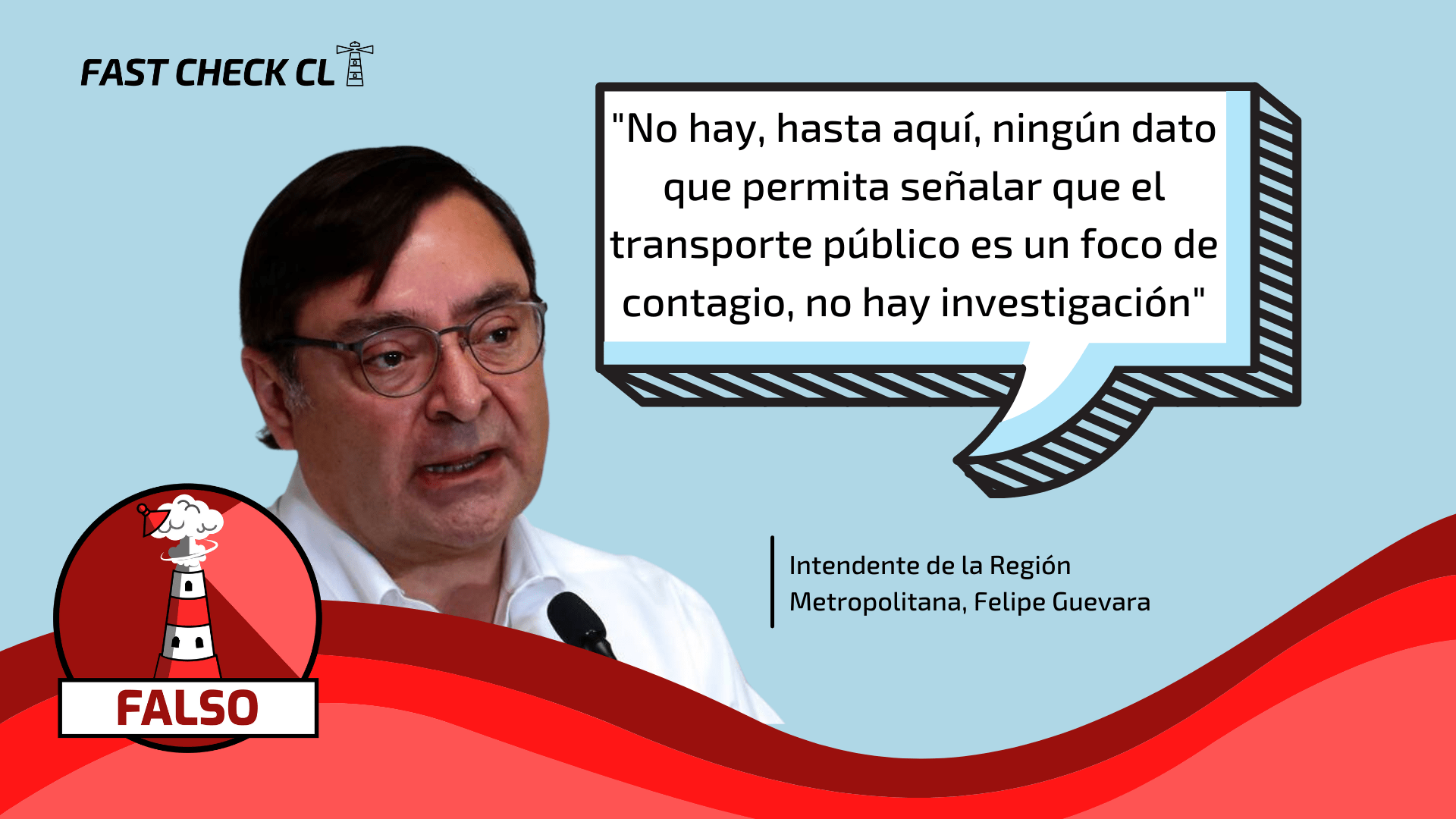
“NO HAY, HASTA AQUÍ, NINGÚN DATO QUE PERMITA SEÑALAR QUE EL TRANSPORTE PÚBLICO ES UN FOCO DE CONTAGIO, NO HAY INVESTIGACIÓN”
Publisher’s rating: Falso
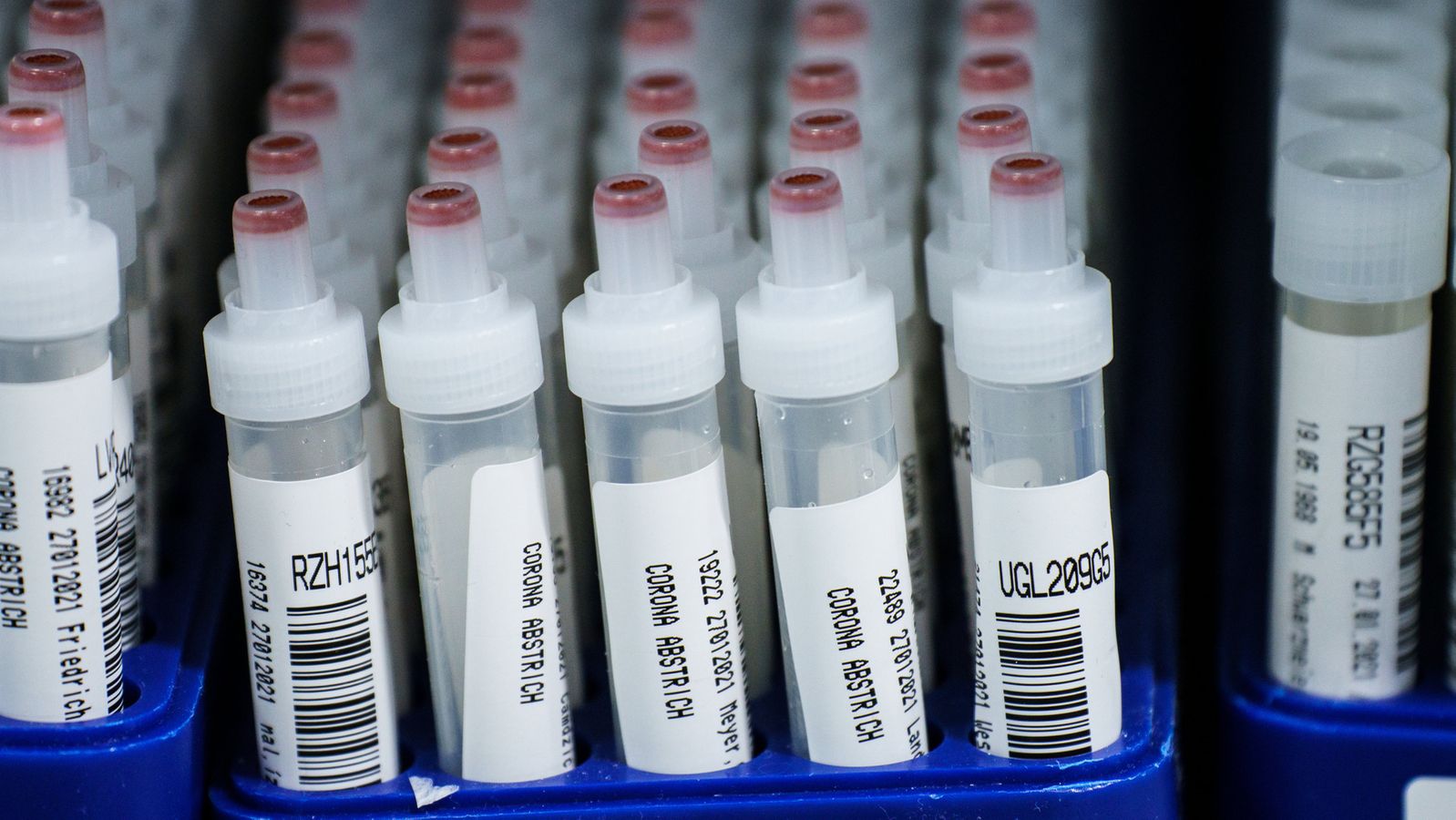
Die Regierung steuert die Infektionszahlen durch Erhöhung oder Senkung der Corona-Tests.
Publisher’s rating: Falsch. Es gibt keinen direkten Zusammenhang zwiaschen der Anzahl der Tests und der Anzahl der positiven Fälle. Die Regierung kann die Zahl der Tests durch Empfehlungen, wer sich testen lassen soll, nur indirekt steuern. In der Regel entscheiden die Bürger, ob ein Test durchgeführt wird.


IVERMECTINA supera vacinas: mais de 83% de eficácia contra a Covid-19, revela a ciência
Publisher’s rating: Falso
COVID-19: 12 pays ont suspendu la vaccination pour cause de décès ou de graves effets secondaires.
Publisher’s rating: La publication est une affirmation généraliste et trompeuse. La vaccination n’a pas été suspendue dans une dizaine de pays. Ces pays ont soit suspendu temporairement l’utilisation du vaccin AstraZeneca, soit retardé le démarrage de la vaccination avec le vaccin d’AstraZeneca (République démocratique du Congo et Thaïlande), soit suspendu la vaccination avec un lot spécifique de doses (Autriche, Estonie, Lettonie, Lituanie et le lot ABV5300).
The post under review, published on Facebook on March 12, 2021, asserted that twelve countries had suspended vaccination because of deaths or serious side effects. The investigation says the post referred to COVID-19 vaccination and specifically to AstraZeneca, as indicated by a comment beneath it. The problem was that it described several different decisions as though countries had stopped vaccination altogether. The review distinguishes among temporary pauses in AstraZeneca vaccinations, suspensions limited to a particular batch, and delays in starting a campaign. It reports that Denmark, Iceland, Norway, Bulgaria, Ireland, the Netherlands, Germany, France and Italy had temporarily paused AstraZeneca doses after reports of thromboses or deaths among previously vaccinated patients. Austria, Estonia, Latvia and Lithuania stopped injections from the specific batch ABV5300, while Thailand and the Democratic Republic of the Congo delayed starting AstraZeneca vaccination. Thus, the list did not show that twelve countries had suspended vaccination generally. The account also describes how decisions changed around the European Medicines Agency’s March 18, 2021 conclusion that AstraZeneca was safe and effective. Several countries resumed use, while Denmark, Sweden and Norway were still considering whether to restart. Finland, which had not previously suspended AstraZeneca vaccination, chose to pause it as a precaution on March 19. These qualifications show why the broad wording of the post was misleading: the measures concerned one vaccine, varied in scope and timing, and did not amount to a general suspension of vaccination.