PeakMetrics / Fact Checks
Health & medicine fact checks
Explore claims publishers have checked about health & medicine. Read their original ratings and follow the evidence.
Search fact checks
Search by text or image13,669 published reviews in this topic

Es peligroso para los bebés consumir leche materna de personas que han sido vacunadas contra el covid-19
Publisher’s rating: No hay evidencias
O Brasil foi um dos países que [vacinaram] [...] em tempo mais rápido
Publisher’s rating: Falso
A primeira vacina no mundo [contra a Covid-19] foi aplicada em dezembro de 2020. Em janeiro do ano seguinte, um mês depois, o Brasil começou a vacinar
Publisher’s rating: Verdadeiro, mas...
O Brasil tem 3% da população mundial e teve 11% das mortes da pandemia no mundo
Publisher’s rating: Verdadeiro

චර්ම රෝග වලින් පෙළෙන සුනඛයන්ට Ivermectin , Prazimec-D ලබාදීමේ දී සැලකිලිමත් විය යුත්තේ ඇයි?
Publisher’s rating: Misleading
The review examines advice circulating on social media that people should give Ivermectin or Prazimec-D to dogs with rashes, including a post recommending that an Ivermectin tablet be dissolved in yogurt. Its central finding is not that these medicines can never help: it says they may produce good results in some cases of parasitic infection and related skin conditions. The problem is treating a visible rash as sufficient reason to medicate any dog without veterinary guidance. The review explains that Ivermectin is used against internal and external parasites, but that the appropriate dose varies with the dog and should be set by a veterinarian. It warns that an accidental overdose can cause nervous-system problems, severe tremors, vomiting, or diarrhea, and that a single dose may not be sufficient in every case. For Prazimec-D, it likewise says dose decisions depend on veterinary advice and the dog’s weight. A veterinarian quoted in the review also cautions that some dog breeds may be poisoned by these medicines. The diagnosis matters as well as the dose. The review reports a veterinarian’s explanation that Prazimec-D may suit mite-caused rashes but is unsuitable for skin conditions caused by hormonal or fungal infections. It also reports concerns that improper use can contribute to resistance. Another veterinarian says age, existing illness, and pregnancy are among the factors to consider. The review therefore concludes that, although the medicines may help in some parasite-related cases, giving them to any dog with a rash without veterinary advice is risky.
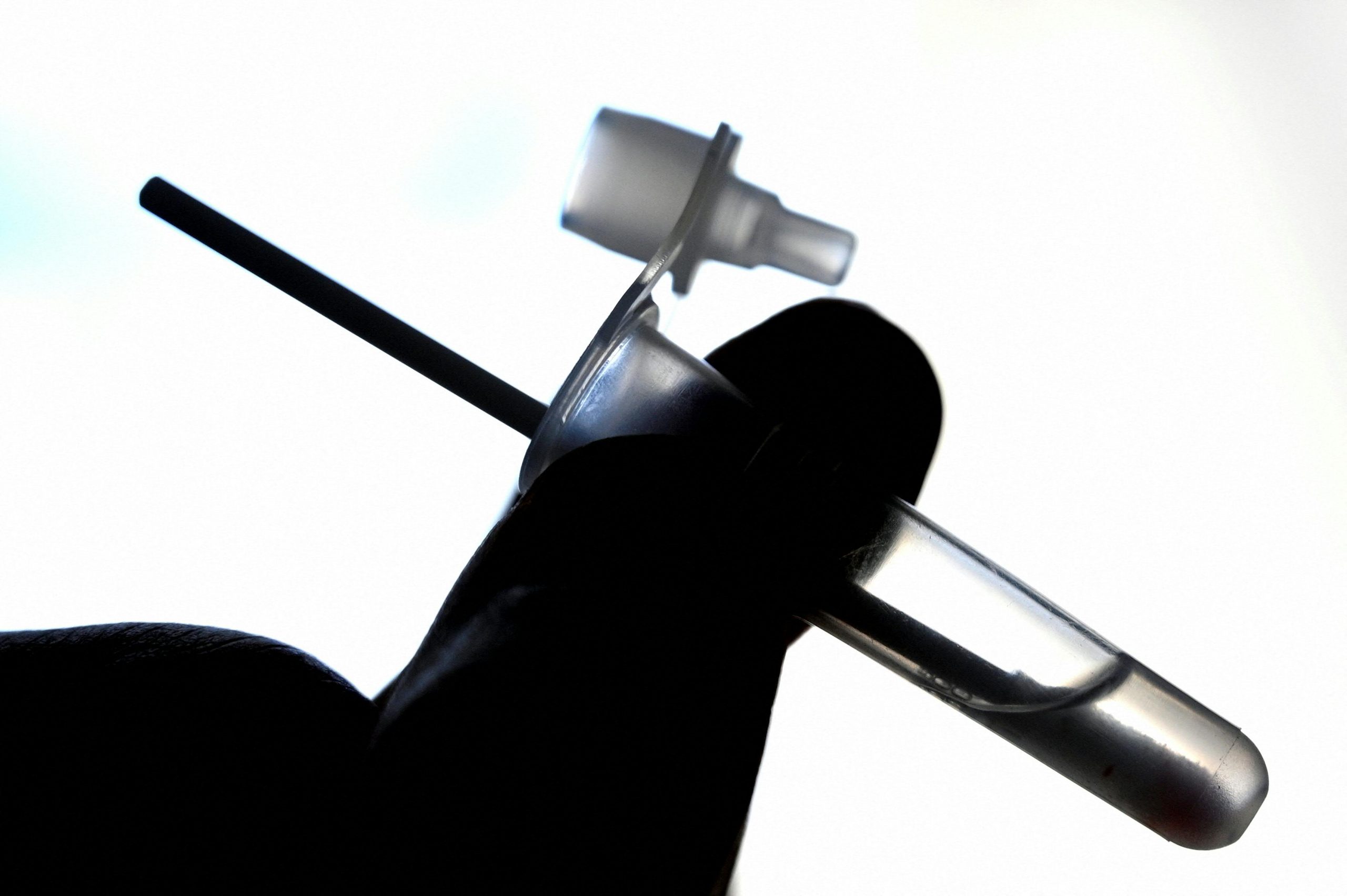
Antigen-Schnelltests sind gefährlich, da sie toxische Substanzen enthalten
Publisher’s rating: Die beiden toxischen Substanzen Natriumazid und Triton X-100 kommen in der Pufferlösung zwar vor, sind aber in so geringer Menge vorhanden, dass das Hantieren mit ihnen laut Experten und zuständigen Prüfstellen unbedenklich ist. In Beipackzetteln der Tests für Heimanwender müssen sie nicht speziell ausgewiesen werden. Die Testanordnung von "Wir-EMUs" basierte laut BASG auf teils unzulässigen ISO-Normen für diese Art von Produkten. Das BASG arbeitet in enger Abstimmung mit anderen Prüfbehörden im Europäischen Wirtschaftsraum zusammen, die die Pufferlösungen laufend überprüfen, weshalb eine eigene Überprüfung ausgeblieben ist.

De coronavaccins zijn nooit getest op het voorkomen van verspreiding, zo gaf de directeur van Pfizer toe aan MEP Rob Roos.
Publisher’s rating: Het Pfizervaccin werd inderdaad oorspronkelijk niet getest op het voorkomen of beperken van transmissie. De coronavaccins voorkomen niet alle besmettingen, maar helpen wel om ernstige ziekte en alle gevolgen van dien te voorkomen. Dit is al geweten sinds hun introductie eind 2020.
ज्वानो र बिरेनुन दहीमा मिसाएर खाँदा पायल्स ठिक हुन्छ
Publisher’s rating: Half True
"Tem um estudo israelense que [mostra que a vacina da] Pfizer tem uma validade de quatro semanas"
Publisher’s rating: Falso
Die neuen Corona-Regeln stehen der Empfehlung des RKI zu FFP2-Masken entgegen
Publisher’s rating: Falsch
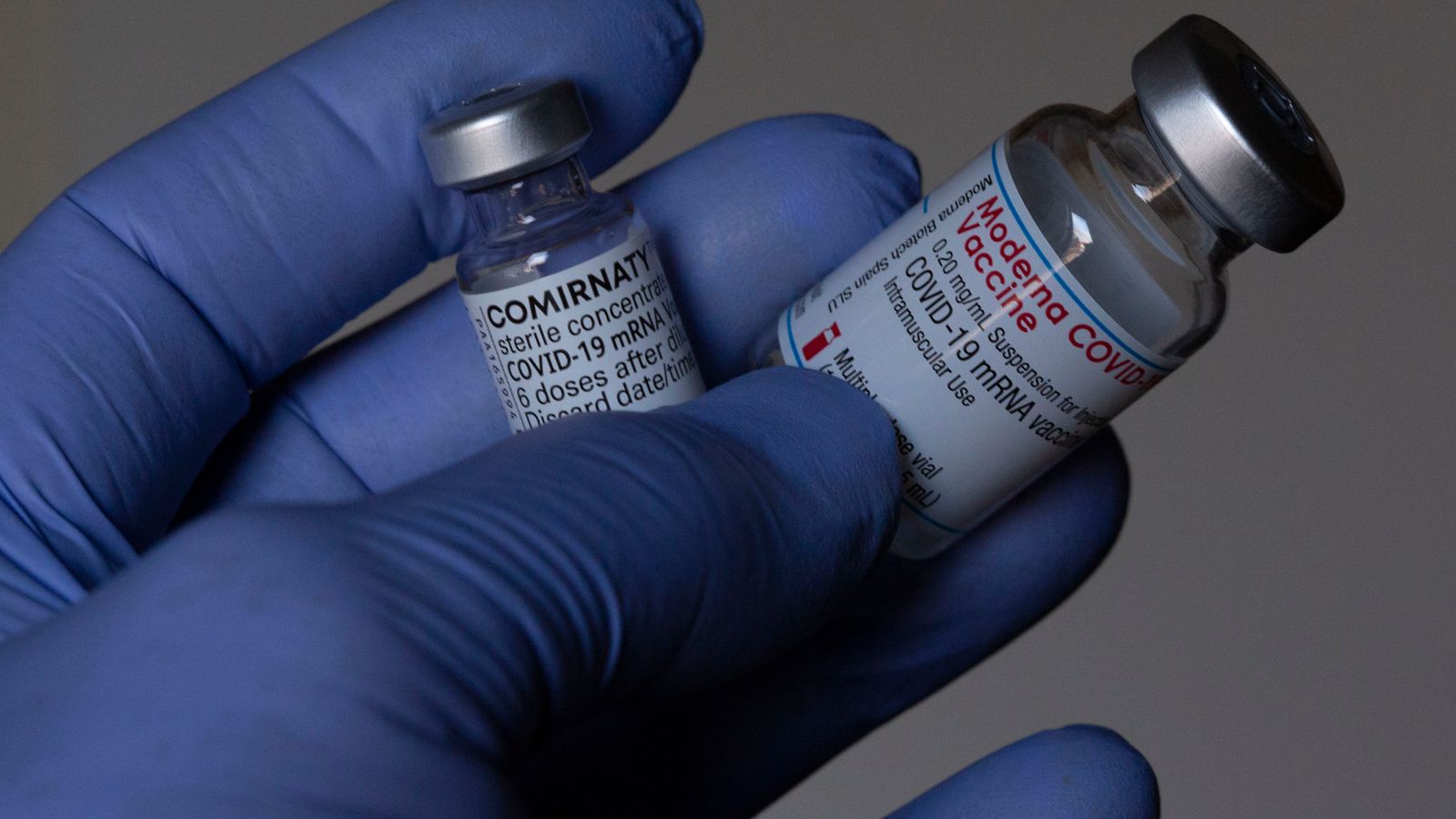
Impfung führe zur mehr Nebenwirkungen, als bisher bekannt
Publisher’s rating: Irreführend und unbelegt. Die Studie, auf die sich bezogen wird, wird von zahlreichen Wissenschaftlern als unseriös angesehen. Es handelt sich lediglich um eine eigene Auswertung bereits veröffentlichter Daten. Die Studie dient laut Experten nicht als Beleg für die Behauptung.
इन्डोनेसियालीहरूसँग कोभिड प्रतिरोधी क्षमता प्रशस्तै छ
Publisher’s rating: False



Im australischen Bundesstaat New South Wales sind mehrere dutzend Rinder gestorben, nachdem sie mit einem mRNA-Impfstoff
Publisher’s rating: Es gibt aktuell keine mRNA-Impfstoffe für Kühe. Zwar befinden sich mRNA-Impfstoffe gegen verschiedene Tierkrankheiten in der Entwicklung, doch aktuell sind keine solchen Impfstoffe für Rinder in Australien verfügbar oder gar vorgeschrieben.

De Franse president Macron is niet gevaccinerd.
Publisher’s rating: Lassalle levert geen enkel bewijs voor zijn uitspraken en dat is er ook niet. Macron en het merendeel van zijn regeringsleden zijn gevaccineerd.
The claim arose after French politician Jean Lassalle said in an interview that he believed Macron, most of the French government and many members of the National Assembly were unvaccinated. The review reports that these remarks were made in an interview with NTD in early October 2022, and that the relevant part of the video was around 28:40. Lassalle offered no evidence or explanation for the accusation, so the review found no substantiation for it. The review notes that Macron himself has said he was vaccinated against COVID-19. It also says that the absence of public footage of his vaccination was not evidence that he had not received it: Macron reportedly considered the vaccination an ordinary event and did not think images needed to be released. The review further notes that dpa had already debunked the claim about Macron’s vaccination in July 2021. For the wider allegation about government members, the review cites reporting by Libération that, according to inquiries to press representatives, all but one member of the French government had been vaccinated by 13 July 2021; the one exception had recently had COVID-19. It also cites Le Parisien reporting that 81% of National Assembly deputies and officials were vaccinated by 29 July 2021. These details address the broader allegation, but do not establish the individual vaccination status of every politician Lassalle named.

Het Lareb sprak al in oktober 2020 over bijwerkingen van coronavaccins bij de Vaccinatiealliantie.
Publisher’s rating: De werksessie over bijwerkingen ging over alle types vaccins die in oktober 2020 gebruikt werden. Het ging dus niet over coronavaccins. Dat bevestigt het Bijwerkingencentrum Lareb aan dpa.
The claim links an October 2020 Vaccinatiealliantie session about concern over vaccine side effects to coronavirus vaccines. The dpa investigation says the alliance predated the pandemic: it was established in spring 2019 as part of an effort to raise vaccination rates and brought together organisations involved in the national vaccination programme. Its work covered vaccines beyond coronavirus vaccines, including HPV and flu vaccines. The underlying session was held on 26 October 2020. The document fragment shared online reportedly described a session about reducing concern over side effects, but dpa says the full document was not publicly available online. To check what the session covered, dpa asked Lareb. Its director, Agnes Kant, confirmed Lareb’s participation and described discussion of the side-effect questions Lareb received, information needs among consumers and healthcare providers, and myths circulating on social media. Kant said the discussion concerned vaccines and side-effect questions that existed at the time, not coronavirus vaccines. The investigation also reports that dpa was allowed to view the presentation from 26 October and found no mention of coronavirus vaccines. A letter from then-state secretary Blokhuis referring to the alliance’s third meeting lists side effects, adult vaccinations and HPV vaccination among the subjects professionals discussed. Together, the account of the session and the presentation viewed by dpa support the conclusion that the reference to side effects was not evidence that this meeting discussed coronavirus-vaccine side effects.

Eating eggs with a combination of bacon or tea or milk-related food items will cause death
Publisher’s rating: MISLEADING
FACTLY examined a social-media video claiming that eating eggs with certain foods could cause death. The review says it located a longer version of the video on YouTube; that version named bacon, tea, milk products, and muskmelon. It reports that the narrator attributed lethargy to eggs with bacon, constipation to eggs with tea, and advised against combining eggs with milk-related foods. The review’s central finding is that the video’s warnings do not establish that these combinations are deadly. For bacon and eggs, FACTLY notes an explanation that the meal may be difficult to digest and make someone lethargic. It distinguishes those effects from evidence of fatal harm, stating that there is no scientific evidence that the combination is deadly. For tea and eggs, the review discusses possible constipation-related explanations: eggs have little fibre, and a study cited by the British Medical Journal was said to link a compound in tea with dehydration during digestion. It also reports a separate claim that tea may reduce protein absorption from eggs. But FACTLY says there is no scientific evidence that eating eggs and tea together causes death or constipation. For eggs with milk products, FACTLY acknowledges that dairy can cause constipation in some people, while finding no evidence that eggs and milk together are dangerous or cause death; it says the same about the video’s watermelon warning. The review concludes that the video’s clickbait framing turns cautions and proposed effects into an unsupported claim of death. Its discussion concerns whether the cited explanations support that fatal claim, rather than proving that every combination has no possible effect on every person.

Koeien in Australië krijgen een mRNA-vaccin, waardoor ze sterven of de mRNA doorgeven aan mensen via zuivelproducten.
Publisher’s rating: Er bestaan op dit moment geen mRNA-vaccins voor koeien in Australië. Zulke vaccins zijn wel in ontwikkeling voor de ziektes LSD en mond-en-klauwzeer.

මාදං ගෙඩි ඈතුලේ පණුවන් සිටින නිසා ඒවා ආහාරයට නුසුදුසු ද?
Publisher’s rating: Explainer
The review addresses social-media posts claiming that මාදං (black plum) often contain harmful worms and should not be eaten. It describes a post advising people to soak the fruit in salt water for half an hour, and says the accompanying image appeared to show worms emerging from some fruits. The review does not establish that all, or even most, fruits are infested; instead, it reports that infestation can occur in some fruits and that affected fruit can be identified and discarded. [S1: “සමහර මාදම් ගෙඩිවල පණුවන් සිටිය හැකි වුවත් , මෙම පණුවන් දක්නට ලැබීම සියලු මාදම් ශාඛ වලට පොදු ලක්ෂණයක් නොවන බවයි.”; “පණුවන් සිටින ගෙඩි හදුනාගෙන, ආහාරයට ගැනීමට පෙර එම ගෙඩි ඉවත්කළ හැකියි.”] For its assessment, the article says it researched the fruit and consulted Dr. Subhani Ranasinghe, deputy director of the National Herbarium at Peradeniya Botanical Gardens. She is quoted saying that infestation is not common to every tree or every fruit on an affected tree, and that inspecting the fruit’s surface for small holes can help identify fruit to remove. The review therefore challenges the blanket conclusion that people should avoid the fruit simply because worms may sometimes be present. [S1: “ඇතම් මාදම් ගස් පණු ආසාදන වලට ලක්වුවත් එම ශාඛ වල සෑම ගෙඩියකම මෙම ලක්ෂණය දැකිය නොහැකි බව ද ඇය පවසා සිටියා.”; “පලතුරුවල මතුපිට සිදුරු ඇතිදැයි නිරීක්ෂණය කිරීම මගින් පණුවන් සිටින ගෙඩි හදුනා ඒවා ඉවත්කළ හැකි බවත් ආචාර්ය සුභානි රණසිංහ මහත්මිය පැවසුවා.”] The article also discusses salt-water soaking as a way to check fruit for larvae, while qualifying what that check means: it says a few larvae may be found and describes this as something that can occur without harm from eating the fruit. It does not report testing the pictured fruit or provide laboratory results establishing the safety of every infested fruit. Its conclusion is narrower: occasional worms do not make all මාදං unsuitable, and visibly affected fruit can be removed. [S1: “ලුණු මිශ්ර ජලය මඟින් මාදං පමණක් නොව වෙනත් ජම්බු, ස්ට්රෝබෙරි යනාදී පළතුරු රැසක කුඩා කීටයන් වැනි සතුන් සිටිය හැකි දැයි පරික්ෂා කළ හැකි අතර එසේ කීටයන් කිහිපයක් පමණක් සිටී නම් එය සාමන්යයෙන් දැකිය හැකි දෙයක් වන අතර ආහාරය ගැනීමෙන් හානියක් නොවන බවයි විශේෂඥයන් පෙන්වා දෙනවා.”]