PeakMetrics / Fact Checks
Health & medicine fact checks
Explore claims publishers have checked about health & medicine. Read their original ratings and follow the evidence.
Search fact checks
Search by text or image13,669 published reviews in this topic

බයිපාස් සැත්කමකට යොමු නොවී සුව වෙන අත්බෙහෙතක්?
Publisher’s rating: False

تسجيل عدة إصابات بسبب كسوف الشمس بسورية منها 27 حالة فقدان الرؤية الملونة و15 حالة فقدان رؤية تام
Publisher’s rating: كذب
Sex of an unborn child be predicted using bath soap
Publisher’s rating: False
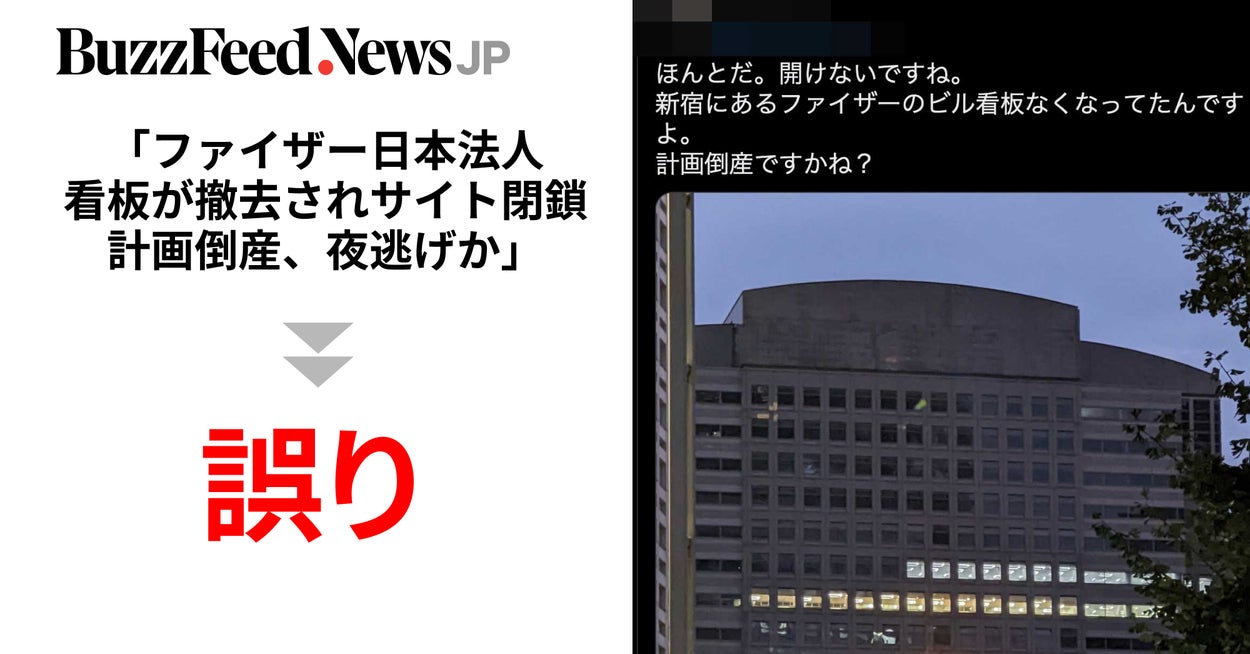
「ファイザー日本法人本社のロゴ看板が撤去されサイトも閉鎖」「ワクチン訴訟を恐れ逃亡、計画倒産か」と拡散した情報
Publisher’s rating: 誤り
The review examined posts linking two events—the removal of Pfizer Japan’s sign from the building where its headquarters was located and a temporary outage of the company’s website—to claims that Pfizer had fled, was planning bankruptcy, or was escaping vaccine-related lawsuits. It reports that these claims circulated on social media in the context of opposition to vaccines, and that “ファイザー” trended on Twitter on the morning of October 24. The sign had been removed earlier that summer; the website outage prompted a fresh wave of speculation.
Gin-soaked raisins be used to cure arthritic pain
Publisher’s rating: Half True
Related reporting says there is no scientific evidence that gin-soaked raisins relieve arthritis symptoms. It describes the proposed explanation—that sulfur compounds in raisins and juniper berries in gin might help—as a belief, not a demonstrated effect. The report’s conclusion is narrower than proof that the raisins cannot help anyone: it says studies have not confirmed symptom relief and advises not relying on them for pain relief. The supplied excerpt does not describe a specific study or testing method, so it cannot support a more detailed account of how the remedy was evaluated.
In a 24 Oras report, parents of a gifted child attributed their child's intelligence to a multivitamin called Bearbites
Publisher’s rating: Fake

Als Folge der Covid-Impfung sind in Italien 2022 viel mehr Menschen krank geworden und es hat in den ersten neun Monaten 548 000 plötzliche unerwartete Todesfälle gegeben.
Publisher’s rating: Die Zahlen sind erkennbar unsinnig und allem Anschein nach frei erfunden. Es gibt keinen Beleg dafür.
“O Plano Nacional de Imunização do Brasil sempre foi bem-sucedido”
Publisher’s rating: Exagerado
Herbal teeth whitening foams strengthen gums
Publisher’s rating: Mostly False

If you see a dog suffering from rashes rush to the nearest pharmacy and give Ivermectin or Prazimec D and dog will be cured !!
Publisher’s rating: Misleading
The post advises people to give Ivermectin or Prazimec-D to dogs with rashes and promises the dog will be cured. Factcrescendo Sri Lanka’s review examined that same advice, including social media posts presenting the medicines as easy or effective remedies for dogs with skin disease. Its conclusion is that they may help in some cases, but recommending them as a cure for rashes generally is misleading and risky; it advises getting veterinary recommendations before giving either drug. The review says Ivermectin is used to treat infections caused by internal and external parasites, but the appropriate dose varies by dog breed and must be administered at intervals recommended by a veterinarian. It warns that an overdose can cause nervous-system problems, vomiting and dysentery, and that one dose is not sufficient. The article therefore does not support giving it indiscriminately or assuming it will cure any rash. Prazimec-D is also described as a drug used against parasites, with dosage dependent on the dog’s weight and other factors. Veterinarian Achini Athapaththu is reported as saying it is more suitable for mite-caused rashes, not rashes caused by hormones or fungal infections; the review also says some dogs may be poisoned by these drugs. Another veterinarian and the Sri Lanka Veterinary Association secretary are reported to warn against using them without veterinary approval. The key omission in the post is that skin symptoms can have different causes, while suitability and dosage depend on the animal and the condition.

Donations for the treatment of a baby suffering from cancer
Publisher’s rating: FALSE
The review examines images of a baby with a swollen stomach circulated with requests for donations on the claim that he had cancer. It identifies the baby as Jiyaan, born in August 2020, and says he was diagnosed in early 2021 with decompensated cirrhosis of the liver with portal hypertension—not cancer. The review says his doctors advised that he needed a liver transplant, estimated to cost about ₹20 lakhs. To trace the images, the review reports conducting a reverse image search, which led to a fundraising campaign on Ketto. It says Ketto’s information identified Jiyaan and described the diagnosis and need for a transplant. According to the review, his parents sought donations because they could not meet the cost themselves; 1,661 supporters contributed, the transplant was successfully performed, and Jiyaan was doing well. The central omitted context is that the images came from an old, completed appeal for a different medical condition. The review says the Ketto campaign had ended more than a year earlier, while social media users were circulating the images again and directing donors to fraudulent accounts. Thus, its evidence addresses both the false cancer description and the misleading presentation of an already fulfilled fundraiser as a current request for treatment.
Doc Willie Ong is promoting Bio Stomach Curcumin
Publisher’s rating: False

هل من لقاح لمرض الكوليرا؟
Publisher’s rating: صحيح
The review distinguishes two questions that can be confused: whether cholera has a vaccine, and whether Lebanon had vaccine doses available at the time. It reports that the vaccine is taken orally, not by injection, and concludes that it was not yet available in Lebanon when the review was written. Thus, the answer is yes, a cholera vaccine exists, but the review does not say it was then accessible in Lebanon. For the Lebanese situation, the review cites a statement by caretaker Health Minister Firas al-Abyad at a press conference on 19 October 2022. He said Lebanon had requested vaccine doses and received promises that they would be supplied soon, while noting a global shortage amid cholera outbreaks, particularly in Africa. The review says Lebanon was working with the World Health Organization to secure 600,000 doses and had been promised an initial supply within ten days. It describes planned prioritization of closed settings such as prisons, with other doses to be distributed according to the epidemiological situation. The article also addresses the accompanying claim about transmission: it reports that contaminated water is a major driver of cholera’s spread in Lebanon and that contact can contribute to transmission if an infected person does not properly disinfect their hands. It describes clean water, sanitation, food safety, and oral vaccination as prevention measures. Its answer is therefore qualified by place and time: vaccination was a recognized prevention option, but the requested supply had not yet arrived in Lebanon.
Bio Stomach Curcumin can cure stomach ulcers in a week
Publisher’s rating: False

Video from Tata Memorial Hospital in which a woman performs tapping exercises and explains their benefits
Publisher’s rating: MISLEADING
The claim concerns a video of a woman demonstrating tapping exercises and discussing their benefits, which was shared as content from Tata Memorial Hospital (TMH). FACTLY identifies the woman as Manishaa, founder of Om Sairam Perfect Health, an alternative and holistic health service centre in Koti, Hyderabad—not as someone affiliated with TMH. The review also says the hospital had not shared the video. To investigate the video’s origin, FACTLY searched YouTube using relevant keywords and found an extended version posted by the Sanjana John channel on 2 June 2021, titled “Tapping exercise for good health.” It reports finding other videos of the woman on that channel, then identifying her and her centre. The review says visuals on the centre’s YouTube channel match the viral video. These findings support an origin other than TMH; they do not, by themselves, establish where the footage was physically recorded. FACTLY also checked TMH’s website and social-media accounts and found no post asking people to watch the video. In a later clarification, TMH director CS Pramesh rejected the attribution. The review separately notes that evidence about possible benefits of tapping exercises is not settled: it describes WebMD as reporting both studies suggesting psychological benefits and researchers attributing improvement to placebo. That health discussion does not establish the video’s provenance.
Aluminum-based antiperspirants cause breast cancer
Publisher’s rating: Mostly False
Related reporting provides a clinical oncologist’s response to the specific concern that antiperspirant ingredients cause breast cancer. In an answer about the alleged link, Dr. Cheung Fan-yiu states that there is no clinical evidence proving that aluminum compounds or chemicals in antiperspirants cause the disease. The excerpt does not describe studies or a review method behind that conclusion, so it supports reporting the expert’s position, not an independent assessment of the underlying research. A separate article says some studies have suggested a possible link between aluminum exposure and breast cancer, but that the link has not been definitively proven; it also reports that major health organizations, including the American Cancer Society, say there is no clear evidence supporting the claim. Taken together, these excerpts do not establish that aluminum-based antiperspirants cause breast cancer. They also do not provide enough detail to evaluate the studies or organizations cited, and the evidence here is not the original THIP Media review.