PeakMetrics / Fact Checks
Health & medicine fact checks
Explore claims publishers have checked about health & medicine. Read their original ratings and follow the evidence.
Search fact checks
Search by text or image13,669 published reviews in this topic
Los complementos alimenticios que contengan maca aumentan el deseo sexual
Publisher’s rating: 5

Applying burnt honeycomb over skin can cure vitiligo
Publisher’s rating: FALSE
The review examines a social-media video claiming that applying burnt honeycomb to skin treats vitiligo. It identifies the condition as causing smooth white patches and says the video’s proposed treatment was the subject of the fact-check. The review does not describe laboratory testing of honeycomb or a clinical trial; instead, it reports consulting medical sources and a dermatologist about whether vitiligo can be cured and what treatments are used. The review quotes the Cleveland Clinic as saying there is no cure for vitiligo, while explaining that treatment may aim to restore pigment or remove remaining color. It lists camouflage, repigmentation, light therapy and surgery among common approaches. The review also cites the American Academy of Dermatology for the point that treatment can restore lost skin color, distinguishing improvement through treatment from curing the condition. NewsMeter reports that it contacted Dr. Madhuri, a consultant dermatologist at Apollo Hospitals. She described vitiligo as an autoimmune disease involving destruction of pigment cells and named creams, tablets, surgery, narrow-band UVB light therapy and excimer laser as treatment options. She cautioned that response and repigmentation vary by person and disease severity. The review also notes that spontaneous repigmentation can occur but is unpredictable, and concludes that the burnt-honeycomb claim is false. The excerpt provides no evidence that the video’s proposed application was medically tested.
Estos resultados sugieren que el CBD reduce la ansiedad en el SAD y que esto está relacionado con sus efectos sobre la actividad en las áreas cerebrales límbicas y paralímbicas. y mayor captación de ECD en la circunvolución cingulada posterior derecha (p < 0,001, sin corregir). Estos resultados sugieren que el CBD reduce la ansiedad en el SAD y que esto está relacionado con sus efectos sobre la actividad en las áreas cerebrales límbicas y paralímbicas.
Publisher’s rating: 5
El CBD es una molécula útil y prometedora que puede ayudar a los pacientes con una serie de condiciones clínicas
Publisher’s rating: 5
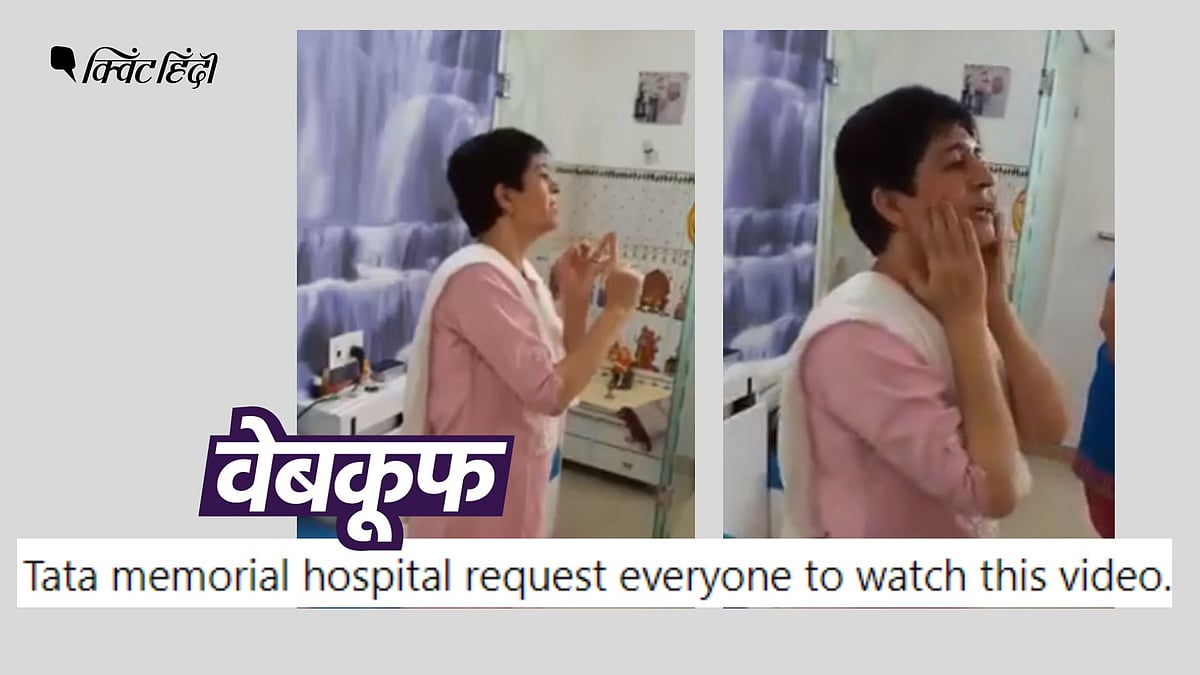
टैपिंग एक्सरसाइज के बारे में बात करती महिला का वीडियो टाटा मेमोरियल हॉस्पिटल से संबंधित है
Publisher’s rating: FALSE
La muestra final consistió en 72 adultos que presentaban preocupaciones primarias de ansiedad (n = 47) o falta de sueño (n = 25). Las puntuaciones de ansiedad disminuyeron durante el primer mes en 57 pacientes (79,2 %) y permanecieron disminuidas durante la duración del estudio. Las puntuaciones del sueño mejoraron durante el primer mes en 48 pacientes (66,7 %), pero fluctuaron con el tiempo. En esta revisión de expedientes, el CBD fue bien tolerado en todos menos en 3 pacientes.
Publisher’s rating: 5
Consumption of eggs with bacon or tea be deadly
Publisher’s rating: Mostly False

‘Zee News’ article reporting the invention of Capsiplex weight loss product by an Indian student
Publisher’s rating: FALSE
The claim concerns a purported Zee News article saying that Mumbai-based student Sunitha Joshi invented Capsiplex, a weight-loss product, and was honoured for it at the European Congress of Endocrinology. The article also promoted dramatic weight-loss claims and presented a lucky draw as a way to obtain the product. FACTLY concluded that the purported article was fake. To check the alleged Zee News publication, FACTLY reports searching Zee News’s official website and YouTube channels but finding no such article. It also searched for reports confirming that Joshi had been honoured at the congress for inventing a weight-loss formula, and says it found none. These checks address the article’s claimed publication and the central biographical claim; the review does not identify a confirming record for either. The product details contradict the purported article’s account of its origin and sale. FACTLY describes Capsiplex as a slimming pill containing capsaicin and says the US-based company developed it following trials at the University of Oklahoma. It reports that the product was available through Indian e-commerce sites, not through the purported article’s lucky-draw system. The review further notes that research cited in its discussion found a 0.92 kg decrease after 12 weeks of treatment with 6 mg/day capsinoid, rather than the article’s claim of up to 13 kg per week. FACTLY’s conclusion is that the purported Zee News article is fake.
consuming lettuce water make you sleep easily
Publisher’s rating: Mostly False

සිරිධම්ම හිමියන්ට HIV ආසාදනය වීමෙන් කොළඹ ජාතික රෝහලට ඇතුලත් කළා ද?
Publisher’s rating: False
The review examined social-media posts claiming that Galwewa Siridhamma Thero, who was being held in detention, had been admitted to Colombo National Hospital after contracting HIV. It distinguishes the fact of his hospital admission from the posts’ claim about its cause: the investigation says news reports placed his admission on October 25, 2022, following a sudden fever, rather than attributing it to HIV. The review also recounts that his sister had raised concerns about his fever and treatment, and that his brother had said dengue testing was being considered. These details describe the illness and concerns circulating at the time; they do not establish HIV infection. (S1: “හදිසියේ ඇතිවූ උණ රෝගී තත්ත්වයක් හේතුවෙන් පූජ්ය ගල්වැව සිරිධම්ම හිමියන් පසුගිය ඔක්තෝබර් 25 වන දා ජාතික රෝහලට ඇතුළත් කළ බවයි එහි සඳහන් කර තිබුණේ.”; “සිරිධම්ම හිමිගේ අසනීප තත්ත්වය පිළිබඳ උන්වහන්සේගේ සහෝදරයා තිස්සපුර සිරි සුමේධ හිමි විසින් ද ෆේස්බුක් සටහනක් පළ කර තිබුණේ, සිරිධම්ම හිමියන්ද, උණ රෝගී තත්ත්වය වැඩි වීම හේතුවෙන් ඩෙංගු වැළඳී ඇත්දැයි යන්න පරීක්ෂා කිරීමට නියමිත බවයි.”) For its check, the publisher says it contacted Colombo National Hospital’s chief nursing officer, Pushpa Ramyani de Zoysa. According to the review, she said Siridhamma was hospitalized because his fever worsened; medical tests then confirmed dengue, for which he was receiving treatment. She also said no HIV test had been conducted because there was no need to test for HIV. That account directly counters the posts’ assertion that HIV was the reason for the admission, while clarifying that the hospital reportedly diagnosed dengue. (S1: “ඇය සඳහන් කළේ, උණ රෝගය උත්සන්න වීමෙන් සිරධම්ම හිමියන් රෝහල් ගත කර ඇති බවයි.”; “අනතුරුව සිදු කරන ලද වෛද්ය පරීක්ෂණ වලින් අනතුරුව උන්වහන්සේට ඩෙංගු රෝගය වැළඳී ඇති බවට තහුවරු වී ඇති බවත්, ඒ සඳහා සිරිධම්ම හිමියන් මේ වන විට ප්රතිකාර ලබා ගන්නා බව ත් HIV ආසාදනය වී ඇති බවට පරීක්ෂා කිරීමේ අවශ්යතාවයක් පැන නොනැගුණු හෙයින් එවැනි පරීක්ෂණයක් සිදු නොකළ බවත් ඇය වැඩිදුරටත් පවසා සිටියා.”) The review’s conclusion likewise identifies dengue—not HIV—as the illness confirmed after admission. Its account supports rejecting the specific claim that HIV infection led to the hospitalization; it does not say that an HIV test was performed and returned negative. (S1: “කොළඹ ජාතික රෝහලට ඇතුළත් කෙරුණු දැනට රැඳවුම් භාරයේ පසුවන ගල්වැව සිරිධම්ම හිමියන්ට ඩෙංගු රෝගය වැළඳී ඇති බවයි.”)

Gevaccineerde mensen in Duitsland mogen geen auto meer kopen, ze krijgen geen autoverzekering meer en mogen niet meer met de auto rijden.
Publisher’s rating: De beweringen zijn volledig uit de lucht gegrepen: er is niets van waar.
The claim circulating on social media in Belgium and the Netherlands was that Germans vaccinated against COVID-19 would soon be unable to buy cars, drive, or obtain car insurance. The review reports that the posts offered no clear source: a Dutch post pointed to a German Telegram message, which itself cited none. That message referred vaguely to insurers changing terms to exclude common vaccine side effects, without specifying the type of insurance, while the posts also connected it to a coming driving ban. The investigation checked the insurance allegation with a spokesperson for Germany’s insurance association, the Gesamtverband der Deutschen Versicherungswirtschaft. The spokesperson said there were no changes of that kind to car-insurance terms. The review also reports that it found no sign of an upcoming ban on driving or buying cars. These findings address the claim’s specific predictions, rather than merely discussing vaccine-related insurance in general. The review adds that German motor third-party liability insurance is compulsory, while coverage for damage to one’s own vehicle is optional. It also distinguishes the COVID-19 allegation from a separate ADAC accident-insurance exclusion: that provision concerned injury from mandated mass vaccinations, had existed since 2007, and applied to vaccines that were compulsory. The review says COVID-19 vaccines did not fall under that exclusion. It concludes that it found no indication that vaccination status would affect obtaining car insurance, buying a car, or driving.

Aus einem britischen Gesundheitsbericht aus der 42. Kalenderwoche geht hervor, dass die Impfstoffe das Immunsystem von doppelt geimpften Personen geschädigt haben.
Publisher’s rating: Die Behauptung ist alt, falsch und wurde längst widerlegt: Eine Corona-Impfung zerstört oder beschädigt das Immunsystem keineswegs. Zwar bilden Geimpfte bei einer Infektion mit dem Coronavirus tatsächlich im Durchschnitt weniger Antikörper gegen ein bestimmtes Protein als Ungeimpfte. Allerdings liegt das der britischen Gesundheitsbehörde zufolge daran, dass Covid-Erkrankungen bei Geimpften meist milder und kürzer verlaufen. Der Report, auf den die aktuellen Facebook-Beiträge verweisen, stammt zudem aus dem Oktober 2021.
The claim attributes immune-system damage in twice-vaccinated people to a UK health-agency report for calendar week 42. The review identifies the cited document as a UK Health Security Agency COVID-19 vaccine surveillance report and says that it did concern a calendar week 42, but it was published on 21 October 2021 and covered 18–24 October 2021—not the corresponding week in 2022. The report’s date and period therefore clarify which document the posts were invoking. The disputed inference focuses on a statement on page 23 that N-antibody levels appeared lower in people infected after two vaccine doses than in unvaccinated people. The review says this observation does not establish immune damage: vaccinated people did, on average, produce fewer antibodies to the nucleocapsid protein after infection, but the UK agency’s explanation was that infections in vaccinated people were generally shorter and milder. The comparison was about antibody responses following infection, not evidence that vaccination had damaged the immune system. The review also describes the biological distinction relevant to the interpretation: vaccination prepares the immune system for the spike protein, whereas N-antibodies form after natural infection. Both vaccinated and unvaccinated people can respond to the nucleocapsid protein, and the review says N-antibody responses are stronger with more severe illness, which it reports occurred more often among unvaccinated people. Taken together, the cited antibody observation and its stated explanation do not support the claim that the vaccines damaged recipients’ immune systems.

Drink made from scent leaves help clean the kidneys !!
Publisher’s rating: Misleading
The review investigated viral Facebook and WhatsApp posts circulating in Sri Lanka that said drinking boiled scent leaves would clean the kidneys. The circulated recipe called for boiling a bunch of leaves in one litre of water and drinking a cup daily; it claimed that accumulated salt and poison would then appear in urine. The review’s conclusion addresses that specific cleansing claim, not whether scent leaves have any possible use in other settings. For its check, Factcrescendo Sri Lanka said it consulted medical experts and searched research papers and scientific findings about scent leaves and kidney health. Dr. Ashan Pathirana of Sri Lanka’s Health Promotion Bureau said there was no significant evidence that scent leaves can clean the kidneys. Nephrologist Dr. Fatiu Arogundade likewise described the therapy as not scientifically proven and urged people with kidney failure or symptoms to seek medical care rather than rely on home remedies. The review also describes animal research in which basil leaf extract was tested against kidney injury associated with cyclophosphamide, a chemotherapy drug. It reports fewer adverse effects among rats pre-treated with the extract, but says it found no human research on the subject. That limited animal finding does not establish that a homemade scent-leaf drink cleans human kidneys. The review concludes that the viral claim is unsupported and advises seeking medical help for kidney-related disease.
Eating 2 slices of onions a day treat depression
Publisher’s rating: Mostly False
Every 1 in 500 children who received Pfizer vaccine are hospitalized
Publisher’s rating: Half True
Belly fat melt in 7 days by having a drink of lemon and eggplant
Publisher’s rating: Mostly False

‘ఎమోటిఫ్ మెర్సిలేట్’ బ్లడ్ క్యాన్సర్ను శుద్ధి చేసే ఔషధం
Publisher’s rating: MISLEADING