PeakMetrics / Fact Checks
Health & medicine fact checks
Explore claims publishers have checked about health & medicine. Read their original ratings and follow the evidence.
Search fact checks
Search by text or image13,668 published reviews in this topic

After Being Parked In Direct Sunlight, Opening Car Windows Help Reduce Toxicity!!
Publisher’s rating: Missing Context

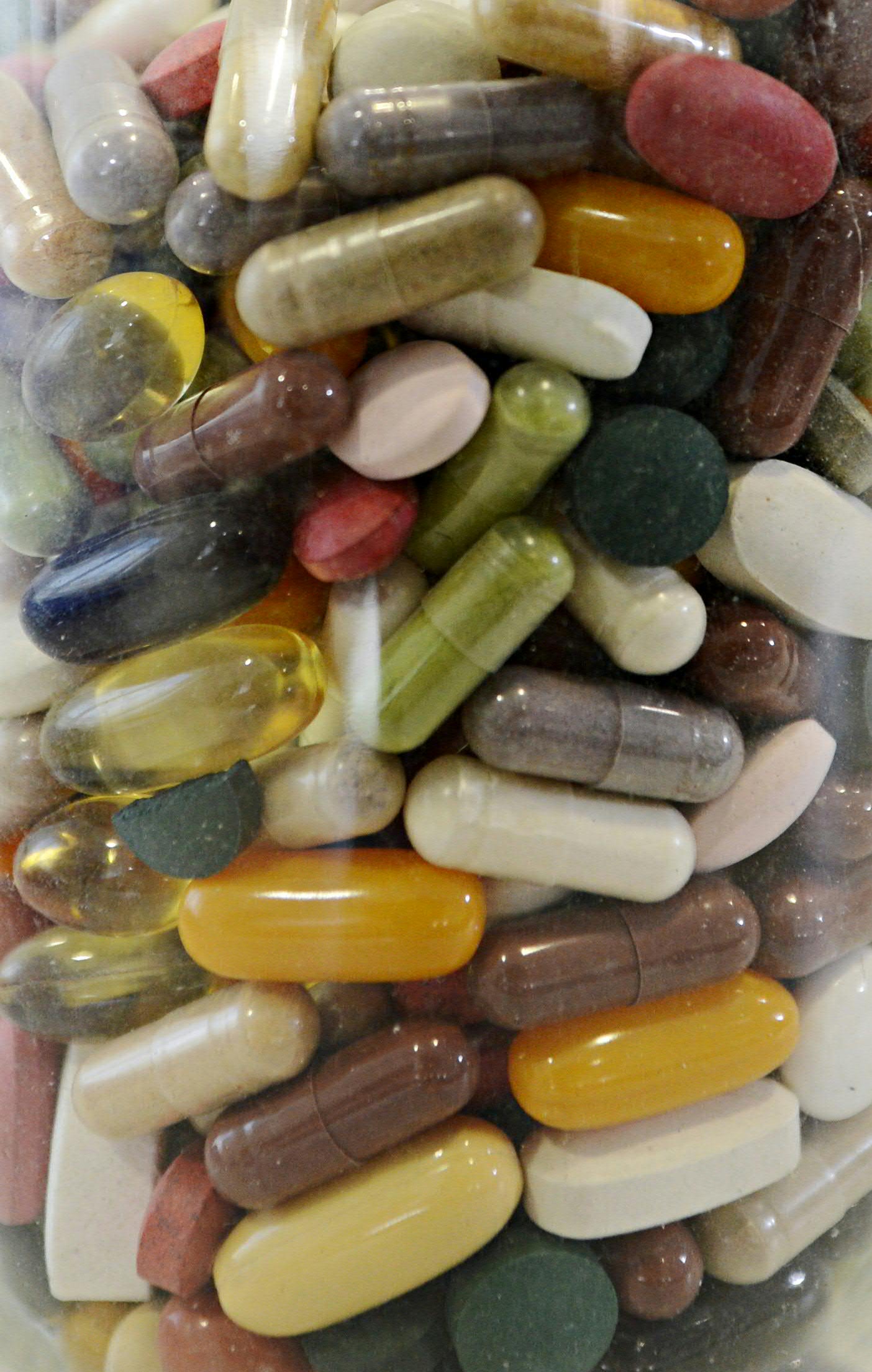
Die EU plant, unbedenkliche Vitaminpräparate zu verbieten
Publisher’s rating: Die EU möchte seit langer Zeit Höchstmengenregelungen für Vitamin-Präparate in den Mitgliedstaaten einführen. Bis jetzt gibt es allerdings keine einheitlichen Regeln. Expertinnen und Experten beurteilen eine unkontrollierte und unbegründete Einnahme bestimmter Nahrungsergänzungsmittel kritisch und warnen vor einer Überdosierung, die vor allem bei Vitamin D gesundheitliche Folgen haben kann.
Scientists at ‘International Immunopharmacology’ have discovered that egg yolks can significantly increase the immunity against Coronavirus.
Publisher’s rating: False: The claims misinterpret the findings of two studies into eggs and Covid-19. Researchers involved in a 2022 study relied upon by these claims told the PA news agency the antibodies against Covid-19 are not natural in eggs laid by hens. The studies do not suggest the antibodies from the egg yolks are being used in humans to protect against Covid-19, and even suggest more investigation is needed into how it responds to humans.

Die deutsche Nachrichtensendung "Tagesschau" hat in diesem Bericht über die Schaffung eines künstlichen Herzens informiert.
Publisher’s rating: Nein, der mit «Tagesschau» markierte Fernsehbericht ist ein aus dem Zusammenhang gerissener Teil eines Kunstprojekts. Er ist ebenso erfunden wie der angeblich erstmals hergestellte «modulare Körper» und der dazugehörige Wissenschaftler. Erst mit dem nötigen Kontext wird klar, dass es hier um ein Projekt eines niederländischen Video-Künstlers geht.


Hastane koridorlarında bekletilen cenaze görüntülerinin güncel olduğu iddiası
Publisher’s rating: Yanlış

Heartwarming Story Of The Hospitalized Patient And His Feathered Friend !!
Publisher’s rating: Misleading
The viral post presented a photograph of a bird on a hospital patient as evidence of a touching story: the patient supposedly had fed pigeons outside the hospital, and one returned to visit him while he was hospitalized. The review says the image circulated with a caption claiming that the patient had been there for 23 days without family visits and that a pigeon came to his bed every two days. The investigation found that the image was real, but that this account of its origin and meaning was not supported. (S1: “The nurse who took this photo shared it with the following note: It has been 23 days since this patient came to the hospital, and no one from his family came to visit him during these 23 days. But there is a pigeon that comes to bed every two days, stays there for a while, then flies away.”) To trace the image, the reviewers used reverse image search. They report finding it on Flickr, posted by photographer Ιωάννης Πρωτονοτάριος (Ioannis Protonotarios) in October 2013. The photographer said the picture was taken in the Cardiology Ward of the Red Cross Hospital of Athens, Greece, where his father shared a room with the patient in the photograph. (S1: “We used the Reverse Image Search feature to find the source of this photo. We traced the image back to Flickr, a stock photo website, where it was posted by a user named Ιωάννης Πρωτονοτάριος (Ioannis Protonotarios) 10 years ago in October 2013.”) The account attributed to the photographer contradicts the recurring-visit story: he said the pigeon appeared once, sat near the patient, and was not seen again. The review also reports that the patient was asleep and had not said he had fed the bird. Thus, the photograph does not establish that the patient had a continuing relationship with the pigeon or that it regularly visited him. (S1: “It was a one-time occurrence, and the bird was not seen again after that. As he had also mentioned that the person was still sleeping, the patient lying in bed had not said that that bird was a pigeon he had fed for a long time.”)

A nurse took a photo of a bird and a patient who fed the bird every day before being admitted to the hospital.
Publisher’s rating: Misleading
The claim attached to the circulating hospital photo said a nurse took it and that the bird had returned to visit a patient who used to feed pigeons every day. Factcrescendo Thailand traced the image to a Flickr stock-photo post from October 2013 and reported that the photographer was Ioannis Protonotarios, not a nurse. The scene was at the Cardiology Ward of the Red Cross Hospital of Athens, Greece; the photographer was visiting his father, who shared a room with the patient in the image. The account the review attributes to the photographer describes a single encounter: he saw a pigeon near the other patient, who was asleep, and took a picture. The bird sat there briefly and was not seen again. The review says the patient never stated that he had fed that pigeon for a long time. This contradicts the post’s account of a recurring bird and a patient’s daily feeding routine. The review’s conclusion is that the story behind the image was false: the photo was not taken by a nurse, and the evidence it reports does not establish that the patient had fed the bird. The image’s documented provenance and the photographer’s account instead place it in a one-time event in Greece in 2013.

Thailand to BAN Pfizer After Thai Princess Falls Into a Coma Following Booster Jab
Publisher’s rating: False


La Thaïlande va interdire les vaccins de Pfizer après que la princesse est tombée dans le coma suite à une vaccination.
Publisher’s rating: Le ministère thaïlandais de la Santé a démenti avoir annulé son contrat avec Pfizer. Quant à la princesse Bajrakitiyabha, rien ne lie son état de santé à la vaccination anti-Covid. D'après ses médecins, une infection serait à l’origine de son coma.
The claim combines two assertions: that Princess Bajrakitiyabha’s coma followed a Pfizer COVID-19 vaccination, and that Thailand responded by banning the vaccine. The review found no support for either link. It says the palace’s public statements about her condition did not connect her heart problems to Pfizer, and that her vaccination status was unknown. Her treating doctors said she had been infected with a mycoplasma, a bacterium that can cause pneumonia; the review presents that infection, rather than vaccination, as the doctors’ explanation for her coma. The review also examined whether Thailand had stopped using Pfizer’s vaccine. It reports that the country approved the vaccine in June 2021 and that seven vaccines were authorized as of December 2, 2022. It found no indication that Thailand intended to stop administering Pfizer-BioNTech’s vaccine. The Thai Ministry of Health publicly rejected the rumor on Facebook and urged people not to trust false information circulating online. The review’s account is therefore inconsistent with the claim of a ban: it reports a ministry denial of contract cancellation, not an announced prohibition. The review traces the rumor in part to a blog by Sucharik Bhakdi, while noting that social-media posts had linked the princess’s condition to a Pfizer booster. It does not report evidence that she received such a dose. The distinction matters: the reviewed material describes an alleged sequence circulating online, but the available information cited in the review does not establish vaccination or a causal connection. Its account of the princess’s condition and the ministry’s response does not support the claim that Thailand would ban Pfizer’s vaccine because of her coma.
அமைச்சர் துரைமுருகன் சர்ச்சை கருத்து. தேர்தல் வாக்குறிதிகளை நிறைவேற்ற முடியாமல் போகிற போது மக்கள் அதை பெரிதாக எடுத்துக்கொள்ளக்கூடாது ஆட்சியை பிடித்த பிறகு வாக்குறிதிகளை நிறைவேற்ற சொல்லி உதயநிதியை பிடித்து மக்கள் தொங்குவது நியாயம் இல்லை அமைச்சர் துரைமுருகன்.
Publisher’s rating: Fake

JAPÃO DECLARA QUE IVERMECTINA É MUITO MAIS EFICIENTE QUE AS VACINAS.... e agora? Quantas mortes? Genocida quem?
Publisher’s rating: Falso


Eine Studie aus Nordeuropa zeigt: Die Wahrscheinlichkeit, an einer Herzmuskelentzündung zu erkranken, ist nach einer Covid-Impfung fünfmal höher als nach einer Corona-Infektion.
Publisher’s rating: Falsch. Diese Schlussfolgerung lässt die Studie nicht zu. Dass häufiger Herzmuskelenzündungen nach Impfungen registriert werden als nach Infektionen, ist überhaupt nicht überraschend: Denn es gibt viel mehr verabreichte Impfungen als Corona-Fälle - in Schweden zum Beispiel ist die Zahl rund neuneinhalb Mal so hoch.


Una mezcla de bicarbonato, agua y vinagre puede “quitar infecciones vaginales”.
Publisher’s rating: Falso