PeakMetrics / Fact Checks
Health & medicine fact checks
Explore claims publishers have checked about health & medicine. Read their original ratings and follow the evidence.
Search fact checks
Search by text or image13,668 published reviews in this topic

Ein internes RKI-Papier beweist, dass die Angaben zu den Covid-19-Todeszahlen massiv manipuliert wurden, von der Pandemie bleibt angesichts dessen nichts übrig.
Publisher’s rating: Die betroffenen Corona-Fälle sind als «nicht verstorben» ans RKI übermittelt worden. Allerdings ist dennoch ein vermeintliches Sterbedatum mitgeliefert worden - das hat aber keine Auswirkung auf den Eingang in die Todesfallstatistik. Zuerst ist nämlich die Angabe über den Verstorbenenstatus ausschlaggebend.
Lung Cleaner Tritydo is an FDA-approved product that can manage asthma, treat bronchitis, pneumonia, COVID-19, and chronic obstructive pulmonary disease. It can also prevent lung cancer, and treat dry cough and sore throat, fluid buildup in the lungs, a collapsed lung, and shortness of breath.
Publisher’s rating: False
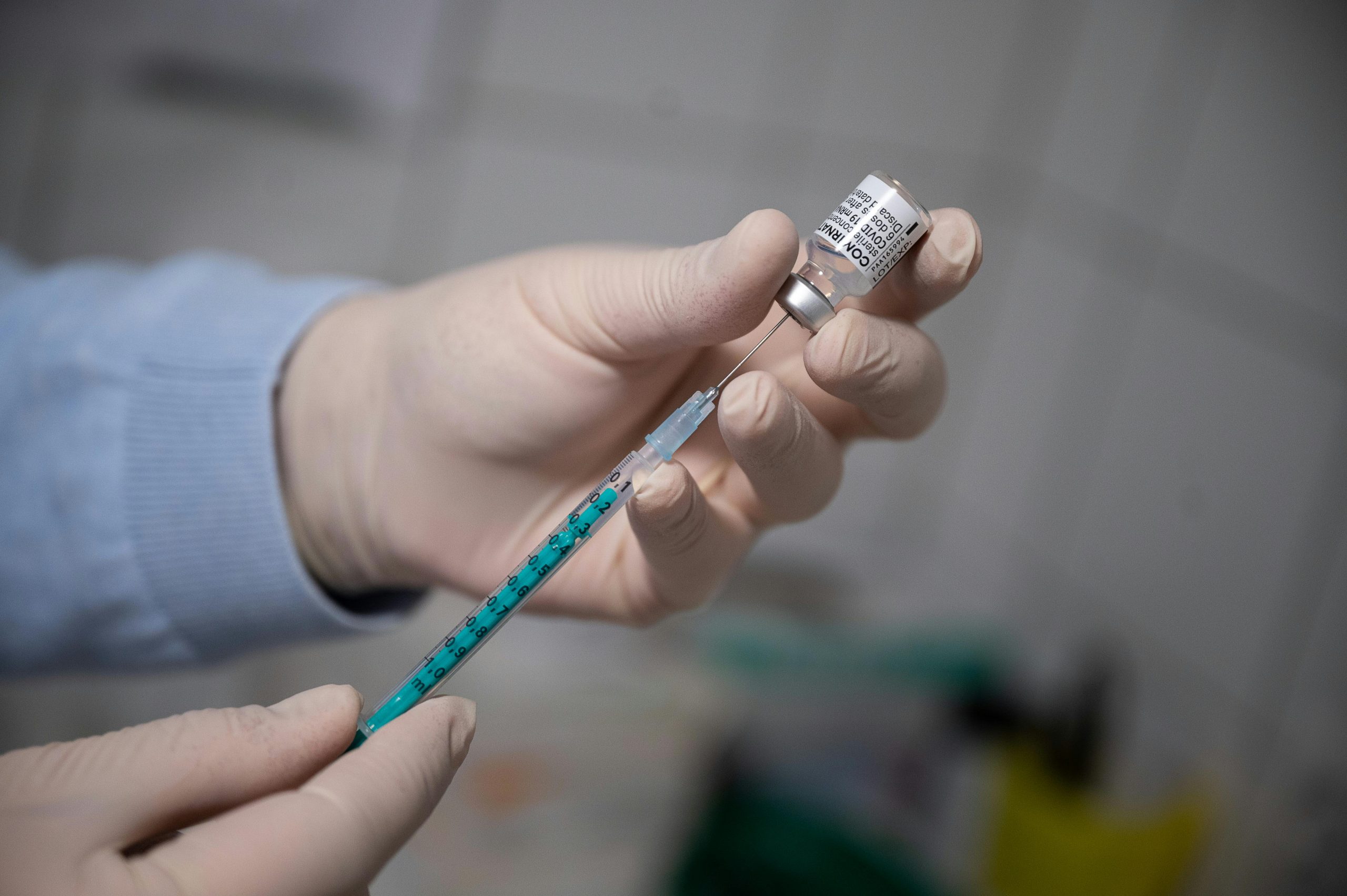
Laut einer Studie gibt es in den USA Hunderttausende Impftote
Publisher’s rating: Die Studie ist als nicht besonders aussagekräftig und nicht belastbar einzustufen. Es finden sich viele Schwächen, die einer wissenschaftlichen Vorgehensweise widersprechen.

1– A *IVERMECTINA* evita os danos provocados pelas Vacinas *RNA.* 2 – A *IVERMECTINA* bloqueia a entrada da *Proteína Spike* para dentro das células. Então, se a pessoa foi vacinada, tem uma esperança, tem uma forma de se tratar através da Ivermectina
Publisher’s rating: Falso
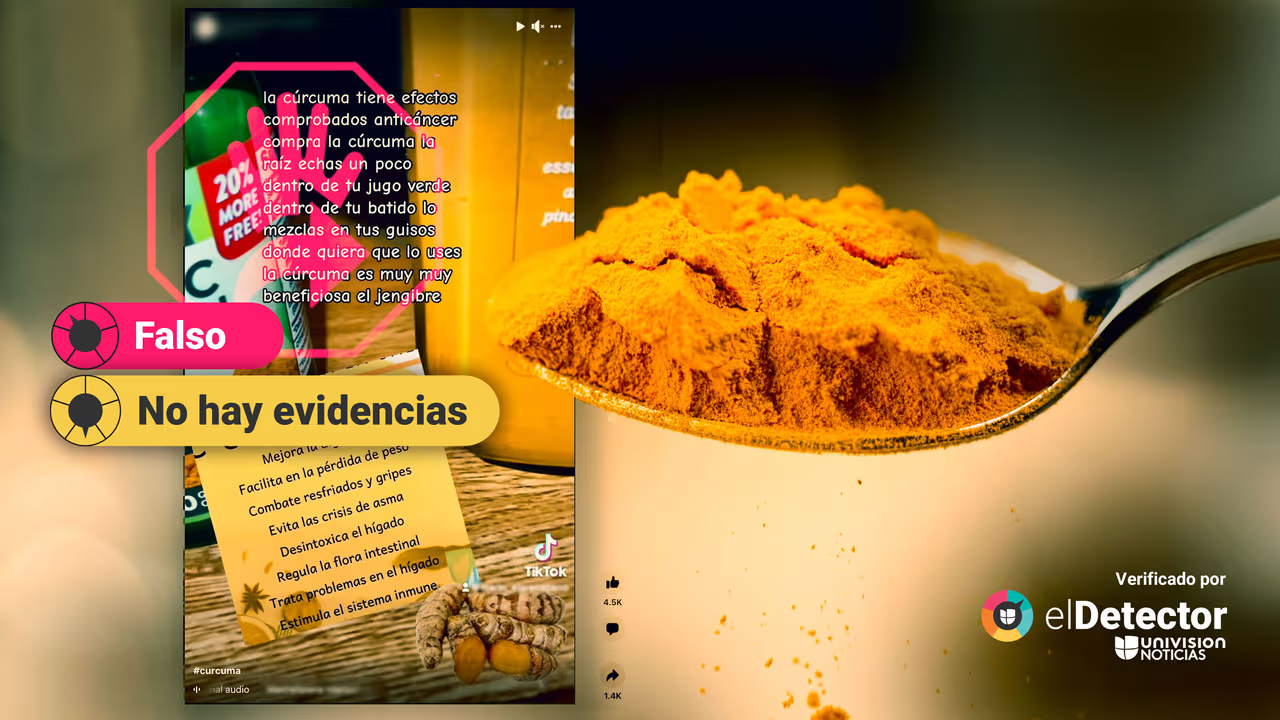
La cúrcuma tiene “efectos comprobados anticáncer”.
Publisher’s rating: Falso / No hay evidencias
tomato pulp and lemon juice work well together to whiten teeth
Publisher’s rating: Mostly False

మందులు అసలైనవా లేదా నకిలీవా అని తెలుసుకునే విధానం
Publisher’s rating: MISLEADING

コロナワクチン、23年度は「秋冬に全員接種」
Publisher’s rating: 誤り
The review says the 2023 policy was to provide vaccination opportunities to everyone, while prioritizing people at higher risk of severe illness—not to require vaccination. The health ministry’s vaccination office confirmed that the policy meant ensuring access and that vaccination would not be compulsory.

WHO issued an advisory to the Government of India stating that 87% population of the country will suffer from cancer by 2025 because of the consumption of adulterated milk
Publisher’s rating: FALSE
The post attributed a stark prediction to the World Health Organization: that 87% of India’s population would suffer from cancer by 2025 because of adulterated milk. It also claimed that India produced 14 crore litres of milk daily but consumed 64 crore litres of adulterated milk. FACTLY’s review says WHO did not issue the alleged advisory and reports that both WHO and the Government of India clarified that no such advisory had been issued. To check the advisory claim, the review says it searched for an advisory to the Indian government and found a WHO press note addressing the viral reports. WHO stated that it had “not issued any advisory” on milk adulteration. The review also reports a clarification by the Press Information Bureau and cites a response by then Health and Family Welfare Minister Dr. Harsh Vardhan to a parliamentary question on 22 November 2019: he said WHO had issued no such advisory. The review further places the post’s milk-safety figures in context. In response to a separate question about the claim that 68.7% of milk and milk products failed FSSAI standards, Harsh Vardhan cited the FSSAI’s 2018 Nationwide Milk Safety and Quality Survey. Of 6,432 samples, 456 had contaminants that made them unsafe, while 12 had adulterants affecting safety. The review also cites the Economic Survey 2021–22 for average daily milk production of 50.58 crore litres in fiscal year 2020–21, which does not support the post’s stated production figure.

पाकिस्तान में ऐसी भुखमरी आ गई है कि वह लोग मस्जिद को पीटकर पत्थर को तोड़ कर बेच रहे हैं।
Publisher’s rating: False
eating papaya during pregnancy can cause miscarriage
Publisher’s rating: Mostly False
Covid vaccine cause more myocarditis than the virus
Publisher’s rating: Mostly False
Related reporting describes evidence that does not support the claim that COVID vaccination causes myocarditis more often than the virus. A report on a Stanford University study says researchers estimated myocarditis occurred in about one in 140,000 recipients after a first mRNA vaccine dose and one in 32,000 after a second dose. It also reports the study’s comparison that COVID-19 itself was 10 times more likely to cause myocarditis than vaccination. The excerpt does not provide the study’s full methods or the underlying absolute rate for infection, so those details cannot be independently assessed from the supplied material. A separate report describes research comparing health records for nearly 14 million children under 18 in England during 2020–2022. It reports that infection was associated with an increased risk of myocarditis or pericarditis lasting up to 12 months, while the vaccine-associated increase lasted about a month. This is relevant evidence for children, but the excerpt gives relative increases rather than absolute event rates and does not establish that the same comparison applies to every age group or vaccination schedule. Together, the supplied reporting points in the opposite direction from the claim: the cited comparisons find higher or longer-lasting myocarditis-related risk after infection, while also acknowledging that vaccination can rarely be followed by myocarditis. The excerpts are later reporting, not the original fact-check or its underlying investigation, and do not establish the details of the evidence available when the claim was reviewed.
baldness or hair loss can be treated with Batana Oil
Publisher’s rating: False
Related reporting examines whether Batana oil can treat baldness or regrow hair, distinguishing those claims from the oil’s possible cosmetic effects on existing hair. It describes Batana oil as derived from the American oil palm and notes that its popularity is driven by claims circulating in videos. The reports say that oil applied to hair lengths may condition strands and reduce friction, which can improve smoothness and help limit some breakage; they caution that this is not the same as new growth from the scalp. The central evidence reported is the absence of strong clinical support for Batana oil as a hair-loss treatment. The reports state that there is “no strong clinical evidence” that it can stimulate follicles, treat baldness, or regrow hair, and that “No robust human trials” have established it as a treatment for common causes of hair loss. They characterize its viral reputation as resting largely on traditional use, testimonials, and marketing rather than controlled clinical research. The reporting therefore distinguishes retaining length by reducing breakage from treating the biological causes of baldness or hair loss. It does not establish that the oil has no conditioning benefit; rather, the excerpts do not support the stronger claim that it treats baldness or produces new hair growth.

