PeakMetrics / Fact Checks
Health & medicine fact checks
Explore claims publishers have checked about health & medicine. Read their original ratings and follow the evidence.
Search fact checks
Search by text or image13,668 published reviews in this topic
گلوبالیستها و فراماسونری با فلوراید (در خمیردندان و آب شرب) اذهان مردم را کنترل میکنند.
Publisher’s rating: شاخدار

OMS agora alerta os pais para manter seus filhos longe da 'vacina perigosa do COVID'
Publisher’s rating: Falso

Video of a man demonstrating hazardous properties of energy drinks
Publisher’s rating: FALSE

Rodrigo Faro sofre AVC e notícia triste apareceu “ele morreu”
Publisher’s rating: Falso

Fosfoetanolamina é a cura do câncer e está disponível para quem entrar na Justiça
Publisher’s rating: Falso

In Impfungen für Neugeborene ist Quecksilber enthalten und Antibiotika sind feindlich für die menschliche Biologie.
Publisher’s rating: In Säuglings- oder Kinderimpfungen ist in Deutschland kein Quecksilber enthalten. Irreführend ist auch die Darstellung, Antibiotika seien grundsätzlich schädlich für den menschlichen Organismus.
The review examines claims made in a Facebook video: that mercury is given to newborns through vaccines and that antibiotics are hostile to human biology and therefore harmful to children who take them. It addresses both claims directly, rather than a different vaccine or antibiotic allegation. The review reports that Germany’s childhood vaccines do not contain mercury, while describing the claim that antibiotics are inherently harmful as misleading. For the mercury claim, the review cites statements from the Robert Koch Institute and the Federal Centre for Health Education that childhood vaccines are mercury-free or no longer contain mercury. It also reports that the Paul-Ehrlich-Institut says vaccines currently authorized in Germany are free of thiomersal, a mercury compound, and supplied as prefilled syringes. The review distinguishes those childhood vaccines from certain pandemic or prepandemic influenza vaccines in multidose containers, which it says may contain thiomersal; it says these are not used for seasonal flu vaccination. For antibiotics, the review explains that they treat infections and have saved lives, so describing them as categorically opposed to human biology omits their medical benefit. It also notes a qualification: frequent antibiotic use, including in hospitals and livestock farming, contributes to resistant bacteria. The review says patients should take antibiotics as prescribed by a doctor, including for the appropriate duration.
Сербия находится на первом месте по заболеваемости раком в Европе
Publisher’s rating: Это не так. Вот стандартизированные показатели заболеваемости по всем странам мира на сайте ВОЗ. На 2020 год — а это последние данные — Сербию опережают 17 стран. В том числе те же США, а в Европе по раку лидируют благополучные Дания и Ирландия.

Studien zeigen, dass vegane Ernährung ungesund bis tödlich ist.
Publisher’s rating: Die Studien beschäftigen sich nicht mit veganer Ernährung, sondern analysieren Gesundheitsrisiken von stark verarbeiteten Lebensmitteln wie etwa Fertiggerichten insgesamt.

Der Moderna-CEO gibt zu, dass er bereits vor der Pandemie über die geplante Pandemie informiert wurde.
Publisher’s rating: Nein. Die von Bancel genannten 100 000 Impfdosen haben nichts mit Corona zu tun. Der Geschäftsführer spricht beim Weltwirtschaftsforum in Davos ganz allgemein über die Impfstoffproduktion seines Unternehmens im Jahr 2019. Moderna suchte zu dieser Zeit zum Beispiel nach neuen Krebstherapien.


Een document bewijst dat grafeenoxide wordt gebruikt in de productie van het Pfizervaccin.
Publisher’s rating: Er zit geen grafeenoxide in het Pfizervaccin of in een van de andere goedgekeurde coronavaccins. Het document waarnaar wordt verwezen toont die aanwezigheid ook niet aan. Het gaat om een onderzoek waarin wetenschappers meer informatie verzamelden over het spike-eiwit dat essentieel is in de werking van het vaccin. Bij dat onderzoek werd in één van de proeven grafeenoxide gebruikt. Het zit niet in het productieproces van het vaccin of in de substantie zelf.

Un rapport confidentiel de Pfizer établit la présence d'oxyde de graphène dans les vaccins Covid.
Publisher’s rating: Non, le rapport auquel se réfèrent les publications ne fournit aucune preuve que l'oxyde de graphène entre dans la composition du vaccin anti-Covid de Pfizer. Ce document porte sur la protéine Spike du virus SARS-COV-2, responsable de la maladie Covid-19. Lors du processus de recherche, cette protéine a été soumise à une technique d'imagerie spécifique, lors de laquelle de l'oxyde de graphène a été utilisé comme matériau de support. Mais rien ne prouve que cette substance se trouve dans le vaccin.
The claim concerns a specific interpretation of a Pfizer report: that it establishes graphene oxide as an ingredient in Pfizer’s Covid-19 vaccine. The review says the report is about the SARS-CoV-2 Spike protein, and that the disputed mention of graphene oxide occurs in a description of research methods—not in a list of vaccine ingredients. It therefore treats the report as evidence about an experiment involving the protein, rather than evidence that graphene oxide was in the vaccine. (S1: “Comme son titre l'indique, le rapport de Pfizer porte sur la glycoprotéine de pointe du SARS-COV-2, également appelée protéine Spike.”; “Mais ce passage, incriminé par certains internautes, ne fait aucune mention des composants du vaccin.”) The review describes four research processes conducted between April and August 2020. It reports that graphene oxide was used in one process, which used cryo-electron microscopy to image the protein. In the review’s account, the material served as a support to help visualize the protein; the resulting observations of its three-dimensional structure did not establish that the material was a vaccine component. The review also notes that the relevant passage names no vaccine ingredients. (S1: “Dans le point 3, il décrit les « matériaux et méthodes » de quatre processus de recherche, menés entre les mois d'avril et d'août 2020. Pour l'un d'eux, de l'oxyde de graphène a bien été utilisé, tel qu'indiqué à la page 7 du document.”; “Les résultats de cet essai, lors duquel de l'oxyde de graphène a été utilisé comme matériau de support afin de mieux visualiser la protéine, sont détaillés à la page 11. Ils permettent d'observer la protéine en trois dimensions.”) The key distinction is between a substance used as a support during a laboratory imaging procedure and a substance listed as part of a vaccine. The review reports the former in the cited passage, but says the report does not make the latter claim. Its conclusion is limited to what this report shows: it says the document does not establish that graphene oxide is in the vaccine. (S1: “Nulle part, il n'est question des « ingrédients » du vaccin, comme le prétendent certains internautes. On ne peut déduire de ce rapport que le vaccin de Pfizer contient de l'oxyde de graphène.”)

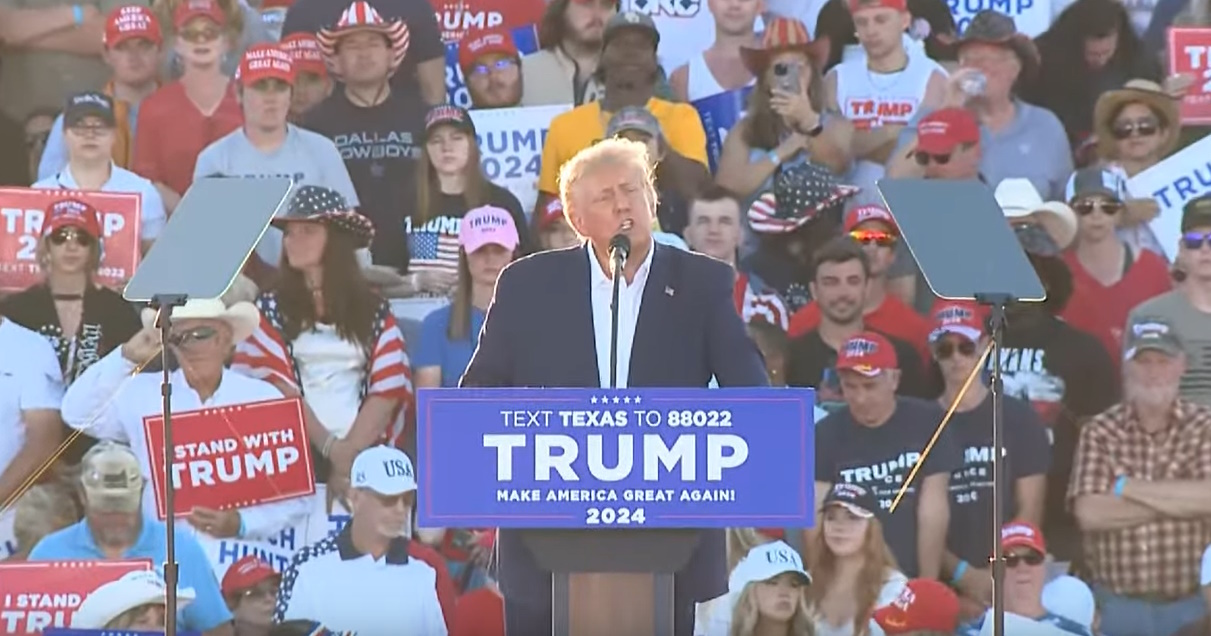
The official count of drug overdose deaths is a “lie,” and the figure is “probably a half a million people” a year.
Publisher’s rating: No Evidence
consuming your placenta is safe and healthy
Publisher’s rating: Mostly False

Imágenes muestran a personas convertidas en zombis por “un nuevo virus” en China.
Publisher’s rating: Falso
The claim concerns social-media posts presenting footage of apparent zombies on a train as evidence of a new virus in China. The review says the posts combined a photo, a video showing people inside a train reacting to a figure outside, and an unrelated musical clip. Its conclusion is that the footage does not show people affected by a virus: it comes from a staged zombie show in Indonesia. To trace the images, the review reports that its investigators searched Google for “zombie train” and found coverage by Japanese news agency Kyodo and the South China Morning Post, which shared an AFP video, of an event called Train to Apocalypse. The show took place in 2022 on Jakarta’s light-rail system and aimed to promote public transportation among young people. The review says media footage showed similarities to the disputed video, including the same sign with a bicycle and the same military costumes. The review also reports a direct confirmation from Pandora Box, the event organizer. Contacted through Instagram, the company said the clip was from its previous event. The review further notes that AP and Reuters fact-checkers also concluded the footage did not show a new virus in China. Taken together, the reported media comparison and organizer confirmation identify the video as staged entertainment in Jakarta, rather than evidence of a disease outbreak in China.

بیل گیتس ناگهان اعتراف کرد که واکسیناسیون اشتباه بوده است!
Publisher’s rating: شاخدار