PeakMetrics / Fact Checks
Health & medicine fact checks
Explore claims publishers have checked about health & medicine. Read their original ratings and follow the evidence.
Search fact checks
Search by text or image13,668 published reviews in this topic

A mixture of garlic, turmeric, ginger, and clove helps women conceive.
Publisher’s rating: FALSE
The review addresses a social-media post promoting a mixture of garlic, turmeric, ginger and clove to help women conceive and regulate the menstrual cycle. It quotes the post’s claim that the mixture can “solve one or two issues” and its warning not to take it during ovulation or the most fertile period. The review also says it found a Facebook user describing having soaked the ingredients and looking forward to sharing “testimonies.” To assess the fertility claim, NewsMeter reports that it could not find a scientific study proving the mixture’s efficacy for conception. It consulted Dr. Jaheerunnisha, a consultant nutritionist at Renova Hospitals. While the doctor described possible benefits attributed to individual ingredients and suggested the combination might help indirectly through factors such as menstrual-cycle regulation or libido, the doctor said there was no evidence that it directly induces pregnancy. The review also consulted Dr. M. Gayathri, a consultant clinical dietician at Apollo Hospitals, who described several potential health uses of the ingredients, including immune support and effects on menstrual pain or digestion. The review’s conclusion distinguishes those proposed individual benefits from proof of the mixture’s effect on fertility: it says there is no evidence that the tonic directly improves a woman’s ability to conceive. The excerpt describes a search for studies and interviews with two specialists; it does not report a clinical trial of the mixture.
Castor oil application can treat any abdominal problem
Publisher’s rating: Mostly False
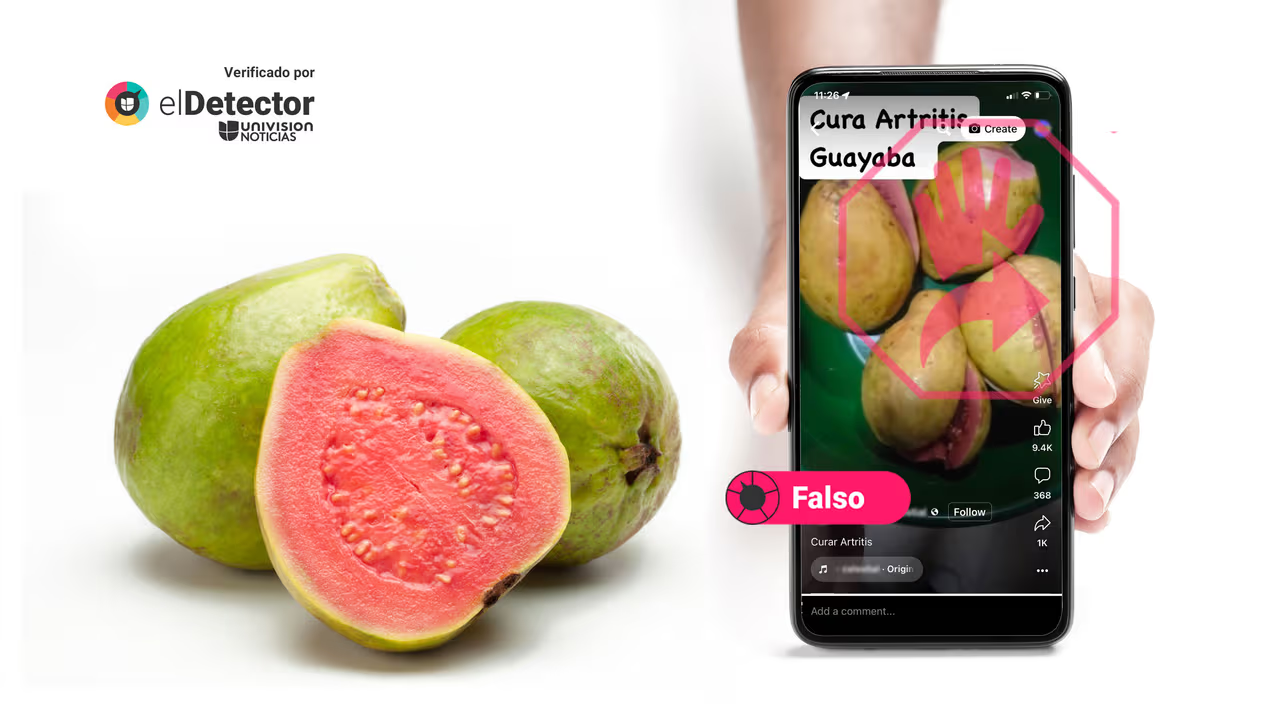
Se puede “curar la artritis con la guayaba”.
Publisher’s rating: Falso
A virus that turns people into zombies has spread in China
Publisher’s rating: False
PCR tests are tagging and biologically changing people
Publisher’s rating: False
a missing tooth should be replaced without a dentist
Publisher’s rating: False
COVID vaccine the cause of surge in heart attack cases
Publisher’s rating: While there have been reports of adverse reactions to COVID-19 vaccines, including heart attacks, it is essential to understand that these cases are rare and occur at a much lower rate than the risk of severe COVID-19.
the results of Hepatitis B vaccination study withheld by CDC
Publisher’s rating: Mostly False
Video shows people running from a zombie virus plague in the US
Publisher’s rating: False
Covid vaccine was released as a depopulation measure
Publisher’s rating: False

consuming Vitamin D supplements poisonous
Publisher’s rating: Mostly False

“AGORAM VIRÃO PELOS ALIMENTOS? Cientistas bombeando mRNA no leite de vaca para ‘forçar a injeção’ nos não vacinados”.
Publisher’s rating: Falso

Bill Gates vai inserir RNA mensageiro na Coca-Cola para modificar DNA das pessoas
Publisher’s rating: Falso

Eating Shrimp or Prawns with Vitamin C can cause sudden death
Publisher’s rating: False
Factcrescendo Sri Lanka investigated a viral social-media story alleging that a person died after eating shrimp or prawns with vitamin C. The review says it examined the circulating posts and searched mainstream media for reports of a woman dying after eating shrimp or crab with vitamin C. It reports finding neither scientific evidence supporting the claim nor such news reports. Those checks address the alleged sudden-death scenario, although the excerpt does not describe a systematic search protocol or provide a list of publications searched. The review distinguishes the death claim from a possible origin for the rumour: it says a 1985 study suggested that large amounts of vitamin C and shrimp might increase cancer risk over time, but did not claim immediate poisoning. It also reports that experts said the combination is not harmful, and that shrimp contains low levels of inorganic arsenic; the review cites a report estimating that roughly 100 kilograms of shrimp would be needed to reach a lethal dose of arsenic trioxide. The excerpt does not provide the underlying study or report in enough detail to independently assess those figures. The review’s conclusion is therefore that the specific claim of sudden death is unsupported, not that every seafood product is free of toxins or that arsenic exposure can never be fatal. It notes that accidental arsenic poisoning can be fatal in severe cases, while saying that the symptoms attributed to the viral image were not described in the cited arsenic information. The evidence presented does not establish a documented death caused by eating shrimp with vitamin C.

ඉස්සන් සමඟ විටමින් C ආහාරයට ගැනීමෙන් හදිසි මරණයක් ඇතිවිය හැකිද?
Publisher’s rating: False