PeakMetrics / Fact Checks
Health & medicine fact checks
Explore claims publishers have checked about health & medicine. Read their original ratings and follow the evidence.
Search fact checks
Search by text or image13,668 published reviews in this topic

Eating grapes after taking medicine leads to death
Publisher’s rating: MISLEADING
The post claimed that eating grapes after taking medicine could lead to death. FACTLY distinguishes between possible interactions and evidence of a fatal outcome: it reports that some medicines may interact with grapes, but says there is no established scientific evidence that eating grapes after medication causes death. The review’s conclusion is based on that distinction, rather than on a claim that grapes can never affect medicines. The review describes possible interactions involving medicines metabolized by the liver or medicines that inhibit blood clotting. It says grapes might alter how quickly the liver processes some medicines, changing their effects or side effects; grape extract might also slow blood clotting, potentially increasing bruising or bleeding when combined with medicines that do the same. These are described as possible minor-to-moderate interactions, not evidence that the claimed fatal outcome occurs. The article also emphasizes that grapes and grapefruit are different fruits. It says grapefruit can affect the absorption or concentration of certain drugs through effects on digestive-system enzymes and intestinal transporters, with potentially serious consequences. That grapefruit-related information does not establish that ordinary grapes taken after medicine cause death. The review advises checking medication labels and consulting a doctor or pharmacist about food interactions.
Dr. Kilimanguru is promoting Fresco Dried Fruits Cereal
Publisher’s rating: Fake

ファウチ氏が「マスクは10%の効果しかない」と発言した
Publisher’s rating: 不正確
Fauci did say that mask effectiveness at the population level was around 10%, but the review says this referred to limited real-world use, including improper wearing. He also said that properly fitted masks are much more effective, so the claim that he said masks have only 10% effectiveness is misleading.

L'ivermectine déclarée traitement officiellement contre le Covid-19 en Australie
Publisher’s rating: Non, ces allégations sont fausses. L'Australie a récemment levé les restrictions de prespecription de l'ivermectine « hors AMM », à savoir hors autorisation de mise sur le marché pour certaines affections. Mais les autorités sanitaires du pays continuent de déconseiller ce médicament dans la prévention et le traitement du Covid-19.
The claim arose from social-media posts portraying Australia’s lifting of ivermectin prescribing restrictions as official approval of the drug for Covid-19. The review distinguishes those two things: the Therapeutic Goods Administration (TGA), Australia’s therapeutic-products regulator, announced on 3 May 2023 that restrictions on prescribing ivermectin off-label would end on 1 June. Off-label prescribing means use outside the conditions for which a medicine is approved; the change broadened which conditions doctors could prescribe it for, rather than making it an endorsed Covid-19 treatment. The review says the regulator’s 3 May notice explicitly continued to advise against ivermectin for Covid-19 prevention and treatment. It also notes that ivermectin is an antiparasitic, and that the restriction introduced in 2021 had limited oral prescribing amid concerns about unsafe use and possible shortages for approved uses. The TGA’s rationale for reversing the restriction concerned the changed public-health circumstances, including lower risks from prescribing in the then-current setting—not new approval for Covid-19. On efficacy, the review reports that the cited Cochrane review found insufficiently strong scientific evidence to establish ivermectin’s effectiveness and safety for Covid-19. It also says the World Health Organization, the US Food and Drug Administration and the European Medicines Agency continued to advise against its use for Covid-19 outside clinical trials. Thus, the regulatory change described in the article concerns off-label prescribing access, not an official declaration that ivermectin treats Covid-19.
People with diabetes should not eat fish without scales
Publisher’s rating: Unproven

உலகப்புகழ்பெற்ற டிசைனர் (Crisda Rodriguez) சமீபத்தில் கேன்சரால் இறந்து போனார். அவர் கடைசியாக எழுதிய வார்த்தைகள்.. மரணத்தை விட உண்மையானது இந்த உலகத்தில் எதுவுமே இல்லை. ! இந்த உலகத்தில் விலை உயர்ந்த பிராண்டட் கார் என்னுடைய கேரேஜில் நிற்கிறது. ஆனால் நான் சக்கரநாற்காலியில் அழைத்து செல்லப் படுகிறேன்.! இந்த உலகத்தில் உள்ள அனைத்து வகையான டிசைன்களிலும் கலர் களிலும் விலை உயர்ந்த ஆடைகள் விலை உயர்ந்த காலணிகள் விலை உயர்ந்த பொருட்கள் அனைத்தும் என் வீட்டில் உள்ளது. ஆனால் நான் மருத்துவமனை வழங்கிய சிறிய கவுனில் இருக்கிறேன்….
Publisher’s rating: False

පිළිකා සම්බන්ධයෙන් අනුගමනය කළ යුතු වෛද්ය ගුප්තාගේ උපදෙස් බවට හුවමාරු වන පෝස්ටුවේ ඇත්ත නැත්ත!
Publisher’s rating: Misleading

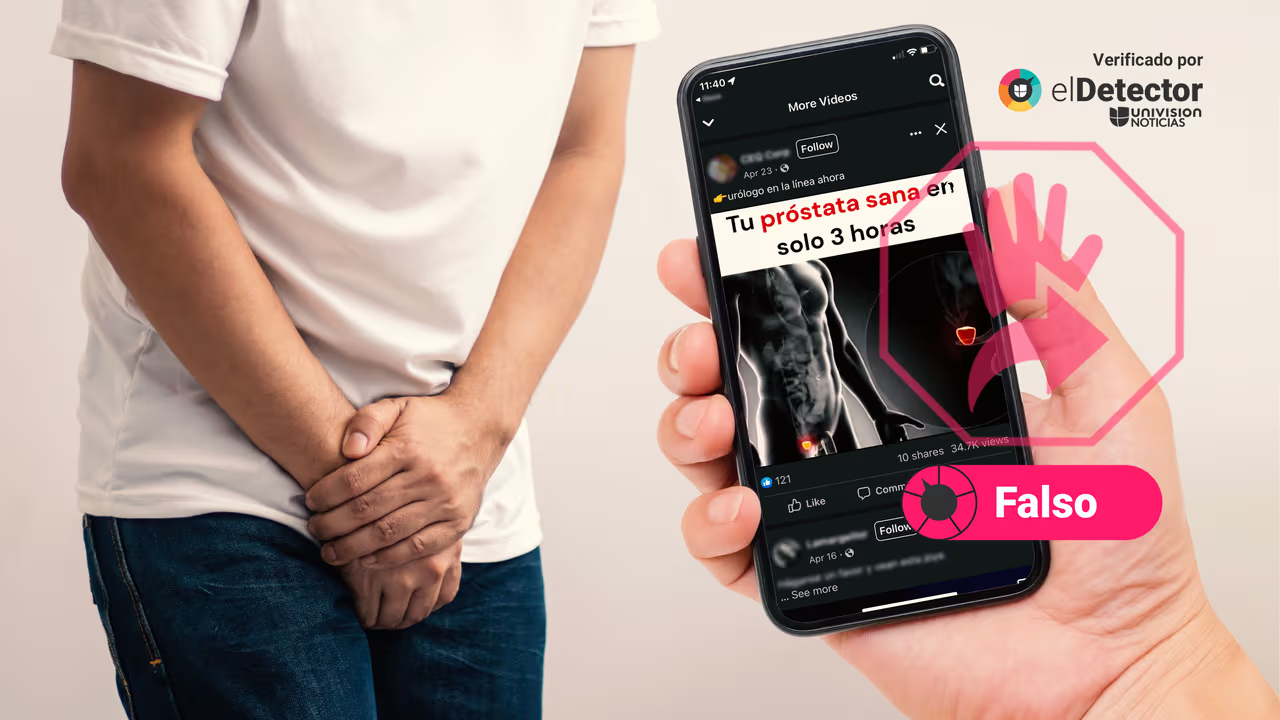
La prostatitis se puede curar "en solo 3 horas" con una “fórmula natural producida por científicos de Oxford”.
Publisher’s rating: Falso


Vídeo em que um homem que se diz “estudioso das vacinas” alega que os imunizantes, em especial aqueles contra o H1N1, teriam “vírus e fungos do câncer”. Ele diz que os imunizantes são usados para controle populacional. Na gravação, ele cita especificamente que vacinas contêm o VRS Virus, o Papiloma Vírus Humano (HPV), o Mumps Virus, o vírus da Herpes e diz que esses são os causadores silenciosos da doença.
Publisher’s rating: Falso
The review examined a video in which a man alleges that vaccines—particularly the vaccine against H1N1—contain “cancer viruses and fungi.” It describes the same recording as claiming that vaccines are being used to kill poor, old and unattractive people slowly. Thus the review addresses the central claim in the post, although the supplied text does not independently confirm every specific virus name attributed to the man in the claim. To assess the alleged cancer connection, the investigation consulted the Butantan Institute, which produces Brazil’s H1N1 vaccine, and the National Cancer Institute (Inca). Butantan said there was no scientific evidence that influenza vaccination is associated with causing cancer. The review also reports that vaccines can help prevent some cancers caused by viruses: it cites HPV vaccination and the hepatitis B vaccine as examples. Inca’s infectious-disease specialist said vaccines are a major means of preventing infectious disease, not causes of disease, and noted that H1N1 vaccination is authorized for people with immunosuppression, including cancer patients. The review separately explains that some vaccines use viruses or viral components to prompt an immune response. It describes inactivated vaccines, in which the virus is rendered unable to infect, and viral-vector vaccines, which deliver specific components of a germ using a safe virus. This distinction addresses a potential misleading inference: the presence of a virus or viral component in some vaccines does not, according to the explanation cited in the review, mean the vaccine can transmit disease. The article’s stated investigation also included consulting WHO material on vaccine types and how they are made to ensure safety.

El fruto del marañón o anacardo aplicado directamente sobre un tatuaje ayuda a “extraer la tinta” y eliminar el tatuaje de forma natural.
Publisher’s rating: Falso
The claim concerns a viral video in which a man says that cutting raw cashew fruit into pieces and applying it directly to a tattoo will extract the ink and remove the tattoo naturally. The review reports that the video had accumulated 1.2 million Facebook views by May 9, 2023. Its conclusion is that the method does not remove tattoos; rather, the oil in the fruit’s shell can harm skin. To assess the claim, the review says it consulted Claudia Arenas, president of the Colombian Association of Dermatology and Dermatological Surgery, by email. Arenas rejected the claim and explained that applying the fruit could cause allergic contact dermatitis, with swelling, inflammation, oozing, itching, and, in severe cases, a burning sensation. The review also notes that the cashew plant belongs to the same family as poison ivy and that its shell contains irritating oil. The review says Arenas described Q-switched laser as a medically supported tattoo-removal method, while noting that multicolored tattoos can be harder to treat and that the technique may have side effects. It also cites Mayo Clinic and FDA information on laser removal, surgical excision, and dermabrasion, and their warnings against do-it-yourself removal treatments. The evidence therefore addresses both parts of the claim: the fruit is not an established natural way to extract tattoo ink, and applying it may instead cause a skin reaction.
தெர்மாகோல் வைத்து சர்க்கரை தயாரிக்கும் ஆலை பிடிபட்டுள்ளது.. எதைதான் நம்பி சாப்பிடுவது..
Publisher’s rating: False

An der Spanischen Grippe sind damals alle Geimpften gestorben.
Publisher’s rating: Die Behauptung, der Grippeepidemie vor gut 100 Jahren hätten nur die Ungeimpften entgehen können, ist verkehrt. In einem Video werden auch andere falsche Behauptungen über den Zusammenhang von «Spanischer Grippe» und Impfungen wiederholt.
The claim is that everyone vaccinated during the Spanish flu died. The review traces it to a Facebook post in Luxembourg and a linked video, which says that only people who rejected vaccination escaped the flu. The post uses a photograph of soldiers in a hospital-like hall at Camp Funston, Kansas; the review identifies it as a US National Archives image of soldiers in quarantine while recovering from the 1918 pandemic. It says the image also appears in the video, a three-minute sequence of English-language text cards.

Ekrem İmamoğlu’nun hastane fotoğrafının güncel olduğu iddiası
Publisher’s rating: Yanlış
আম খাওয়ার পর ঠাণ্ডা পানীয় পান করলে মৃত্যু হতে পারে
Publisher’s rating: মিথ্যা

چشم نیلوفر آقایی نابینا نشده و او در این باره دروغ میگوید.
Publisher’s rating: شاخدار

“ENFERMEIRA PARA LULA: “RECEBA O CARTÃO DE VACINA, SÓ QUE VOCÊ NÃO FOI VACINADO NÃO”. LULA NÃO SE VACINOU?”.
Publisher’s rating: Falso