PeakMetrics / Fact Checks
Health & medicine fact checks
Explore claims publishers have checked about health & medicine. Read their original ratings and follow the evidence.
Search fact checks
Search by text or image13,668 published reviews in this topic

දණහිසෙන් පහළ පොල්තෙල් ආලේප කරගැනීම මගින් ඩෙංගු ආසාදනය වීම වැළකිය නොහැකියි!
Publisher’s rating: False


Porter des lunettes de soleil peut provoquer un cancer de la peau.
Publisher’s rating: Il n'existe aucune preuve selon laquelle porter une paire de lunettes de soleil provoquerait un cancer de la peau. Cette théorie a été démentie par un expert en dermatologie contacté par la dpa. Les rayons UV peuvent être dangereux pour les yeux et il faut s'en protéger, notamment en portant des lunettes de soleil.
The dpa review investigates a Facebook post claiming that sunglasses could lead to skin cancer. The post’s proposed mechanism was that wearing sunglasses disrupts brain glands and the skin’s preparation for sun exposure, while also blocking UV rays and preventing their energy from passing through. The review reports that the claim is not scientifically established and says Thomas Damsin, deputy head of clinic in the dermatology department at Liège University Hospital, told dpa that wearing sunglasses cannot cause skin cancer. The review also addresses the post’s vitamin D argument: Damsin says vitamin D production does not require exposing the eyes to sunlight. It explains that vitamin D can be obtained through food or sun exposure, and that the amount of sun exposure needed varies with skin colour. The review’s account therefore distinguishes the skin’s vitamin D production from the post’s unsupported claim that sunglasses prevent it by shielding the eyes. The article does not suggest that UV exposure is harmless. It says UVA and UVB can harm the eyes and cites the World Health Organization’s recommendation to wear wraparound sunglasses offering 99–100% protection against UVA and UVB. It also describes sunglasses as one of several protective measures against UV-related eye effects. That context runs counter to the post’s portrayal of sunglasses as a cause of skin cancer.
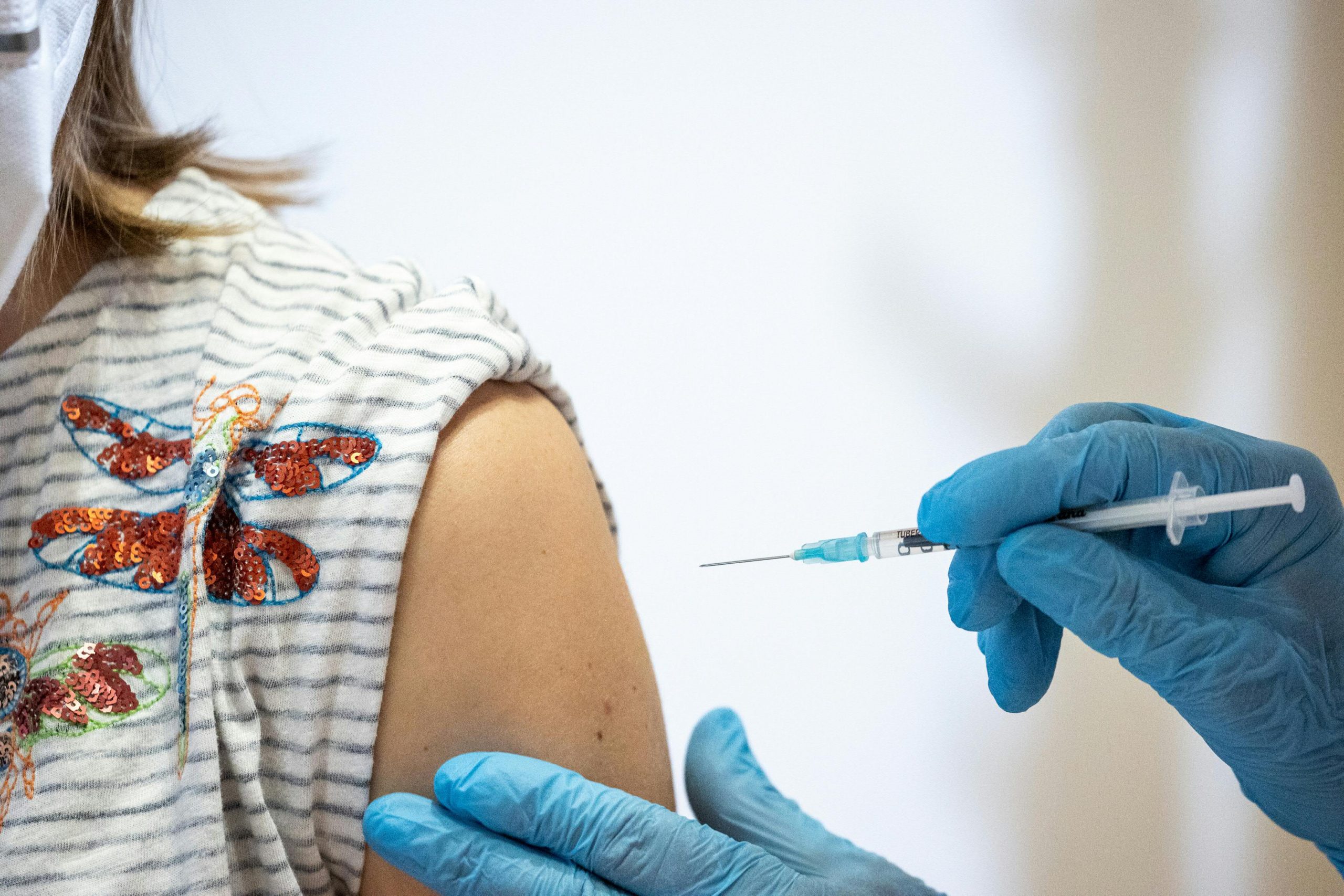
Corona-Impfung ist für Schwangere sowie Stillende und deren Babys nicht sicher
Publisher’s rating: Die Daten lassen diesen Schluss nicht zu. Studien namhafter Fachzeitschriften aus den Jahren 2021 und 2022 identifizierten für Schwangere, die die Corona-Impfung erhalten hatten, keine Sicherheitsbedenken. Die Impfung wird unter anderem von der US-Gesundheitsbehörde CDC und der Österreichischen Gesellschaft für Gynäkologie und Geburtshilfe (OEGGG) empfohlen.
pasteurized milk is harmful for humans
Publisher’s rating: False
Research from related reporting distinguishes the claim that pasteurization makes milk harmful from two different issues: possible health concerns about cow’s milk itself, and foodborne risks from milk that has not been pasteurized. The excerpts do not provide a comprehensive review of every possible health effect, but they do not establish that pasteurized milk is harmful. One article argues that cow’s milk may pose health risks because of naturally occurring components, including hormones, and separately describes lactose intolerance. Its discussion explicitly concerns milk itself, rather than harm caused by pasteurization. Another article says appropriately administered pasteurization kills harmful bacteria without affecting milk’s nutritional value and makes foodborne illness less likely. That evidence supports a safety benefit against pathogens, not a claim that the process makes milk harmful. The excerpts therefore support a narrower conclusion than a sweeping claim about every health effect: they describe specific concerns about milk’s composition and lactose, but do not attribute those concerns to pasteurization. The reporting on raw milk also distinguishes unpasteurized products, which can retain harmful bacteria, from pasteurized milk. These excerpts are not a complete assessment of all health outcomes, so they cannot settle every possible question about milk consumption.
walnuts improve sperm quality
Publisher’s rating: Mostly false
Related reporting discusses walnuts as one part of a fertility-supportive diet, but the supplied excerpts do not show that eating walnuts by itself improves sperm quality. One article names walnuts among omega-3 sources and says omega-3 fats support sperm membranes and are associated with reproductive protection. Another says nuts, including walnuts, help support sperm health. Neither excerpt describes a walnut-specific trial or reports measured sperm outcomes from walnut consumption. The distinction matters: these reports describe nutrient-based reasoning and broader dietary claims, not direct evidence that walnuts cause a measurable improvement in sperm quality. The evidence provided therefore supports a possible role for walnuts within a healthy diet, but does not substantiate the stronger, standalone claim that walnuts improve sperm quality.
excess Vitamin B12 worsens anxiety and depression
Publisher’s rating: False

No hay ninguna evidencia de que la fluoración del agua reduce las caries en absoluto.
Publisher’s rating: Falso

No Parlamento Europeu está sendo realizada audiência pública chamada Conferência Summit covid 19 com os maiores cientistas, analisando as consequências p/ a saúde e anunciando que as vacinas covid19 foram uma farsa e são realmente uma arma biológica
Publisher’s rating: Falso

rolling a tennis ball under the leg relieve pain
Publisher’s rating: Missing context
Related reporting offers limited support for the idea that a tennis ball can be used on a leg muscle for relief, but it does not establish that the technique relieves leg pain generally. One excerpt describes sitting on the floor with a tennis or lacrosse ball under the calf and rolling it over tight spots. It presents this as a way to address calf-muscle knots and sharp pain, while noting that the article is educational rather than professional medical advice. A separate running-stretch article recommends a ball for a different area: sitting on a tennis or lacrosse ball and rolling it around the piriformis in the glute. That is not evidence about rolling a ball under the leg. Taken together, the excerpts describe particular self-massage techniques for specific muscle areas; they do not provide study results, a comparison group, or evidence that the method works for all causes or locations of leg pain.

واکسن HPV خطرناک است و موجب مرگ یا فلجشدن میشود.
Publisher’s rating: نادرست

CLAIM: Chelsea Clinton a déclaré qu'il était temps de vacciner de force tous les enfants qui ne l'ont pas été aux États-Unis.
Publisher’s rating: L’initiative du « Grand rattrapage » est réelle, mais ne prévoit pas de vacciner les enfants de force. Elle vise à rattraper le retard, causé par la pandémie de Covid-19, dans la vaccination des enfants à travers le monde pour d’autres maladies, comme la rougeole et la diphtérie. Quant à Chelsea Clinton, rien ne prouve qu’elle ait tenu de tels propos. Toutes ces affirmations ont été formulées par un blog spécialisé dans la désinformation.
The allegation is that Chelsea Clinton called for all unvaccinated children in the United States to be vaccinated by force, without parental consent, as part of an international campaign. The review traces the claim to an article published by The People’s Voice and says that the article presented the campaign as a plan for compulsory vaccination. It reports that the initiative, announced jointly on April 24, 2023, by the WHO, UNICEF, the Bill & Melinda Gates Foundation and other partners, instead aimed to recover childhood vaccination progress lost during the pandemic for diseases including measles and diphtheria. The review says it checked what the initiative’s announcement described and compared it with Chelsea Clinton’s remarks at a California health conference the day after the announcement. It reports that the WHO announcement did not describe compulsory vaccination or disregard for parental consent, and that an WHO spokesperson told AP there were “no mandatory vaccinations associated” with the initiative. The review also notes that the campaign was not specific to the United States: its announcement focused particularly on 20 countries, which did not include the U.S. The account of Clinton’s remarks supports encouragement to vaccinate children, not the alleged demand to force vaccination. As quoted in the review, she described working with the WHO, the Gates Foundation and others toward a major childhood vaccination effort over the following 18 months, and said people in the United States also needed to vaccinate their children. The review states that her remarks did not call for force, that the alleged quotation could not be found elsewhere, and that a Clinton spokesperson denied it to AP. The evidence presented therefore distinguishes support for increasing vaccination from the specific claim of compulsory vaccination.
