PeakMetrics / Fact Checks
Health & medicine fact checks
Explore claims publishers have checked about health & medicine. Read their original ratings and follow the evidence.
Search fact checks
Search by text or image13,668 published reviews in this topic

Ana Maria Braga anuncia que se curou da catarata com suplemento Sulinex vendido no Facebook
Publisher’s rating: Falso
https://www.thip.media/health-news-fact-check/fact-check-do-covid-vaccines-speed-up-the-aging-process/46901/
Publisher’s rating: False

Photo of a Pregnancy test cassette showing the picture of the father
Publisher’s rating: FALSE
The claim is that a home pregnancy test can display the father’s picture. FACTLY says the image circulating with that claim was altered: the original photograph, published in 2012, showed a positive pregnancy result but no man’s picture on the cassette. The review also notes that similar altered images featuring different people had circulated before. The review describes a reverse-image search that located a similar photograph on Depositphotos. Its description was “Woman taking a pregnancy test showing pregnant result”; comparison with that original image showed that the man’s picture was absent. This image comparison directly addresses whether the shared photograph is authentic, rather than treating it as evidence of a new test technology. FACTLY distinguishes pregnancy tests from prenatal paternity tests. It says home pregnancy kits use antibodies to detect hCG in urine, while a non-invasive prenatal paternity test compares the baby’s DNA profile, determined from free-floating cells in the mother’s blood, with a potential father’s DNA profile. The review says neither type of test displays a father’s picture on a cassette. Its conclusion is that the circulating image was altered and does not show a genuine new pregnancy test.
splashing water in the eyes increase eyesight
Publisher’s rating: Mostly False

*Maculopatia (câncer de olho) e uso móvel no escuro*
Publisher’s rating: Falso

Tamiflu para a nova gripe está contido no chá de erva doce, diz diretor do HC
Publisher’s rating: Falso

URGENTE! Mulher brasileira no exterior ALERTA a família! A Globo não vai mostrar. É um documentário extrangeiro sobre vacinas. Assiste e REPASSA. Sangue sintético depois da vacina. Sangue vira borracha. parecido com silicone
Publisher’s rating: Falso
The review addresses a viral message accompanying a video in which a woman speaking to someone she calls “Léia” warns about Covid-19 vaccination. The message says the woman is abroad, refers to a foreign documentary, and claims that vaccinated people’s blood becomes rubber-like or resembles silicone. The review identifies the film being discussed as *Died Suddenly*, rather than treating the woman’s assertions as evidence of the medical claim. The article says it examined the video’s account and the allegations associated with the film. It describes the video as initially made for social-media platforms including TikTok and Kwai, and says it later circulated widely on WhatsApp. It also notes that the woman invokes a documentary, the Globo network, Bolsonaro, and alleged deaths, but does not provide verifiable evidence connecting those claims to vaccination. The review reports that it found no proof that vaccination altered anyone’s blood. It further says the images presented as evidence do not establish that the blood shown came from vaccinated people who died. In discussing *Died Suddenly*, the article characterizes its accusations as unsupported and says the film omits relevant information, including vaccine effectiveness during the pandemic. Its conclusion is therefore based on the absence of evidence for the claimed blood change and on the lack of substantiation for the video’s specific examples—not on the woman’s warnings as proof.

Er was al een patent voor een marburgvirusvaccin voordat het virus bestond
Publisher’s rating: De eerste uitbraken van het marburgvirus bij mensen waren in 1967, dus ruim voordat het vaccinpatent in de jaren 90 werd aangevraagd. Sinds 1967 duiken er sporadisch besmettingen of korte uitbraken van het marburgvirus op, recentelijk in maart 2023. Mensen kunnen erg ziek worden van het virus en er aan overlijden. Er bestaat nog geen goedgekeurd vaccin tegen het virus, maar verschillende vaccins worden onderzocht.
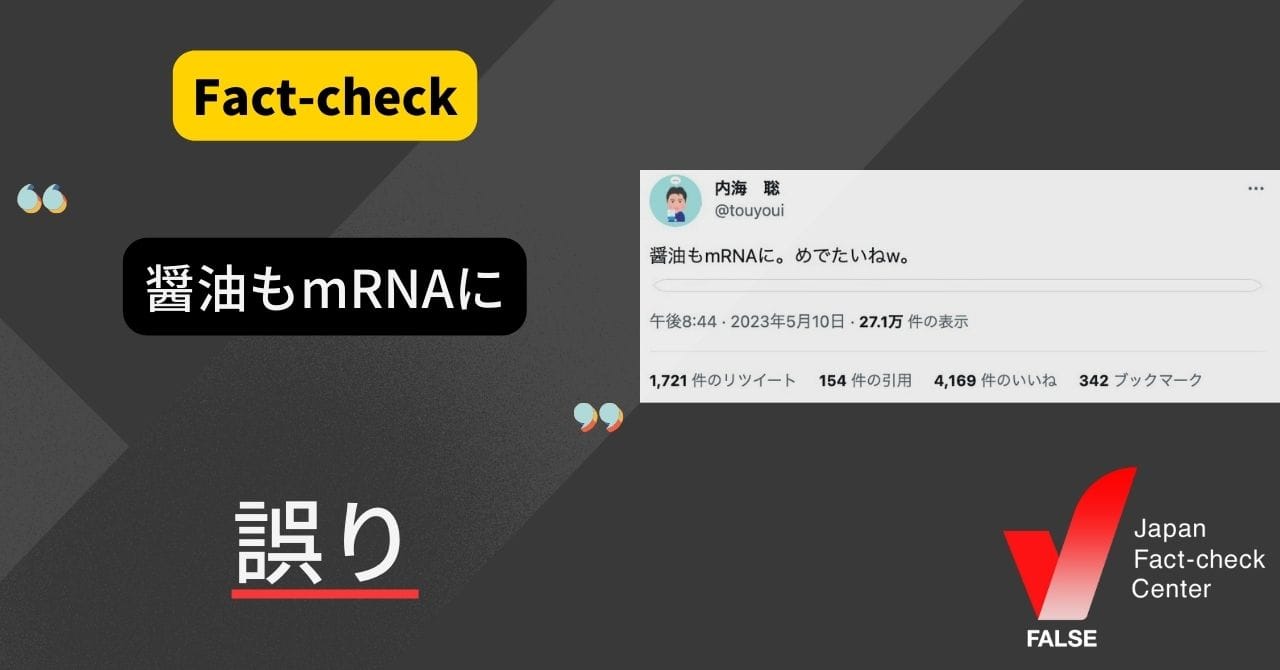
醤油にmRNAが入っている
Publisher’s rating: 誤り
The review says the viral post confused Yamasa’s production of pseudouridine, a component used in mRNA, with the contents of its soy sauce. Yamasa states that pseudouridine is not used in soy sauce or noodle soup base: “シュードウリジンは醤油やつゆには使われておりません。”
Site de Saúde afirma que ontem 243 mil novos de covid 19 foram registrado no Brasil, use mascara
Publisher’s rating: Falso
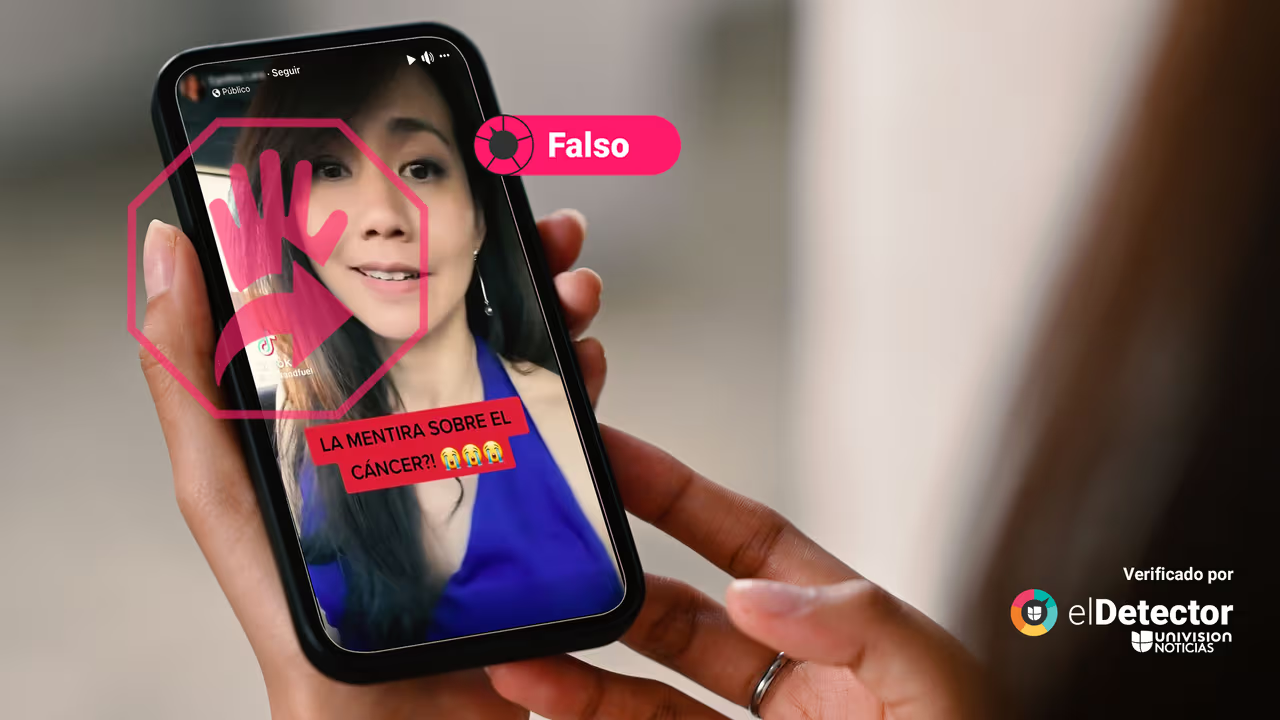
"El cáncer no es genético”.
Publisher’s rating: Falso

The body experiences rapid dehydration during the equinox which happens between May 22-28
Publisher’s rating: MISLEADING
The claim reviewed is that the Sun is directly above the equator between May 22 and 28, causing the body to dehydrate rapidly, and that people should drink more water. FACTLY says equinoxes occur twice a year, typically around March 20 and September 22, when the Sun passes directly above the equator. It reports that the viral post’s dates do not match this usual equinox timing: the 2023 March equinox occurred on March 20, and that year’s September equinox was due on September 23. On the central health claim, the review reports that experts found no scientific evidence of a direct link between equinoxes and rapid dehydration. It therefore rejects the asserted causal effect, while distinguishing that conclusion from the general value of drinking enough water: the article says hydration remains important on any day, particularly during summer. It also notes that the Indian Meteorological Department had issued heat-wave warnings in several locations and that the public was advised to take precautions against extreme heat. That heat-related advice does not establish that an equinox causes dehydration.

North Carolina medical institutions are "transitioning toddlers."
Publisher’s rating: Misleading
“Descoberto ritual noturno que reverte a [diabetes] tipo 2 enquanto dorme”
Publisher’s rating: Falso