PeakMetrics / Fact Checks
Health & medicine fact checks
Explore claims publishers have checked about health & medicine. Read their original ratings and follow the evidence.
Search fact checks
Search by text or image13,668 published reviews in this topic

“Researchers inadvertently reveal mRNA covid vaccines are NOT ASSOCIATED WITH LOWER MORTALITY in reassessment of Random Control Trials (RCTs)."
Publisher’s rating: Misleading
تجهیز بیمارستانهای اندونزی و استفاده از رباتهای جراح ایرانی
Publisher’s rating: گمراهکننده


Totalmente vacinado, totalmente imunizado [contra à Covid-19]
Publisher’s rating: Falso
Украинцы скупили в аптеках весь йод
Publisher’s rating: Никакого дефицита йода в Хмельницком нет, так же как и радиоактивного облака.
В Беларуси живёт 5200 ВИЧ-инфицированных
Publisher’s rating: На самом деле ВИЧ-инфицированных в Беларуси почти в пять раз больше. Такие данные содержатся на сайте Минздрава в публикации от 16 мая 2023 года
"[Brasil] é um país com 53% da população com obesidade"
Publisher’s rating: Falso
Related reporting from 2026 distinguishes obesity from being above a healthy weight: S1 says Vigitel 2024 data showed more than 60% of Brazilians were above weight, while 25.7% were classified as obese. That distinction matters because the claim says 53% of the population had obesity; the higher figure for excess weight is not the same measure as the proportion classified as obese. These later figures do not, by themselves, establish the corresponding proportion in 2023, when the claim was assessed. The supplied evidence contains no original Lupa review or contemporaneous data for the claim’s time context, so it supports the distinction between the two measures but cannot fully verify the historical figure.

El hierro en los cereales es "altamente dañino para nuestro cuerpo".
Publisher’s rating: Falso
The claim concerns a Facebook video in which a woman crushes cereal and uses a magnet to draw out small metallic particles. The video presents this as evidence that cereal contains iron that is “highly harmful.” The review reports that it examined information from the U.S. National Institutes of Health (NIH), the Utah Poison Control Center, and food-science expert Kantha Shelke. Shelke explained that some fortified cereals contain micronized iron particles and that crushing the cereal can allow a magnet to attract them; the visible particles therefore do not, by themselves, show that the cereal is poisonous. The review also notes that similar demonstrations had been documented by Scientific American and BBC Science Focus Magazine. The review puts iron in cereal in its nutritional context: iron is needed to make hemoglobin and myoglobin, while iron deficiency can cause anemia. Shelke said iron added to fortified foods is in very fine particles of electrolytic elemental iron, which remain stable during storage and are digested and absorbed. The review further says that the study excerpt highlighted by the video—on soluble iron in infant cereals—did not identify a harmful effect from fortification, according to Shelke and the review’s own examination of that excerpt. The review does not claim that iron is harmless at any amount. It reports that chronic consumption of high amounts can be harmful and gives poisoning-dose figures from Utah Poison Control: mild poisoning symptoms occur at 20–60 milligrams per kilogram of body weight, with greater doses posing severe risks. It compares a cited toxic level of about 1,365 mg for a 68-kilogram person with cereal containing 18 mg per serving, estimating that 76–114 cups would be needed to reach that level. The review says documented poisoning cases generally involved accidental excessive consumption of iron supplements or ferrous salts, rather than ordinary cereal consumption.

Gisteren werd een meisje door een mug gestoken, die haar dood tot gevolg kon hebben.
Publisher’s rating: De foto dateert al van 2017. In de originele post is geen sprake van levensgevaar. Experts gaan ervan uit dat de foto een ernstige bacteriële infectie toont die na een insectenbeet kan voorkomen.
The claim presents a photo of a girl’s swollen knee as showing a mosquito bite from the previous day that nearly killed her. The investigation traced the circulating image to a U.S. Facebook post from 2017, rather than to a recent incident. It also found that the original post did not say the girl was in immediate danger of dying: the mother wrote that, had they waited longer, the infection “would have been in her blood.” The post’s comments indicated that the girl was doing well after ten days of antibiotics. To check the image’s history, the investigators used a reverse image search and found a 2017 article that cited the Facebook post as the story’s source. The review reports that the Dutch wording was translated from a French version, while the story itself originated in the United States. This provenance and the difference between the original account and later versions undermine the impression that the post documented a girl bitten “yesterday” who barely escaped death. The medical assessment in the review also does not support the claim of a new or unusual mosquito bite. Experts contacted by dpa considered the swelling more consistent with a bacterial infection following an insect bite. They described this as a possible complication of an ordinary bite, not evidence of a new mosquito species or bite.
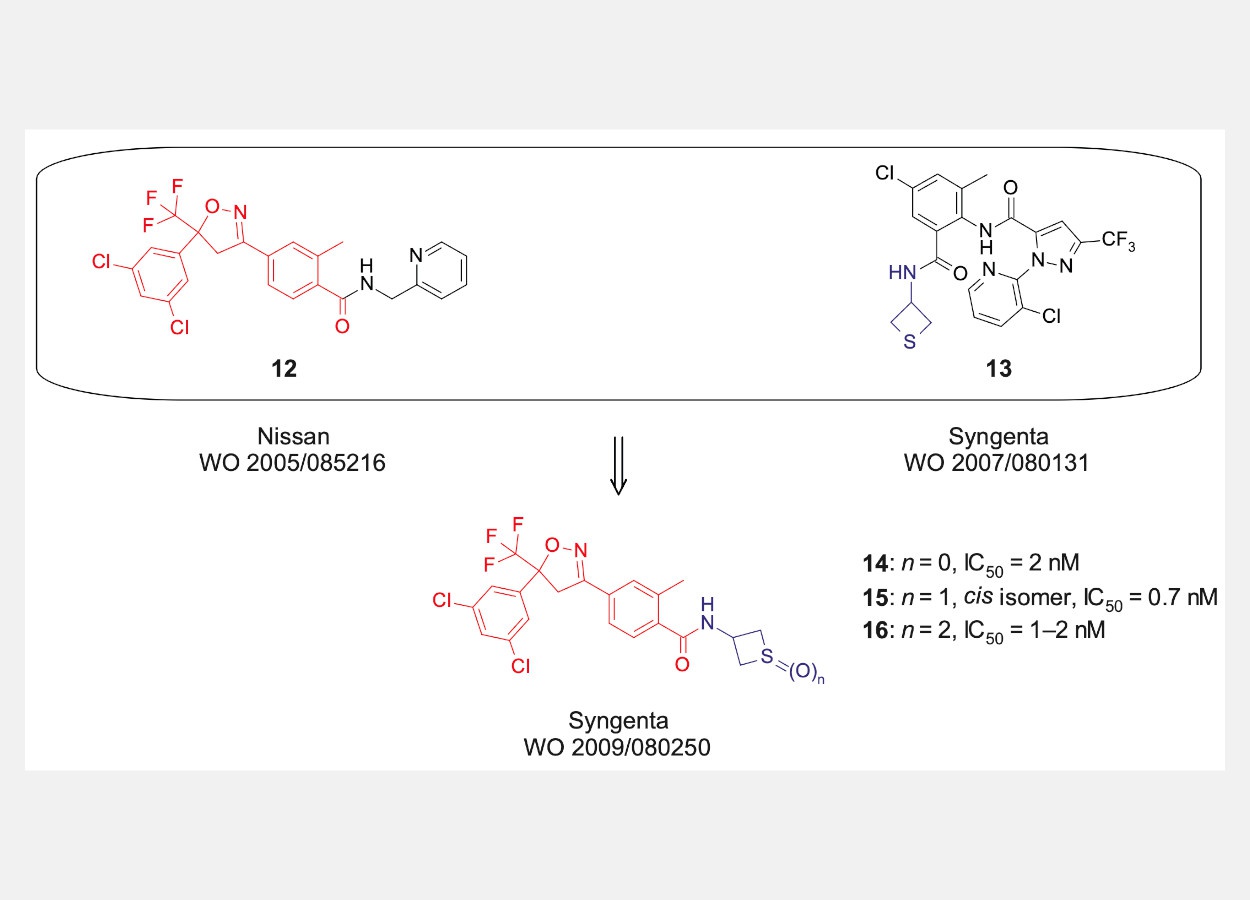
Plinazolin (isocycloseram) history
Publisher’s rating: Text about the history of Plinazolin (isocycloseram)

తేలు కుట్టిన చోట ఉల్లిపాయని కోసి రుద్దుతూ ఉంటే ఐదు నిమిషాల్లో విషయం విరిగిపోతుంది
Publisher’s rating: MISLEADING

ATENÇÃO AMIGOS:NOSSOS ALIMENTOS ESTÃO SENDO MAGNETIZADOS COM GRAFENO!
Publisher’s rating: Falso
The review investigates a viral audio warning that foods were being magnetized with graphene and names products including Qualy margarine, Vigor yogurt, Frimesa sausage and Lisa oil in Brazil, as well as Heineken, Coca-Cola, Red Label and Del Valle internationally. The audio alleges that the products would be used to infect people through food and frames this as a population-reduction plan. The review identifies the audio’s circulation on social networks, particularly Facebook and WhatsApp, and says it found no evidence for the allegations. [S1: “Por meio de um áudio com a legenda ‘ATENÇÃO AMIGOS:NOSSOS ALIMENTOS ESTÃO SENDO MAGNETIZADOS COM GRAFENO!’, está viralizando a acusação que aponta que o grafeno estaria magnetizando uma série de marcas de alimentos afim de os infectar.”; “O áudio se espalhou em algumas redes sociais, como Facebook, e, principalmente, pelo WhatsApp.”] To assess the claim, the review says it looked for evidence that the named products contained graphene or were magnetized. It reports finding no study, complaint or other evidence indicating graphene had been put into those foods, and notes that the audio offered no source for the information, explanation of how the alleged magnetization occurred, or proof supporting the accusation. The review therefore concludes that the audio does not substantiate its claims about products being sold in Brazil or elsewhere. [S1: “O sujeito não dá qualquer referência de onde surgiu a informação, como se deu esta ‘magnetização’ e nem nada que assegure a tal acusação.”; “Juro que tentamos encontrar qualquer evidência de que os produtos em questão estariam magnetizados e com grafeno. Nada encontramos. Não há qualquer estudo, denúncia ou motivo que apontem para a inserção de grafeno em alguns alimentos.”; “Não há qualquer alimento com grafeno ou mesmo magnetizado sendo colocado no mercado do Brasil ou no mundo.”]
Totalmente vacinado, totalmente imunizado [contra à Covid-19]
Publisher’s rating: Falso

Figures given by IMA about pesticide percentage in various cool drinks
Publisher’s rating: FALSE
The claim concerns a social-media graphic listing pesticide percentages in popular cold drinks sold in India and attributing those figures to the Indian Medical Association (IMA). The review says it found no credible evidence that the IMA issued such figures or conducted the study the posts imply. It also reports that an earlier response from the IMA said it had not conducted such a study. The review distinguishes that unsupported attribution from documented testing by the Center for Science and Environment (CSE). It says CSE studied pesticide residues in soft drinks in 2003 and reported an average total pesticide residue of about 0.0168 mg/L in the tested samples. Those findings concern residue measurements, not an IMA-issued list of percentage figures. The review also checked the Joint Parliamentary Committee report on the CSE study, submitted in 2004, and says it does not contain the numbers in the social-media post. Its conclusion is therefore about the attribution and figures: the cited review found no credible evidence of an IMA study or official list supporting them.