PeakMetrics / Fact Checks
Health & medicine fact checks
Explore claims publishers have checked about health & medicine. Read their original ratings and follow the evidence.
Search fact checks
Search by text or image13,667 published reviews in this topic

Alle Menschen mit HIV seien infektiös, denken immer noch Einige. "Die meisten Menschen glauben immer noch, dass HIV immer übertragbar ist - also wenn ein Mensch das hat, dass es dann auch übertragbar ist", sagt auch Holger Wicht von der Deutschen Aidshilfe.
Publisher’s rating: false

දෙළුම් පළතුර මගින් සකසාගත් පිළිකා ප්රතිකාරකයක් බවට හඟවමින් හුවමාරු වූ සටහන් පිළිබඳ කරුණු පැහැදිලි කිරීමක්!
Publisher’s rating: Explainer

Bei einer WEF-Podiumsdiskussion erklärte die Präsidentin des EU-Forschungsrates, dass die Regierungen aufhören sollten, die Öffentlichkeit zu überzeugen, sich impfen zu lassen, und stattdessen das Militär und das “religiöse Establishment” einschalten sollten.
Publisher’s rating: Die Behauptungen sind falsch. Die Professorin hat das nicht gesagt.
The claim concerns comments by Maria Leptin, president of the European Research Council, at a World Economic Forum panel on the pandemic on January 18, 2023. It alleges she urged governments to stop explaining science and persuading the public to get vaccinated, and instead use the military and religious institutions to achieve vaccination. The review says the allegation is false and compares it with the panel discussion, which it says remained available in video on the WEF website and YouTube. In the review’s account, Leptin described Bhutan and Portugal as examples of countries that achieved high vaccination coverage without making public understanding of science the basis of their campaigns. In Bhutan, she said, the “religious establishment” was involved in finding an appropriate time and date. The review explains that this referred to a campaign in which astrologers helped select the start time and date, as well as the ages and sexes of the first people vaccinated. For Portugal, Leptin described a retired general framing the campaign as a war fought together in patriotic spirit. These were descriptions of approaches in those countries, not a recommendation to deploy the military or religious groups elsewhere. The review also reports that Leptin spoke about restoring trust in science and explaining that uncertainty is part of scientific work. It says she did not call for coercion or for governments to stop explaining the science behind vaccination. The allegation therefore recasts examples she discussed as instructions to governments, a conclusion the review says the panel provides no support for.

Epsom salt is highly toxic.
Publisher’s rating: FALSE
NewsMeter’s review examines a social-media post that calls Epsom salt “highly toxic” and says both consuming it and using it in a bath are harmful. The post also alleges that Epsom salt releases sulfuric acid in bathwater and describes tremors after Epsom salt baths. The review reports that NewsMeter checked the claim and distinguishes between oral use and bathing rather than treating all exposure as equivalent. For oral use, the review cites Healthline as saying Epsom salt may be used as a supplement, while noting that the evidence for many reported benefits is limited. It also warns that taking it in its original form or overdosing can have serious repercussions. Medical News Today is cited for groups who should not consume it, including people with kidney or heart disease, pregnant women, and children. The review further notes that the FDA has not approved Epsom salt and provides no official dosage or consumption guidelines. The review cites a study describing magnesium sulfate as Epsom salt’s active compound and warning of potential serious toxic effects, including cardiac arrest, when serum concentrations exceed therapeutic values. These qualifications support a distinction between possible harm from oral intake—especially overdose—and the post’s broader assertion that Epsom salt is inherently poisonous. For bathing, the review says it is safe for people without sensitive skin and recommends a patch test. The excerpt does not provide study details or dosage measurements, so it does not establish a specific safe oral dose.

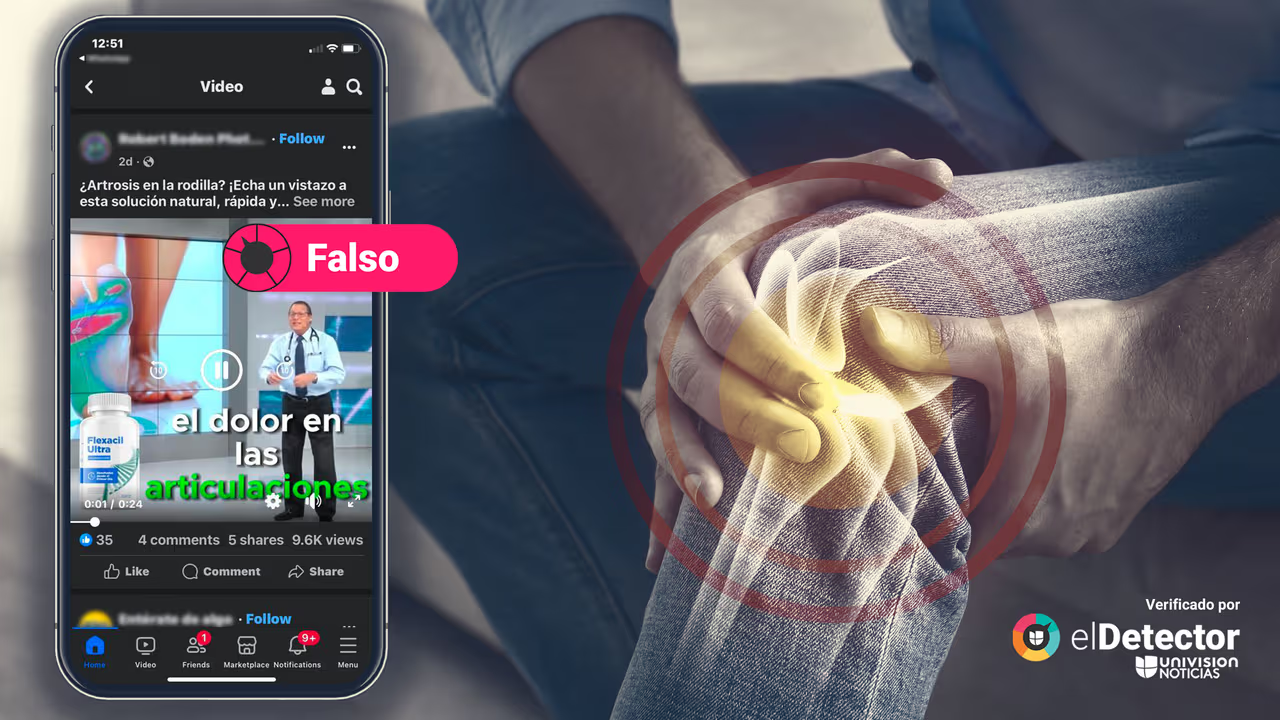
El doctor Tomás Borda promociona este producto para la artrosis como muestra el video.
Publisher’s rating: Falso
[...] Reino Unido hoje faz uma indenização pra quem é vítima de vacina [da Covid]
Publisher’s rating: Rating unavailable
ਅਖਰੋਟ ਸ਼ੁਕਰਾਣੂ ਦੀ ਗੁਣਵੱਤਾ ਵਿੱਚ ਸੁਧਾਰ ਕਰ ਸਕਦਾ ਹੈ
Publisher’s rating: Partly false
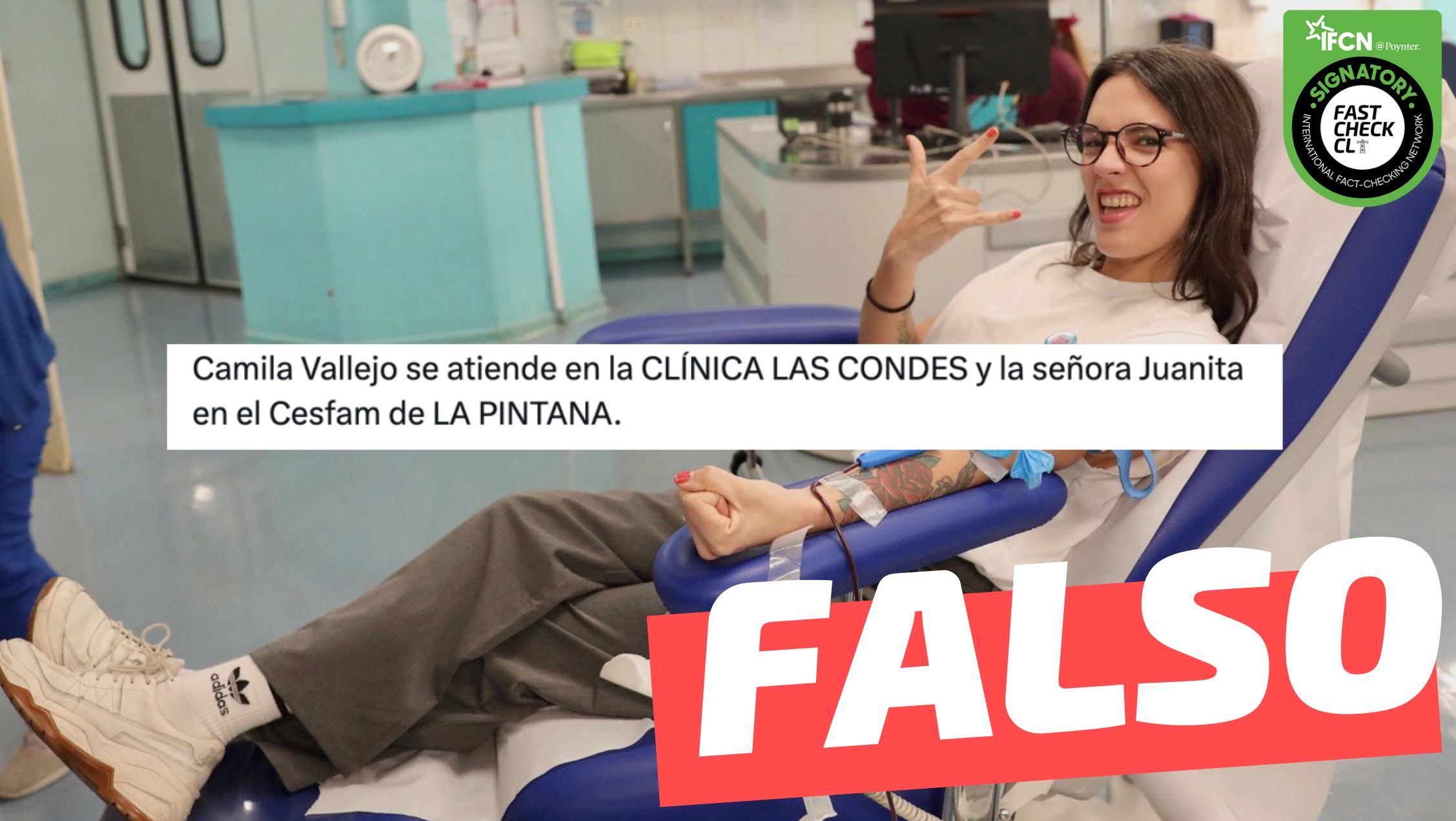
Esta imagen muestra a Camila Vallejo siendo atendida en la Clínica Las Condes.
Publisher’s rating: Falso
ફેક્ટ ચેક: શું ડુંગળીમાં કોલેસ્ટ્રોલ ઘટાડવાની ક્ષમતા હોય છે?
Publisher’s rating: Mostly False
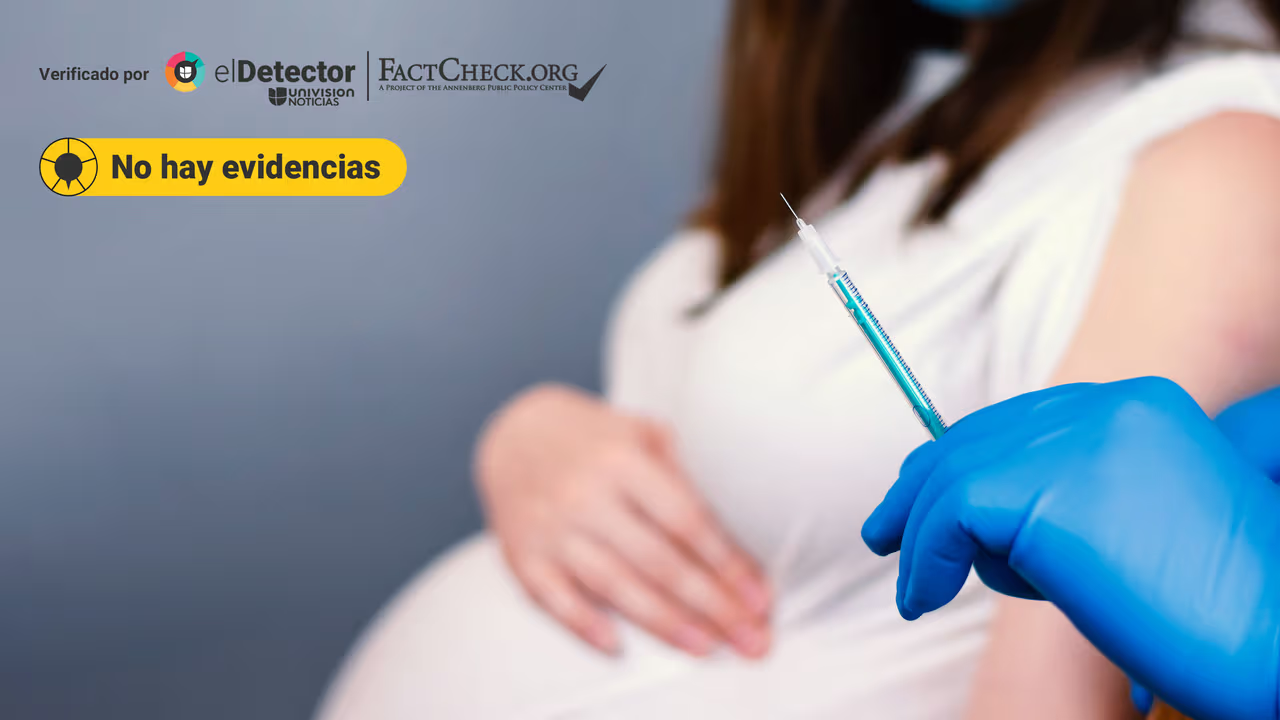
Las vacunas contra el covid-19 causaron el aumento de muertes de bebés en EEUU
Publisher’s rating: No hay evidencias

Visiorax capsule will restore vision at any age without the need for surgery
Publisher’s rating: FALSE
ફેક્ટ ચેક : શું હળદર અને આદુ વજન ઘટાડવામાં મદદ કરે છે?
Publisher’s rating: Mostly False
В Беларуси бесплатно ставят зубные импланты
Publisher’s rating: Искажение информации. Имплантация (вживление в десну искусственного аналога корня зуба) производится только на платной основе.