PeakMetrics / Fact Checks
Health & medicine fact checks
Explore claims publishers have checked about health & medicine. Read their original ratings and follow the evidence.
Search fact checks
Search by text or image13,667 published reviews in this topic

රසායනික වල් නාශක ඩ්රෝන මගින් ඉසීමෙන්, වකුගඩු රෝග 90%කින් අඩුවන බවට වෛද්ය නලින්ද ජයතිස්ස ප්රකාශ කර නොමැත!
Publisher’s rating: False
The claim concerns a statement attributed to Dr. Nalinda Jayatissa: that spraying chemical herbicides with drones would reduce kidney disease by 90%. Fact Crescendo says it investigated the attribution after social-media posts circulated presenting the statement as his. The review reports that it found no evidence he had made that statement. To check the attribution, the publisher says it looked for coverage in mainstream media, checked Jayatissa’s official Facebook page, and reviewed programs he had recently attended. It reports finding no evidence of the statement in those places. The review then says it contacted Jayatissa, who denied ever making the claim. These checks address whether the specific statement was made by him; they do not establish whether drone spraying affects kidney disease. The review also offers a possible explanation for the posts’ origin: it says farmers in the Kaudulla reservoir area of Medirigiriya had begun using drones to spray chemicals on crops, and that the new board of the Medirigiriya cooperative society included National People’s Power representatives. It presents this as a possible reason the false attribution arose, not as proof of who created or circulated it.
Ela diz ainda que não temos registros adequados dos efeitos secundários das complicações da vacina
Publisher’s rating: Falso

Nach der Notfallzulassung des Covid-Impfstoffs für Kinder durch die EMA steigt die Zahl der Todesfälle bei Kindern in Europa weiter in die Tausende.
Publisher’s rating: Die Behauptung ist falsch. Sie beruht auf einer falschen Interpretation der Statistik, vor der die Autoren der Statistik ausdrücklich warnen.
The claim concerns figures attributed to Euromomo, the EU network monitoring mortality. A Swiss website, uncutnews.ch, said that excess child deaths rose after the EMA authorized Covid vaccines, citing 685 more deaths than expected by the end of 2021, 1,385 in 2022, and 753 through week 45 of 2023. The dpa review explains that these were cumulative differences between reported deaths and an estimated baseline—not a direct count establishing that vaccination caused those deaths. [S1: “Bis Ende 2021 seien 685 Kinder mehr als erwartet gestorben. Auch 2022 seien 1385 Kinder mehr als erwartet gestorben. Und auch bis zur 45. Woche des Jahres 2023 habe sich dieser Trend mit 753 überzähligen Todesfällen von Kindern fortgesetzt.”] The decisive qualification is how the baseline was calculated. Euromomo normally estimated expected deaths separately for each week using deaths recorded in the preceding five years. Because pandemic mortality was elevated and varied, it excluded data from 2020–2022 when calculating the expected baseline. The review says current death data were used again only from spring 2023, so the baseline did not reflect the actual developments of the preceding five years. [S1: “Wegen der erhöhten und unterschiedlichen Sterblichkeit während der COVID-Pandemie hat Euromomo jedoch die Daten der drei Pandemiejahre 2020 bis 2022 aus der Berechnung der erwarteten Sterblichkeit herausgenommen.”] Euromomo’s May 2023 report specifically warned that this method increasingly distorted results for children aged 0–14, particularly when weekly figures were added together. The review illustrates the effect: the same number of reported deaths could appear as excess mortality in a later week because the estimated baseline was falling. Euromomo cautioned that cumulative results could not then be considered reliable, and said it had not observed more deaths among children aged 0–14 during the pandemic than before it, despite what the website’s cumulative figures might suggest. The figures therefore do not support the claim’s implication that the vaccine caused the reported totals. [S1: “Daher warnt Euromomo, die kumulierten Ergebnisse hinsichtlich der berechneten Übersterblichkeit könnten «zum jetzigen Zeitpunkt nicht als zuverlässig angesehen werden und müssen mit großer Vorsicht interpretiert werden».”]

hMPV เป็นไวรัสชนิดใหม่ที่กำลังระบาด
Publisher’s rating: Misleading

Het Artsen Collectief vindt dat het doorgaan met mRNA-coronavaccinaties onverantwoord is vanwege dit soort onbedoelde en onverwachte processen, zeker als de gezondheid van baby’s in het geding is, vanwege onbekendheid met langere termijneffecten, de bekende ernstige bijwerkingen, de lage effectiviteit en de onverklaarde oversterfte.
Publisher’s rating: Onwaar

"The beaches were not closed" in Florida during the COVID-19 pandemic.
Publisher’s rating: False
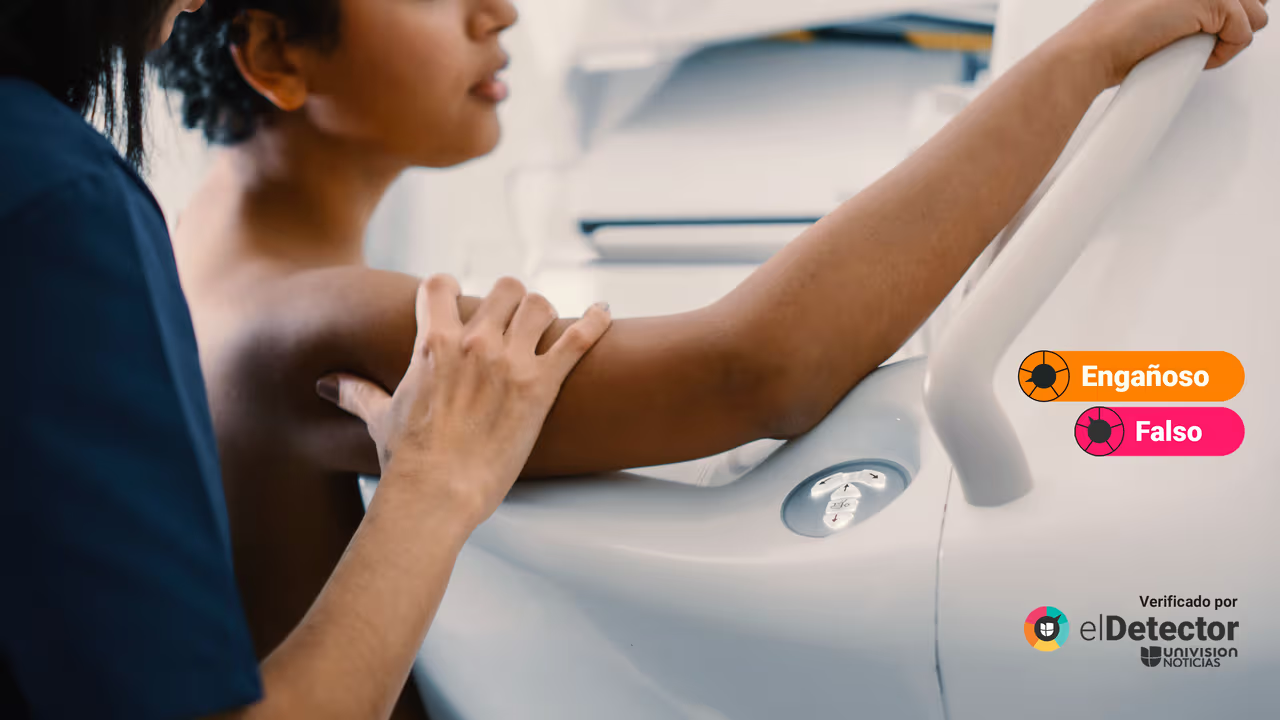
Las mamografías fueron prohibidas en Suiza
Publisher’s rating: Falso
50-60% de los resultados 'positivos' de las mamogafías son falsos.
Publisher’s rating: Engañoso
Iceland halted their use of the Moderna vaccine in 2023.
Publisher’s rating: Misleading

Noch immer ist die Ansicht verbreitet, dass man einer Person eine HIV-Infektion ansehen kann. Damit verbunden ist zum Beispiel die Vorstellung, eine infizierte Person sei abgemagert. In sozialen Netzwerken teilen sehr dünne Menschen die Erfahrung wegen ihres Körperbaus gefragt zu werden, ob sie HIV-positiv seien. Und HIV-Positive berichten davon, dass sie wiederholt zu hören bekommen, sie sähen gar nicht so aus, als hätten sie HIV.
Publisher’s rating: false
Der Glaube, sich leicht im Alltag anstecken zu können, ist noch sehr verbreitet. Das zeigt sich beispielsweise in Studien. In verschiedenen Ländern wurden Teilnehmende gefragt: "Würden Sie frisches Gemüse von einem Ladenbesitzer kaufen, wenn sie wüssten, diese Person hat HIV?" In Indonesien beispielsweise antworteten im Jahr 2017 (zuletzt verfügbare Daten) 62,6 Prozent der befragten 15- bis 49-Jährigen mit Nein. Asep Eka Nur Hidayat, Leiter des Länderprogramms für Indonesien von der internationalen Nichtregierungsorganisation AIDS Healthcare Foundation (AHF), schreibt der DW: Das Bewusstsein für HIV/Aids steige zwar. Aber "ein Teil der indonesischen Bevölkerung ist immer noch nicht darüber informiert, wie HIV übertragen wird" und glaube: Man kann sich leicht mit HIV infizieren.
Publisher’s rating: falsch
The claim links widespread fear of catching HIV through ordinary contact to survey responses, including the finding that 62.6 percent of surveyed Indonesians aged 15–49 in 2017 said they would not buy fresh vegetables from a seller known to have HIV. It also quotes Asep Eka Nur Hidayat saying some people in Indonesia remain uninformed about how HIV is transmitted. The DW review includes these details, but assesses the broader assertion that HIV can be caught easily in everyday life—not whether the survey figure is accurate or whether the quoted remarks were made. [S1: “In Indonesien beispielsweise antworteten im Jahr 2017 (zuletzt verfügbare Daten) 62,6 Prozent der befragten 15- bis 49-Jährigen mit Nein.”; “ein Teil der indonesischen Bevölkerung ist immer noch nicht darüber informiert, wie HIV übertragen wird”] To assess transmission, the review cites Adrian Puren, director of South Africa’s National Institute for Communicable Diseases, who identifies sexual transmission as the main route, alongside exposure to infected blood and transmission from mother to child. It also cites the US CDC on which bodily fluids can transmit HIV and WHO guidance that everyday contacts do not. On that evidence, the review rejects the idea that ordinary social contact—such as sharing food or water—spreads HIV. The survey response may indicate stigma or reluctance to buy from a person with HIV, but by itself it does not establish that HIV spreads through everyday contact. [S1: “Der hauptsächliche Weg, sich anzustecken, ist die sexuelle Übertragung, in anderen Worten: enger sexueller Kontakt” ; “Der dritte relevante Weg ist laut Puren die Ansteckung von Mutter zu Kind.”; “Die Weltgesundheitsorganisation betont, man könne sich nicht anstecken durch alltägliche Kontakte: Etwa Händeschütteln, Umarmungen, Küsse oder wenn man sich Gegenstände, Essen oder Wasser teilt.”]
[...] Reino Unido hoje faz uma indenização pra quem é vítima de vacina [da Covid]
Publisher’s rating: Rating unavailable

Videos of journalists promoting medicines for diabetes
Publisher’s rating: FALSE