PeakMetrics / Fact Checks
Elections & voting fact checks
Explore claims publishers have checked about elections & voting. Read their original ratings and follow the evidence.
Search fact checks
Search by text or image5,415 published reviews in this topic

NSW Liberal senator Jim Molan’s how to vote card includes claims about his role in the Iraq war and stopping refugee boats.
Publisher’s rating: Mostly False - Mostly false with one minor element of truth.
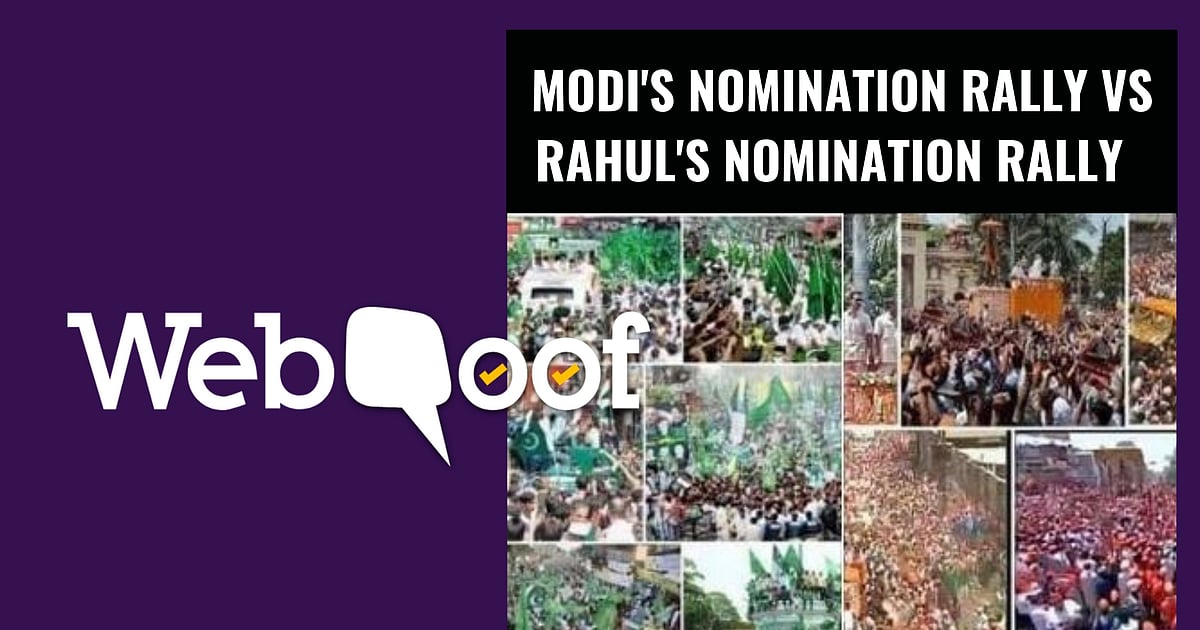
Vijayvargiya’s post Comparing Modi & Rahul’s Nomination Audience
Publisher’s rating: FALSE
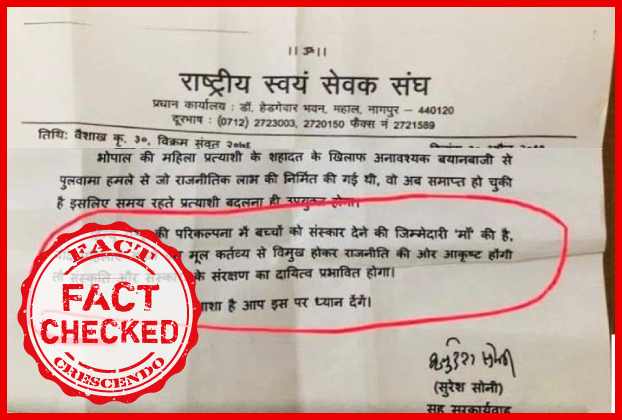
RSS leader Suresh Soni wrote a letter to BJP president Amit Shah objecting women candidature in Loksabha election
Publisher’s rating: Fact Crescendo Rating - FALSE
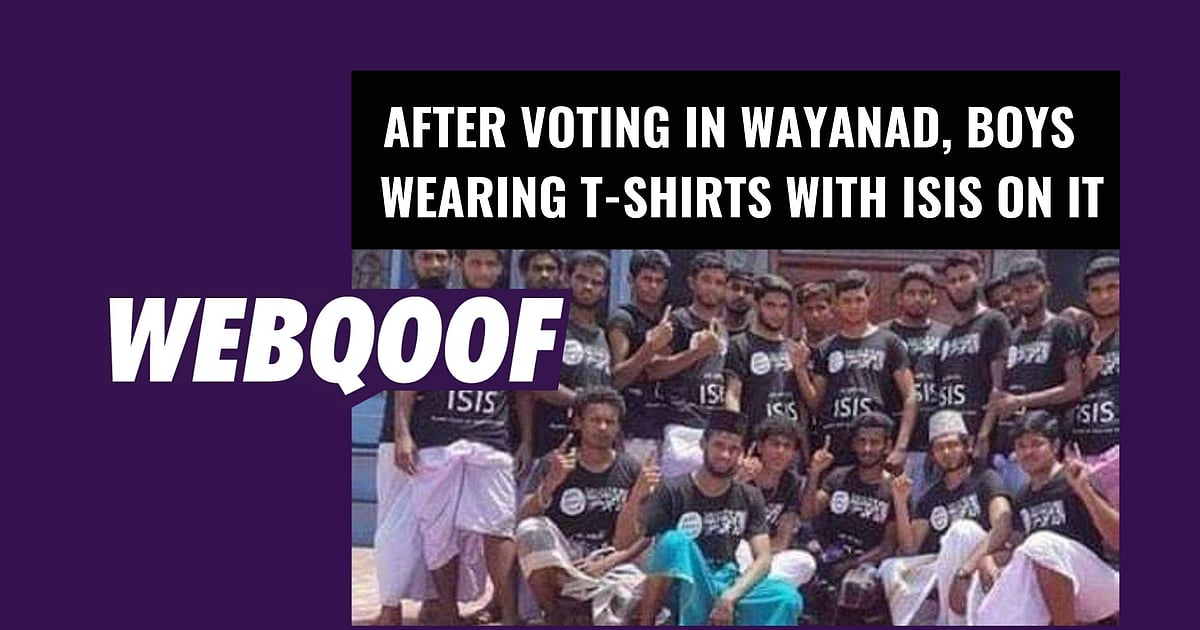
This image shows a crows wearing t-shirts of ISIS after Lok Sabha polling in Wayanad, Kerala.
Publisher’s rating: FALSE
Claim reality of the image of the crowd at the bjp kolkata rally
Publisher’s rating: Fact Crescendo Rating FALSE

Claim is bjp candidate from WB campaiging in hanuman attire
Publisher’s rating: Fact Crescendo Rating FALSE

La lista de candidatos por Salt (Girona) de Podemos
Publisher’s rating: Falso
The claim concerns a circulated image of a candidate list for Salt, Girona, presented as Podemos’s slate for the municipal elections on 26 May 2019. Newtral reports that the image showed candidates for UNIDOS-SI, not Podemos. It distinguishes the authenticity of the document image from the attribution attached to it: the image was genuine, but it was being shared with messages claiming the names belonged to Podemos. The decisive evidence was the Girona Provincial Official Gazette’s published candidate lists. Newtral says the list shown in the image appears on page 149 under UNIDOS-SI, identified as candidacy number 6. The following page contains Podemos’s own candidate list, identified as candidacy number 9. Newtral also reports asking Podemos Girona about any connection between the two parties; Podemos Girona denied a link. Together, the document’s party labels and the party’s response address the specific attribution at issue.
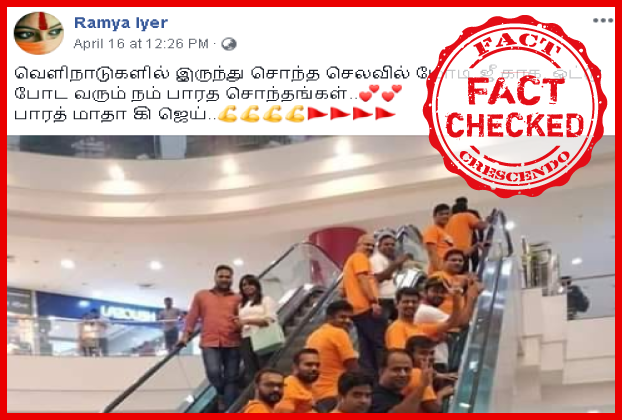
Claim: NRI people returning India to vote BJP
Publisher’s rating: Fact Crescendo Rating: False



ఎన్నికల కమిషన్ జనసేన పార్టీ గుర్తు ను ‘బ్లేడ్’ కి మార్చింది.
Publisher’s rating: FALSE
La encuesta publicada en Andorra que da 82 diputados a VOX
Publisher’s rating: Falso
Suresh Gopi could not vote for Kumanam Rajashekharan because he was not provided Helicopter
Publisher’s rating: Fact Crescendo Rating: True
Sekretaris Jenderal PBB Pedro Coelho mengucapkan selamat kepada Prabowo Subianto karena menang Pilpres 2019.
Publisher’s rating: Keliru

Congress is contesting only 230 out of the 543 Lok Sabha seats. Hence it is not contesting to form the government.
Publisher’s rating: FALSE
The claim combined two assertions: that Congress was contesting just 230 of the 543 Lok Sabha seats, and that this meant it was not contesting to form the government. FACTLY’s review says it checked the party’s official website and its list of candidates for the 2019 Lok Sabha elections. The review reports that the list showed candidates announced for 424 seats at the time of its check. That count contradicts the claim’s figure of 230: the review found Congress had announced candidates for substantially more constituencies. It therefore concluded that the claim about Congress contesting only 230 seats was false. The evidence described in the review concerns announced candidates; it does not independently establish Congress’s intentions about forming a government, so that broader inference should not be treated as a separately verified fact. The review’s conclusion rests on the candidate list as it stood when checked. It reports a tally of 424 seats “so far,” rather than establishing a final count of all seats Congress would contest. Its evidence directly addresses the numerical premise of the viral claim, while the stated conclusion is about that claim as presented.

రాహుల్ గాంధీ నామినేషన్ పత్రాలను దాఖలు చేసినప్పుడు ఎన్నికల అధికారులను అగౌరవపరిచారు
Publisher’s rating: MISLEADING