PeakMetrics / Fact Checks
Elections & voting fact checks
Explore claims publishers have checked about elections & voting. Read their original ratings and follow the evidence.
Search fact checks
Search by text or image5,415 published reviews in this topic
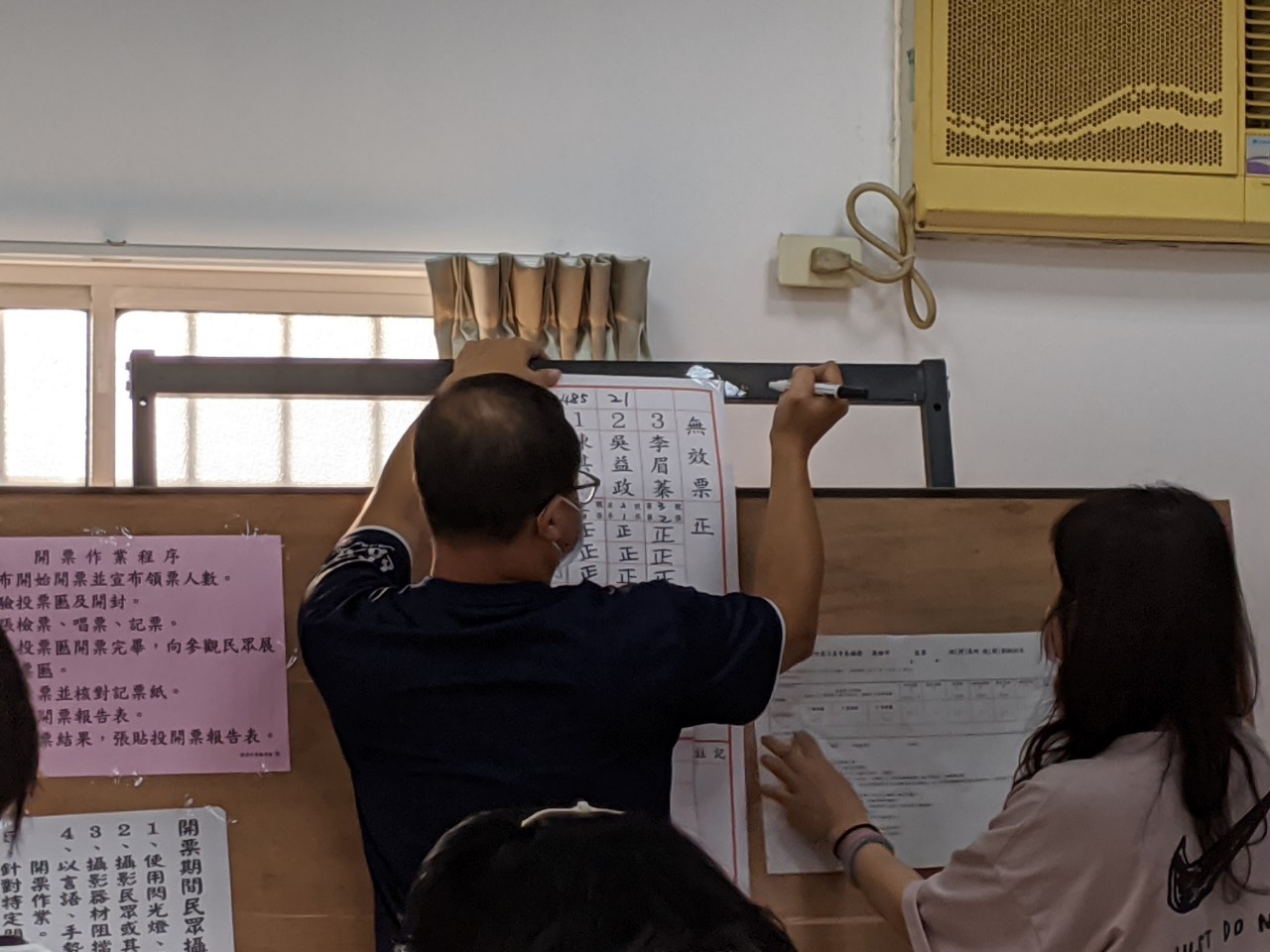
網傳「這次投票完畢後,各投票所不清點已領票數」,經查:傳言提及「這次投票完畢後,各投票所不清點已領票數」為2018年的過時資訊,監察院於2019年提出糾正案。中選會已於2019年12月19日決議,2020年1月11日選舉,各投開票所須在投完票之後,清點領票人數與餘票數。此為錯誤訊息。
Publisher’s rating: 錯誤
The claim concerned the upcoming January 11, 2020 Taiwan election: that polling stations would not count the number of ballots issued after voting. The review traced the claim to a change made for the 2018 election. It reports that the Control Yuan criticized the Central Election Commission (CEC) for removing the earlier procedure of announcing the number of people who had received ballots before counting began. The Control Yuan announced a corrective case in December 2019.

網傳「各位韓粉請投票當天不要穿國旗裝」,對於投票當天的服裝規定,查核中心查證如下:投票時的服裝規定,任何人在投票所四周30公尺內,不得有喧嚷、干擾或勸誘他人投票或不投票之行為,例如藉由其所穿戴之服飾穿插候選人姓名、政黨名稱、標語、旗幟、看板、號次等相關之影像、聲音及文字等。穿著單純的國旗裝,而無任何候選人之標示,並不違法。
Publisher’s rating: 事實釐清
The review addresses a message circulating on social platforms and messaging apps that warned Han supporters not to wear flag clothing to vote, claiming it could be used to frame them. Its central distinction is between wearing plain flag clothing and using clothing to promote or discourage a vote. The review says that wearing flag clothing without markings identifying a candidate is not prohibited, while conduct that disrupts or seeks to influence voters remains barred near polling places. (The source describes the rumor as: “社群平台、通訊軟體流傳訊息指出:「各位韓粉請投票當天不要穿國旗裝!” and concludes: “穿著單純的國旗裝,而無任何候選人之標示,並不違法。”) For the rules, the Taiwan FactCheck Center reports that it consulted the Central Election Commission. The commission’s deputy chair, Chen Chao-chien, cited election-law provisions prohibiting campaigning or assisting a campaign on polling day, and rules against specified conduct within 30 meters of a polling place. The review’s examples include clothing displaying candidate names, party names, slogans, flags, signs, or ballot numbers when used in connection with influencing voters. (The source says: “台灣事實查核中心向中央選舉委員會求證,中選會副主委陳朝建引述《總統副總統選舉罷免法》第50條第2款、《公職人員選舉罷免法》第56條第2款指出,政黨及任何人不得於投票日從事競選或助選活動。” It also specifies: “任何人在投票所四周30公尺內,依法仍不得有喧嚷、干擾或勸誘他人投票或不投票之行為。”) The review’s answer is therefore conditional, not a blanket exemption for anything worn at a polling place: plain flag clothing alone is permitted, but clothing or other behavior used to induce or interfere with voting may violate the rules. It also reports that the cited penalties apply when a person continues the prohibited conduct after being stopped by election security personnel. (The source states: “單純國旗裝的穿著,並非現行法律所不許,但投票時仍不得有勸誘或干擾他人投票等不法行為。”)
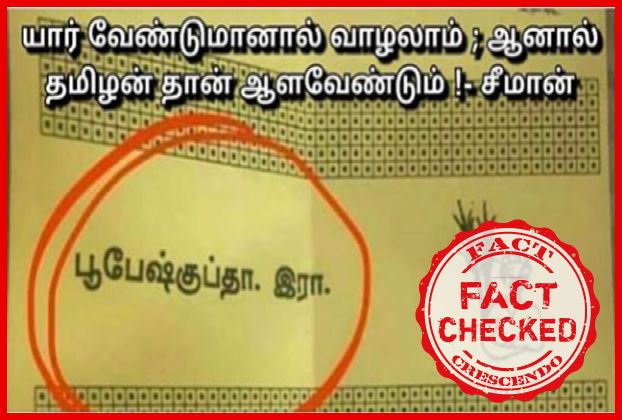
Claim: Marwadi person contesting in Naam Tamilar Katchi
Publisher’s rating: Fact Crescendo Rating: False


डांस करता व्यक्ति सरयू राय हैं जिन्होंने रघुबर दास पर जीत हासिल करने की ख़ुशी में ये डांस किया।
Publisher’s rating: FALSE

El PP ganó todas las elecciones mientras yo fui presidente de ese partido
Publisher’s rating: Falso
מנדלבליט צייץ כי "שמתי לב שעניין הקלטות מטריד את ההמונים אז החלטתי לתת הבהרה בנושא: אשכנזי ביקש שאחכה עם הפרסום עד אחרי הבחירות מכיוון שפרסום כעת יכול להבריח לו בוחרים"
Publisher’s rating: לא נכון
Claim: BJP EVM tampering confirmed officially
Publisher’s rating: PARTLY FALSE
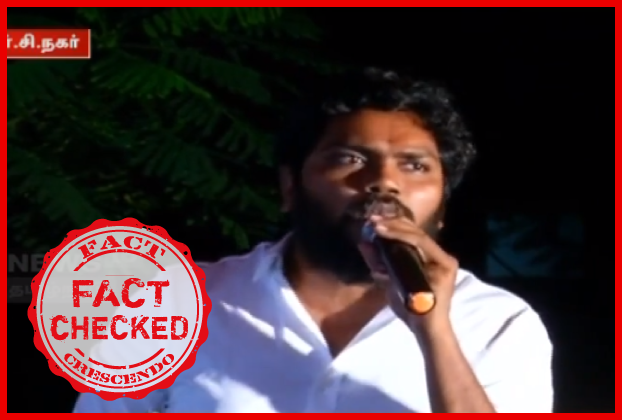
Claim: Pa Ranjith urged dalit people should vote for dalit candidates only
Publisher’s rating: PARTLY FALSE
The viral post attributed a broad voting instruction to director Pa. Ranjith: that Dalits should vote only for candidates from Dalit parties. Fact Crescendo says the post was misleadingly edited, rather than a faithful account of his remarks. The review describes the post as creating the impression that Dalits should vote for Dalit-party candidates across all 234 Tamil Nadu assembly constituencies and 39 parliamentary constituencies. To check the attribution, the publisher says it contacted Ranjith’s public-relations officer, Guna. Guna said Ranjith had spoken at an event about a year earlier, but that his remarks had been altered and circulated without the full speech; he denied that Ranjith had said Dalits should vote only for Dalit candidates in the broad sense asserted by the post. The review then reports finding coverage of Ranjith’s remarks in Vikatan and a video published by News18. It describes the remarks as advocating an alliance among Dalit parties for the seven reserved constituencies, and support for candidates put forward by organisations working for Dalit people there. The distinction is central: the evidence described by the review concerns a specific proposal for reserved constituencies, not an instruction covering all constituencies. The review therefore concludes that the post misrepresented what Ranjith said.
"He had promised that every fundraiser he would do would be open-door, but this one was closed-door.”
Publisher’s rating: False
President Donald Trump and his allies "have already put together more than $300 million."
Publisher’s rating: This is true
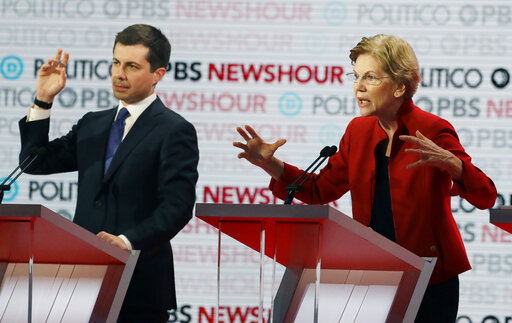
Says Pete Buttigieg "just recently had a fundraiser that was held in a wine cave full of crystals and served $900-a-bottle wine. Think about who comes to that. He had promised that every fundraiser he would do would be open door, but this one was closed door."
Publisher’s rating: Wine cave event occurred
"Senator, your presidential campaign, right now as we speak, is funded in part by money you transferred, having raised it at those exact same big-ticket fundraisers you now denounce."
Publisher’s rating: News accounts confirm it

網傳「2020年投票,中選會使用油性印泥,不容易乾,蓋完選票折疊時會染到旁邊,開票時祇要是韓國瑜就是廢票」,經查:中選會使用快乾式印泥,並非「油性印泥」。如果選票上沾染印泥或疊折反印的痕跡,並非指紋或符號,且能辨別圈選為何,屬於有效票。不會因為「印泥沾染到旁邊」就變廢票。此傳言為「錯誤」訊息。
Publisher’s rating: 錯誤
The rumor alleged that Taiwan’s Central Election Commission (CEC) used slow-drying oil-based ink pads for the 2020 election, so folding a ballot could transfer ink and cause a vote for Han Kuo-yu to be rejected. The Taiwan FactCheck Center’s review addressed both the ink-pad claim and the rule for ballots marked by transferred ink.

Ahora mismo el centro y la derecha, con un millón de votos más que la gran mayoría absoluta del PP de 2011, tenemos 35 escaños menos
Publisher’s rating: Falso
Pablo Casado compared the results for the center-right bloc in Spain’s November 10 election with the PP’s 2011 result, saying the bloc had received a million more votes but won 35 fewer seats. Newtral checked the two elections’ results: in 2011, Mariano Rajoy’s PP won 10,866,566 votes and 186 seats. In November, PP, Vox and Ciudadanos together won 151 seats—35 fewer than Rajoy’s total, as Casado said. The vote comparison was wrong. Those three parties received 10,297,472 votes in November, about 569,000 fewer than the PP received in 2011, not a million more. Newtral says it consulted the election results for both contests and reports that it asked the PP about Casado’s statement but received no response. The figures support the seat comparison but contradict the claim about votes.
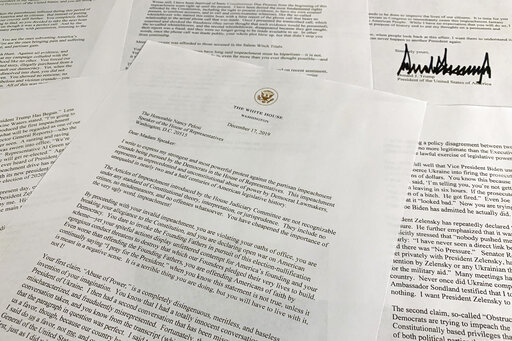
Says he beat Hillary Clinton "in an Electoral College landslide (306-227).’’
Publisher’s rating: Not a landslide
Related reporting examined plaques Trump installed on the White House Presidential Walk of Fame. It says his plaque described his 2016 Electoral College win over Hillary Clinton as a “landslide,” but reports the tally displayed as 304–227. That directly addresses the claim’s description of the victory, although the figures do not exactly match the claim’s 306–227 wording. The distinction matters: 306 was the number of electoral votes Trump initially won, while two electors later defected. Separate reporting on the election states that Trump beat Clinton “227 to 306 (304 after two electors defected).” Thus, 306–227 describes the initial allocation, and 304–227 reflects the post-defection tally. The supplied excerpts establish the plaque’s characterization and explain the discrepancy in the figures; they do not provide a detailed analysis of what threshold makes an Electoral College victory a landslide.
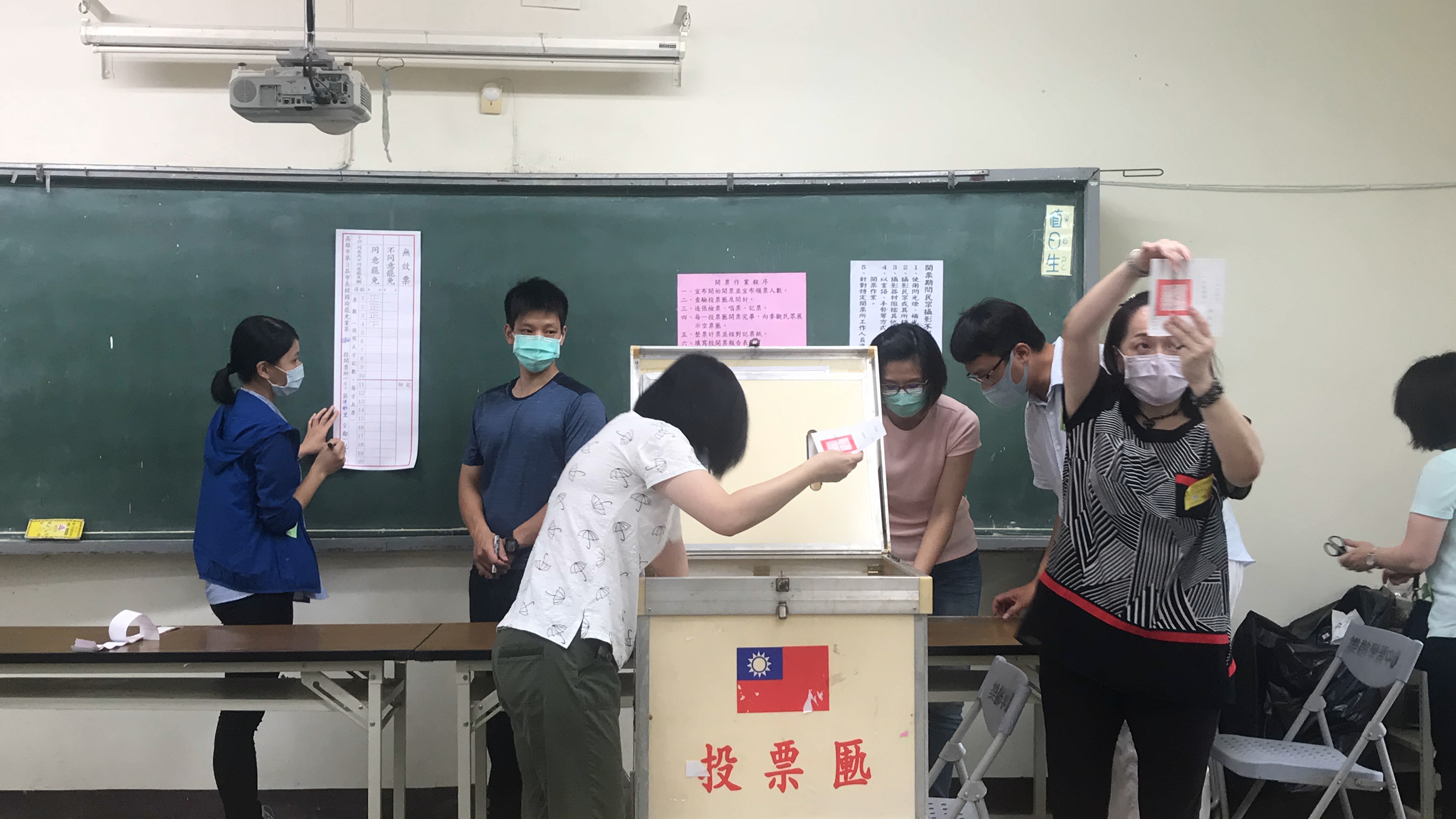
網傳「台灣選舉還有一種奥步是:李進勇叫印票厰商在2號的蓋章處印上一層薄博的,肉眼難看以出來的爉或是油脂,讓蓋票章上的红墨水乾不了,選票一折,很容易就花掉,變成廢票」?,經查:選舉票並不是由中央選舉委員會統一印製,而是由各縣市選舉委員會依規定式樣印製,印製過程,各地方選委會監察小組委員會全程監印。印刷公司指出,選票採用的是70磅的薄紙,要上蠟或加膜,需先送到部分印刷公司去做特殊處理,並非每間印刷公司都有技術,就算技術可行,選票若有上光、加蠟或加膜等不同印刷手法,即使為透明,肉眼也能清楚辨識,選票用此方式造假的可能性低。中選會規定,選票因折疊而反印圈選,只要能辨識為摺疊所致,應屬有效票;若印泥沾染到選票,並非指紋或符號,仍能辨識所圈選對象,也屬有效票。因此,此傳言為「錯誤」。
Publisher’s rating: 錯誤
The claim concerns Taiwan’s 2019 elections and alleges that Lee Chin-yung directed ballot printers to apply an almost invisible layer of wax or grease at the number-2 voting area. It says the layer would keep red ink from drying, so folding a ballot would smear the mark and turn it into an invalid vote. The review examined ballot-printing rules, interviews with printing-industry sources, and election authorities’ rules for determining ballot validity. The review reports that ballots are printed by municipal and county election commissions according to prescribed formats, with election-commission inspectors present during printing. It also describes a local printing company’s account of inspectors monitoring printing, cameras recording inside the facility, police guarding the premises, and police vehicles transporting completed ballots. The review notes that these procedures make the alleged fabrication unlikely and says the claim that the central election chair ordered the printing does not match the described process. On the proposed coating, printing sources said ballots use thin, 70-pound paper and that wax or film would require special processing not available at every printer. They also said such a treatment, even if transparent, would be visible to the naked eye. The review therefore judged this method of altering ballots to be unlikely. Separately, it checked the election commission’s ballot-validity guidance: a mark transferred by folding can remain valid if identifiable as a fold impression, and ink contamination can remain valid if it is not a fingerprint or symbol and the voter’s choice is still discernible. Thus, the rumor’s asserted consequence—that folding would readily make the ballot invalid—is not what the cited rule says.
“The incumbent government used the apparatus of the state, principally the law enforcement agencies and the intelligence agencies, both to spy on political opponents, but also to use them in a way that could affect the outcome of the election.”
Publisher’s rating: False

社群平台流傳「記得一定要在選票上簽名,才不會被國家機器做掉」,經查:根據《總統副總統選舉罷免法》及中央選舉委員會規定,簽名的選票,應屬無效票。此傳言為「錯誤」訊息。
Publisher’s rating: 錯誤
The claim concerns a social-media message urging voters to sign their ballot so they would not be “done in” by the state. The Taiwan FactCheck Center examined whether signing a ballot is permitted, rather than investigating whether the alleged threat was real. The review identifies the message as referring to the upcoming election and encouraging support for Han Kuo-yu: “明年大選除了堅持投韓總以外,記得一定要在選票上簽名,才不會被國家機器做掉!” (S1) To check the ballot-related assertion, the Center consulted Article 60, paragraph 5 of the Presidential and Vice Presidential Election and Recall Act. The review reports that this provision treats a ballot with a signature, seal, fingerprint, or added words or symbols as invalid: “選舉票有「簽名、蓋章、按指印、加入任何文字或符號」,為無效票。” (S1) The Center also searched the Central Election Commission’s legal-rules database for its illustrated guidance on determining valid and invalid ballots. The examples explicitly say that a signed ballot, including one signed after making a selection, is invalid: “簽名者,應屬無效票」、「圈選後加以簽名者,應屬無效票」 (S1). These cited rules address the message’s specific voting instruction: signing the ballot would invalidate it, not protect it from the alleged threat.