PeakMetrics / Fact Checks
Elections & voting fact checks
Explore claims publishers have checked about elections & voting. Read their original ratings and follow the evidence.
Search fact checks
Search by text or image5,415 published reviews in this topic
ثبت نام نیابتی نامزدها در انتخابات مجلس
Publisher’s rating: بنابراین فکتنامه مستند به ادله قانونی بر این باور است که قانون انتخابات مجلس شورای اسلامی ثبت نام نیابتی را ممنوع نکرده است. این قانون میتواند مبهم خوانده شود که در این حالت مرجع رفع ابهام مجلس شورای اسلامی است. اقدام وزارت کشور در استعلام از شورای نگهبان غیر قانونی بوده است. وزارت کشور در چنین شرایطی باید نسبت به ثبت نام نیابتی به طور مشروط اقدام و با ارائه لایحهای سه فوریتی از مجلس استفسار و براساس نظر نمایندگان مجلس عمل میکرد.
Pembongkaran kotak suara oleh KPU terkait dengan kecurangan dalam Pilpres 2019
Publisher’s rating: Sesat

Claim: Seeman promised to give free car for voters
Publisher’s rating: PARTLY FALSE
The review examined a viral news card attributed to Thanthi TV stating that Seeman would announce free cars for households in the coming election. It reports that the card appeared on Thanthi TV’s Facebook page on November 27, 2019, and that people shared it as evidence of a genuine promise. The review’s central finding is that Seeman did speak about announcing a free-car offer, but the viral version left out the punchline that changed what he meant. Supporting text: “இந்த நியூஸ் கார்டை தந்தி டி.வி 2019 நவம்பர் 27ம் தேதி தன்னுடைய ஃபேஸ்புக் பக்கத்தில் வெளியிட்டுள்ளது.” And: “சீமான் கார் தருவேன் என்று தேர்தலில் அறிவிப்பு வெளியிடுவேன் என்று கூறியது உண்மைதான். ஆனால், அது பேச்சின் தொடக்கம் மட்டுமே…” To investigate, the review says it searched for coverage using the phrase “வீட்டுக்கு வீடு கார், தேர்தல் அறிக்கையில் அறிவிப்பு – சீமான்” and found reports from NDTV and Maalai Malar. It describes Maalai Malar’s account as including Seeman’s explanation: he would announce a car for every home so people would vote for him, then, after becoming chief minister, give each household a picture of Ambedkar instead. The review also says it searched YouTube and found a video titled “Seeman Car Comedy Speech in Madurai” containing the passage. Supporting text: “மாலை மலர் செய்தியில், ‘கார் சொன்னால் ஓட்டு போடுவார்கள் – இலவச அறிவிப்புகளை விளாசிய சீமான்’ என்று இருந்தது.” And: “அண்ணல் அம்பேத்கார் படம் தருவேன் என்ற சீமான் பேசினார்.” Thus, the statement about announcing cars was presented in a satirical speech, with “Ambedkar” used as the punchline to the apparent car promise. The review says the viral post presented only one part of the speech and omitted the rest, causing readers to understand it as a literal offer of cars. Its conclusion is that the post was misleading because it gave an incomplete account of what Seeman said. Supporting text: “உண்மையில் ஒரு பாதியை மட்டும் சொல்லிவிட்டு, மற்றொரு பாதியை பரபரப்புக்காக மறைத்துள்ளனர்.” And: “கார் என்று கூறி அம்பேத்கார் படம் தருவேன் என்று கூறியதே நிஜம்.”

வரும் தேர்தலில் வீட்டிற்கு இலவசமாக கார் என்ற தேர்தல் அறிவிப்பை வெளியிட உள்ளேன் – சீமான்.
Publisher’s rating: Misleading
The BBI report bans anyone over 65-years-old from vying for president
Publisher’s rating: False.
«Merkel will im Fall von Neuwahlen erneut antreten», steht auf einem Bild, das die Website «politaufkleber.de» zeigt. Das Bild zeigt unter anderem den Schriftzug «Eilmeldung» und das Logo von «Focus Online». Es wird der Anschein erweckt, Bundeskanzlerin Angela Merkel (CDU) stehe aktuell für eine weitere Amtszeit zur Verfügung
Publisher’s rating: Bei dem Bild handelt es sich um den Screenshot eines veralteten Online-Artikels von 2017. Nach aktuellem Stand will Merkel nicht erneut kandidieren.
The image presented on politaufkleber.de gives the impression that Angela Merkel was currently willing to seek another term if an early election occurred. The dpa review identifies it instead as a screenshot of a Focus Online article published on 20 November 2017. The statement was accurate to the situation reported then, after coalition talks following the 2017 federal election had failed; it was not a current announcement when the image was circulating in 2019. The review explains that Germany did not hold an early election after those talks. The CDU and SPD instead formed a grand coalition. It also reports that Merkel had announced after the 2018 Hesse state election that she would not run again as chancellor candidate, either in the scheduled 2021 federal election or in possible early elections. Thus, the image reused an old statement while omitting the later change in Merkel’s position and the intervening political developments.

The theory that Ukraine was behind 2016 election interference "is a fictional narrative that has been perpetrated and propagated by the Russian security services themselves."
Publisher’s rating: Fiona Hill, others agree
“It was voter suppression right here in Georgia targeting African Americans that prevented governor Stacey Abrams from being in office right now.”
Publisher’s rating: In dispute

"We still have 11 states that don’t have back-up paper ballots."
Publisher’s rating: More adding paper based

Paris, Lyon, Marseille, votre maire va être élu sans vous ! Loi PLM, insulte à la démocratie
Publisher’s rating: faux
The review examines Jean-Marie Bigard’s petition to abolish the electoral rules for Paris, Lyon and Marseille, and his claim that the system means the mayor is elected “without you.” It explains that voters do not directly elect mayors in any French commune: they elect municipal councillors, who then elect the mayor. The review cites public-law professor Jean-Paul Markus to clarify that the leading candidate on the list that wins the most votes is generally elected mayor, but that outcome is not legally guaranteed. The indirect step in choosing a mayor therefore is not unique to the three cities named in the claim. The review does identify an additional layer in those cities. Under the law of 13 December 1982, voters choose lists for arrondissement councils; those councils elect arrondissement mayors, while some councillors also sit on the city-level council, which elects the city mayor. For Paris, voters choose their arrondissement’s council, and the Conseil de Paris elects the mayor of Paris. The review thus distinguishes the particular route by which the three city mayors are chosen from the broader fact that French voters elect mayors indirectly. The review uses the 2014 Paris election to show how the process worked in practice. Anne Hidalgo’s list lost in the 15th arrondissement, but she was elected to the Conseil de Paris and could stand for city mayor. Across Paris, the lists she supported received 34.4% in the first round, compared with 35.9% for Nathalie Kosciusko-Morizet’s lists; after some left-wing lists joined forces, their second-round list received 53.3%. The review reports that the Conseil de Paris majority supported Hidalgo, who was elected mayor with 91 votes. It also notes criticism of the system’s transparency, while showing why the claim that voters have no role omits their votes for the councils that choose the mayor.

Se ha manipulado el voto en Sariñena (Huesca)
Publisher’s rating: Falso
The claim concerned an image of a session record from the 10 November election in Sariñena, Huesca. It showed the Vox vote count written as 102 in words but as 2 in figures, and was circulated as evidence that votes had been manipulated. Newtral reported that the image did not establish manipulation: the figure recorded in the official documents was 102 votes for Vox, and the discrepancy in the image was described as an error corrected before the record was finalized. To check the count, Newtral contacted the Huesca Provincial Electoral Board, which is responsible for the definitive count, and the Sariñena town council. The Board said it had found no incident in either the polling-station count or its own general scrutiny, and confirmed that the documented Vox total was 102. The town council also confirmed that 102 was the correct figure and said that the records sent to the Board and the Government Subdelegation showed that number. The review also reported that Vox Huesca said on 15 November that the matter had been resolved at the polling station through its party representative, and that its representative had attended the complete recount at the Huesca Provincial Court without detecting an incident. The image therefore captured a discrepancy in a record, but the checks and documents described in the review support a count of 102, not the alleged manipulation.

我是11/24大安區古亭國小選務人員,說好的明年1/11,還是我們原班人馬做選務。十月初,無聲無息,我打電話去問,我們整批都無預警被換掉了
Publisher’s rating: 不實
Se puede manipular el voto abriendo los sobres y cambiando las papeletas «tras el cierre» en Correos
Publisher’s rating: Falso
The review addresses a social-media allegation that Correos employees kept postal votes after closing, opened the envelopes and replaced the ballots with votes for the PSOE. It reports that the post had been shared at least 1,000 times on Facebook and that it had first appeared on Twitter on November 8, two days before the elections. The review says Correos described postal-vote envelopes as being kept in office safes and said employees checked that they had not been tampered with during admission, processing and delivery. The account also describes checks at the receiving polling stations: when postal votes arrive, the polling-station presidents verify that the envelopes have not been manipulated. For the count, postal votes are placed in the ballot box before the president opens envelopes and reads the selected candidacy or candidates’ names aloud; the ballot is shown to the other officials and representatives present. The review further reports that the Electoral Commission was not investigating a complaint matching the allegation and that Correos said it had not seen such a situation in elections since 1978. These reported safeguards and the absence of a matching investigation are the evidence the review gives in response to the alleged envelope-switching scheme. The excerpt does not describe an independent test of individual votes or provide details of a specific complaint; its account rests on information attributed to Correos and the Electoral Commission, alongside its description of the counting procedure.

El Gobierno ha manipulado los datos de la abstención el 10N
Publisher’s rating: Falso
“The Democrats cooperated in Ukrainian election meddling … What is the full extent of Ukrainian election meddling against the Trump campaign?”
Publisher’s rating: False
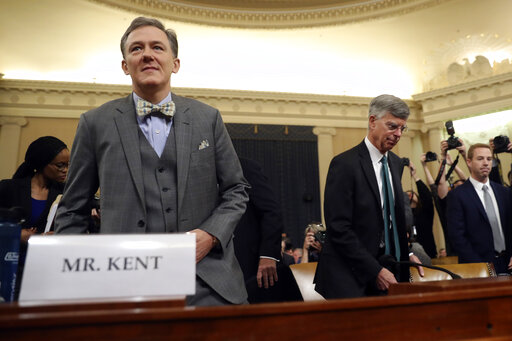
"The Democrats downplay, ignore or outright deny the many indications that Ukrainians actually did meddle in the election."
Publisher’s rating: Exaggeration
El PSOE ha hecho trampas con el censo electoral en Huelva «dando de alta a extranjeros no empadronados»
Publisher’s rating: Falso

Se pueden manipular los resultados del 10-N «adulterando los patrones de imágenes de actas de escrutinio»
Publisher’s rating: Falso