PeakMetrics / Fact Checks
Elections & voting fact checks
Explore claims publishers have checked about elections & voting. Read their original ratings and follow the evidence.
Search fact checks
Search by text or image5,415 published reviews in this topic
Republicans "just won two seats in North Carolina, two wonderful seats in North Carolina that were not supposed to be won.
Publisher’s rating: This is exaggerated.
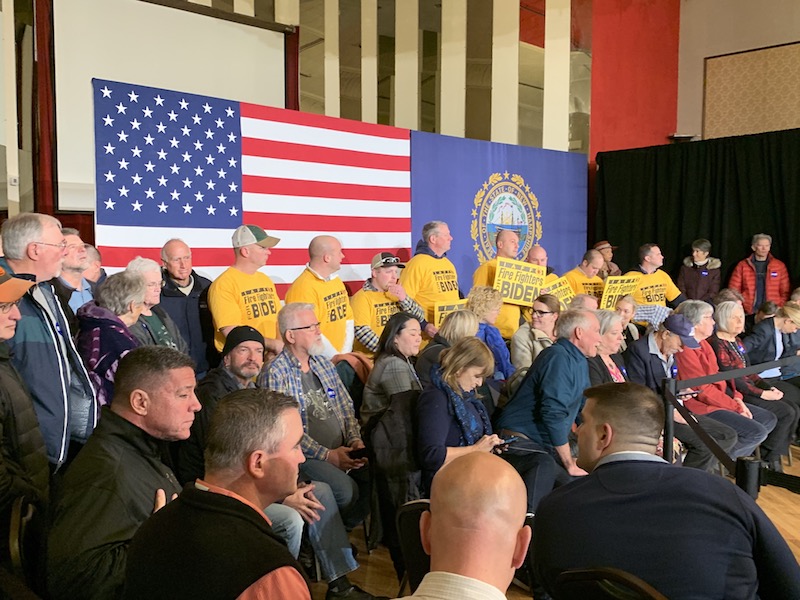
Says one of his competitors in the Democratic primary contest "voted against the Brady Bill five times."
Publisher’s rating: Aimed at Bernie Sanders, and it's True.

Says Democrats "blocked the Iowa poll" and "blocked the Iowa caucus."
Publisher’s rating: False
The app used in Iowa caucus was "partially financed" by the Pete Buttigieg campaign.
Publisher’s rating: No evidence
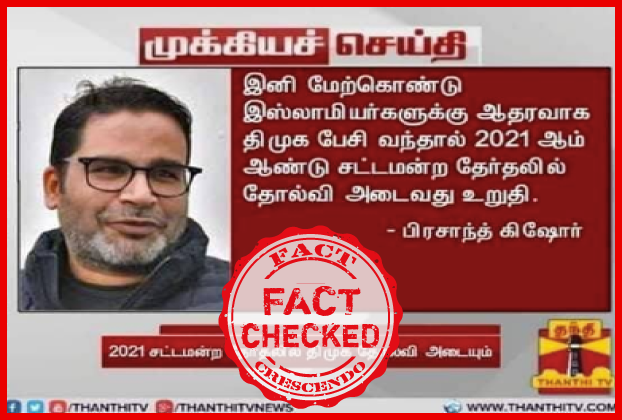
Claim: Prashant Kishor promised that DMK will lose in election
Publisher’s rating: FALSE

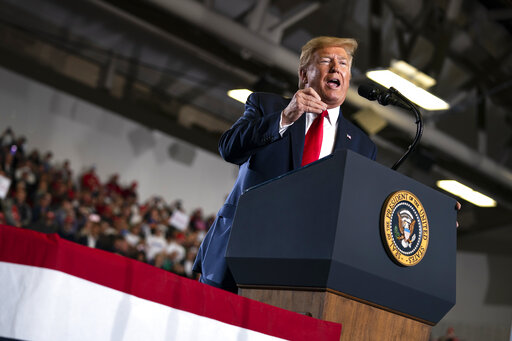
"And today, I had the best polls that I've ever had since being elected, the best we've ever had."
Publisher’s rating: Matches a previous high
اصلاحطلبان در تهران ۱۳۰ نامزد تایید صلاحیت شده دارند که افراد گمنامی هم نیستند.
Publisher’s rating: شاخدار
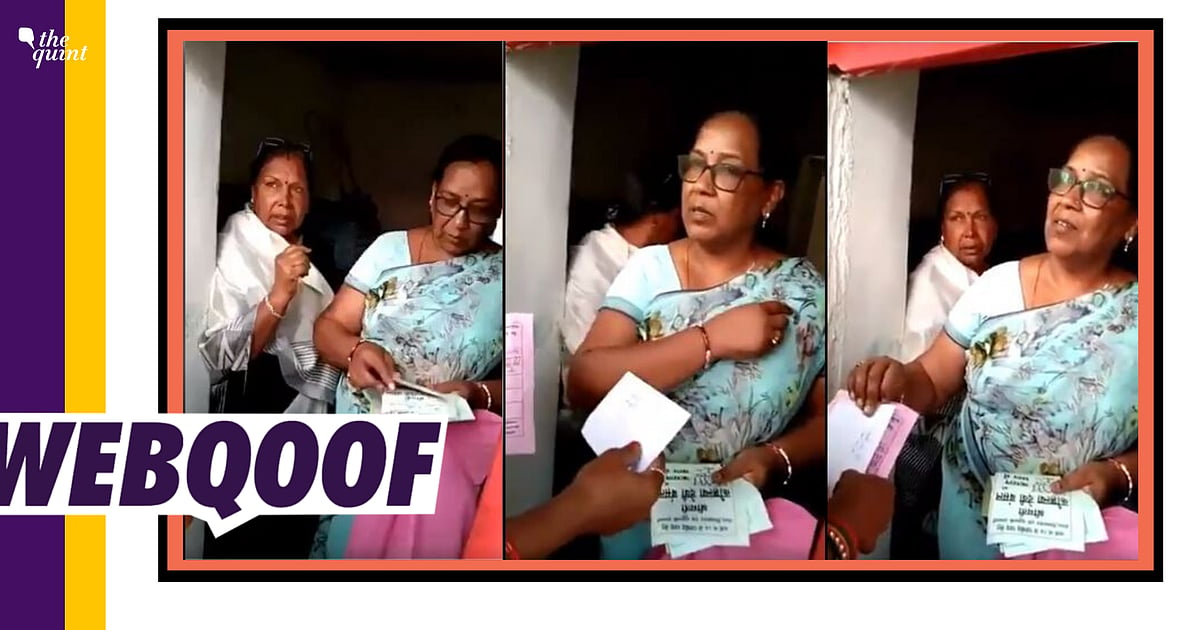
BJP in Delhi is paying people Rs 700 for each vote ahead of the Delhi Assembly polls.
Publisher’s rating: FALSE
The claim concerned a video circulating before the Delhi Assembly polls, scheduled for 8 February. In it, a woman hands out an envelope while referring to a cheque and Rs 700; accompanying messages presented this as the Delhi BJP paying people to vote for the party. The investigation found that the video did not show Delhi BJP workers or an event connected to those polls. To identify the people and setting in the footage, the investigators examined the pamphlet being handed out and identified the name on it as Shrimati Kaushalya Devi Bansal. They then searched for election coverage using her name. A Bhaskar report identified the women as Koushalya, then vice-president and candidate of Raipur’s Mahasamund Palika, and her sister Lalita Agarwal, then a BJP district vice-president. The review also says it checked Koushalya Devi’s Facebook page to confirm the woman standing at the back in the video. The report placed the footage in the lead-up to Chhattisgarh’s local body polls: it said the video emerged the night before voting on 21 December 2019. Bhaskar quoted both women calling it fake; Koushalya said the voices had been altered and described the footage as a “political conspiracy.” The evidence therefore identifies a different place, political event and time from the Delhi election alleged in the viral caption. The review concluded that an older Chhattisgarh video had been recirculated with a false Delhi-related claim.

తెలంగాణ మున్సిపల్ ఎన్నికల్లో బీజేపీ కి 25 శాతం ఓట్లు వచ్చాయి.
Publisher’s rating: FALSE
Bernie Sanders "s not leading me with black voters under the age — look, just all I know is, I am leading everybody, combined, with black voters."
Publisher’s rating: This is exaggerated.

Claim fictional character Anil Upadhyay back as BJP MLA against CAA
Publisher’s rating: FALSE
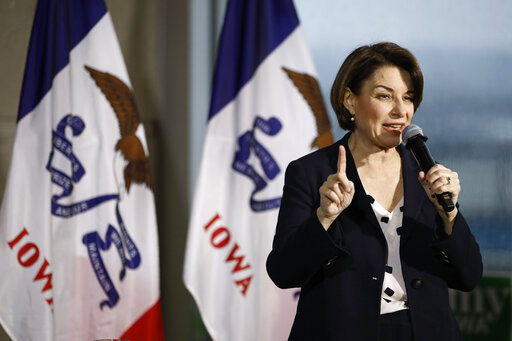
"I have won Michele Bachmann’s district every single time."
Publisher’s rating: She has

Presiden Jokowi mengakui adanya kecurangan dalam Pemilu 2019
Publisher’s rating: Keliru
Obama Confirms Candidancy for Kenyan Presidential Election
Publisher’s rating: False.
網傳「宣布票數的時候可以設計每差票數幾張就會自動灌票」、「電腦工程師的朋友告訴我,是在計票系統植入後門程式,自動將兩方票數依比例增減後送出」?
Publisher’s rating: 錯誤
The claim concerned two alleged ways Taiwan’s vote-counting system could manipulate election results: automatically adding votes whenever the candidates’ totals differed by a preset amount, or using a backdoor program to change both sides’ totals before reporting them. The investigation describes these as messages circulating on social platforms and messaging apps. It examined the election’s reporting process and whether there was evidence that the system had altered votes. The Central Election Commission’s planning office told the fact-checkers that polling-place reports were checked by election staff before figures were entered into the counting system. Two separate operators entered the numbers, and the figures entered by both had to match before they were accepted. The report says that information was then transmitted from the internal system to the public results website; the live figures shown during counting reflected data received within three minutes. The Taipei City Election Commission also described reports being entered at district offices and sent to local and central election commissions. The review reports that the Central Election Commission said the system underwent source-code inspection, penetration testing, and vulnerability scanning before going online. It also said copies of polling-place reports were posted outside polling stations so the public could compare them with website totals. The review found no concrete evidence supporting the alleged vote manipulation and reported that, by the time it was completed, no political party or candidate had requested a recount or presented evidence of a major discrepancy in the actual vote totals. These checks and findings address the specific allegations, while the source does not establish that every possible technical risk was impossible.
Mantan Komisioner KPU Wahyu Setiawan menyebut hasil Pilkada 2020 sudah ditentukan sebelum hari coblosan
Publisher’s rating: Keliru
