PeakMetrics / Fact Checks
Economy & business fact checks
Explore claims publishers have checked about economy & business. Read their original ratings and follow the evidence.
Search fact checks
Search by text or image7,103 published reviews in this topic
Please do not use these Chinese products for your own dear life and also for the safety of the country.
Publisher’s rating: False

The Indian economy was 3rd largest in the world in 2014 and 7th largest in the world in 2019.
Publisher’s rating: MISLEADING
The claim compared India’s third-place ranking in 2014 with a seventh-place ranking in 2019 as evidence that its position had fallen. FACTLY’s review found that the ranks used different measures: the 2014 third-place figure was based on GDP at purchasing power parity (PPP), while the seventh-place figure came from 2018 World Bank rankings based on nominal GDP. Comparing those positions as if they measured the same thing is not an apples-to-apples comparison. The review says India was third in the World Bank’s 2018 PPP ranking as well, retaining the position it held in 2014. It also notes an important limitation: the cited World Bank data did not include a 2019 PPP ranking. Thus the evidence supports the point that the comparison mixes GDP measures, but it does not establish India’s precise 2019 rank on a consistent basis.
واگذاریها به بخش خصوصی در دولت دوم روحانی، ۱۰۰درصد واقعی بوده است
Publisher’s rating: نادرست
“Əhalinin 98 faizi ilin qalan dövründə inflyasiyanın sürətlənməsinə inanmır”
Publisher’s rating: faktlarla manipulyasiya
More than 90 per cent of Newstart recipients are receiving other benefits, including the Parenting Payment and Rent Assistance
Publisher’s rating: Not the full story
USAID Kenya conducting a recutiment drive at a fee
Publisher’s rating: False.
The U.S. government officially labeled China for the first time ever a currency manipulator.
Publisher’s rating: False.


జీతాలు ఇవ్వట్లేదని జగన్ పాడె మోస్తున్న ఆశా వర్కర్లు.
Publisher’s rating: FALSE
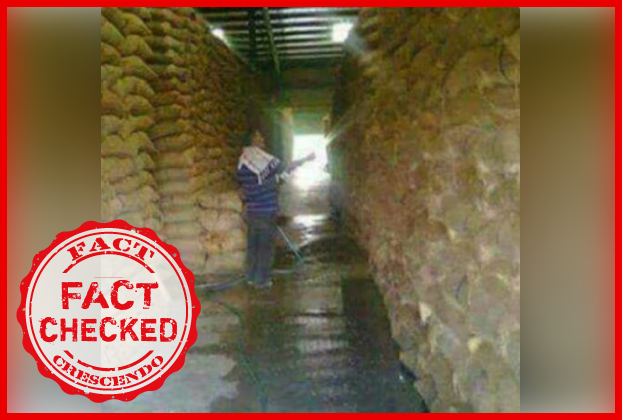
Claim: Govt staffs spraying water in rice sacks and selling illegally
Publisher’s rating: FALSE
The claim concerned a Facebook post published by Sundar Sethupathi on July 29, 2019. Its caption alleged that government employees were spraying water on rice sacks so they could be sold to government liquor factories at a low price. The review reports that the video showed a person spraying sacks with a hose in a warehouse, and it checked whether the sacks and workers were as the post described. The review says it first ran reverse-image searches using Google and Yandex but found no information that way. It then searched Google repeatedly with different keywords and, with help from its Hindi and Gujarati teams, examined reports about the footage. Those reports placed the scene at a private warehouse in Satna, Madhya Pradesh, and described the sacks as wheat rather than rice. The review also cites an ABP News fact-check, which identified the worker as Rafiq Khan and the facility as belonging to Ruchi Private Limited. On the evidence it describes, the video did not show government employees wetting rice for illegal sale to liquor factories. Instead, the review says private-company workers were wetting wheat sacks because the warehouse lacked cooling facilities. The mismatch in the claimed commodity, workers’ employer, and purpose of the activity is the basis for rejecting the Facebook post’s account.

‘పాకిస్తాన్ భారత్తో అన్ని ద్వైపాక్షిక ట్రేడ్లను రద్దు చేసింది, ఇది భారత ఆర్థిక వ్యవస్థకు భారీ నష్టం, దాని విలువ విరాట్ కోహ్లీ ఒక ఇన్స్టాగ్రామ్ ప్రమోషనల్ పోస్ట్ కోసం తీసుకున్న ధరతో సమానంగా ఉంటుంది. చాలా విచారంగా, ఈ భారీ నష్టం నుండి మనం ఎలా కోలుకుంటాము’ అని అజిత్ ధోవల్ ట్వీట్ చేశాడు.
Publisher’s rating: FALSE
US labels China as currency manipulator
Publisher’s rating: True
Related reporting supports the claim that the United States designated China a currency manipulator in August 2019. The reporting distinguishes that designation from later Treasury monitoring: it says China was “already officially designated in August 2019” and cites a Treasury announcement titled “Treasury designates China as a currency manipulator,” dated 5 August 2019. The distinction matters because the article also describes a later Treasury review. It says that in January 2026 the United States placed China and other economies on a surveillance list, but “did not report a single major partner as a currency manipulator during the review.” That later monitoring result does not negate the article’s account of the separate 2019 designation. The supplied excerpts do not include the 2019 Treasury announcement itself, so this conclusion rests on the later article’s account and citation rather than direct examination of the original announcement.

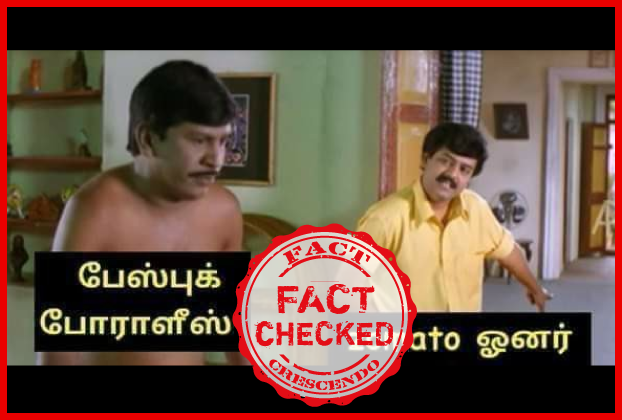
Claim: Zomato share price falls to 55 per cent in single day
Publisher’s rating: FALSE
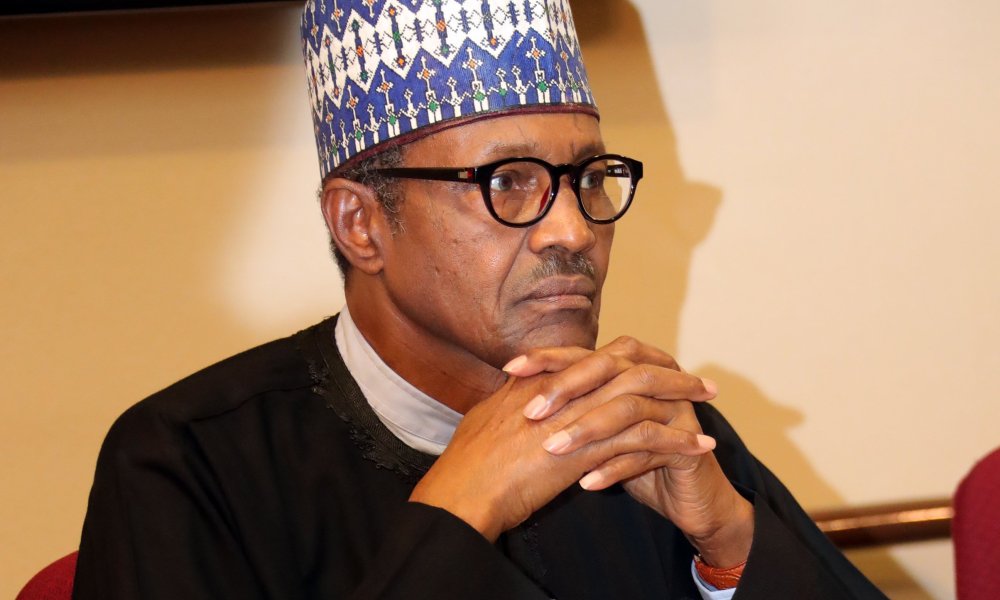
A claim that the Federal Government has lifted over 5 million Nigerians out of extreme poverty.
Publisher’s rating: False
The claim concerned President Muhammadu Buhari’s statement at the opening of the International Labour Organisation’s Global Youth Employment Forum in Abuja on August 1, 2019. Buhari said the National Social Investment Programme had lifted more than 5 million Nigerians out of extreme poverty in three years. DUBAWA assessed that poverty claim separately from the accompanying claim about N-Power employment opportunities, and drew on the World Poverty Clock, the World Bank, the United Nations and Nigeria’s Bureau of Statistics for its verification. [S1] The review used the World Poverty Clock’s estimates of Nigerians living below the World Bank’s extreme-poverty threshold of $1.90 a day. It reported that the estimate rose from 88,861,580 people in August 2017 to about 91,566,337 in August 2018 and 94,084,293 in August 2019. Those figures show an increase, not a reduction of 5 million, over the period most relevant to the president’s three-year statement. [S1] DUBAWA therefore concluded that the available figures contradicted the claim. The excerpt also reports a larger increase when comparing August 2016 with August 2019, but its stated totals in that comparison are internally inconsistent: it gives an August 2019 estimate of about 94 million earlier, then cites 100,917,042 later. The August 2017–2019 figures are the clearest directly relevant comparison in the supplied text. [S1]

Car insurance company Tempcover issued a press release and associated webpage which claimed to “reveal which public transport operators in the UK are doing the best job of getting Britain from A to B”.
Publisher’s rating: INACCURATE WITH CONSIDERATION. None of the public transport companies listed covered Northern Ireland, so it was a Great Britain-only analysis. Tempcover have now corrected this error on their website. The exclusion of Northern Ireland’s Translink service could have, at most, shifted other operators up or down the list by one position.
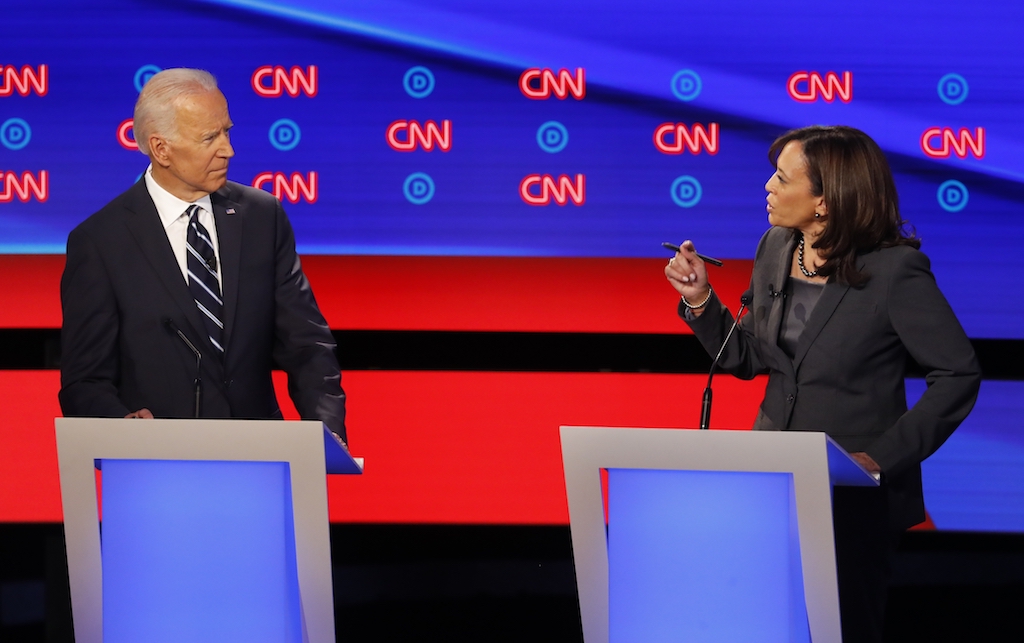
"Amazon is closing 30% of America's stores and malls and paying zero in taxes while doing it."
Publisher’s rating: Not the whole story
“Son 19 ildə yoxsulluq 10 dəfə azalıb”
Publisher’s rating: faktlarla manipulyasiya