PeakMetrics / Fact Checks
Economy & business fact checks
Explore claims publishers have checked about economy & business. Read their original ratings and follow the evidence.
Search fact checks
Search by text or image7,103 published reviews in this topic
“98% of the population does not believe that the inflation will increase during the remainder of the year”
Publisher’s rating: Manipulation of Facts
“The United States, which has never collected 10 cents from China, will in a fairly short period of time be over $100 billion in tariffs.”
Publisher’s rating: False.

కరెంటు మీటర్ రీడింగ్ ఆలస్యంగా తీసుకోవడం వాళ్ళ స్లాబు మరి కరెంటు బిల్లు ఎక్కువగా వస్తుంది.
Publisher’s rating: FALSE
“We’ve picked up $20 trillion in worth. And China has lost $20, $25, $30 trillion in worth. We’re now almost double the size the economy.”
Publisher’s rating: This lacks evidence.
تمام شاخصها به ما میگوید که وضع امروز از سال گذشته به مراتب بهتر است و آرامش مردم و ثبات بازار بیشتر است.
Publisher’s rating: نادرست
“If I hadn’t won, our economy now would have been overtaken by China.”
Publisher’s rating: This lacks evidence.
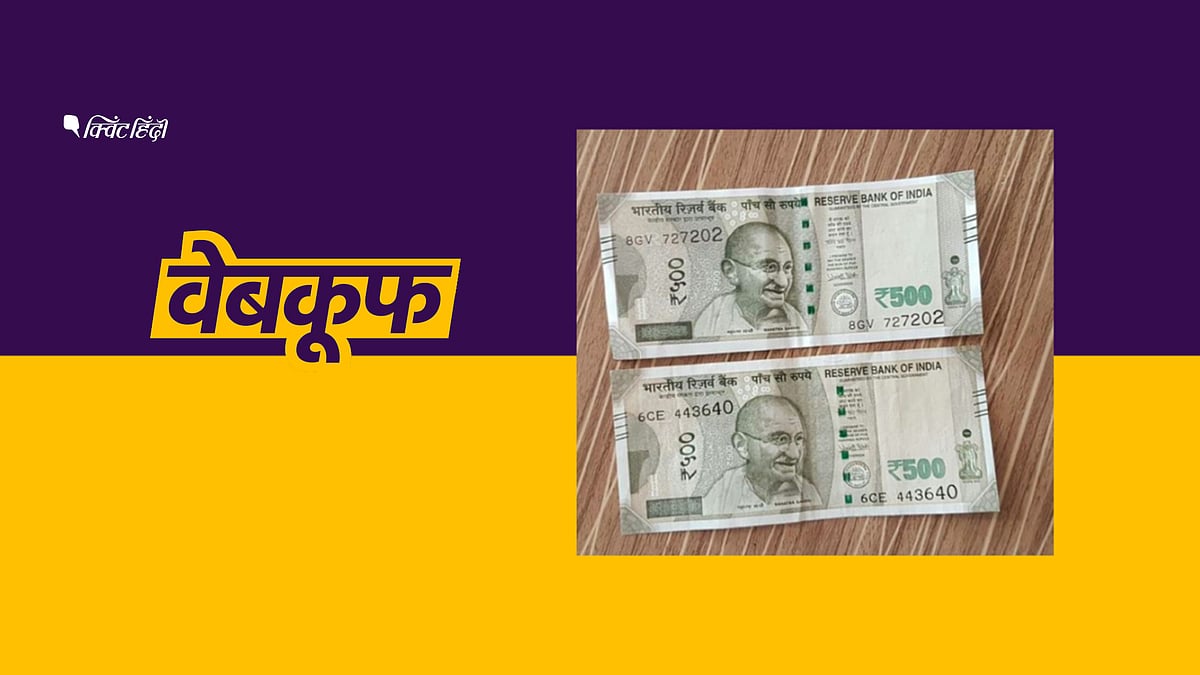
गांधी की फोटो के करीब ग्रीन स्ट्रिप वाले 500 के नोट नकली हैं
Publisher’s rating: FALSE

網傳反對!反對...台幣改版需花費500億元,將由全民買單?
Publisher’s rating: 錯誤
The claim was that redesigning the New Taiwan dollar would cost NT$50 billion and that the public would bear the expense. The review examined the claim’s connection to central bank plans and spending, including whether a redesign had actually been planned or budgeted. Its conclusion drew on records and statements from different points in time, rather than treating the central bank governor’s remarks about following the law as evidence that a redesign was underway. The review traced those remarks to a March 15, 2018 Legislative Yuan Finance Committee hearing. Governor Yang Chin-long said the central bank would act according to law if a decision were made to redesign the currency, but the bank clarified the next day that there was no urgency to do so given the high cost. The review also reports that, on April 2, the committee required the central bank to provide cost-benefit and other analyses before undertaking related planning. Thus, the hearing remark described a conditional response to a possible future decision, not an announced redesign or a NT$50 billion expenditure. To check the claim’s budget premise, the review interviewed central bank Currency Issue Department Director Shih Tsun-hua in August 2019. He said there was no redesign plan and no redesign budget in the following year’s budget; the review also compared the 2018 and 2019 currency-issuance budgets and found no additional redesign allocation. In a later update, the central bank’s deputy director Lin Wei-tsung likewise said there was no plan, and the review reports that the 2024 operating budget contained no item for a currency redesign. These findings address whether the claimed expenditure was planned or budgeted; the supplied text does not establish an independently calculated redesign cost.

Claim: 18 per cent GST for Coimbatore wet grinder companies
Publisher’s rating: FALSE
The review investigated a Facebook post asserting that GST was 18% for grinders made in Coimbatore and 5% for those made in Gujarat. It says the post was shared by Anwar Sadhath on August 20, 2019, as a screenshot of an earlier post, and reports that the claim spread as if true. The review says it checked comments on the post and then sought supporting evidence, rather than treating the regional tax-rate claim as established. “இதில், ‘’கோவை கிரைண்டருக்கு 18 சதவீதம் ஜிஎஸ்டி, குஜராத் கிரைண்டருக்கு 5 சதவீதம் ஜிஎஸ்டி, இதுதான் ஒரே நாடு, ஒரே வரி,’’ என்று இதற்கு முன் ஒருவர் பகிர்ந்த பதிவின் ஸ்கிரின்ஷாட்டை இங்கே இணைத்துள்ளார்.” The review reports that grinder GST had been reduced from 28% to 12% in 2017 after objections from small and medium businesses. It says it consulted a GST taxation handbook issued by the central indirect tax and customs board, the Ministry of Finance, the Department of Revenue and the Government of India, and points to page 41 for the grinder tax rate. On that basis, it concludes that the rate was not different by state: the claimed 18% Coimbatore and 5% Gujarat rates were not supported. “இந்த பிடிஎஃப் ஆவணத்தின் 41வது பக்கத்தில், கிரைண்டர்களுக்கு எத்தகைய வரி வசூலிக்கப்படுகிறது என விவரம் தரப்பட்டுள்ளது. இதன்படி, கிரைண்டர்களுக்கான ஜிஎஸ்டி வரி 28 சதவீதத்தில் இருந்து 12 சதவீதமாக திருத்தி நிர்ணயிக்கப்பட்டுள்ளது உறுதியாகிறது.” The review also describes qualifications concerning business size and registration, rather than a Coimbatore-versus-Gujarat distinction. It says the 12% rate applied to qualifying grinder manufacturers and other businesses based on annual turnover, while some businesses below stated turnover thresholds did not have to register for GST. Thus, its account distinguishes the applicable tax rate from registration obligations and explains why comparing businesses or locations without those qualifications could mislead. “ஆண்டு வருமானம் 10 லட்சத்திற்கு உள்ளாக, அல்லது 10 லட்சம் முதல் 40 லட்சம் வரை இருக்கும் கிரைண்டர் அல்லது வேறு ஏதேனும் தயாரிக்கும் தொழில் நிறுவனங்களுக்கு, இந்த 12 சதவீத ஜிஎஸ்டியின் கீழ் பதிவு செய்ய தேவையில்லை.”


5 ரூபாய் பிஸ்கெட் வாங்க மக்கள் யோசிக்கும் நிலையில் இந்திய பொருளாதாரம் – பிரிட்டானியா நிறுவனர் குமுறல்.
Publisher’s rating: True
Unter einem offiziell aussehenden Logo der Discounterkette Aldi wird Nutzern im Internet ein verlockendes Angebot vorgegaukelt: Wenn man einige Fragen beantwortet, habe man die Chance, ein E-Bike zu gewinnen. Nach den Fragen wird man zu einer zweiten Seite umgeleitet, auf der man seine persönlichen Daten angeben soll.
Publisher’s rating: Es handelt sich nicht um ein Gewinnspiel des Discounters Aldi. Niemand, der dort mitmacht, wird ein E-Bike gewinnen. Bei dieser Webseite geht es darum, in betrügerischer Weise die persönlichen Daten von Nutzern abzugreifen.
The dpa review examined an online offer using an Aldi-looking logo that promised users a chance to win an e-bike after answering questions, then directed them to a second page to enter personal information. The review reports that dpa contacted Aldi. A company spokesperson said the promotions were not official campaigns of either ALDI Nord or ALDI SÜD, and that the company had forwarded the information to its IT contacts to take steps against them. The review also points to the page’s wording and participation conditions as evidence about the purpose of the offer. After the questions, the page displayed an error-filled request to complete a form so the operator could contact the user and deliver the supposed prize. Beneath fields for a name and email address, the stated terms allowed the organizer and partners to contact participants through several channels about offers. The dpa says personal details supplied to data brokers may be sold to other companies, potentially resulting in advertising through multiple channels. It also notes that spelling and grammar errors can be clues to such data traps. The specific evidence reported here is the company’s denial that the promotion was official and the page’s request for personal information alongside broad marketing permissions.

El dato del paro del pasado mes de julio es el peor que hemos vivido en España en los últimos once años
Publisher’s rating: Engañoso
The claim was made by Ignacio Aguado, then spokesperson for Ciudadanos in the Community of Madrid, during the investiture debate for Isabel Díaz-Ayuso. It described Spain’s July unemployment figures as the worst in eleven years. The review distinguishes between the total number of people unemployed and the month-to-month change: those measures point in different directions, so describing the entire July result as the worst leaves out important context. [S1: “Ignacio Aguado, portavoz de Ciudadanos en la Comunidad de Madrid, declaró el pasado miércoles en el debate de investidura de Isabel Díaz-Ayuso que «el dato del paro del pasado mes de julio es el peor que hemos vivido en España en los últimos once años».”] For the total number of registered unemployed, the review reports 3,011,433 people at the end of July 2019. It says this was the lowest July total in eleven years, not the worst, and notes that unemployment had fallen to levels from before the crisis. Thus, the claim does not accurately describe the level of unemployment recorded that month. [S1: “Según los datos que ofrece el Ministerio de Trabajo, Migraciones y Seguridad Social, el número de desempleados con el que se cerró el pasado mes de julio es de 3.011.433 personas.”] [S1: “Se trata, así, de la cifra de paro más baja de los últimos once años en dicho mes.”] The less favorable comparisons were about how much the figures changed during July. Only 4,253 people left the unemployment register compared with June, which the review identifies as the smallest July reduction since 2008. Social Security affiliation reached 19.53 million, its highest level in eleven years, but increased by 15,514 from June—the weakest July increase since 2012. The review therefore says the claim was not supported as a description of the overall registered-unemployment figure, while recognizing that job creation relative to June was unusually low. [S1: “Solo 4.253 personas han abandonado las listas del paro en julio de 2019 respecto a junio del mismo año, lo que supone la cifra más baja en este periodo desde 2008”] [S1: “en julio de 2019 se registraron 19,53 millones de afiliados, siendo esta la cifra más alta desde hace once años.”] [S1: “el número de afiliados a la Seguridad Social aumentó en 15.514 personas durante julio, lo que supone el peor mes de julio desde 2012.”] [S1: “la creación de empleo en julio respecto a junio ha sido la menor desde 2008.”]

Recruitment notification for 88,585 jobs in South Central Coalfields Limited (SCCLCIL), a subsidiary of Coal India Limited.
Publisher’s rating: FALSE
The claim was that South Central Coalfields Limited (SCCLCIL), supposedly a subsidiary of Coal India Limited, had announced 88,585 vacancies. FACTLY’s review concerns a recruitment notification circulated on social media and concludes that the notice was fake. The review says it examined the notice and the website it directed applicants to use, and searched Coal India Limited’s website for information about SCCLCIL.


En Madrid, 197.000 niños y niñas están en situación de pobreza extrema
Publisher’s rating: Falso
The claim concerns a statement Ángel Gabilondo made during his 14 August 2019 investiture intervention for Isabel Díaz Ayuso, asserting that 197,000 children in Madrid were in extreme poverty. The review says that figure came from Save the Children and was based on 2017 data from Spain’s National Statistics Institute’s Household Conditions Survey. The issue it identifies is that the figure was already outdated when Gabilondo used it: Save the Children had recalculated the number using the 2018 survey data, published by the institute in June 2019. According to the figures reported by Save the Children to Newtral, the updated estimate for children under 18 in the Community of Madrid experiencing severe poverty was 145,000. That is 52,000 fewer than the figure Gabilondo cited, a reported one-year decrease of 26.4%. The review therefore concludes that the 197,000 figure was incorrect because it relied on older data, rather than because the article disputes that child poverty existed. The article also distinguishes the claim about children in severe poverty from Gabilondo’s separate statement that 19% of Madrid’s population was in poverty or social exclusion. It describes that second statement as imprecise because the cited 19% was the AROPE rate, which includes more than people classified as living in poverty. That separate qualification does not change the article’s explanation of why the 197,000 figure was no longer current.