PeakMetrics / Fact Checks
Economy & business fact checks
Explore claims publishers have checked about economy & business. Read their original ratings and follow the evidence.
Search fact checks
Search by text or image7,100 published reviews in this topic
رشد پایه پولی سال ۱۳۹۸ فاصله چندانی با متوسط ۵۰ ساله ندارد.
Publisher’s rating: نادرست

No Ceará 549 empresas de carros pipa vão quebrar com a chegada da água gratuita, sendo 77 empresas da familia de Ciro Gomes
Publisher’s rating: FALSO: Não há indícios de que a família Gomes participe de qualquer negócio no setor de transporte de água; pipeiros alegam baixo impacto com a inauguração de obra de transposição do Rio São Francisco

"The power of tariffs being imposed on foreign lands that took advantage of the United States for decades and decades have enabled us to make great trade deals where there were none."
Publisher’s rating: Experts see few gains
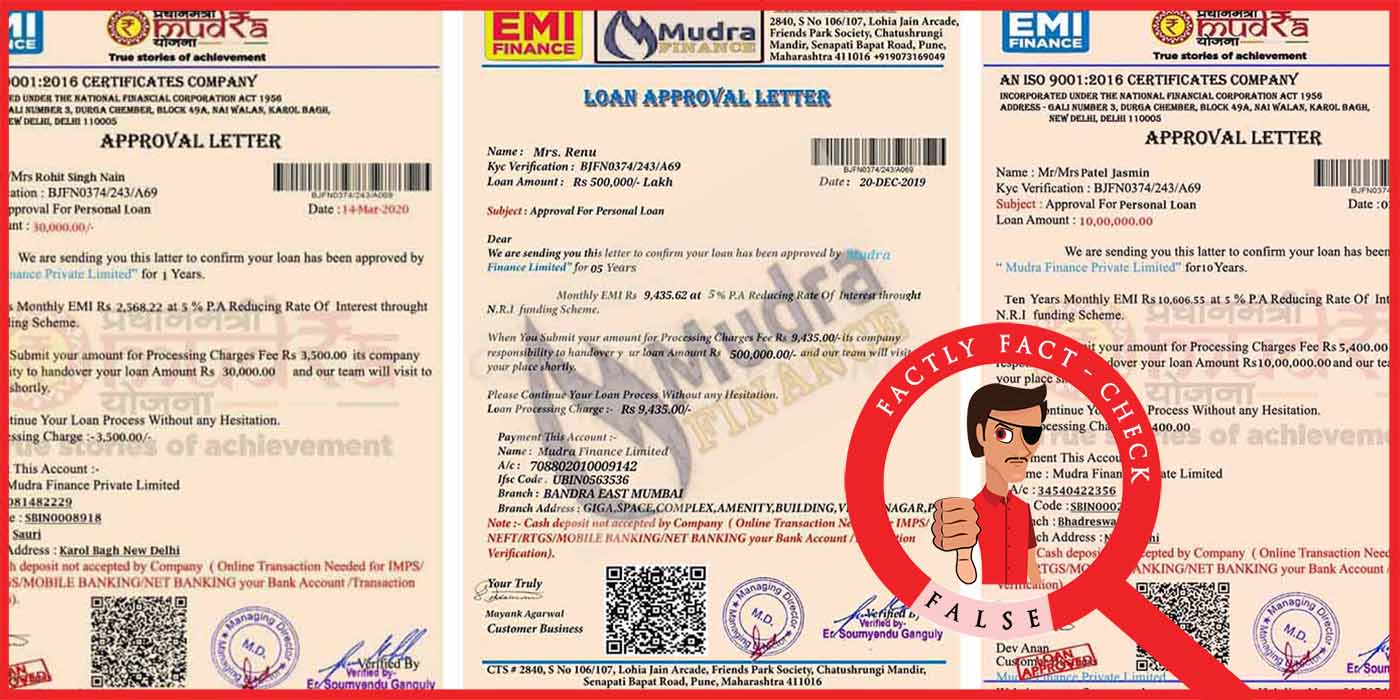
MUDRA Loan Approval Letters asking borrowers to pay legal charge/processing fee for loan disbursement.
Publisher’s rating: FALSE
FACTLY investigated purported MUDRA loan approval letters that said borrowers had to pay a processing fee or legal charge before receiving the loan. It examined documents sent to its WhatsApp helpline and found a similar letter on a Facebook page named “Pradhanmantri Mudra Yojna.” The review describes checking the letters’ details against MUDRA information and comparing features across examples. The review reports that the letters used varying letterheads, logos and watermarks, and that the same signature appeared under different names. It also says the named “Mudra Finance Private Limited” and “Mudra Finance Limited” were absent from MUDRA’s list of partner institutions, and that the “National Financial Corporation Act 1956” cited in a letter did not exist. These discrepancies undermined the letters’ claims of official authorization. The requested charges also varied between letters even when the loan amount was the same. FACTLY contrasted that with information it found on MUDRA’s website about lenders’ fee practices, including that most banks waived Shishu-loan processing charges, and with SBI’s stated charges for Shishu, Kishore and Tarun loans. The review further reports inconsistent account details, addresses and phone numbers, and says a person contacted by FACTLY demanded a deposit to release the loan. On this evidence, the review concluded the letters were fake.

Coca-Cola regala neveras edición limitada por tu cumpleaños
Publisher’s rating: Falso



‘మోదీ ప్రభుత్వ హయాంలో లో 2600 కోట్ల డాలర్ల చైనా పెట్టుబడులు భారతదేశంలోకి వచ్చాయి
Publisher’s rating: FALSE

‘British Airways’ తమ విమానయాన సంస్థను మూసివేస్తునట్టు ప్రకటించింది.
Publisher’s rating: FALSE

British Airways’ is shutting down its flight operations
Publisher’s rating: FALSE
The claim concerned a video circulating on Facebook in which a narrator said “Goodbye” and “Thank You” to British Airways customers. The review distinguishes the airline’s staff cuts and restructuring during the COVID-19 period from a shutdown of its flight operations: it reports that the airline had not announced that it was ending operations, and that it had said it looked forward to welcoming customers back. To check for an official shutdown announcement, the review says it searched British Airways’ official social media accounts for the video and checked the airline’s website for a notice or press release. It found the video on neither the official accounts nor a shutdown announcement on the website. The review also notes that flight bookings remained available and that British Airways had recently taken delivery of two Boeing 787-10 aircraft. The video’s description referred to the airline applying to dismiss all staff from 15 June 2020. The review places that in the context of reported workforce changes: a BBC report described a planned restructuring involving up to 12,000 redundancies and changes to remaining staff’s terms and conditions; a later report cited by the review said 350 pilots had been sacked and 300 placed in a rehire pool. Those reports concern jobs and restructuring, not a stated end to flight operations. The review also points to a British Airways video posted on 20 June saying it looked forward to welcoming customers back.

జులై 2014 – జులై 2020 మధ్య పెట్రోల్ ధర కేవలం రెండు రూపాయలు మాత్రమే పెరిగింది
Publisher’s rating: MISLEADING

Eurostat desvela que el desempleo aumentó aquí diez veces más que la media europea
Publisher’s rating: Engañoso
കോവിഡ് ദുരിതാശ്വാസമായി സർക്കാർ 2000 രൂപ നൽകുന്നു
Publisher’s rating: FALSE
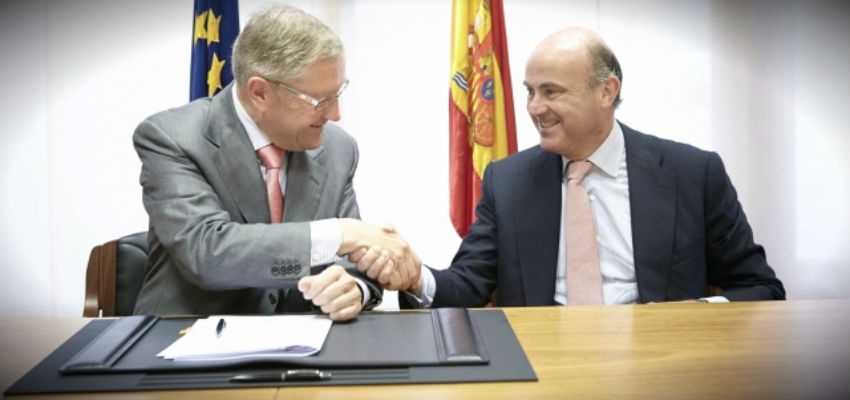
«La Spagna nel 2012 ha preso il Mes ed è uscita dalla crisi meglio di noi»
Publisher’s rating: Vero
The review assesses two factual parts of Enrico Letta’s statement: whether Spain used the European Stability Mechanism (ESM) in 2012, and whether Spain’s recovery from the crisis compared favorably with Italy’s. It cautions that the evidence cannot establish that ESM assistance caused Spain’s subsequent performance: many factors could have shaped the economy, and the review says that testing such a causal link is effectively impossible. Spain requested ESM assistance in July 2012 amid rising borrowing costs and a banking crisis linked to property loans. The ESM made up to €100 billion available for bank recapitalization, but Spain ultimately used €41.3 billion, paid to the Spanish government in two tranches. The assistance came with conditions to strengthen and reform the banking sector. Spain left the assistance program in January 2014 and began repaying the loan early in July that year. To compare recovery, the review examined GDP, employment and unemployment from 2010 through 2019. Spain’s GDP, indexed to 100 in 2010, fell to 94.9 in 2013 and reached 110.5 by 2019; Italy’s fell to 95.9 and reached 100.6 in 2019. Spain’s employment rate rose from 54.8 percent in 2013 to 63.3 percent in 2019, compared with Italy’s 55.5 to 59 percent. Unemployment provides a qualification: it remained higher in Spain in 2019, at 14.1 percent versus Italy’s 10 percent, though it had fallen further from Spain’s 2013 peak. Taken together, the review found that Spain had used ESM support and performed better than Italy on the recovery measures it examined, while not attributing that performance to the assistance.
ബംഗ്ലൂരില് ജനങ്ങള് ഇന്ധന വില വര്ധനക്കെതിരെ പ്രതിഷേധിച്ച് പെട്രോള് പമ്പ് തകര്തുന്നത്തിന്റെ ദ്രിശ്യങ്ങള്.
Publisher’s rating: FALSE

The federal government will be providing ₹ 2,000 relief fund to each citizen of the country
Publisher’s rating: FALSE
FACTLY examined a social-media message promising a ₹2,000 relief payment to each citizen, which directed readers to a link to claim the money. The review says that the link led to a website at india-relief-funds.blogspot.com, rather than a government domain. The site displayed an apparent count of remaining relief packages and offered several amounts, but the review found that these features did not behave like a genuine, finite government benefit. The investigation describes checking the site repeatedly and following its claim process. The displayed number of available packages stayed at 1,936 regardless of how many times the site was visited. Choosing an amount led to a survey about how the user would spend ₹2,000, even when a different amount had been selected. After the survey, purported beneficiary comments, names, timestamps, likes and comment counts also remained unchanged across visits. These checks indicated that the page’s scarcity display and testimonials were not reliable evidence that people were receiving government payments. The site then asked users to share it in WhatsApp groups to obtain the supposed benefit. FACTLY considered that step unlikely for a government scheme and concluded that the government was not providing the promised ₹2,000 to every citizen. The review’s conclusion concerns the specific website and message it examined; its described evidence is that the link and its claim process were dubious, not that it independently assessed every government relief program.

Fact Check : ශ්රී ලංකාවේ නිශ්පාදිත බෆල් රථ 500ක් ඇමරිකානු හමුදාවට ලබා දීමට සියල්ල සූදානම් යනුවෙන් ව්යාජ ෆේස්බුක් සටහනක්! | Sri Lanka is ready to export 500 Unibuffels to USA
Publisher’s rating: Misleading
The review investigated a Facebook post claiming that 500 Unibuffel armoured vehicles made in Sri Lanka were ready to be supplied to the U.S. military. It says the post circulated on Facebook pages and groups, and that the reviewers checked it because they found no reporting of such a supply arrangement. The investigation instead found that nine vehicles had been sent to Mali for peacekeeping operations.
One can identify Chinese products by the barcode printed on it.
Publisher’s rating: Claim is misleading, it's not always true that if barcode prefix is 690 to 699 means product is from China.