PeakMetrics / Fact Checks
Economy & business fact checks
Explore claims publishers have checked about economy & business. Read their original ratings and follow the evidence.
Search fact checks
Search by text or image7,096 published reviews in this topic
"You've got to remember, fossil fuels are your nation's largest export."
Publisher’s rating: Doesn't stack up
In an ABC TV Insiders interview, Nationals leader Barnaby Joyce argued that fossil fuels were Australia’s largest export and that removing them would lower living standards. The investigation tested the export-ranking claim using Australian trade data, rather than treating Joyce’s assertion as established fact. The review reports that the Department of Industry, Science, Energy and Resources did not publish fossil fuels as one commodity class. It estimated their combined value using an agreed definition covering coal, oil and gas. For 2020–21, it calculated about $80.7 billion in fossil-fuel exports, compared with $152.6 billion in iron ore exports. It also noted that fossil-fuel exports had been worth more in earlier years, so the comparison depended in part on the year examined. The review then considered how products are grouped. DFAT’s latest available comparison ranked iron ore first and coal, counted as one product, second. In the review’s analysis of ABS data across three financial years, iron ore remained the largest export; coal ranked second when its types were combined. But metallurgical and thermal coal serve different purposes and face different markets and prices. When counted separately, the review placed LNG second, while metallurgical and thermal coal ranked seventh and eighth in 2020–21. This makes Joyce’s broad grouping of varied fossil-fuel products consequential to the comparison, rather than a straightforward ranking of individual exports.
Dies ist ein offizielles Gewinnspiel.
Publisher’s rating: Es handelt sich um ein Fake-Gewinnspiel.
The claim concerns a Facebook promotion offering free cinema admission under the name “Cineplexx Österreich.” The review found that the profile running it was not Cineplexx’s official social-media account. Cineplexx Austria had also addressed the circulating promotion on its own official Facebook page, warning users not to interact with it. The review identifies the official account by its verification badge, distinguishing it from the profile behind the giveaway. (S1: “Ein Gewinnspiel wirbt auf Facebook (hier archiviert) mit kostenlosem Eintritt in den Kinosaal.”; “Allerdings handelt es sich bei dem Facebook-Profil namens «Cineplexx Österreich» nicht um den offiziellen Social-Media-Auftritt des Unternehmens.”; “Cineplexx Österreich bezog auf deren offiziellem Facebook-Profil bereits Stellung zu dem kursierenden Gewinnspiel. Es handle sich um ein Fake-Gewinnspiel, mit dem User nicht interagieren sollten.”; “Der offizielle Facebook-Auftritt von Cineplexx Österreich ist verifiziert und an dem weißen Häkchen auf blauem Grund zu erkennen.”) The review also points to features of the giveaway profile that undermine its claimed official status: it had been created only recently, had no imprint, and had published no other posts. These are described as signs associated with fake giveaways, and they reinforce the distinction between the promotion’s account and the company’s verified account. The review says dpa had previously obtained relevant information about fake giveaways by email, but the excerpt does not specify what information was confirmed in this instance. (S1: “So wurde das Profil erst vor kurzem - am 16. Oktober 2021 - erstellt, führt kein Impressum an und hat ansonsten keine Beiträge publiziert.”; “Darüber hinaus ließ sich die Deutsche Presse-Agentur maßgebliche Informationen bereits bei früheren Fake-Gewinnspielen auch per Mail bestätigen.”)

FACT CHECK: Damocles නවතම දත්තවලට අනුව ශ්රී ලංකාව ආර්ථිකමය වශයෙන් කඩා වැටෙන රටවල් අතර පළමු ස්ථානයේද ?
Publisher’s rating: Misleading

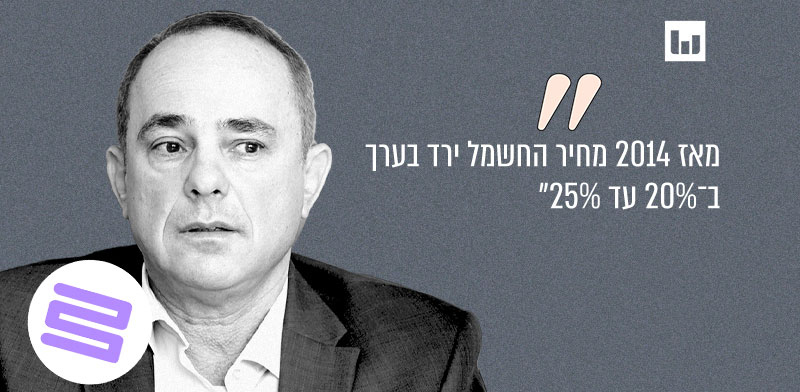
"מחיר החשמל ירד בחמש-שש שנים האחרונות, מאז 2014, בערך ב-20% עד 25%"
Publisher’s rating: מטעה
Yuval Steinitz, Israel’s former energy minister, said in a September 2021 radio interview that electricity prices had fallen by roughly 20%–25% since 2014. The review checked household electricity tariffs, comparing the 2013–14 peak of about 54 agorot per kilowatt-hour with the 2021 tariff of 43.3 agorot. That comparison does show a decline of roughly the size he cited; the review’s objection is that starting at the peak gives a misleading account of the longer trend. (S1: “תעריפי החשמל הביתי בישראל הגיעו לשיאם ב-2013 ו-2014, אז תומחר קילו-וואט שעה (קוט"ש) ב-54 אגורות (לפני מע"מ). אם משווים את המחיר הזה למחיר שנגבה כיום מהצרכן, שעומד על 43.3 אגורות, אכן מגלים ירידה של כמעט 25%”) The review places that peak in a specific supply disruption. It says that after repeated damage to the gas pipeline through Sinai, Egypt cancelled its gas supply agreement with Israel in 2012. With less natural gas available, the Israel Electric Corporation relied mainly on diesel, which the review describes as costing more than five times as much as natural gas. The price rise was therefore tied to an exceptional event, rather than being a representative starting point for the broader trend. (S1: “לאחר פיצוצים חוזרים ונשנים בצינור הגז שעבר בסיני ביטלו המצרים את ההסכם, וחברת החשמל נותרה ללא מקור חשוב לאספקת גז”; “בהיעדר גז טבעי, עברה חברת החשמל לייצר חשמל בעיקר באמצעות סולר שעלותו הממוצעת גבוהה ביותר מפי חמישה מגז טבעי.”) The review also notes that prices before the disruption were similar to, or below, those paid after the subsequent decline. It reports that tariffs were 41.32 agorot per kilowatt-hour in 2010, rose to 50.83 in 2012, and reached 54.03 in 2013–14. Gas from the Tamar field began reaching Israel in 2013, and the review says the household tariff fell to 45.6 agorot by the end of 2015 and remained at broadly similar levels thereafter. Its conclusion is that the claimed percentage decline is arithmetically plausible when measured from 2014, but omits the exceptional cause of that high starting price and the longer-term comparison. (S1: “בשנת 2010 התעריף הבייתי היה 41.32 אג', לאחר מכן בשנת 2011 הוא עלה ל-46.93 אג' והמשיך לעלות עוד גם בשנת 2012 (50.83) עד לשיא ב-2013-2014 כשהמחיר עמד כאמור על 54.03 אג' לקוט"ש.”; “ב-2013 שוב אירעה התפתחות חיצונית חשובה. מאגר הגז הישראלי תמר החל לפעול”; “מאז נשאר התעריף ברמות דומות פחות או יותר, וב-2021 הוא עומד, כאמור, על 43.3 אגורות.”)
“Terry McAuliffe’s new proposals will cost the average Virginia family over $5,000. … Terry’s new tax would actually be the largest tax increase in Virginia history.”
Publisher’s rating: Four Pinocchios
DSWD is sending out P10,000 cash aid via Palawan Express
Publisher’s rating: Fake

Southwest Airlines canceló vuelos por falta de pilotos y controladores aéreos debido al mandato de vacunación de Biden
Publisher’s rating: Falso/ No hay evidencias

FACT CHECK: ගෑස් මිල ඉහළ යාම සම්බන්ධයෙන් ජවිපෙ නායකයා පැවසූ බවට පළවන ව්යාජ සටහන් පෙළක්.
Publisher’s rating: False

अमूल की 75वीं वर्षगांठ को लेकर वायरल हो रहा सर्वे लिंक
Publisher’s rating: FALSE
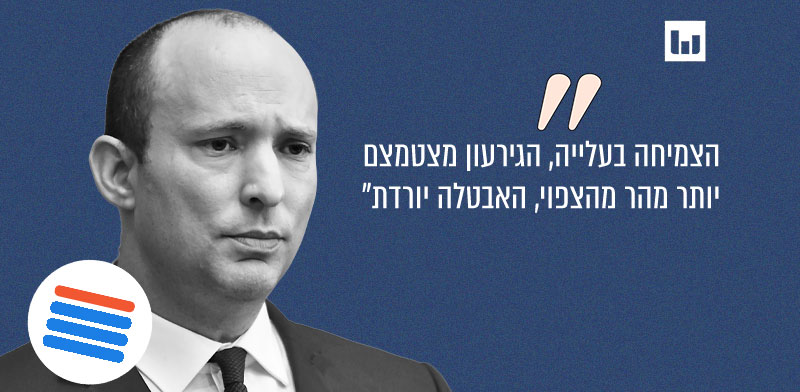
הצמיחה בישראל בעלייה, הגירעון מצטמצם, האבטלה בירידה
Publisher’s rating: נכון ברובו
The Globes investigation checked Prime Minister Naftali Bennett’s October 4, 2021 statement at the opening of the Knesset winter session. It compared available economic indicators with the claim that growth was rising, the deficit was shrinking, and unemployment was falling. The picture was mixed: the review found support for a shrinking deficit, but said the broad unemployment measure did not show a clear downward trend, while the latest official growth figures did not yet cover Bennett’s time as prime minister. For unemployment, the review considered three measures used by Israel’s Central Bureau of Statistics during the pandemic: people without work who were looking for work, those temporarily absent from work because of COVID-related unpaid leave, and people who had left the labor force. The latest figures available at the time, for the first half of September, were better than those for the second half of June, but the trend was not continuously downward. For broad unemployment, the count rose slightly between the second half of August and the first half of September, from about 334,000 to about 338,000; the Bank of Israel’s research department described the broad rate as stable. On growth, the last official GDP estimate then available showed 16.6% annualized growth in the second quarter, but the review noted that Bennett became prime minister only near the end of that quarter. The Bank of Israel raised its 2021 growth forecast from 5.5% to 7% three days after his speech, which supported an expectation of growth but was not an official result for a quarter fully under his government. On the deficit, Ministry of Finance figures showed the cumulative deficit-to-GDP ratio falling from 12.4% in February to 8% in August; the review linked the sharper August decline in part to tax receipts and lower economic-assistance spending.
Die Grünen sind für die "hohen" Spritpreise verantwortlich.
Publisher’s rating: Die Behauptung ist falsch. Die hohen Preise für Rohöl und der seit Beginn des Jahres erhobene Preis pro Tonne CO2 ließen zuletzt die Spritpreise steigen.
The review examined a Facebook post linking the Greens’ election result to higher petrol and diesel prices at German filling stations. It found that the increase could not be attributed to the Greens alone: the carbon price that affected fuel costs arose from a climate-law change passed by a Bundestag majority, and the review notes that the Greens held only 69 of the legislature’s 709 seats in the preceding parliamentary term. This supports the narrower point that other parties’ members must also have voted for the change. The review says a carbon price of €25 per tonne took effect on 1 January 2021 and applied to companies trading in fuels including petrol and diesel. It explains that the added costs were passed on to consumers. It also reports that further increases had already been set: up to €55 per tonne by 2025, with a €55–€65 range for 2026. The review identifies a separate pressure on fuel prices: more expensive crude oil. It attributes the rise in oil prices to recovering demand as the economy recovered from the pandemic, alongside constrained supply, including production cuts by Opec+. It also cautions that prices varied substantially by region and that the prices shown in the post’s photograph were toward the higher end of the range in the first half of October. Thus, the post’s attribution omitted both the role of other parties in the carbon-price legislation and the separate crude-oil market factors described in the review.


SBI and Amul are conducting contests to gift 50,000 rupees and 6,000 rupees each, on their 200th and 75th anniversary respectively
Publisher’s rating: FALSE
The claim concerned purported online contests offering ₹50,000 in SBI’s name and ₹6,000 in Amul’s name, said to mark their 200th and 75th anniversaries. FACTLY investigated the websites advertising the offers, rather than finding evidence that the companies had authorized anniversary campaigns. It concluded that the sites were fraudulent and that the claim that the companies were conducting the contests was false. For the SBI offer, FACTLY says it found no details of a ₹50,000 contest on SBI’s official website. It also compared the official SBI website with the contest site and checked the domain information: the site used the domain v0s.com, which the review says was registered in China in November 2003 and had no connection to SBI. The review additionally reports that it found no news coverage of the supposed contest. For the Amul offer, FACTLY reports finding no such contest on Amul’s official website and cites Amul social-media posts calling the ₹6,000 questionnaire a fake message. Amul also said it was not organizing the campaign and asked people not to click the link. The review says the site used the domain preferabletask.xyz, registered in May 2021, and had no connection to Amul. Together, these checks support the review’s conclusion that the websites impersonated the companies; the excerpt does not establish that either company was running the advertised contests.


Dans un SMS envoyé à un client, Transavia aurait affirmé que le prix des billets de vols vers l'Algérie sont décidés en association avec les autorités algériennes.
Publisher’s rating: La compagnie aérienne Transavia a tenu à démentir le contenu de ce « SMS » : « Le contenu de ce SMS est inexact », a précisé Transavia.
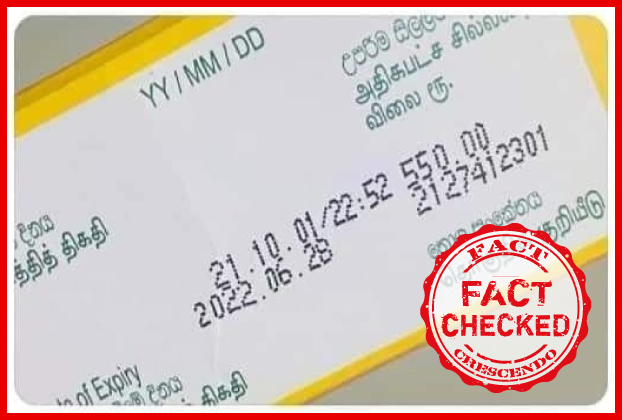
FACT CHECK: කිරිපිටි මිල ඉහළ දැමීමට පෙර සිටම මිල ඉහළ දැමූ කිරිපිටි වෙළඳපොළේ?
Publisher’s rating: Misleading
تحریم ها علیه ایران تاکنون حداقل ۱۰۰۰ میلیارد دلار به اقتصاد ایران خسارت زده است.
Publisher’s rating: غیرقابلاثبات

"We now have the fastest growth in the G7"
Publisher’s rating: He's right on the recent trend, but the picture looks less rosy if you take a longer view.