PeakMetrics / Fact Checks
Economy & business fact checks
Explore claims publishers have checked about economy & business. Read their original ratings and follow the evidence.
Search fact checks
Search by text or image7,096 published reviews in this topic
Wer Enten richtig zählt, kann von Lidl 1000 Euro gewinnen.
Publisher’s rating: Dies ist kein seriöses Gewinnspiel. Es stammt auch nicht von Lidl. Das Logo der Handelskette wird missbräuchlich verwendet.
The claim concerns a Facebook post promising €1,000 to someone who correctly counts ducks, while using Lidl’s branding to appear authentic. The review describes the post’s wording as asking how many ducks were in the image and promising a prize from “Lidl Deutschland.” It also notes a mismatch: the page purportedly belonged to Lidl Switzerland while promoting a German Lidl giveaway. The review says the German company had already denied launching such a promotion: “Die Deutsche Presse-Agentur hat bereits widerlegt, dass «Lidl Deutschland» ein solches Gewinnspiel lanciert hat.” The investigation points to the Facebook page’s history as evidence against its claimed identity. Facebook’s “Seitentransparenz” information showed that the purported Lidl Switzerland page had adopted that name only at the end of September 2021, after previously using an unrelated title. By contrast, the review says the official Swiss Lidl page had existed for years and displayed Facebook’s verification badge. Lidl Switzerland also told Keystone-SDA that the giveaway was not connected to the company: “Das Gewinnspiel steht in keinem Zusammenhang mit Lidl Schweiz”, said its communications director, Corina Milz. The review further describes a registration path that did not fit the apparent offer: users were urged to register, passed through a page in German and Dutch with no imprint, and reached a form requesting their name and email address. At that point, the promised prize had changed from €1,000 to €500. The review says the imprint information on the final page had no connection to Lidl Switzerland and that the purported Facebook page did not identify who operated it. These discrepancies, together with the company’s denial and the page-history evidence, support the finding that the post was not an authentic Lidl promotion.
Lidl verteilt Glücksumschläge mit Geld an alle Kunden.
Publisher’s rating: Dies ist kein glaubwürdiges Gewinnspiel. Es stammt auch nicht von Lidl. Das Logo der Handelskette wird missbräuchlich verwendet.
The claim concerns a Facebook post depicting envelopes and promising money to customers who selected a number in the comments. The investigation identified the post as a purported Lidl Switzerland promotion: it said the page and logo were meant to make users believe Lidl Switzerland had launched the giveaway. Lidl Switzerland’s communications representative, Mathias Kaufmann, told Keystone-SDA that the promotion “has no connection with Lidl Switzerland.” The review describes several checks of the page and image. The envelopes’ Lidl logos had been digitally added to the photograph. Facebook’s page-transparency information showed that the page and giveaway post were created on the same day, and the page had no other posts or offers. The review also compared it with the page linked from Lidl Switzerland’s official website: that was a different, verified Facebook page, where the alleged offer did not appear. The review further notes that the fake page did not identify who operated it or provide participation terms, unlike the official page. Together with Lidl Switzerland’s denial and the mismatched page and image details, the evidence supports the conclusion that this was not a genuine Lidl giveaway. The reviewed post therefore does not establish that Lidl was distributing money envelopes to its customers.

"We have done 68 free trade deals, and that great free trade deal with our friends in the EU"
Publisher’s rating: He's right but nearly all of these are "rollover deals".

היה ידוע שקרן העושר תתחיל להתמלא בצורה משמעותית רק אחרי 10 או 12 שנים
Publisher’s rating: לא נכון
"Wages are going up faster than before the pandemic began"
Publisher’s rating: While the most recent figures exaggerate the growth in wages, Office for National Statistics analysis that tried to strip out the distortions suggests that Mr Johnson was probably correct.

Tata groups gifts for their anniversary celebration
Publisher’s rating: Fake
ممنوعیت واردات لوازم خانگی یکی از سیاستهای اصلی کره جنوبی بود و هنوز هم محدودیتها در کره ادامه دارد.
Publisher’s rating: شاخدار
The Philippines was the second richest country, next to Japan, during the Marcos era
Publisher’s rating: False
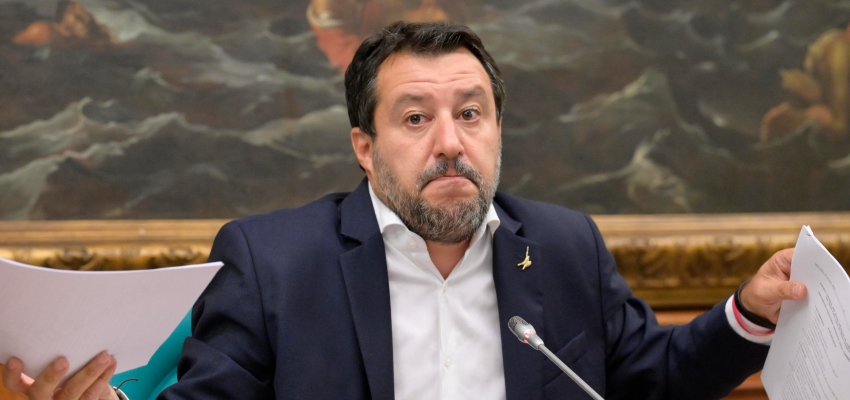
«L’Imu oggi pesa per 22 miliardi. E la tassa sulla casa arriva a cubare 40 miliardi»
Publisher’s rating: C'eri quasi

"השיעור של האבטלה בקרב הצעירים בה (הוא) כ-40%"
Publisher’s rating: לא נכון

ফেচবুক, টুইটাৰ আৰু হোৱাটছএপত এটা বাৰ্তা ভাইৰেল হৈ আছে। বাৰ্তাটো টাটা কোম্পানীয়ে ‘বাৰ্ষিকী উদযাপন’ অনুষ্ঠানৰ নামত ভাইৰেল কৰি তুলিছে। ই দাবী কৰে যে টাটা কোম্পানীয়ে মানুহক ১৫০ তম বাৰ্ষিকী উপলক্ষে গাড়ী জিকাৰ সুযোগ দিছে। ইয়াৰ সৈতে এটা লিংকও ভাগ বতৰা কৰা হৈছে।
Publisher’s rating: FALSE

TATA Group as part of their 150th anniversary celebrations is conducting an event in which participants stand a chance to win a car
Publisher’s rating: FALSE
The claim concerned a link shared on social media that purported to lead to a Tata Group 150th-anniversary contest, where participants could win a car. FACTLY concluded that Tata Group was not running the event. It reported that the group’s website had no information about such a promotion and that the group had publicly distanced itself from the circulating link. The fact-check therefore identifies the offer as a fraudulent use of Tata Group’s name, rather than a genuine anniversary campaign. FACTLY describes several checks behind its conclusion. It compared the link in the post with the address of Tata Group’s official website and found them different. It also says a keyword search led to a Tata Group tweet disavowing the link and warning the public against clicking it. The article describes the survey reached through the link: after answering questions, users were asked to share it widely to claim the prize. These findings point to a dubious phishing website, not an official contest. The anniversary framing was also misleading. FACTLY reports that Tata Group was established in 1868, placing its 150th anniversary in 2018—not at the time of the later claim. Taken together, the absence of an official event, the company’s disavowal of the link, the suspicious sharing requirement and the mismatched anniversary timing support the conclusion that the claimed car giveaway was not a Tata Group promotion.
В Украине вся пенсия уходит на оплату коммунальных услуг
Publisher’s rating: Намеренно созданный фейк
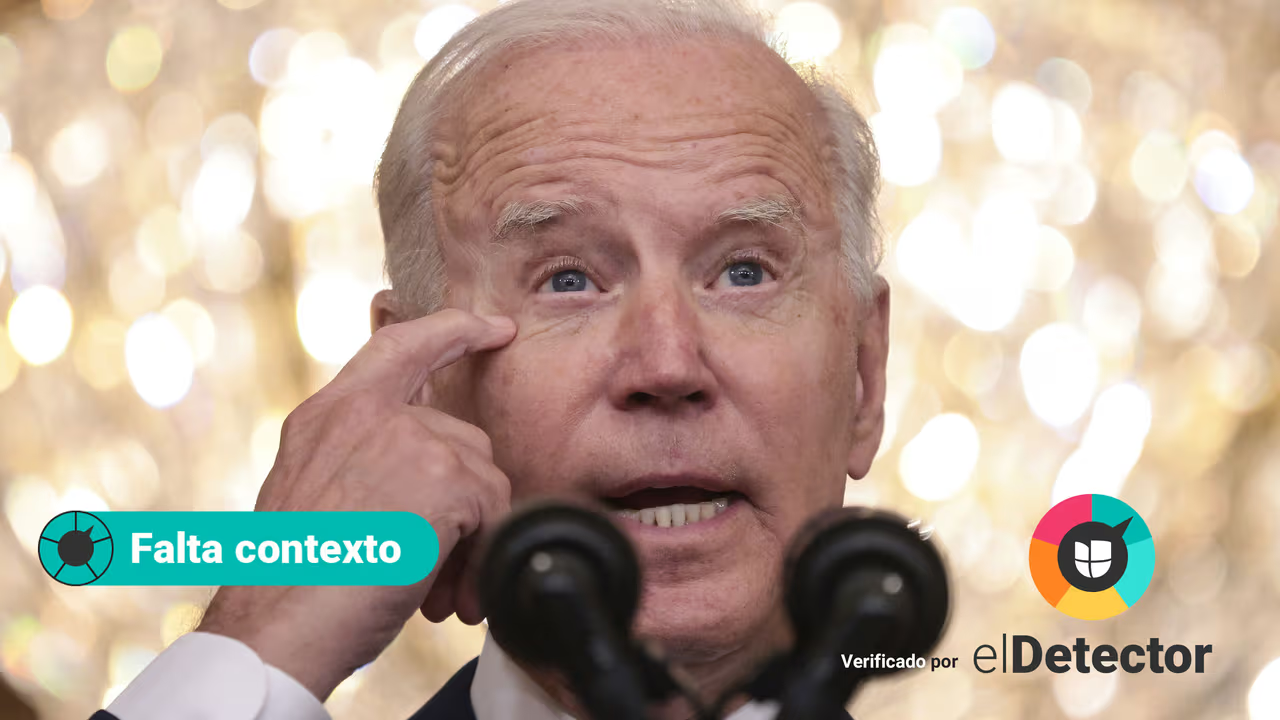
La creación de empleo reciente en EEUU se debe solo al Plan de Rescate
Publisher’s rating: Falta contexto
“Let me tell you about Glenn’s experience here. He took 300 jobs out of Virginia when he was the CEO. He closed the Arlington office, moved them to another state.”
Publisher’s rating: Mostly false
The Philippine peso exchange rate during Marcos’ term from 1965 to 1985 was P2.00 to US$1.00.
Publisher’s rating: False

FACT CHECK: ඕස්ට්රේලියාවේ ආහාර හිඟයක්… ජනතාව ආහාර සලාක ක්රමයට ගැනීමට පෝලිම් වල …..?
Publisher’s rating: Misleading
The Philippine economy dropped during Corazon Aquino’s term
Publisher’s rating: Needs Context
میانگین رشد اقتصادی کشور در ۸ سال گذشته، تقریبا صفر است.
Publisher’s rating: نیمهدرست