PeakMetrics / Fact Checks
Economy & business fact checks
Explore claims publishers have checked about economy & business. Read their original ratings and follow the evidence.
Search fact checks
Search by text or image7,093 published reviews in this topic

Video of a FASTag scam showing smartwatches scanning FASTags and swiping money from them
Publisher’s rating: FALSE
The claim concerns a video in which a boy appears to scan a car’s FASTag with a smartwatch while pretending to clean its windshield. The review says the video was presented as showing a new way to steal money from FASTags. It concludes that the alleged scam shown in the video is not real: FASTag transactions cannot be initiated by unauthorized devices in the manner depicted. The review explains that the NETC FASTag network supports person-to-merchant transactions, not person-to-person transfers. It says that merchants such as toll and parking plazas must be registered with NPCI, and that onboarded merchants are geolocated and assigned unique plaza codes. On that basis, the review says unauthorized devices cannot initiate FASTag transactions. It also reports that NPCI, Paytm, NETC FASTag and the Press Information Bureau issued statements rejecting the video’s claim; the excerpt does not reproduce the full statements. The review also investigated the video’s provenance. It reports that the clip first appeared on the Facebook page BakLol on 24 June 2022, was later deleted, and was part of a page that regularly posted scripted entertainment videos. The review identifies the clip as scripted drama, rather than evidence of an actual FASTag theft method.

ඔක්තෝබර් වන විට ලංකාවේ අර්බුදය තව දරුණු අතට !!මංකොල්ල කරුවන් බවට පත්වන දුප්පතුන්ගෙන් ධනය ආරක්ෂා කර ගන්න සුදානම් වන්න !!ඕස්ට්රේලියානු Economic Times සගරාවෙන් ධනවතුන්ට සහ මධ්යම පන්තියට අනතුරු ඇගවිම් !!
Publisher’s rating: Misleading
The post attributed a set of alarming predictions about Sri Lanka to an Australian publication called Economic Times, allegedly in an article by Dr. P.H. Hamdeen and Martin Luke dated 22 April 2022. It forecast worsening economic and social conditions by October, including shortages, job losses, rising fuel prices and, in particular, poor people becoming organized robbers who would threaten the property and safety of wealthier households. The review examined whether the cited magazine, authors and article were genuine, rather than verifying each forecast as a prediction of future events. (The post’s wording and attribution are reproduced in the review.)

SSS monthly pension for elderly hiked by P1,000
Publisher’s rating: Misleading
ഫാസ്ടാഗ് വാലറ്റില് നിന്നും ഡിജിറ്റല് തട്ടിപ്പ് വഴി പണം നഷ്ടപ്പെടാന് ഇടയുണ്ട്
Publisher’s rating: FALSE

MAIOR ACIONISTA DA PETROBRAS, É O FILHO DO LULA
Publisher’s rating: Falso


37º aniversário da Emirates. Através do questionário, você terá a chance de obter 1000 REAL.
Publisher’s rating: Falso

కొత్తగా స్మార్ట్ వాచ్ల ద్వారా మన ఫాస్ట్ట్యాగ్ ఎకౌంటు నుండి డబ్బులు దోచుకునే స్కామ్ జరుగుతుంది
Publisher’s rating: FALSE
Die Teilnehmer des Weltwirtschaftsforums 2022 in Davos sind mit 1500 Privatjets zur Konferenz angereist.
Publisher’s rating: missing context
Coffee and mixture cost Rs. 47 crores in Water and land development project meeting. Is the price of an LED bulb Rs. 10 thousand? Rs 1 crore fraud. We are 40 years ahead of North Indians in the Dravidian model regime. Tamil Nadu will become another No.1 rich state. That’s the reason behind the increase in price.
Publisher’s rating: Fake

Claim: explainer for the narrative related with led bulbs purchase in theni district
Publisher’s rating: FALSE
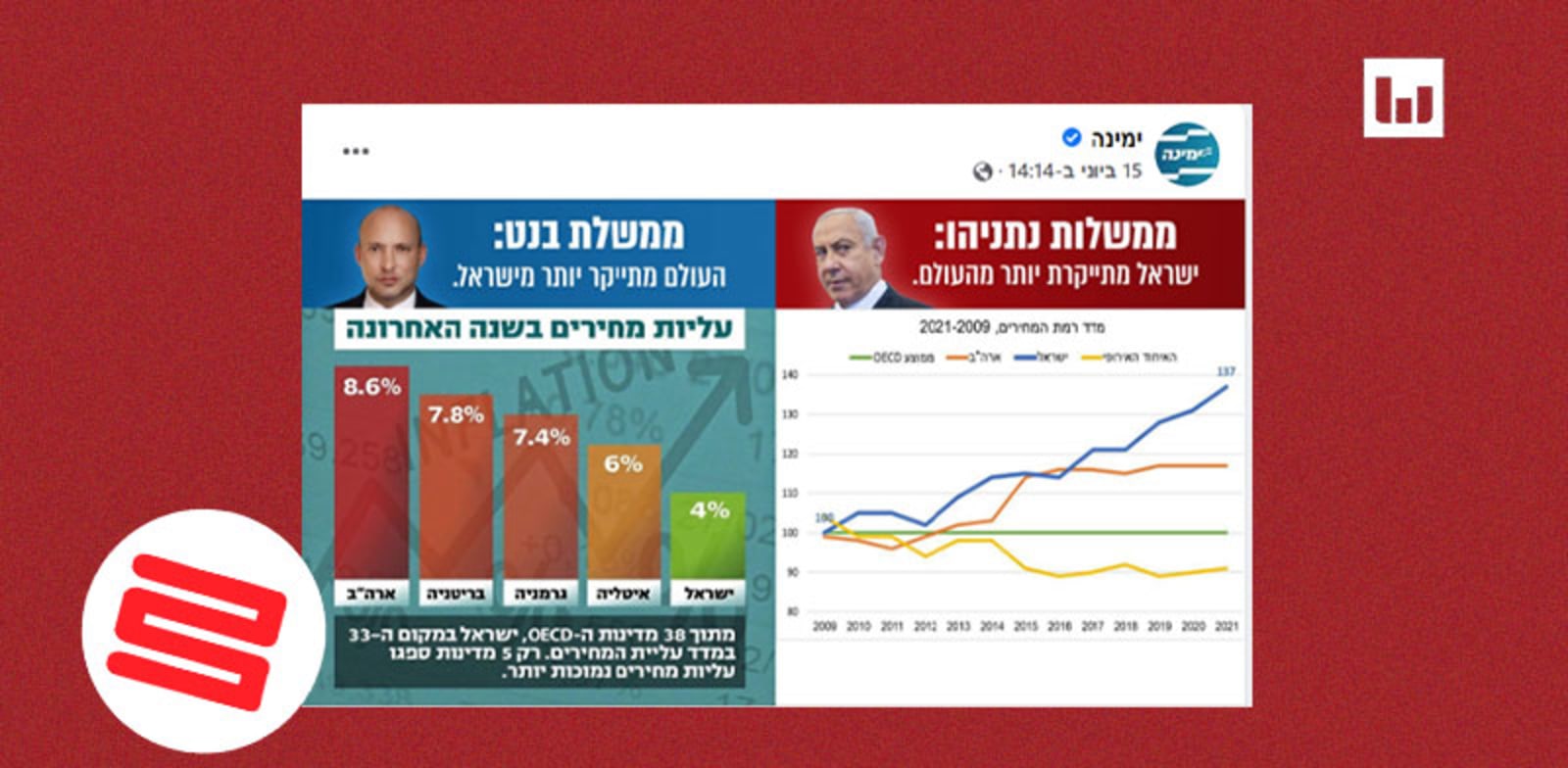
ממשלת נתניהו: ישראל מתייקרת יותר מהעולם; ממשלת בנט: העולם מתייקר יותר מישראל
Publisher’s rating: מטעה
The review examined a Yamina Facebook post that used two graphs to suggest that prices in Israel rose more than elsewhere under Benjamin Netanyahu, but less than elsewhere under Naftali Bennett. Its central finding was that the post compared different measures: the Netanyahu graph showed the relative level of prices, while the Bennett graph showed changes in the consumer price index (CPI). The review said that comparing the two periods this way did not establish that one government performed better. 【S1: “הפרסום משווה בין שני דברים שאינם שווים: ביחס לממשלת נתניהו, מופיע ‘מדד רמת המחירים’, בעוד שאצל ממשלת בנט מופיע השינוי במדד המחירים לצרכן.”】 To test the comparison using the measure presented for Bennett, the review examined CPI changes in Israel and the OECD during Netanyahu’s years in office. It reported that from 2012 through 2021, Israel’s CPI increase was below the OECD figure in every year except 2013, when the figures were equal. It also noted that the post’s claim about Israel’s ranking was not a unique result: the review said Israel had achieved a similar standing in 2015, generally better results in subsequent years other than 2019, and the lowest price increase among OECD countries in 2017. 【S1: “מאז 2012 ועד 2021, בכל השנים שיעור עליית מדד המחירים לצרכן היה קטן מה-OECD (למעט ב-2013, אז הנתון היה זהה).”】【S1: “ב-2017 עליית המחירים בישראל הייתה המתונה ביותר בעולם”】 The measures answer different questions. The price-level index compares how costly a basket is across countries, using purchasing-power parity and a common currency; the CPI tracks how the cost of a consumption basket changes over time in each country’s local currency. The review therefore concluded that the post’s like-for-like comparison was misleading, while also reporting that the choice of which measure best captures cost of living is disputed. 【S1: “מדד רמת המחירים, עונה על השאלה: מה אפשר לרכוש באותו סכום בדולרים בכל מדינה? לעומת זאת, המדד שמופיע תחת ממשלת בנט, עונה על השאלה: בכמה השתנה המחיר של סל צריכה לאורך זמן במונחי המטבע המקומי?”】
Beko verloot gratis koelkasten op Facebook.
Publisher’s rating: Dit is geen echte winactie van Beko. Er valt niets te winnen. Het gaat hier om een voorbeeld van phishing.
The claim concerned a Facebook post from a page called ‘Beko Nederland’ offering 540 working refrigerators with dents. The post asked people to share it, like it and comment. The review reports that the page was created on 22 June 2022, the same day the post appeared, and that the giveaway was its only post. It also notes that the page had 17 followers and used an old Beko logo; by comparison, Beko’s official page had a verification badge and nearly seven million followers. The review says the official page and Beko’s official channels contained no mention of the giveaway. The reported follow-up to commenters is also inconsistent with a genuine refrigerator raffle. They received a personal message saying they had won and needed to register to claim the prize. The registration page used a sites.google.com address, its Privacy, Terms and Cookies links did not work, and its link led to an unsecured page with no connection to Beko. That page advertised an iPhone 12 or Samsung Galaxy S21 instead of a refrigerator. The review describes this sequence as phishing intended to collect personal information through deception.

Starbucks otorga 3 horas de café ilimitado al pagar con su aplicación móvil
Publisher’s rating: Falso

ලිට්රෝ සමාගමේ අන්තර්ජාතික ගෑස් මිලදීගැනීමේ ක්රියාවලිය සහ නාගානන්දගේ චෝදනා !!
Publisher’s rating: Explainer

Wegen Steuern und Abgaben an den Staat sind die Benzinpreise im Juni 2022 so hoch.
Publisher’s rating: Gerade durch den Tankrabatt sind die Abgaben an den Staat im Juni 2022 geringer als 2008.
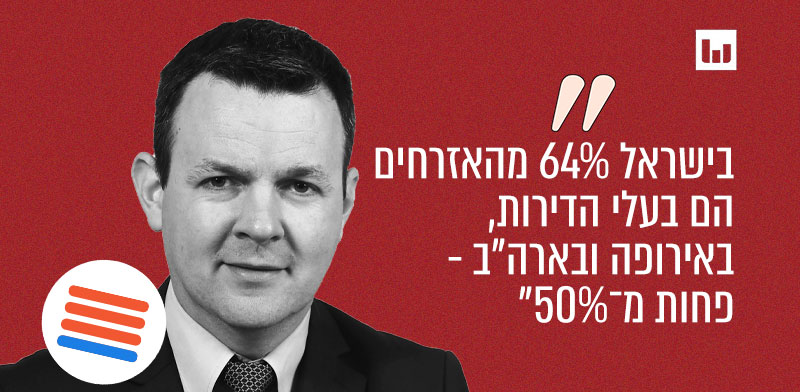
לפי הנתון שאנחנו נחשפנו אליו בכנסת, במדינת ישראל נדמה לי ש-64% הם בעלי הדירות, כשבאירופה זה פחות" מ-50%, ובארה"ב זה פחות מ-50%"
Publisher’s rating: לא נכון ברובו
The claim was made by MK Evgeny Sova in an interview on Kan Bet about homeownership: he said Israel’s rate was about 64%, while rates in Europe and the United States were each below 50%. The review checked the international comparison against published statistics, while noting that Israeli figures were broadly close to the number he gave. It reports that a December 2021 Central Bureau of Statistics release, based on its 2018–2019 long-term survey, found 67% of households lived in a home they owned or that was owned by a relative, compared with 31% renting. The article also cites a separate CBS comparison based on 2018 data, in which 66.5% of Israeli households lived in an owner-occupied home. The international figures contradict the claim that Europe was below 50%. In the CBS comparison, the European Union average was 69.3% of households living in their own home. The review also checked OECD data for 2019, and for some countries 2020: it reports an EU average of 74.7% and an OECD-wide average of 71.1%. These are different datasets and reference periods, but both place the EU figure well above the claimed threshold. For the United States, the review reports an OECD figure of 64.2%—lower than the EU figures, but still above 50%. It says Sova’s office was asked whether he had other data; the response was that he stood by his remarks and directed the reviewers to the CBS. Thus, while the Israeli estimate was close to the cited Israeli household statistics, the article’s cited comparisons do not support his claims about Europe or the United States.