PeakMetrics / Fact Checks
Economy & business fact checks
Explore claims publishers have checked about economy & business. Read their original ratings and follow the evidence.
Search fact checks
Search by text or image7,095 published reviews in this topic

לפי הנתון שאנחנו נחשפנו אליו בכנסת, במדינת ישראל נדמה לי ש-64% הם בעלי הדירות, כשבאירופה זה פחות" מ-50%, ובארה"ב זה פחות מ-50%"
Publisher’s rating: לא נכון ברובו
The claim was made by MK Evgeny Sova in an interview on Kan Bet about homeownership: he said Israel’s rate was about 64%, while rates in Europe and the United States were each below 50%. The review checked the international comparison against published statistics, while noting that Israeli figures were broadly close to the number he gave. It reports that a December 2021 Central Bureau of Statistics release, based on its 2018–2019 long-term survey, found 67% of households lived in a home they owned or that was owned by a relative, compared with 31% renting. The article also cites a separate CBS comparison based on 2018 data, in which 66.5% of Israeli households lived in an owner-occupied home. The international figures contradict the claim that Europe was below 50%. In the CBS comparison, the European Union average was 69.3% of households living in their own home. The review also checked OECD data for 2019, and for some countries 2020: it reports an EU average of 74.7% and an OECD-wide average of 71.1%. These are different datasets and reference periods, but both place the EU figure well above the claimed threshold. For the United States, the review reports an OECD figure of 64.2%—lower than the EU figures, but still above 50%. It says Sova’s office was asked whether he had other data; the response was that he stood by his remarks and directed the reviewers to the CBS. Thus, while the Israeli estimate was close to the cited Israeli household statistics, the article’s cited comparisons do not support his claims about Europe or the United States.
যেখানে একটা গরুর দাম ৬০ হাজার থেকে ১ লাখ পর্যন্ত সেই গরু এভাবে মরে পরে আছে। সিলেট বাসী কতোটা অসহায়
Publisher’s rating: False

सरकारने एक मोठा निर्णय घेतला आहे, सरकार बेरोजगार तरुणांना जगण्यासाठी दरमहा 6000 रुपये देणार आहे, प्रधानमंत्री रोजगार भट्ट योजना 2022 साठी नोंदणी सुरू झाली आहे, या योजनेअंतर्गत सर्व बेरोजगार तरुणांना दर महिन्याला राहण्यासाठी 6000 रुपये दिले जाणार आहेत. आहेत.
Publisher’s rating: FALSE
The claim says the central government began registration for a 2022 Prime Minister unemployment allowance scheme that would give unemployed young people ₹6,000 each month. Vishvas News investigated that specific viral post, which included a link directing people to register. Its review reports that it found no government announcement of such a monthly allowance and no government-issued registration form: “सरकारने बेरोजगार तरुणांना दरमहा ६००० रुपये बेरोजगार भत्ता देण्याचा निर्णय घेतला असेल, अशी कोणतीही बातमी आम्हाला कुठेही आढळली नाही.” The review also examined the link circulated with the post. According to its account, the linked page asked applicants to enter a Paytm, PhonePe, or Google Pay number, but did not request a name or other personal details in the described process. The reviewers compared the website address with the format they expected for government websites and reported that the link ended in “.blogspot.com,” not “.gov.in.” They concluded the page was not a government application site and that registering through it would not provide the allowance. Vishvas News also says it sent the viral message to cybersecurity expert Ayush Bhardwaj, identified in the review as a former IT adviser to the Rajasthan government’s public grievance committee. Bhardwaj characterized the post as false and warned that the link was a way to obtain users’ data. The review’s conclusion is that the central government was not operating the claimed scheme and had not issued its registration form.

Die Grünen sind schuld, dass die Benzinpreise derzeit so hoch sind.
Publisher’s rating: missing context

Claim: misleading being shared on the ban of indian wheat exports in united arab emirates
Publisher’s rating: FALSE

בישראל שכר המינימום מיועד להגיע ל-1,900 אירו בזמן שבגרמניה וצרפת הוא 1,630 ו-1,650 אירו
Publisher’s rating: לא נכון ברובו

टाटा मोटर्स बेस्ट ब्रांड शेयरिंग इवेंट अवार्ड चे आयोजन करत आहे आणि टाटा सफारी जिंकायची संधी देत आहे.
Publisher’s rating: FALSE
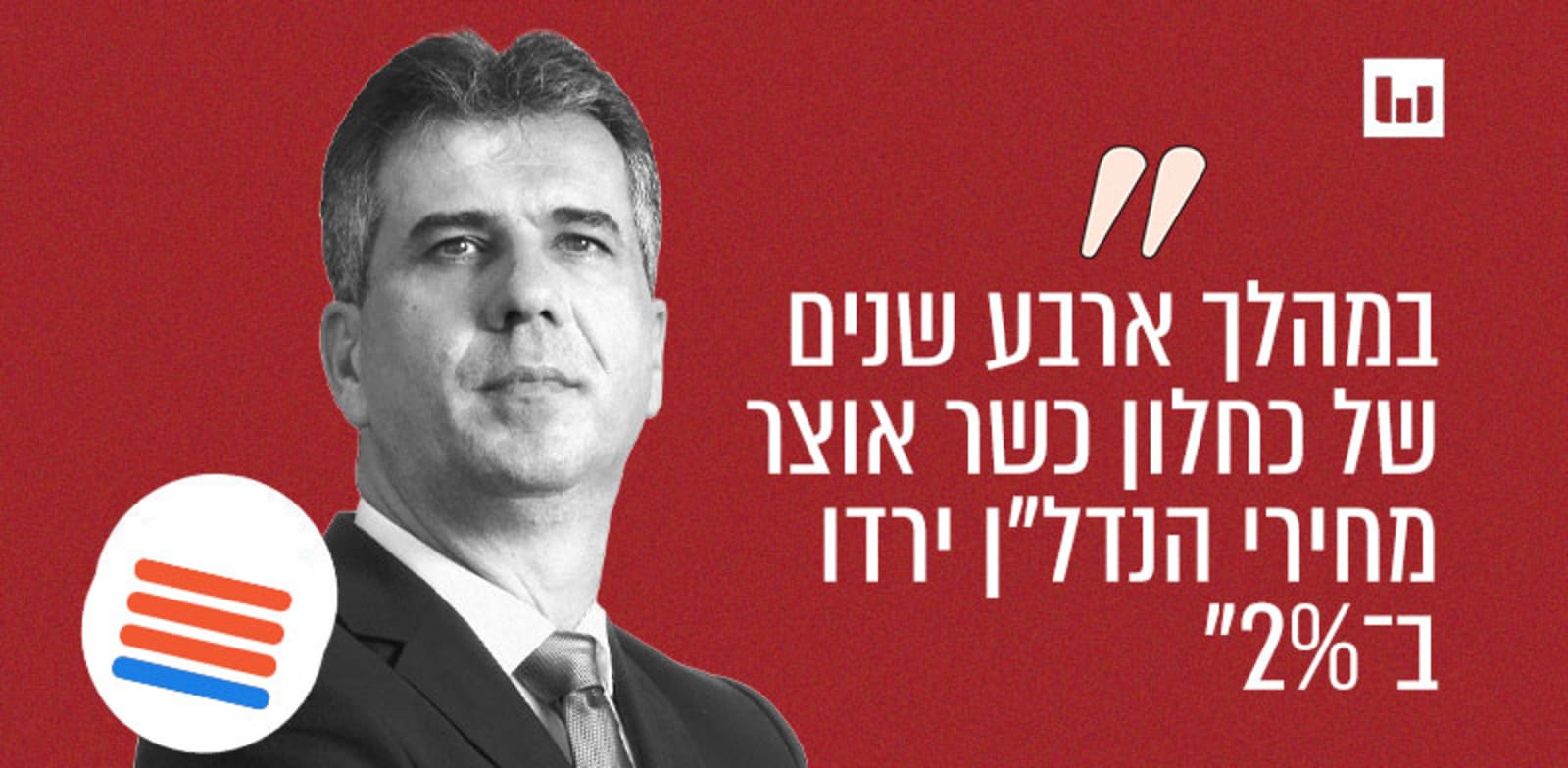
במהלך ארבע שנים של כחלון כשר אוצר מחירי הנדל"ן ירדו ב-2%
Publisher’s rating: לא נכון ברובו
The claim arose in an interview in which Likud MK Eli Cohen contrasted a 16% rise in housing prices under the then-current government with what he said was a 2% decline during four years of Moshe Kahlon’s tenure as finance minister. The review checked the four-year period Cohen invoked: May 2015 to May 2019. Kahlon remained in office until May 2020, but the review excluded his final year because he served in a caretaker government during that period. S1 describes the claim as: “במהלך ארבע שנים של כחלון כשר אוצר מחירי הנדל"ן ירדו ב-2%” and specifies that the review examined “מאי 2015 עד מאי 2019”. To test the comparison, the review used the Central Bureau of Statistics’ housing-price index, which it says is published monthly and reflects price changes based on transactions in earlier months. Comparing the index for May–June 2015 with that for May–June 2019, it found that the index rose from 364.5 to 414.1—a 13.6% increase, not a 2% decrease. S1 reports: “מנתון שעמד על 364.5 במאי-יוני 2015, המדד עלה ל-414.1 במאי-יוני 2019 - עלייה של 13.6%.” The review also explains how a decline could have figured in Cohen’s account: the index showed an annual decrease of about 2% in three consecutive measurements from September through December 2018. Those annual comparisons covered a limited span, however, and did not describe the net change across Kahlon’s first four years in office. The review’s conclusion is that the index rose by about 14% over the full period, while the cited decline referred to a shorter interval. S1 says: “בין החודשים ספטמבר-דצמבר 2018” and “בארבע השנים הראשונות של כהונת כחלון כשר אוצר, מדד מחירי הדירות לא ירד, אלא עלה בכ-14%.”
آیا بانک پاسارگاد متعلق به ستاد اجرایی فرمان امام است؟
Publisher’s rating: ما نمیدانیم چه جریانهای احتمالی پشت شبکه پیچیده سهامداران بانک پاسارگاد قرار دارند، اما تحقیقات ما نشان میدهد به جز اشارههای پراکنده و موقت خبرگزاری فارس، سند دیگری درباره ارتباط بانک پاسارگاد با ستاد اجرایی فرمان امام به طور عمومی در دست نیست.

Ang CAR ay isa sa dalawang pinakamahirap na rehiyon sa Pilipinas.
Publisher’s rating: Hindi totoo

Starbucks täuscht seine Kundschaft bei den Volumen seiner Kaffeebecher.
Publisher’s rating: Das Video ist irreführend. Starbucks gibt deutlich unterschiedliche Mengen für die verschiedenen Bechergrößen an. Ein Test bestätigt das.
The review investigates a viral video alleging that Starbucks serves the same amount of coffee in cups sold under different size names and at different prices. It reports that Starbucks’ hot-drink sizes are tall (355 ml), grande (473 ml) and venti (590 ml), and says Starbucks explicitly identifies the sizes as containing different quantities. To test the video’s central implication, dpa repeated the filling demonstration with Starbucks cups bought in Belgium. Water that filled a tall cup to its rim reached about two centimetres below the rim in a grande cup and about three and a half centimetres below the rim in a venti. Those observations do not support the claim that the three cups have equal capacity. The review also measured the cups and calculated their approximate brim-full volumes using the dimensions of a truncated cone. Its calculations were higher than Starbucks’ stated drink volumes, but the review explains that drinks are not filled to the brim; allowing for that space brought the estimates roughly in line with the stated quantities. It does not establish exactly how the video produced its apparent result: the review says the footage was too poor to determine the method and offers possible explanations, including pre-filled cups, false bottoms or editing.

పెట్రోల్లో 10% ఇథనాల్ను కలపటం ద్వారా 41,000 కోట్ల ప్రజా ధనాన్ని ఆదా చేసిన మోదీ ప్రభుత్వం
Publisher’s rating: MISLEADING
Auchan Belgique lance un concours.
Publisher’s rating: Attention, il s’agit d’une arnaque. L’enseigne française n’est pas à l’origine de ce post. Plusieurs éléments permettent de constater qu’il s’agit d’un faux compte.
The claim concerns a Facebook page called « Auchan Belgique » that said Auchan was running a giveaway. The post asked people to choose a numbered gift in an image and comment with their choice, with winners to be contacted directly. The investigation identifies the page—not an official Auchan account—as the source of the offer: it says the post was not made by the French retailer and that the page was a fake account. (S1: « Dans une publication postée sur une page Facebook appelée “Auchan Belgique”, on peut lire “Fête d’anniversaire... Choisissez l’un des cadeaux répertoriés dans l’image ! L’heureux gagnant a droit à un lot en fonction du contenu du cadeau. Les gagnants seront contactés directement”. »; « Il ne s’agit pas de la page officielle de l’enseigne française. ») The review describes several checks supporting that conclusion. The page lacked the verification badge visible on Auchan’s official page, offered no contact links or details comparable to those on the official page, and had no other publications. It had been created on 10 June 2022, the same day the contest appeared. These are the specific account-level indicators the investigation reports; they distinguish the giveaway page from the retailer’s official presence. (S1: « à droite du nom “Auchan Belgique”, il n’y a pas le badge de certification qui permet d’authentifier les vrais comptes. »; « sur la page “Auchan Belgique”, aucun lien de contact n’est proposé, et très peu de détails sont disponibles. »; « Elle a en effet été créée le 10 juin 2022, jour de la mise en ligne du concours. ») The review also notes that Auchan operated in multiple countries but had no stores in Belgium at the time, so the claim of a Belgian customer giveaway did not fit the retailer’s stated local presence. Taken together with the page’s missing verification and contact information and its recent creation, this supports the conclusion that the contest was not an official Auchan promotion. (S1: « l’enseigne ne possède pas de magasin en Belgique. Il n'y a donc aucune raison qu'un concours soit organisé pour les clients belges. »; « Auchan est certes présent dans plusieurs pays en dehors de la France, notamment au Luxembourg, au Portugal, en Pologne, ou encore en Tunisie. »)

From being third largest economy in 2011, India has slipped to 164th fastest growing nation in the world in 2021
Publisher’s rating: MISLEADING
The post juxtaposed India’s 2011 ranking as the world’s third-largest economy with a 2021 ranking of 164th for fastest growth, implying that India had fallen dramatically in economic standing. The review found that the two figures refer to different measures, so comparing them does not establish such a fall. It says the 2011 figure came from an International Comparison Programme survey ranking economies by purchasing power parity (PPP), while the 164th figure was associated with projected GDP growth—not the size of the economy. The review traces the 164th position to Statistics Times’ rankings based on IMF projections. The IMF’s October 2020 World Economic Outlook projected India’s growth at -10.28% for 2020 and 8.8% for 2021, but, according to the review, the IMF report itself did not rank countries. Statistics Times placed India 164th based on the projected 2020 contraction. For 2021, the same projections initially put India eighth for growth. After India’s provisional 2020–21 estimate showed a 7.3% contraction rather than the projected 10.28%, Statistics Times updated its ranking and placed India 143rd. The review also supplies context missing from the post’s comparison: India remained third in the PPP-based ranking, behind China and the United States. Its evidence therefore distinguishes a ranking of total economic size measured using PPP from a growth-rate ranking based on a particular year’s figures. The review concludes that placing those unlike rankings side by side gives a misleading impression of India’s economic position.

How long do I have to make a WorkCover Claim?
Publisher’s rating: You will need to notify your employer within 30 days of you becoming aware of your work-related injury by formally completing a Register of Injuries entry.