PeakMetrics / Fact Checks
Economy & business fact checks
Explore claims publishers have checked about economy & business. Read their original ratings and follow the evidence.
Search fact checks
Search by text or image7,093 published reviews in this topic

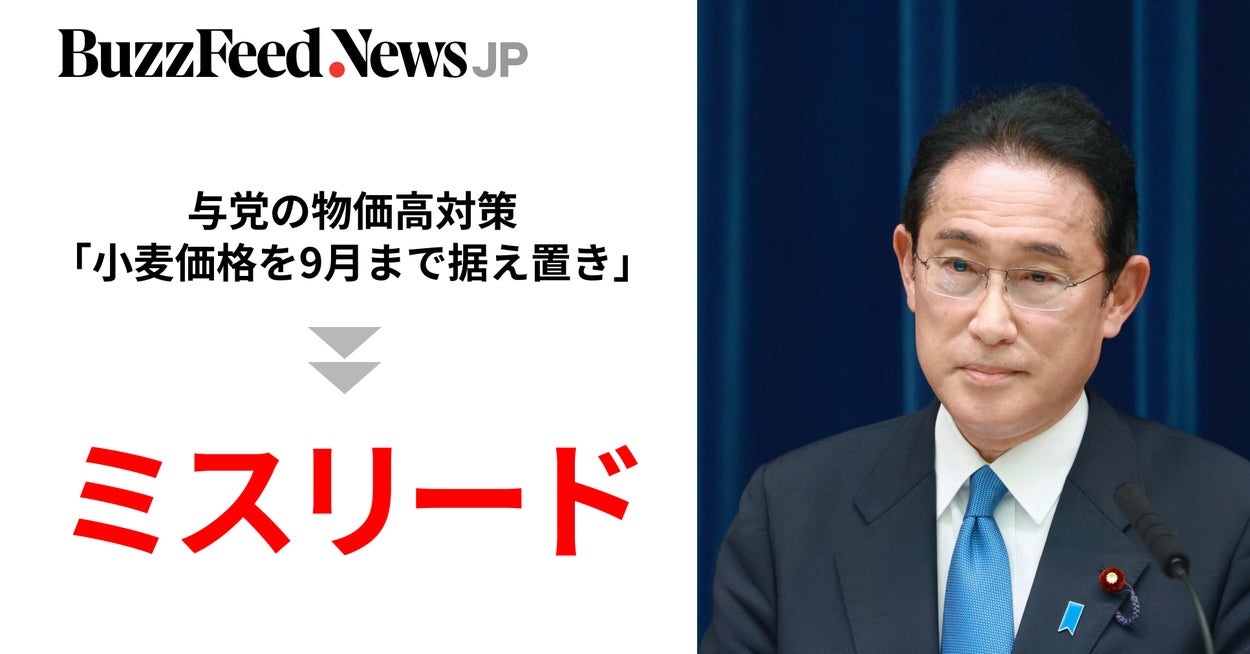
与党の物価高対策「ウクライナ情勢で国際的な小麦の価格が2〜3割上昇するなか、製粉業者への売り渡し価格を9月まで据え置いている」
Publisher’s rating: ミスリード
The review examined claims made during the 2022 House of Councillors election campaign that the government was holding down wheat prices as a response to the Ukraine-related rise in international prices. It cites statements by Prime Minister Fumio Kishida and ruling-party politicians, including that imported wheat prices had risen by 20–30% while the government’s sale price to milling companies would remain unchanged until September. The review’s central qualification is that this price was not specially frozen as a new response to the crisis: the government’s sale price is revised on a regular April-and-October schedule, and remains fixed between revisions. To check how the system worked, the article reports information from the Agriculture Ministry’s trade affairs division. The price revisions are based on the average government purchase price over the preceding six months, reflecting international prices, shipping costs and exchange rates. The article says this twice-yearly arrangement arose from the “相場連動制” introduced in 2007. On that account, the unchanged price through September followed the existing timetable rather than a newly enacted measure to shield millers from the Ukraine-related rise. The timing of the April revision also matters. The review reports that the April 2022 price rose 17.3%, using prices from the second week of September 2021 through the first week of March 2022; it describes this as the second-largest increase after the 19% rise in October 2021. Because the revision preceded the worsening of the Ukraine situation, the article says it did not yet reflect that crisis’s full impact. It also reports that the main causes of the April increase were poor harvests in the United States and Canada. Thus, presenting the September hold as an active response to the crisis leaves out both the established revision cycle and the timing and basis of the April increase.


“ජූලි 22 තෙක් ඉන්ධන නැවක් ලංකාවට එන්නේ නෑ” – සාගල රත්නායක
Publisher’s rating: Explainer
The claim arose during Sri Lanka’s severe fuel shortage, when the government had suspended petrol and diesel distribution to most fuel stations. Posts attributed to Prime Minister’s adviser Sagala Ratnayake the statement that no fuel ship would arrive until July 22. The review checked what he had said at a June 29 media briefing between Prime Minister Ranil Wickremesinghe and newspaper editors, examining the full media coverage of that briefing. According to the review, Ratnayake described different schedules for diesel and petrol: a diesel shipment was expected between July 11 and 15, while India’s petrol shipment was scheduled for July 22. He also said there was no firm decision on petrol supply and that discussions with suppliers were under way to obtain petrol earlier. The review therefore says he did not state that no petrol ship would arrive before July 22; rather, July 22 was the expected date for the Indian shipment, while efforts to secure earlier supplies continued. The review also cites a July 3 Twitter update from Energy Minister Kanchana Wijesekera listing confirmed and unconfirmed arrivals. It gave confirmed diesel arrivals on July 8–9 and 11–14, and an IOC petrol arrival on July 22–23; a Malaysia petrol shipment for July 10–11 was still awaiting confirmation. These details show why the broad claim that no fuel ship would arrive before July 22 is misleading: the schedules differed by fuel type and supplier, and some earlier shipments were confirmed or being pursued.

Supermercados BH dá R$ 1.000 no WhatsApp por causa de aniversário de 23 anos
Publisher’s rating: Falso

ජැක්සන් ඇන්තනීගේ රථය, වන අලියා සමඟ ගැටුණු අවස්ථාවේ දර්ශන පෙළක් ද ?
Publisher’s rating: Misleading

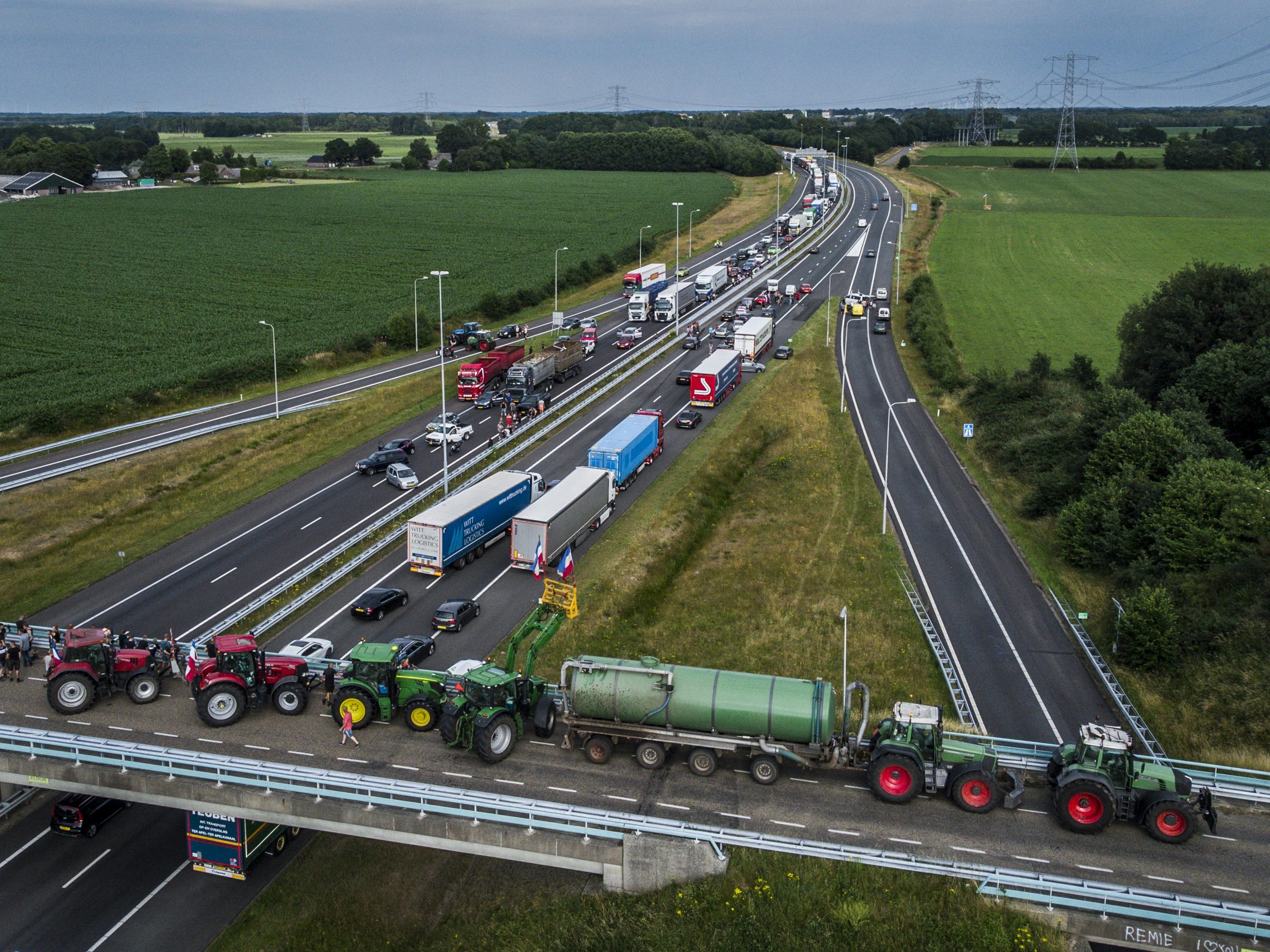
In den Niederlanden wird aufgrund der Lebensmittelpreise demonstriert.
Publisher’s rating: Die Bauern in den Niederlanden protestieren aktuell nicht wegen steigender Lebensmittelpreise, sondern wegen dem Vorhaben der Regierung, den Ausstoß von Stickstoff zu reduzieren.
The claim concerns a Facebook video presented as showing Dutch farmers demonstrating because food prices were high. The review reports that the protests were instead directed at the government’s plan to reduce nitrogen emissions, which farmers opposed. It says the required reductions followed a high court ruling and that the government warned they could threaten as many as 30 percent of livestock farms. To check the video’s setting, the review identifies its location as the A28 motorway near the Staphorst exit. It says this identification matched Dutch road authority Rijkswaterstaat traffic information about protests on June 28 and media reports about a blockade on the A28. In the recording, a police announcement threatens to seize agricultural machinery if it is not removed from the motorway. These details place the video in the farmers’ road protests, rather than establishing that food prices were their cause. The review does not say food prices were irrelevant to the Netherlands: it notes inflation was about 10 percent. But it also says the country was around the EU middle for food-price inflation. That distinction matters: high prices were a real issue, but the evidence the review describes identifies the protests shown in the video as being about planned nitrogen-emissions reductions.
Nagpasya ang Thailand at Vietnam na ipagbawal ang pag-export ng bigas sa Pilipinas sa ngayon.
Publisher’s rating: Hindi totoo
Thailand and Vietnam have decided to ban exporting rice at least for now.
Publisher’s rating: False

අරාබියේ ADNOC තෙල් සමාගමේ අධ්යක්ෂකවරුන් භාගයක්ම ලාංකිකයන් ද?
Publisher’s rating: False


מזכר ההבנות יאפשר לישראל לייצא בפעם הראשונה גז טבעי ישראלי לאירופה
Publisher’s rating: חצי נכון
کشورهایی اروپایی و خیلی کشورها امروز تورمی را تجربه میکنند که هرگز تجربه نکردند.
Publisher’s rating: نیمهدرست